What a Custom Conveyor Bracket Does on the Line
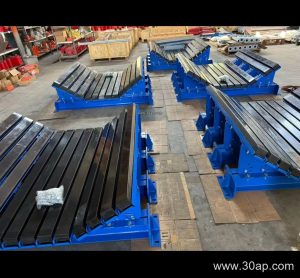
A custom conveyor bracket is the fabricated steel support that holds idler rollers in the correct position under or over the belt. Rather than forcing a standard frame to fit, plants order these brackets to match a specific belt width, trough angle, roller diameter and mounting hole layout. On a quarry conveyor or a cement plant transfer point, the bracket is often the part that decides whether the belt tracks cleanly or wanders.
The bracket is not a roller and not a pulley. It carries the load path from the idler roller into the conveyor frame, and its geometry sets the belt profile. For a full picture of how these parts work with conveyor belt, idler roller and conveyor pulley components, visit chenxinconveyor.com for related technical notes.
How the Bracket Is Built
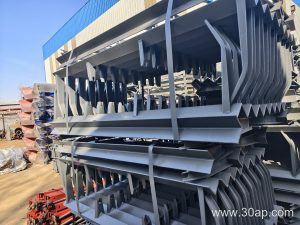
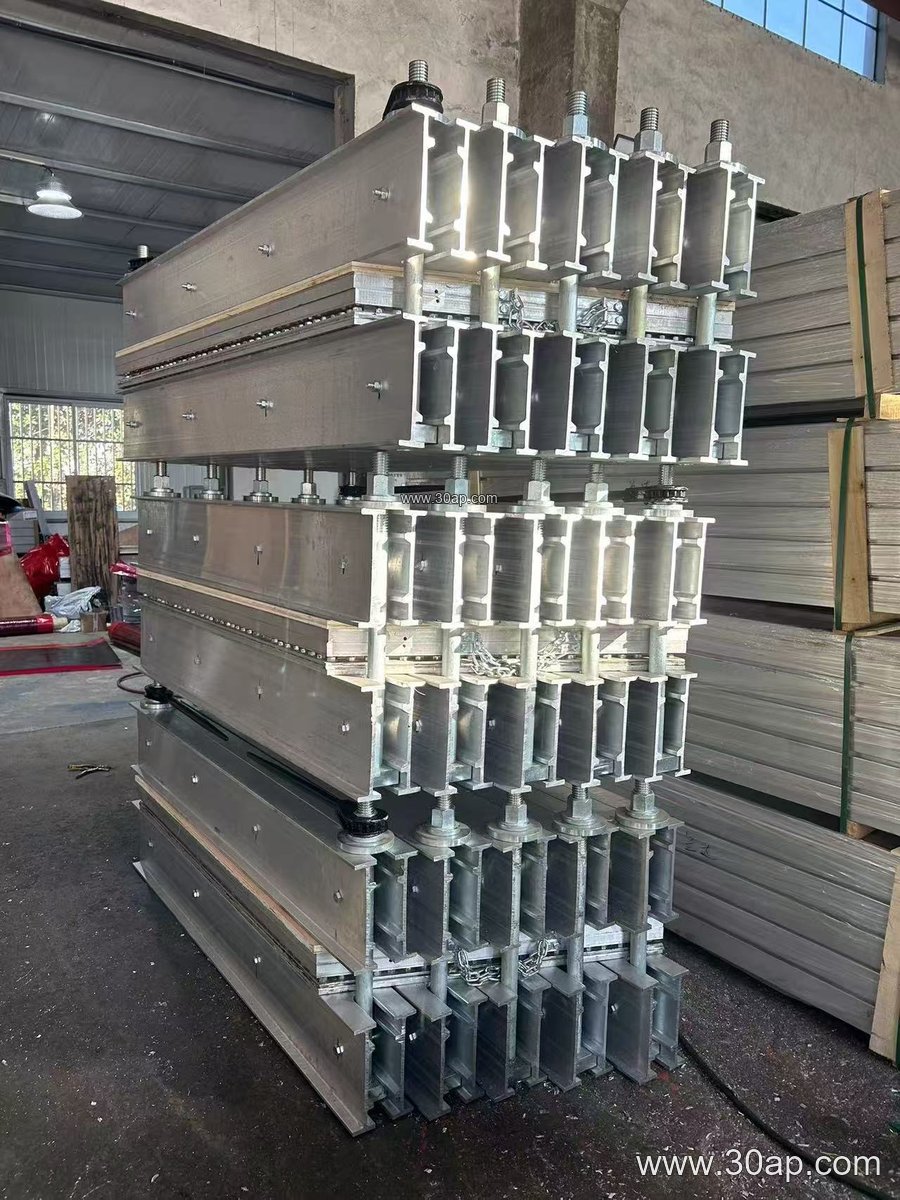
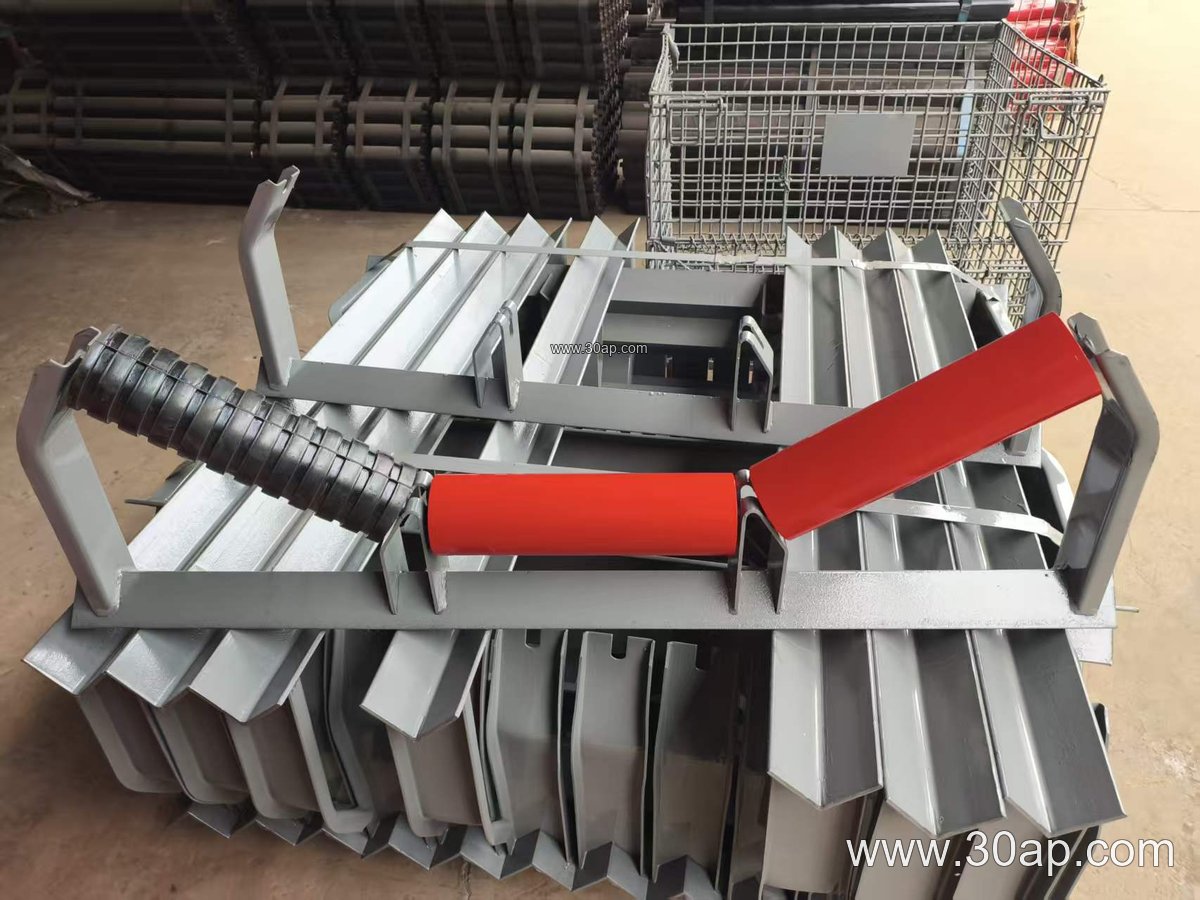
Most units are made from angle steel, channel steel or folded steel plate, cut, drilled and welded to drawing. The design follows the mounting dimensions of the roller and the frame stringer spacing. Common configurations include:
- Troughing bracket for the carrying side, with fixed or adjustable wing angles
- Transition bracket near the tail pulley, where the belt changes from flat to troughed
- Return bracket, including V-return and flat return forms
- Impact bracket under a loading point, usually paired with impact rollers
- Self-aligning bracket and forward-leaning bracket for tracking control
Bore spacing, crossbeam length and wing height change with belt width and trough angle, so a drawing should always be confirmed before fabrication.
Common Reference Dimensions
The table below shows typical ranges used when specifying a custom conveyor bracket. These are reference data, not fixed supply commitments, and final values depend on the frame design.
| Parameter | Common Options |
|---|---|
| Belt width | B500, B650, B800, B1000, B1200, B1400, B1600, B1800, B2000, B2200 |
| Trough angle | 20°, 30°, 35°, 45°; adjustable brackets can be set between these angles |
| Roller diameter | Ø89, Ø108, Ø133, Ø159, Ø194 |
| Forward lean | about 1.5° to 2° for forward-leaning brackets |
| Material | angle steel, channel steel, folded steel plate |
Typical combinations such as B800 with 35° and Ø108, or B1200 with 45° and Ø133, appear in many designs, but no single belt width is tied to one angle or one roller diameter.
Where These Brackets Are Used
In a limestone quarry, troughing brackets keep abrasive rock centered on a heavy-duty mining conveyor belt. In a coal washing plant, flame retardant conveyor belt runs over return brackets that must resist dust and fines. Other common sites include power plant coal handling, iron ore stockyards and aggregate crushing lines, where a rock conveyor belt or crusher conveyor belt needs steady support through impact zones.
When the belt carries hot clinker or sinter, heat resistant conveyor belt may be used, and bracket spacing should follow the roller load rating rather than habit. For long overland runs, a steel cord conveyor belt or EP conveyor belt benefits from transition brackets that ease the belt into the trough without edge stress.
Adjustable Versus Fixed Brackets
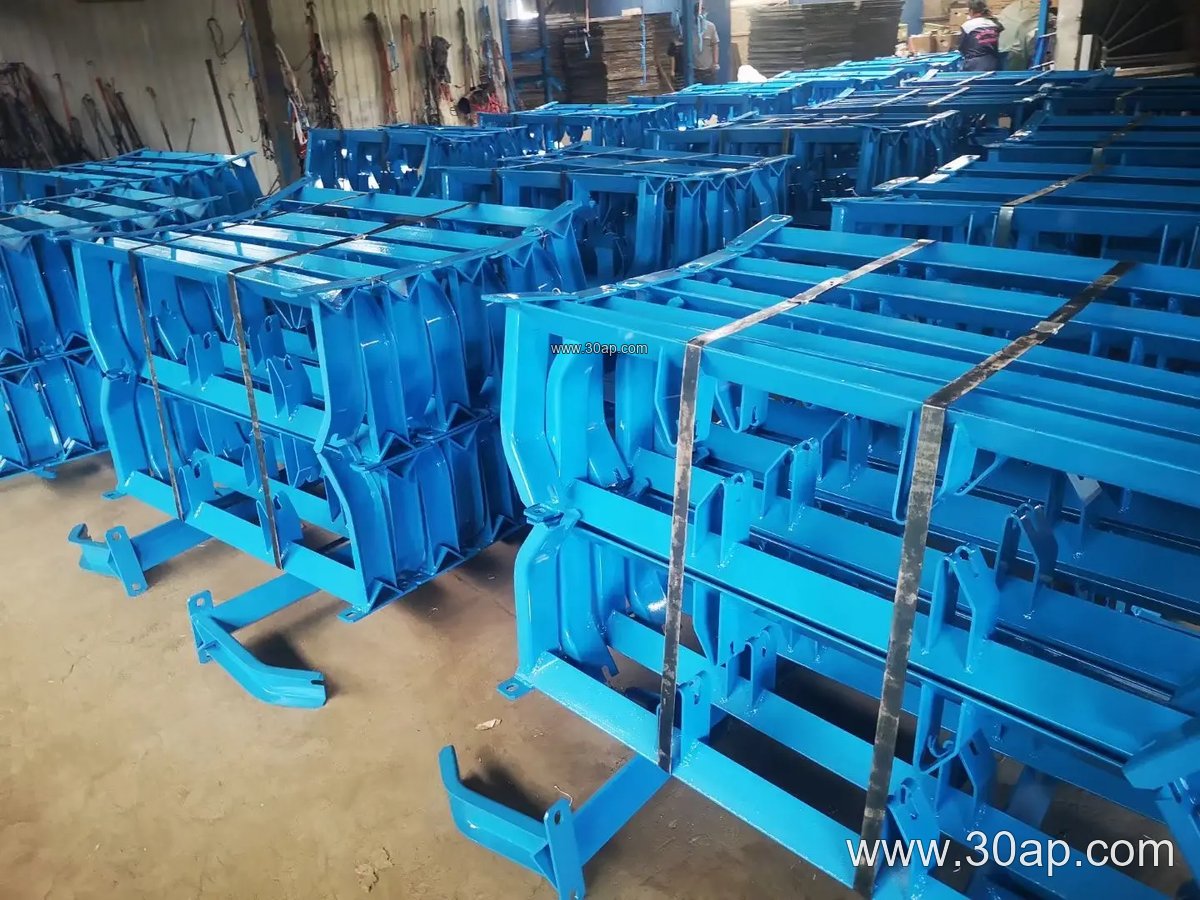
Fixed brackets are simple, rigid and economical for lines where the belt and material load stay constant. Adjustable brackets cost more but let maintenance staff change the trough angle to reduce spillage or correct edge wear. A forward-leaning bracket adds a small lead angle to help the belt self-center, while a self-aligning bracket pivots to steer a wandering belt. These functions are different from a bend pulley, which changes belt direction rather than supporting it.
What Buyers Should Confirm
- Belt width and actual trough angle required at each station
- Roller diameter and the exact mounting hole spacing on the bracket
- Frame stringer spacing and bolt hole positions
- Loading conditions, especially at impact and transition points
- Surface treatment suitable for the site, such as painting or galvanizing
A clear drawing with dimensions avoids field rework. Ordering a custom conveyor bracket by belt width alone is risky, because two conveyors of the same width can use different roller diameters and frame layouts.
Maintenance Notes
Check bracket bolts after the first weeks of operation and again during scheduled shutdowns. Look for bent wings, elongated holes and corrosion at welded joints. Replacing a worn idler roller is easier when the bracket geometry is documented, and keeping spare brackets for transition and impact stations reduces downtime in a sand and gravel line or a port conveyor system.
For matching rollers and belts, see the conveyor bracket and idler roller references at chenxinconveyor.com, and confirm dimensions with the conveyor designer before production.