What a Guide Pulley Does on a Conveyor
A guide pulley is a small-diameter roller mounted where the belt needs a light, controlled change of direction or extra wrap around another drum. It is often used to steer the belt back on track, to increase the arc of contact on a drive pulley, or to keep a slack side running cleanly between the tail and the take-up. In many layouts the guide pulley is a secondary component, yet its position and surface quality have a direct effect on belt tracking, edge wear and the life of the conveyor belt.
Because the duty is usually light compared with a drive or tail drum, the guide pulley can be built with a thinner shell and a simpler bearing arrangement. That does not mean it can be chosen casually. A poorly placed or badly aligned guide pulley will train the belt to one side, scuff the covers and load the idler roller frames unevenly.
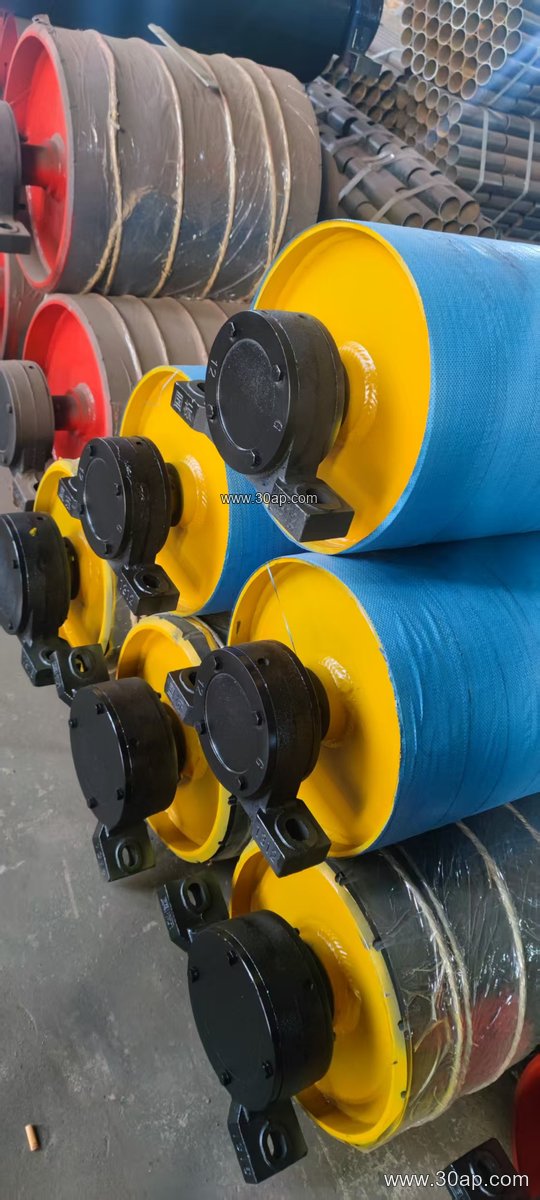
Construction and Surface Options
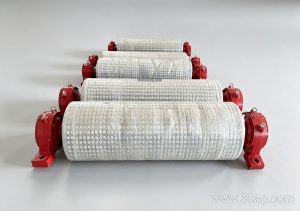
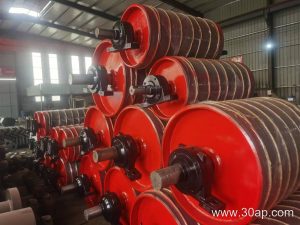
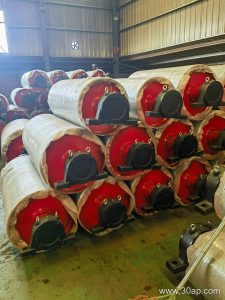
The typical unit is a steel tube with welded end discs, a through shaft, and self-aligning ball bearings in sealed housings. Shell faces are usually plain, but rubber lagging can be added when grip or protection of a sensitive belt cover matters. Common lagging thicknesses are 8, 10, 12, 15 and 20 mm, applied as cold-bonded rubber, hot-vulcanized rubber or cast rubber. Plain face is normal for light training duty; diamond or herringbone patterns are more often seen on larger drums.
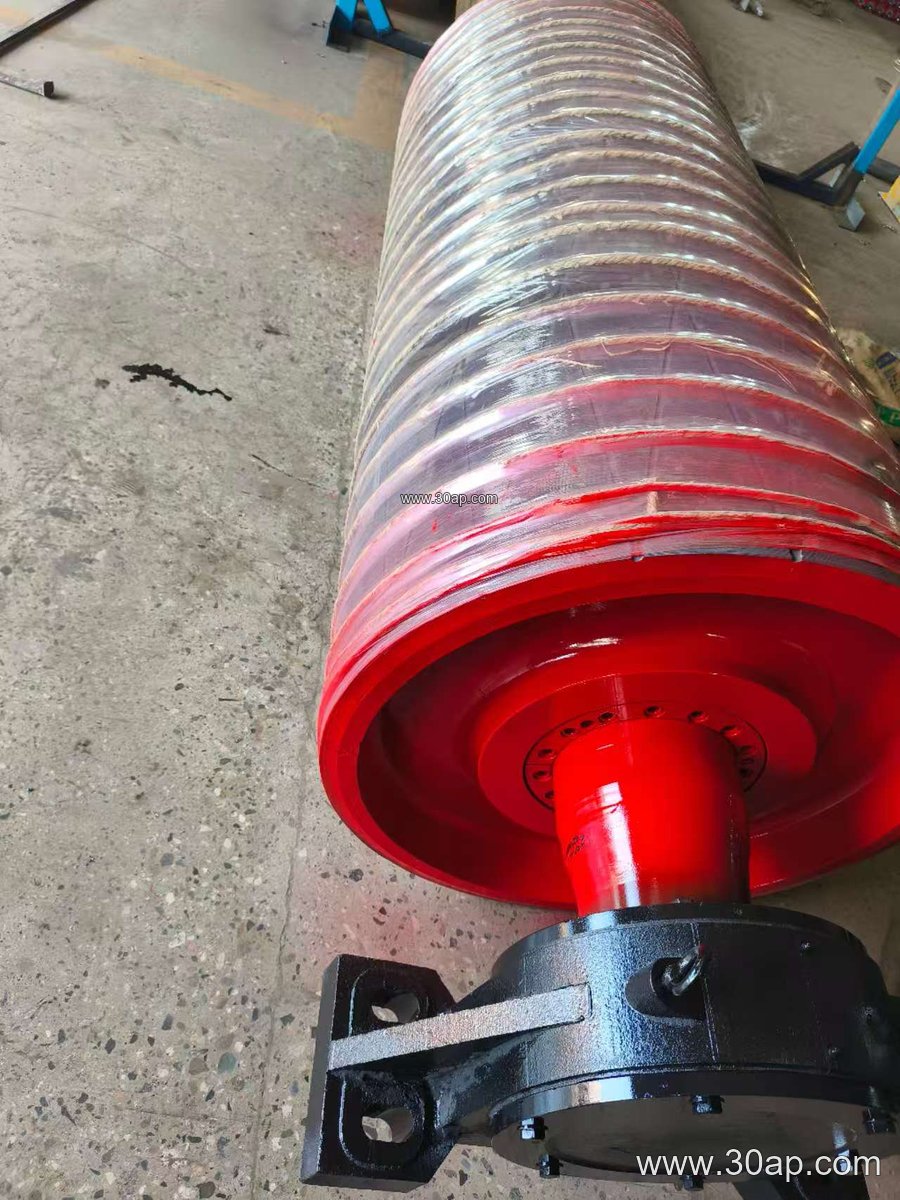
Face width normally follows the belt it serves. For reference, B650 belts are often matched with a face around 750 mm, B800 with about 950 mm, B1000 with about 1150 mm and B1200 with roughly 1400 mm. These are planning figures, not fixed rules. Shaft diameter is set by torque and bearing load, commonly in the Ø50 to Ø200 mm range, and should never be guessed from belt width alone.
Where It Fits in the Line
In a quarry or sand and aggregate plant, a guide pulley is frequently installed just ahead of the head drum to hold the belt in the center of the trough before discharge. In a coal washing plant or power station coal yard, it may sit on the return side to lift the belt clear of structure. Cement plants use them around clinker conveyors where space is tight, and port bulk terminals use them on shuttle and boom conveyors where the belt path changes several times.
Guide pulleys should not be confused with other drum roles. The drive pulley transmits power, the tail pulley forms the return end, and the bend pulley changes belt direction under load. A guide pulley is a lighter, positioning device, and swapping one role for another is a common source of tracking trouble.
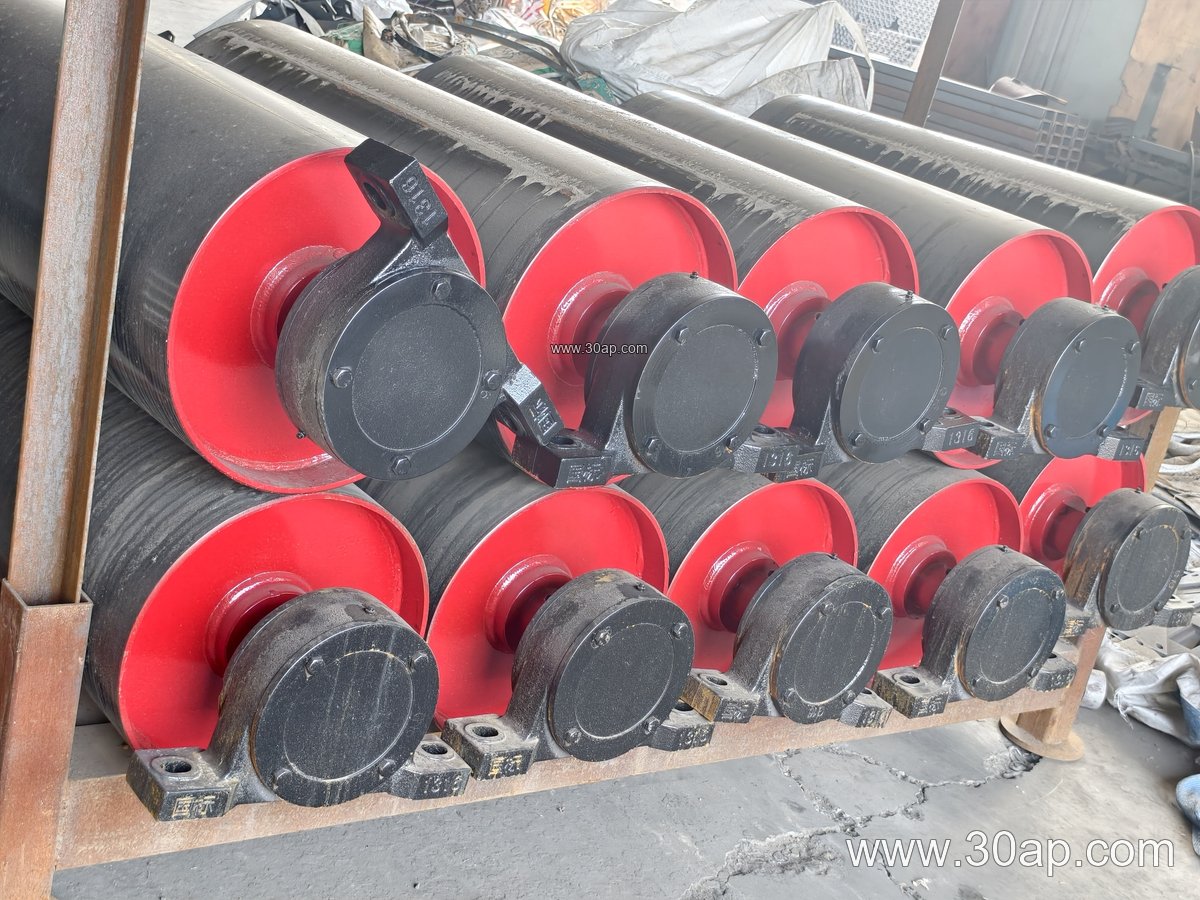
Matching the Pulley to the Belt
The belt construction on the line shapes what the guide pulley should look like. A heavy-duty mining conveyor belt with a thick cover tolerates a plain steel face, while a thin EP conveyor belt or NN conveyor belt on a high-speed line benefits from a smooth, well-crowned face that will not pinch the edges. On lines carrying sticky material, a self-cleaning face and generous clearance between the shell and the bracket help prevent build-up.
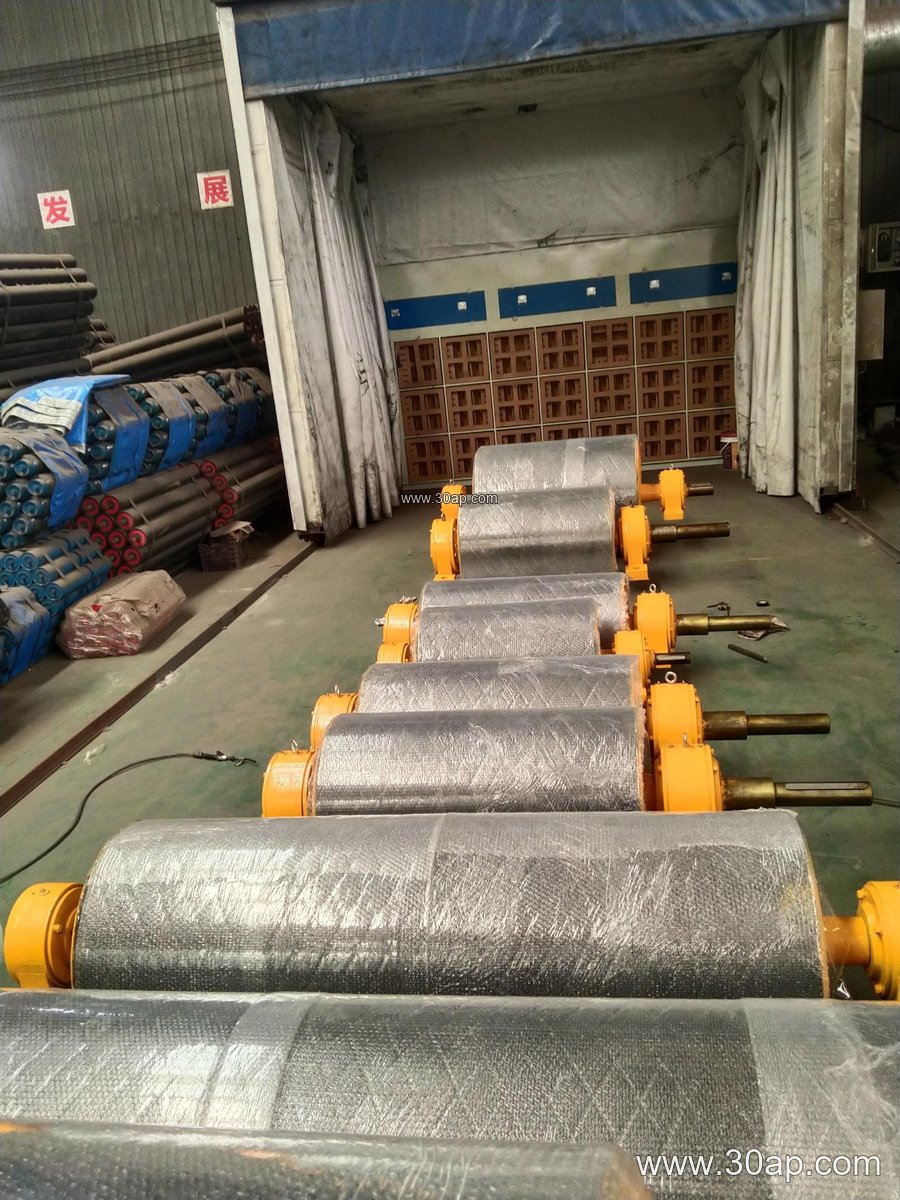
Where the belt is a flame retardant conveyor belt for underground coal mining, the pulley lagging and bearings should suit the same environment, and the mounting position must leave room for inspection. On a pipe conveyor belt or a corrugated sidewall conveyor belt, the guide pulley has to sit clear of the cleats and sidewalls, so face width and position need checking against the belt profile rather than the nominal width alone.
Selection and Maintenance Notes
Buyers should confirm four things before ordering: the belt width and type, the required wrap angle and mounting position, the shaft and bearing size, and the surface finish. A typical order description might read B800 × Ø500 with a 10 mm cold-bonded rubber face, but the final diameter and shaft size should come from the conveyor designer.
- Check alignment after installation; a small angular error moves the belt noticeably.
- Inspect lagging for glazing or chunking, especially on abrasive ore and rock lines.
- Keep seals clean in dusty cement and crushing circuits.
- Re-grease sealed bearings at the interval set by the duty, not by habit.
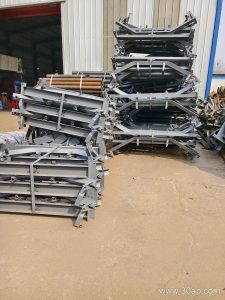
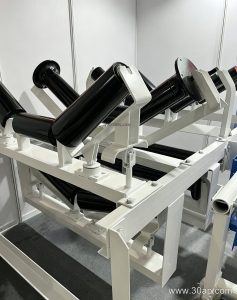
When a guide pulley is replaced, record the face width, diameter and shaft size so the next spare matches the existing conveyor bracket and bearing housings. For related components such as the conveyor pulley set, idler roller groups and support frames, it pays to keep the same dimensional reference on file.