What an Impact Idler Bracket Does
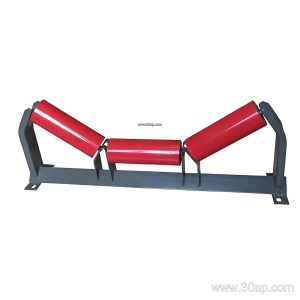
An impact idler bracket is the support structure that holds the impact idler rollers at a conveyor loading point. Its job is to keep the rollers at the correct height, angle and spacing so that falling material lands on a resilient, well-aligned bed instead of hammering the belt directly. In a quarry, a coal handling plant or a cement clinker line, this bracket is often the first component to absorb the violence of the load, and it is designed to be replaced without disturbing the rest of the conveyor frame.
The bracket works together with the conveyor belt, the idler roller set and the surrounding conveyor bracket framework. It is not a pulley, and it should never be confused with a drive pulley, tail pulley or bend pulley, which perform completely different duties at the ends and curves of the conveyor.
How the Bracket Is Built
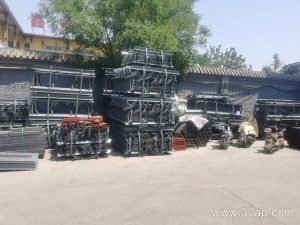
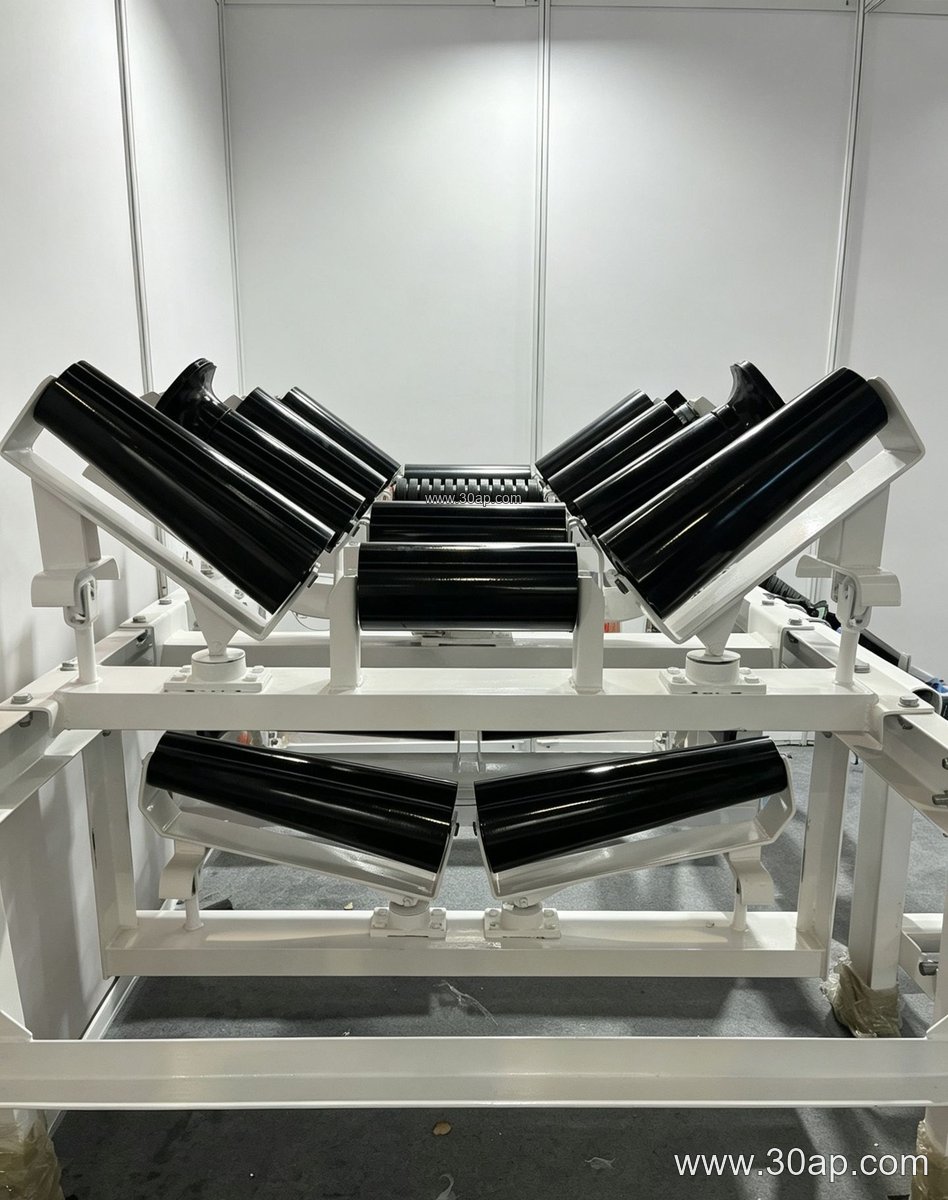
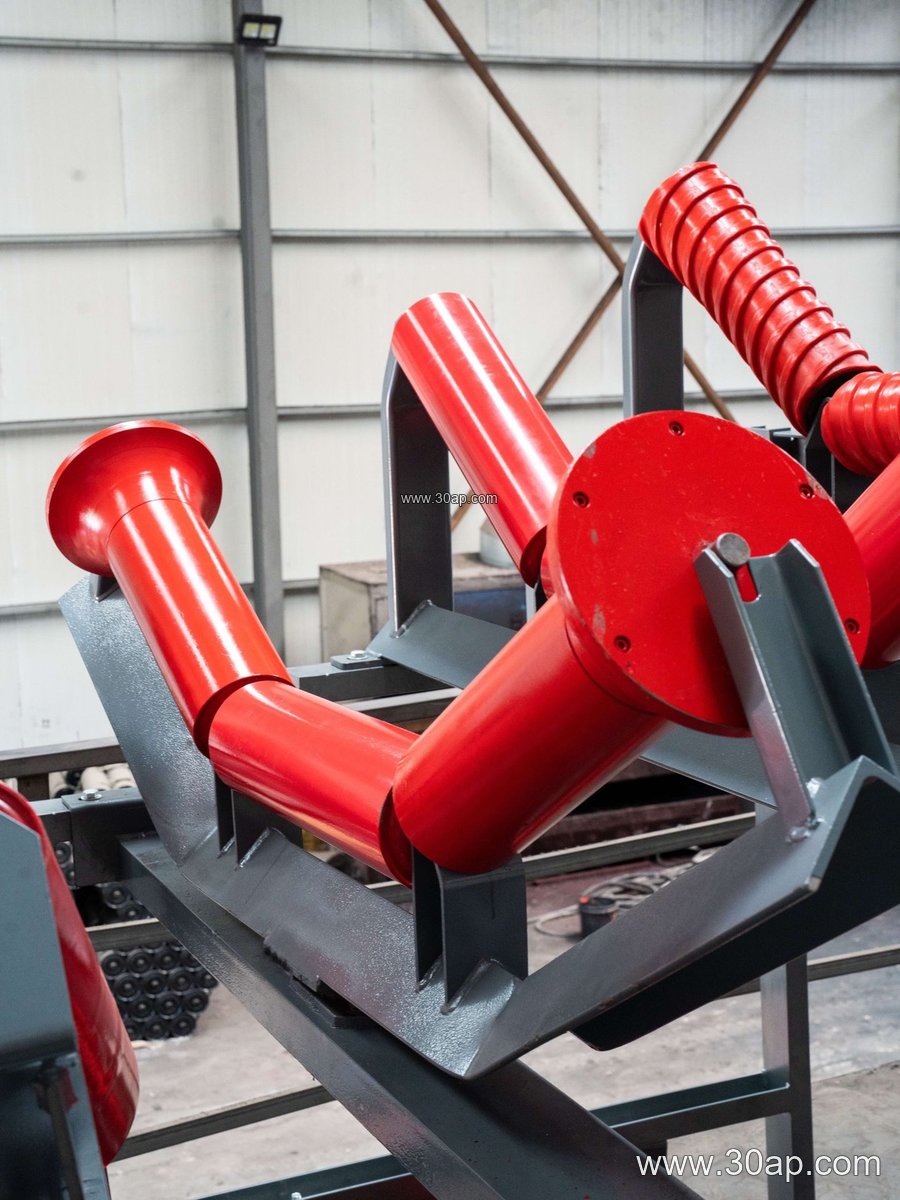
Most impact idler brackets are fabricated from angle steel, channel steel or folded steel plate. The frame is welded or bolted into a rigid cradle that carries the impact rollers, usually with rubber rings or a cushioning layer to soften the drop. Because the loading zone sees repeated shock, the bracket is often reinforced at the mounting holes and cross member joints.
Common construction details include:
- Welded or bolted cradle with two or three roller positions
- Reinforced mounting feet for bolting to the conveyor stringer
- Cushion pads or rubber rings under the roller seats
- Adjustable or fixed trough angle settings depending on the design
The material and thickness are usually selected according to the belt width, the lump size and the drop height. A bracket that is too light for the duty will flex, and flexing quickly wears both the bracket and the rollers.
Where It Fits on the Conveyor
The bracket is normally installed directly beneath the loading chute or transfer point. In a limestone mine or a sand and gravel line, the crusher discharge is a typical location. In a power plant coal yard, it sits under the transfer tower where coal drops from one conveyor to the next. The same idea applies in a steel plant sinter line or a fertilizer granulation building.
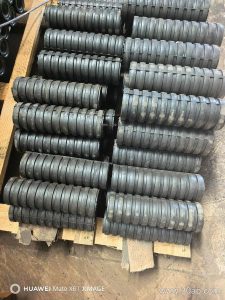
At the loading point, the bracket is paired with impact rollers, and the whole assembly is sometimes called a buffer idler bracket or cushion bracket. Further along the conveyor, the troughing bracket and return bracket take over the ordinary carrying and return duties, while the impact bracket remains focused on the drop zone.
Trough Angle, Belt Width and Roller Diameter
Buyers often ask how the trough angle, belt width and roller diameter should be matched. There is no single rule that ties one belt width to one angle or one roller size. The bracket design, the conveyor profile and the material being handled all influence the choice. Typical reference combinations include B800 with a 35 degree trough and Ø108 rollers, B1200 with a 45 degree trough and Ø133 rollers, or B650 with a 30 degree trough and Ø89 rollers. Adjustable brackets can usually be set between common trough angles such as 20, 30, 35 and 45 degrees.
The table below shows typical reference data, not a fixed supply specification:
| Parameter | Common Reference Range |
|---|---|
| Belt width | B500, B650, B800, B1000, B1200, B1400, B1600, B1800, B2000, B2200 |
| Trough angle | 20°, 30°, 35°, 45° |
| Roller diameter | Ø89, Ø108, Ø133, Ø159, Ø194 |
| Frame material | Angle steel, channel steel, folded steel plate |
| Mounting hole spacing | Determined by belt width and trough angle |
Mounting hole spacing and cross member length change with belt width and trough angle, so they should be confirmed against the conveyor drawing rather than assumed.
Choosing the Right Bracket for the Duty
A buyer should start with the belt width, the maximum lump size and the drop height. Heavy, sharp rock at a primary crusher discharge calls for a more robust bracket and heavier rollers than a fine aggregate transfer. The belt itself matters too: a high abrasion resistant conveyor belt or a thick, heavy-duty rubber conveyor belt can tolerate more impact, but it still needs proper support underneath.
It also helps to check how the bracket interacts with the rest of the system. A steel cord conveyor belt or a multi-ply fabric core conveyor belt has different flexibility, and the impact zone should be long enough to spread the load. In dusty or wet conditions, such as an underground coal mining conveyor or a wash plant, drainage and material build-up around the bracket should be considered.
Installation and Maintenance Notes
Alignment is critical. The bracket should sit square to the conveyor centreline, with the roller tops at the correct height so the belt does not lift or sag at the loading point. Bolts should be tightened to the specified torque, and any cushioning elements should be inspected for cracking or compression set.
During routine inspections, look for bent frames, elongated mounting holes, worn roller seats and loose fasteners. Replacing a worn impact idler bracket early protects the conveyor belt and the idler roller set from avoidable damage, and it keeps the loading point running smoothly in demanding industries such as mining, cement, power generation and port handling.