What a Sand Making Plant Conveyor Belt Does
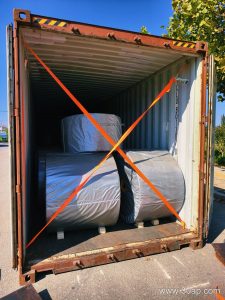
A Sand Making Plant Conveyor Belt is the moving belt that carries crushed stone, sand, and screen undersize between the jaw crusher, cone or impact crusher, vibrating screen, sand washer, and stockpile. In a sand production line the belt is not a simple accessory; it sets the pace of the whole circuit. If the belt slips, mistracks, or wears through, the crusher may keep running while the finished sand piles up nowhere. That is why buyers in quarry, aggregate, and construction material plants treat belt selection as part of process design rather than a spare part order.
The same product is often called a stone crusher conveyor belt or an aggregate conveyor belt, depending on the plant. The name changes, the duty does not: sharp-edged rock, abrasive sand, dust, and often wet or muddy conditions.
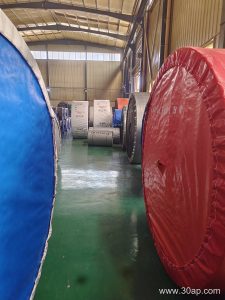
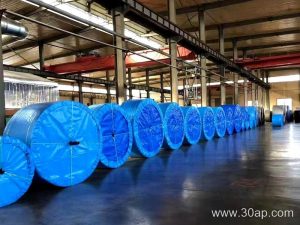
Construction of the Belt
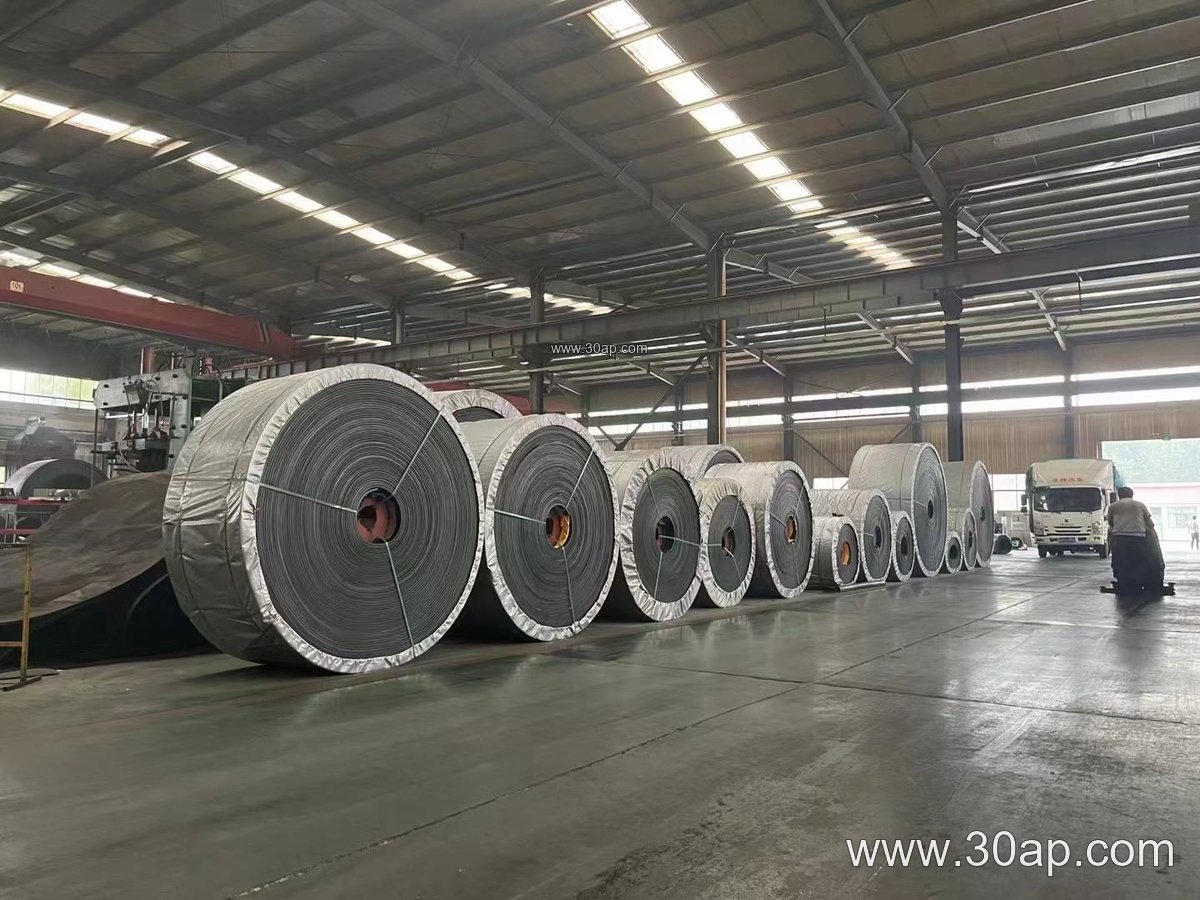
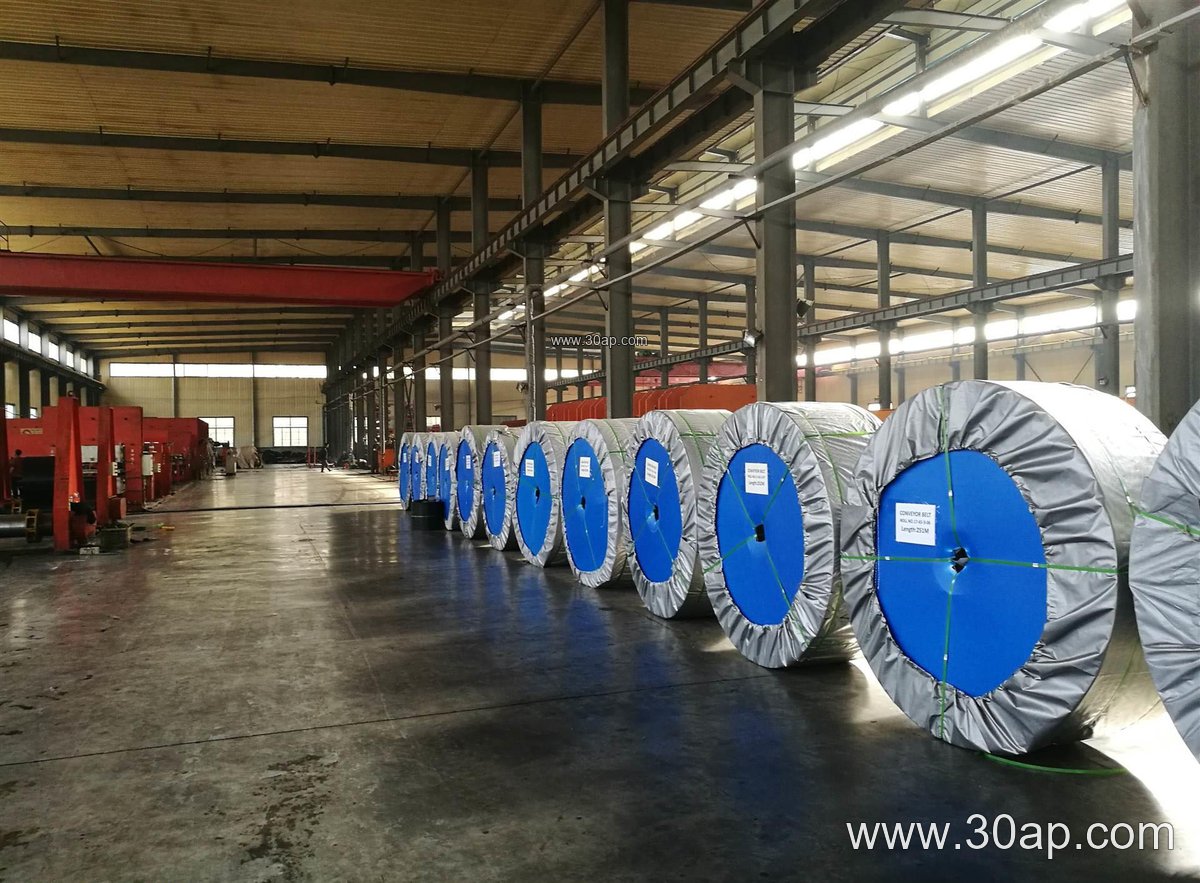
Most belts in this service are fabric-core rubber belts. The carcass carries the tension, and the rubber covers protect it. A typical structure includes:
- Top cover rubber, usually abrasion resistant, often 4+2 mm or 5+2 mm for mixed crushed stone and sand
- Fabric core, commonly 2 to 6 plies, with EP or NN canvas
- Bottom cover rubber, thinner, running against the idler roller
- Edge construction that resists fraying at the pulley
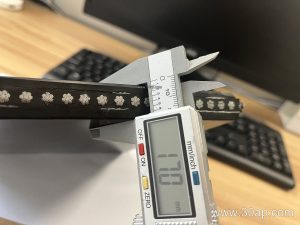
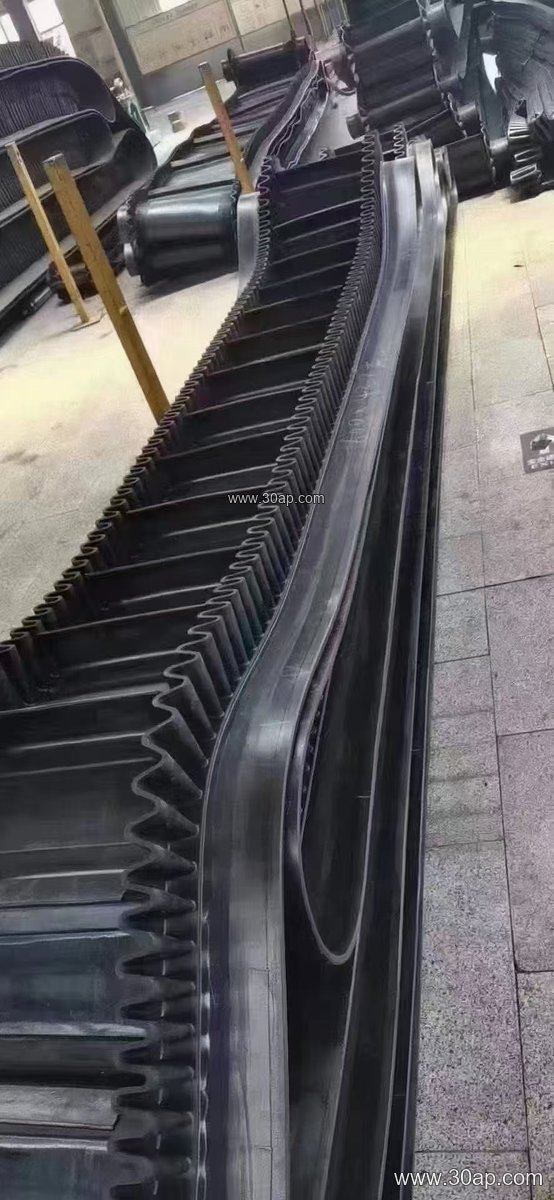
EP Conveyor Belt (polyester warp, nylon weft) is a common choice because it stretches little and keeps a stable trough. NN Conveyor Belt uses nylon in both directions and offers high flexibility. For long, high-lift lines, a Steel Cord Conveyor Belt may be used, but most sand plant belts are fabric type. Where the belt must climb steeply, a Chevron Conveyor Belt or a Corrugated Sidewall Conveyor Belt can hold material on the incline. For dusty, potentially explosive areas, a Flame Retardant Conveyor Belt or Anti-Static Conveyor Belt is often specified, though the final requirement should follow the plant’s own risk assessment.
Typical Specifications
The values below are common reference points, not fixed rules. Actual belt width, ply count, cover thickness, and strength grade are confirmed by the conveyor design and the material load.
| Item | Common Reference Range |
|---|---|
| Belt width | B500, B650, B800, B1000, B1200, B1400 |
| Strength grade (EP) | EP200, EP315, EP400, EP500, EP630, EP800 |
| Cover thickness | 3+1.5, 4+2, 5+2, 6+2 mm |
| Fabric plies | 2 to 6 layers, by design |
| Surface form | plain, chevron, corrugated sidewall |
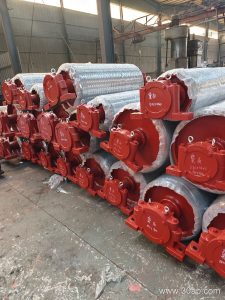
A wide belt such as B1200 or B1400 is common on the main discharge line, while B650 or B800 may serve screen feed and return lines. Belt width alone does not dictate pulley diameter or shaft size; those come from the conveyor’s calculated tensions and the pulley manufacturer’s design. Drive pulley, tail pulley, and bend pulley each have their own role and are not interchangeable.
Where It Is Used
These belts appear across mining, quarry, cement, and power plant material handling. In a sand making plant they link the crusher discharge to the screen, return oversize to the crusher, and feed the sand washer or stockpile. Similar duties exist in iron ore, copper ore, and gold mining operations, where a heavy-duty mining conveyor belt must resist impact and abrasion.
Selection points to check include:
- Maximum lump size and drop height, which affect impact resistance
- Material temperature and oil or chemical exposure
- Incline angle and whether a chevron or sidewall belt is needed
- Ambient temperature for cold resistant grades
- Fire and static requirements in coal or dusty service
Parts That Work With the Belt
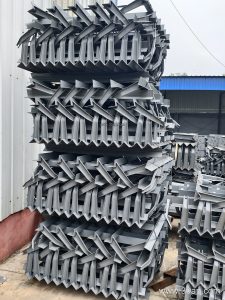
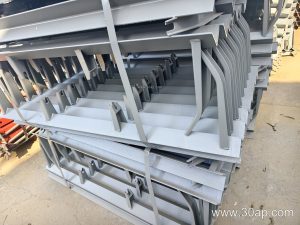
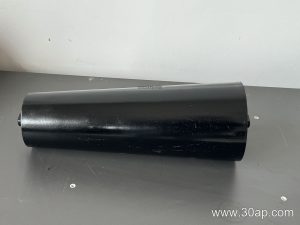
Belt life depends on the whole line. The idler roller supports the belt and sets the trough shape. The conveyor pulley drives or redirects it, and the conveyor bracket holds the pulley and frame in alignment. A worn idler or a badly aligned bend pulley can destroy a good belt in weeks. Daily checks of tracking, edge condition, and cover wear are simple and effective.
Buyer Notes
Ask for the carcass type, ply count, cover thickness, and strength grade in writing. Confirm whether the belt is endless or open-end, and how edges are sealed. Keep spare belt, idlers, and pulley lagging consistent with the original design. For more on matching belts to rollers and pulleys, see the selection notes at www.example.com/conveyor-belt and the maintenance guide at www.example.com/idler-roller. A well matched Sand Making Plant Conveyor Belt keeps the crusher, screen, and stockpile working as one system.