What a 1000mm Conveyor Belt Is
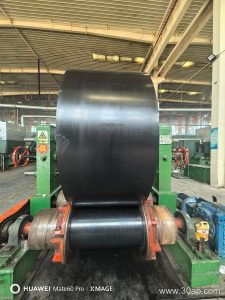
A 1000mm conveyor belt is a belt with a nominal width of one meter, widely used on medium-to-large material handling lines where the duty calls for more capacity than a 650mm or 800mm belt can deliver. In the field it is often ordered simply as a B1000 belt, or a 1000mm wide conveyor belt. It is a belt width, not a belt type: the same width can be supplied in EP, NN, steel cord, PVC, PVG and various specialty constructions. A 1000mm belt is also sometimes grouped with wide conveyor belt ranges, though truly extra-wide belts usually start at 1400mm and above.
Where it is used
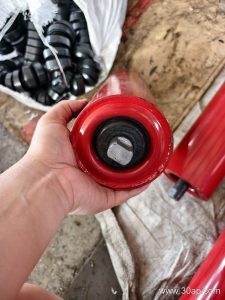
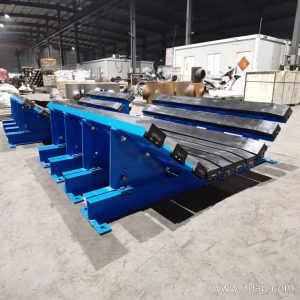
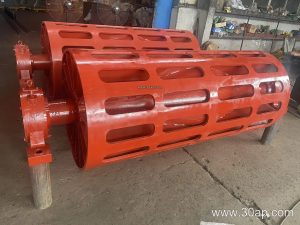
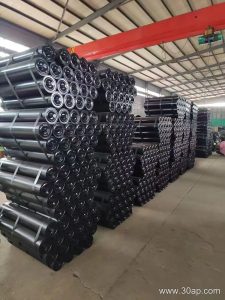
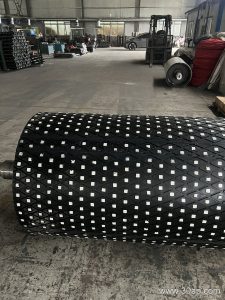
Typical duty points include mine haulage, coal handling, cement plant raw and clinker lines, power plant coal feed, quarry and aggregate transfer, crusher discharge, port bulk material handling, and steel plant raw material conveying. In these settings the belt runs on idler roller sets and is wrapped by a conveyor pulley at the drive and tail ends, with the whole frame tied together by conveyor bracket assemblies.
Construction and Material Options
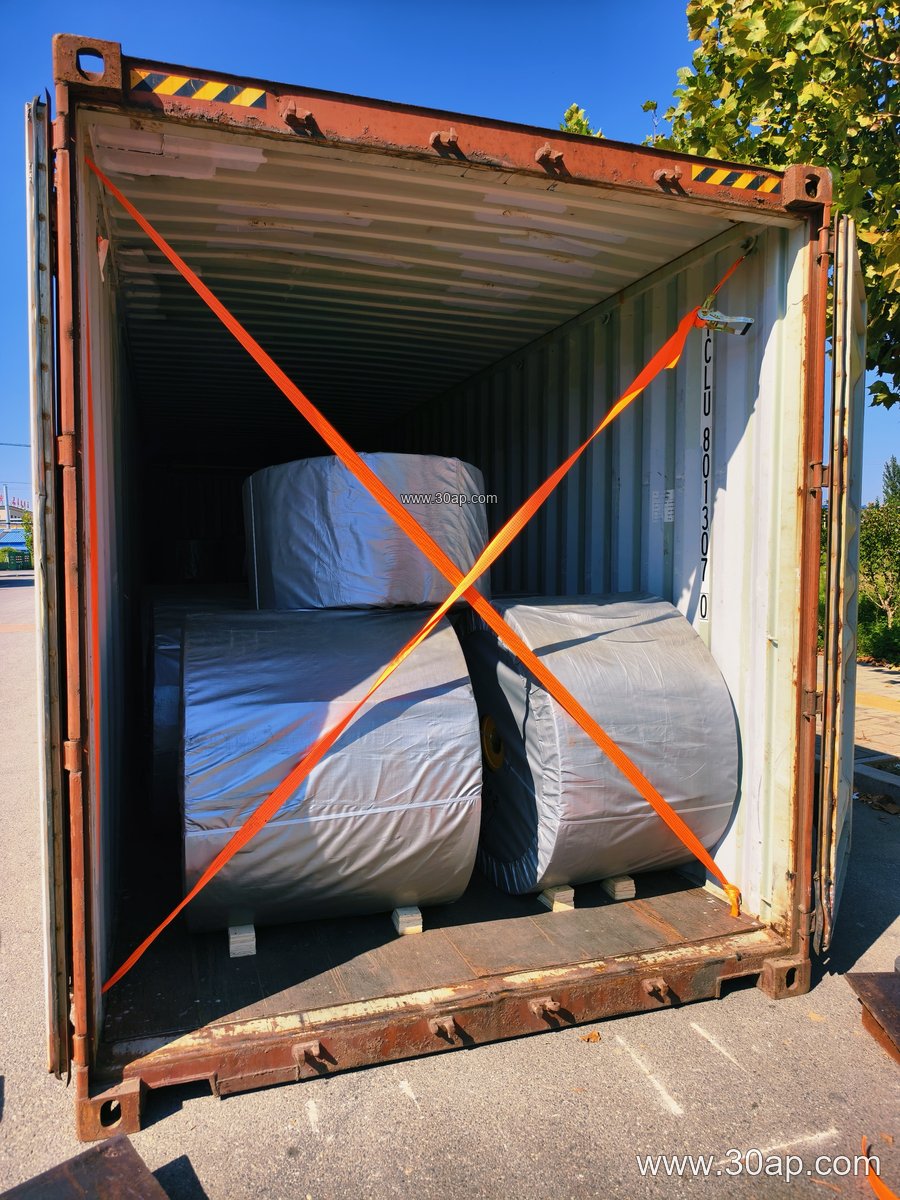
A 1000mm conveyor belt is built from a carcass, a top cover and a bottom cover. The carcass carries the tension, and the covers protect it from the load and the environment. Common carcass families at this width are listed below.
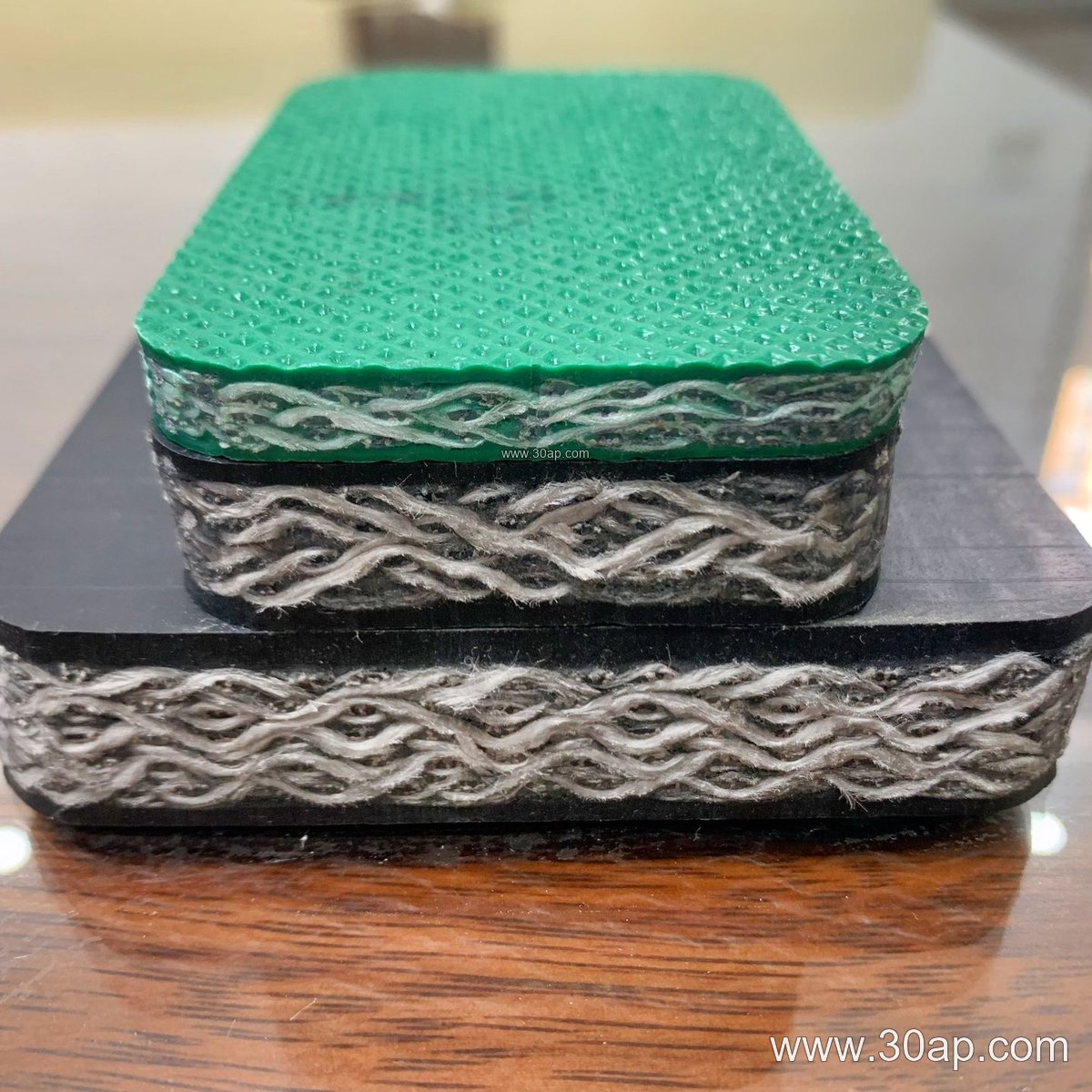
- Multi-ply fabric core: EP or NN plies, usually 2 to 6 plies.
- Steel cord: single-layer steel cable carcass for long runs and high tension.
- PVC or PVG: solid-woven or whole-core constructions common in underground work.
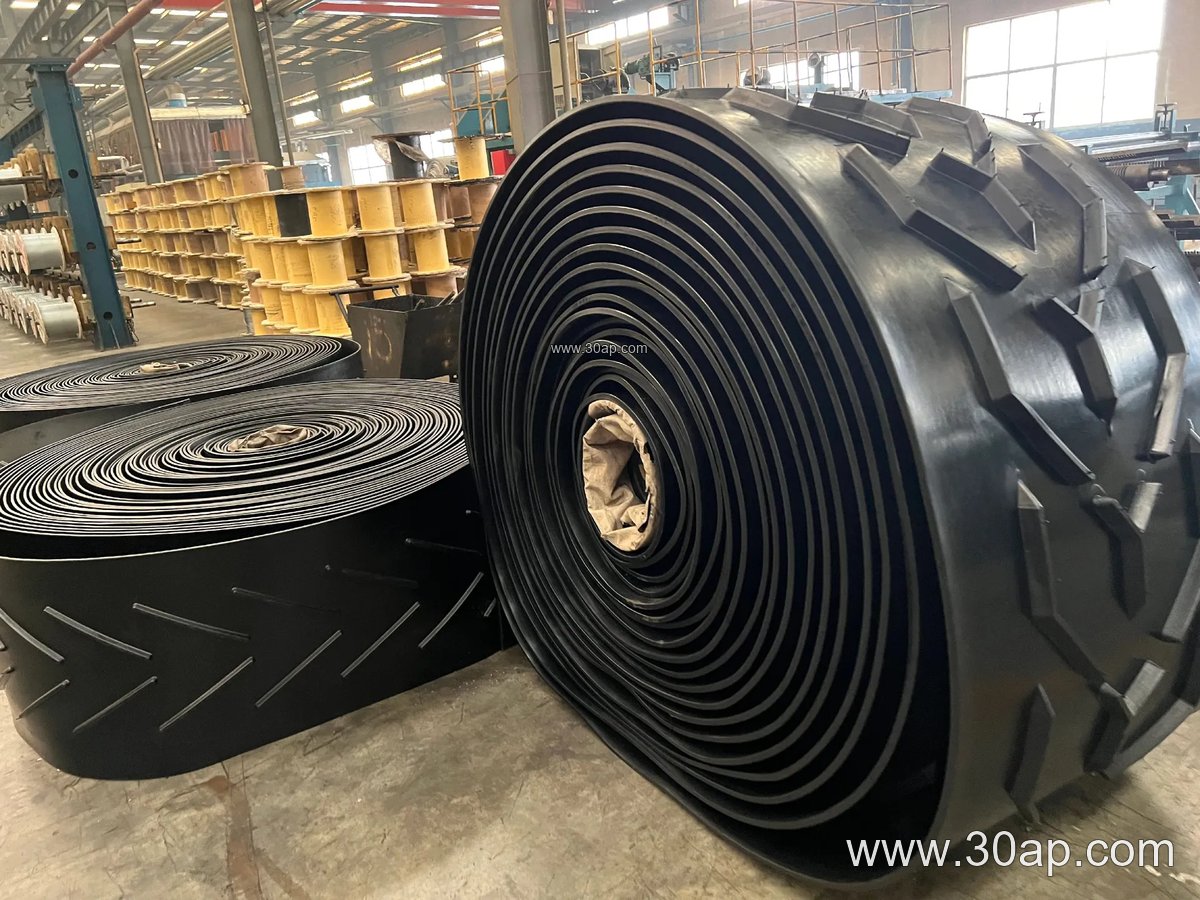
- Specialty builds: chevron, skirted, corrugated sidewall and pipe conveyor belt designs.
Reference strength grades
Fabric and steel cord grades are often specified by number. Values differ between makers and should be confirmed against the actual design.
| Family | Common grade examples |
|---|---|
| EP | EP200, EP315, EP400, EP500, EP630, EP800, EP1000, EP1250, EP1600, EP2000 |
| NN | NN100, NN200, NN300, NN400 |
| Steel cord | ST1000, ST1250, ST1600, ST2000, ST2500, ST3150 |
Cover thickness
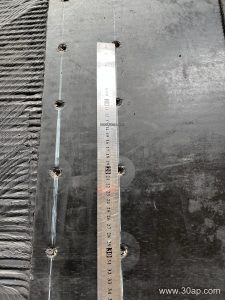
Cover gauges are usually expressed as top plus bottom thickness, for example 3+1.5 mm, 4+2 mm, 5+2 mm, 6+2 mm or 8+3 mm. A 1000mm belt used in a sand making plant or stone crushing line often needs a thicker top cover than a light transfer line, because sharp rock and repeated impact wear the surface quickly.
Matching the Belt to the Duty
The right belt grade depends on the material and the environment, not on width alone. A few common pairings help explain the choice:
- High abrasion loads such as iron ore, copper ore or quarry rock call for an abrasion resistant conveyor belt or high abrasion resistant conveyor belt with a tough cover.
- Hot clinker and sinter lines need a heat resistant conveyor belt or high temperature conveyor belt.
- Coal and underground coal mining duty usually requires a flame retardant conveyor belt or fire resistant conveyor belt, often in PVG construction such as PVG800S.
- Cold yards and winter operation may require a cold resistant conveyor belt.
- Oily grain, wood chip or recycled material may need an oil resistant conveyor belt.
- Long overland runs with high tension favor a steel cord conveyor belt.
For steep inclines, a chevron conveyor belt or a corrugated sidewall belt keeps material from sliding back. For dusty, potentially explosive atmospheres, an anti-static conveyor belt helps control static build-up. A 1000mm belt is not tied to one pulley diameter; drive, tail and bend pulleys are selected from the actual tension and wrap angle, and shaft size comes from the pulley design, not from belt width alone.
Specification Sheet to Confirm Before Ordering
| Parameter | Typical reference |
|---|---|
| Belt width | 1000mm nominal (B1000) |
| Carcass type | EP, NN, steel cord, PVC, PVG |
| Strength grade | e.g. EP400, EP630, EP1000, ST1600 |
| Number of plies | Usually 2 to 6 for fabric core |
| Cover thickness | e.g. 4+2 mm, 6+2 mm, 8+3 mm |
| Surface form | Smooth, chevron, skirted, sidewall, pipe |
| Special property | Abrasion, heat, oil, flame, cold, acid resistance |
Buyer Checklist
- Confirm the actual duty: load type, lump size, belt speed and incline.
- Confirm the required strength grade and ply count with the conveyor designer.
- Check that the 1000mm width suits the troughing idler roller set and the pulley face width.
- Ask for the cover grade and thickness in writing, not just the color.
- For underground coal work, confirm the flame retardant and anti-static requirements with the site.
- Verify splice method, edge condition and whether an endless conveyor belt is preferred on site.
Related hardware such as the conveyor pulley, idler roller and conveyor bracket should be reviewed together with the belt, since a mismatched component can shorten belt life. At www.beltconveyorparts.com the focus stays on matching belt, roller and pulley specifications as one system rather than selling a single width in isolation.