What a Fire Resistant Conveyor Belt Is
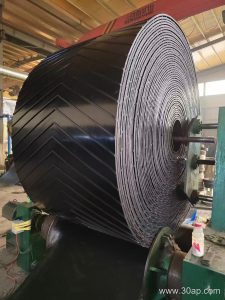
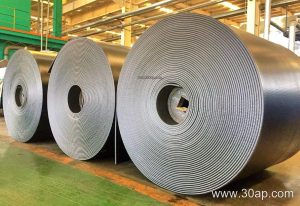
A fire resistant conveyor belt is a rubber conveyor belt designed to resist ignition and limit flame spread when it carries combustible bulk materials or runs in enclosed spaces. It is the same product often ordered as a flame retardant conveyor belt, and the two names describe the same fire safety function rather than two different belt families. The belt still has to pull, trough and track like any other belt; the difference lies in the rubber compound and the way the cover and core are built.
This matters most in coal mining, underground mining, power plants and cement plants where dust and sparks are present. A fire resistant conveyor belt is not a substitute for good housekeeping, but it gives a conveyor line an extra margin of safety when a heat source appears near the belt path.
How the Belt Is Built
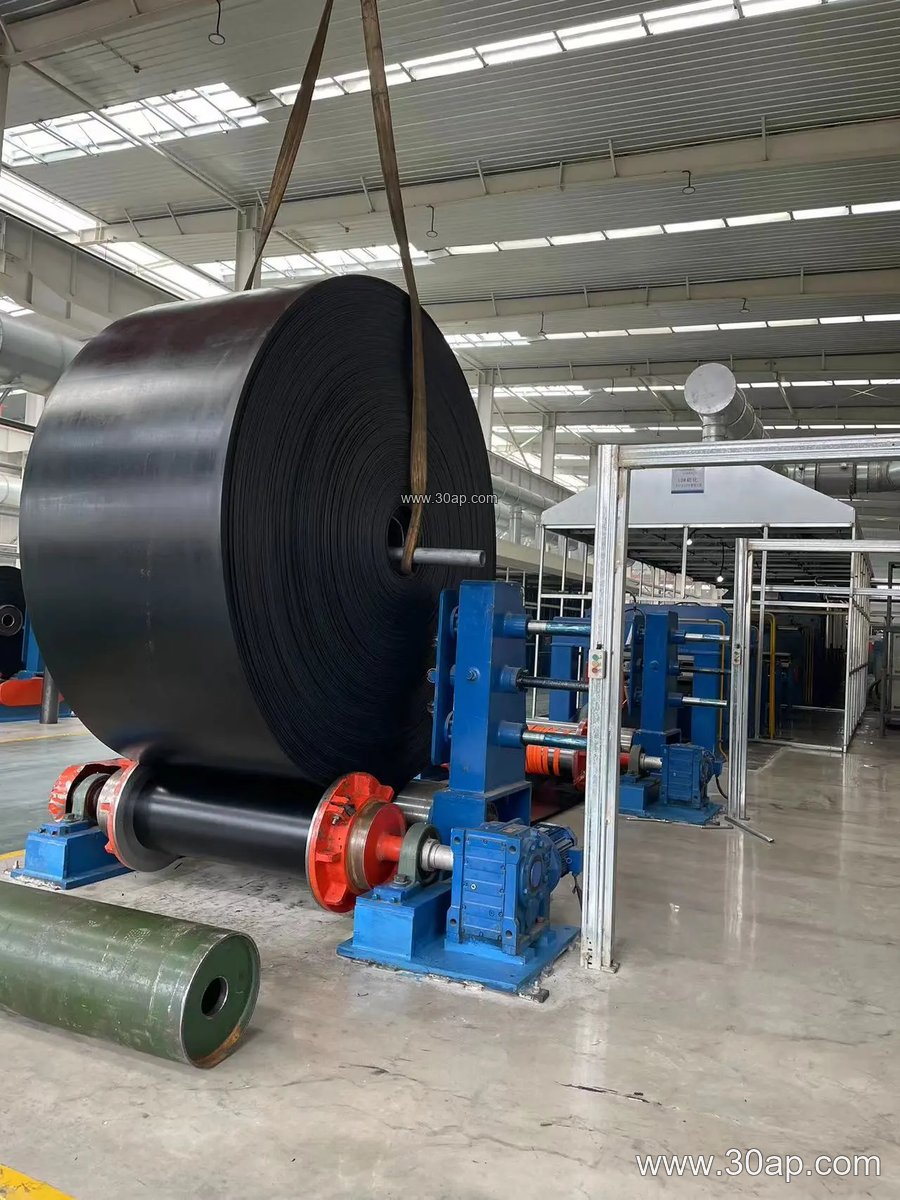
The construction follows the usual layered pattern. A fabric core carries the load, and rubber covers protect the core from abrasion, moisture and impact. Fire resistant grades use compounds formulated to resist flame propagation, and anti-static properties are often requested for the same working environment.
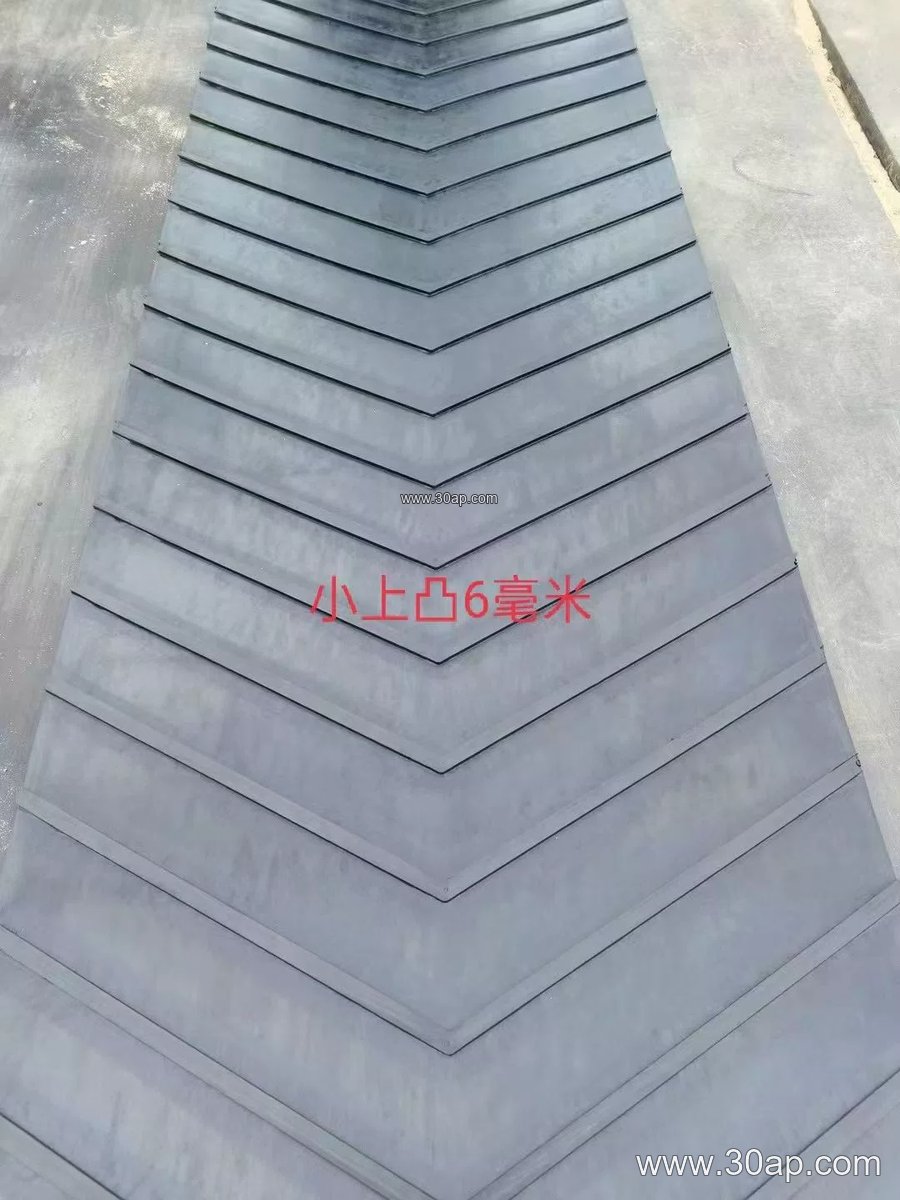
Buyers commonly choose between an EP conveyor belt and an NN conveyor belt for the core. EP fabric gives good strength retention and low stretch, while NN nylon fabric offers high tensile strength and good fatigue resistance. For long, high-tension lines, a steel cord conveyor belt may be selected instead. The fire resistant requirement applies to the cover compound and can be combined with other properties such as abrasion resistance or oil resistance.
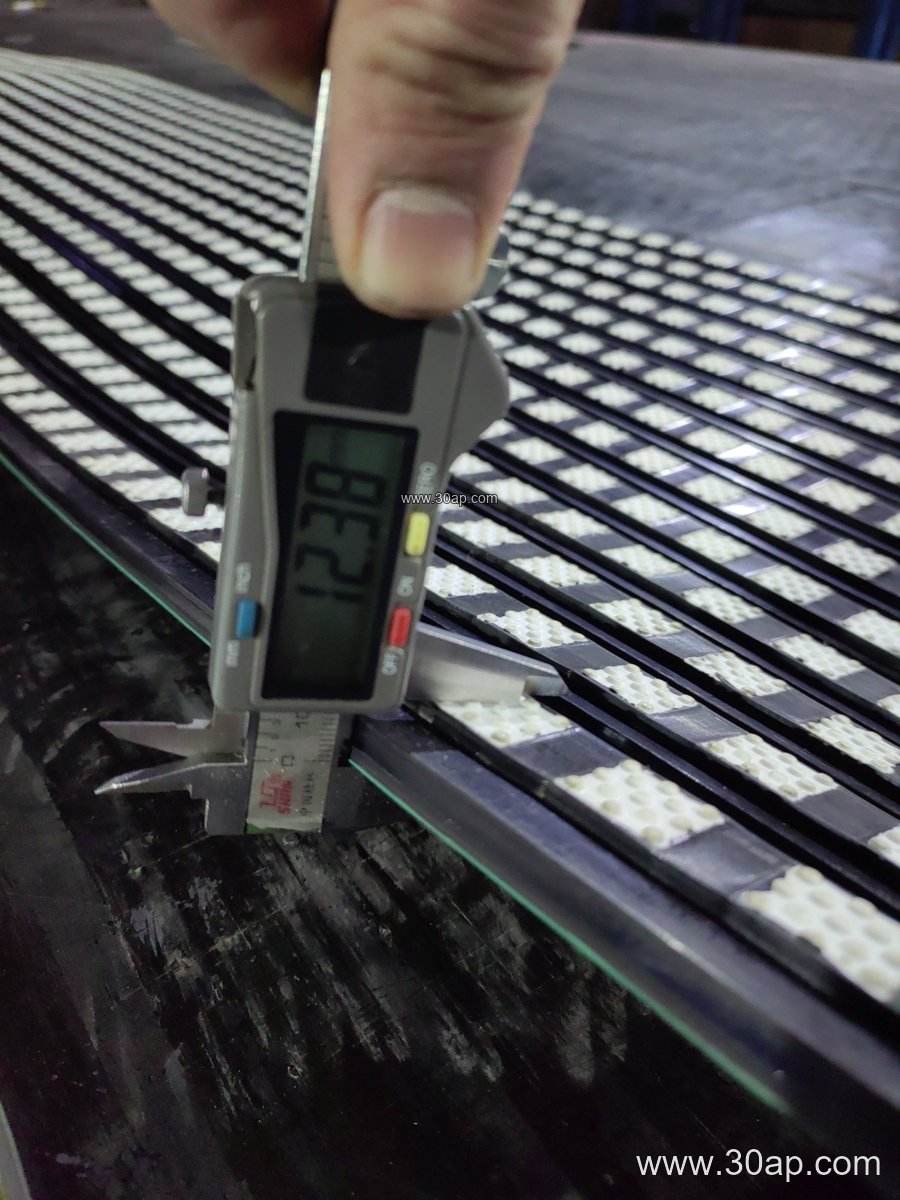
Typical reference values
The figures below are common reference points only. Actual values are confirmed by the manufacturer against the design of each conveyor.
| Property | Common reference |
|---|---|
| Fabric core types | EP200, EP315, EP400, EP500, EP630, EP800, EP1000, EP1250, EP1600, EP2000 |
| Core plies | 2 to 6 layers, depending on duty |
| Belt width | B500, B650, B800, B1000, B1200, B1400, B1600, B1800, B2000 |
| Cover thickness | 3+1.5, 4+2, 5+2, 6+2, 8+3 mm |
Where It Fits on the Conveyor
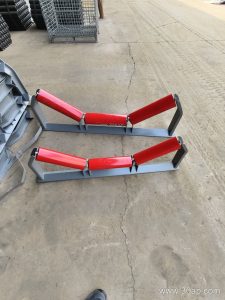
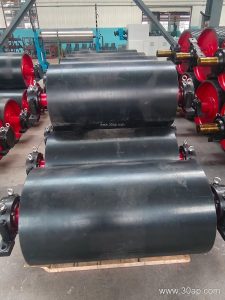
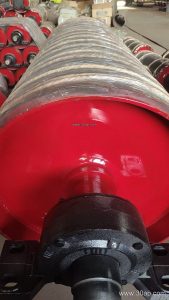
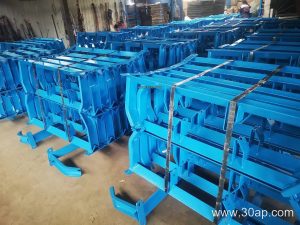
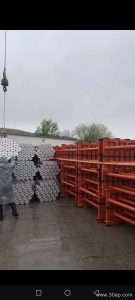
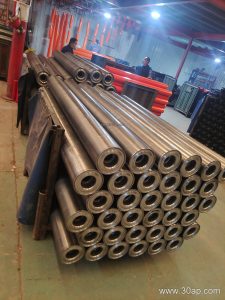
The belt runs over idler rollers that support the loaded strand, around a conveyor pulley at the head and tail, and is held in line by conveyor brackets and frames. Each of these parts has its own job, and they are not interchangeable: drive, tail and bend pulleys differ in function, and a belt’s fire rating does not change the pulley arrangement.
In a coal mining conveyor belt installation, the belt may run through tunnels and transfer points where ventilation is limited. In a power plant, it often handles coal from stockyard to bunker. Cement plants use similar belts for clinker and raw material, while quarry and aggregate lines may specify a flame retardant grade where hot work or engines are nearby.
Selection Points for Buyers
- Match belt strength to the actual tension and slope, not to a rule of thumb. A 1200mm wide belt may suit several pulley sizes depending on the layout.
- Confirm the fire safety requirement with the site’s risk assessment, and state whether anti-static behavior is also needed.
- Check cover thickness against impact and abrasion. A thick top cover helps at crusher discharge points.
- For heavy loads and long centers, compare fabric cores with a steel cord conveyor belt before deciding.
- Ask for the splice method and edge condition, since these affect belt life as much as the compound.
Maintenance and Safe Use
Inspect the belt regularly for edge damage, cover wear and exposed fabric. Worn covers reduce protection, and a damaged edge can allow moisture into the core. Keep idler rollers turning freely and check pulley lagging for wear; a seized roller creates friction heat that no belt compound can fully offset. Clean spillage around transfer points so combustible dust does not accumulate under the belt.
Store spare belts away from direct sunlight, oil and heat, and roll them correctly to avoid cracking. When joining a fire resistant conveyor belt, use a splice that keeps the flame resistant properties consistent across the joint.
For buyers comparing options, the practical question is not only which belt is fire resistant, but which fire resistant conveyor belt suits the tension, width, cover thickness and environment of the line. A well matched belt, combined with sound rollers, pulleys and brackets, keeps mining, cement and power plant conveyors running with fewer surprises.