What a Return Idler Bracket Does on a Conveyor
The return idler bracket is the component that holds the return idlers in place along the lower run of a conveyor belt. While the carrying side gets most of the attention, the return side quietly does its own work: it supports the empty belt after the material has been discharged, keeps the belt from sagging, and helps maintain proper tracking. A well-built return idler bracket, sometimes called a lower support bracket, is therefore essential for smooth operation in quarries, coal preparation plants, cement kilns, and power station coal yards.
This bracket is not a carrying idler bracket; it is specifically designed for the return strand. It mounts to the conveyor frame and positions either a single flat return idler or a pair of return idlers in a V configuration. The choice between flat and V-return depends on belt width, load conditions, and the need for belt training.
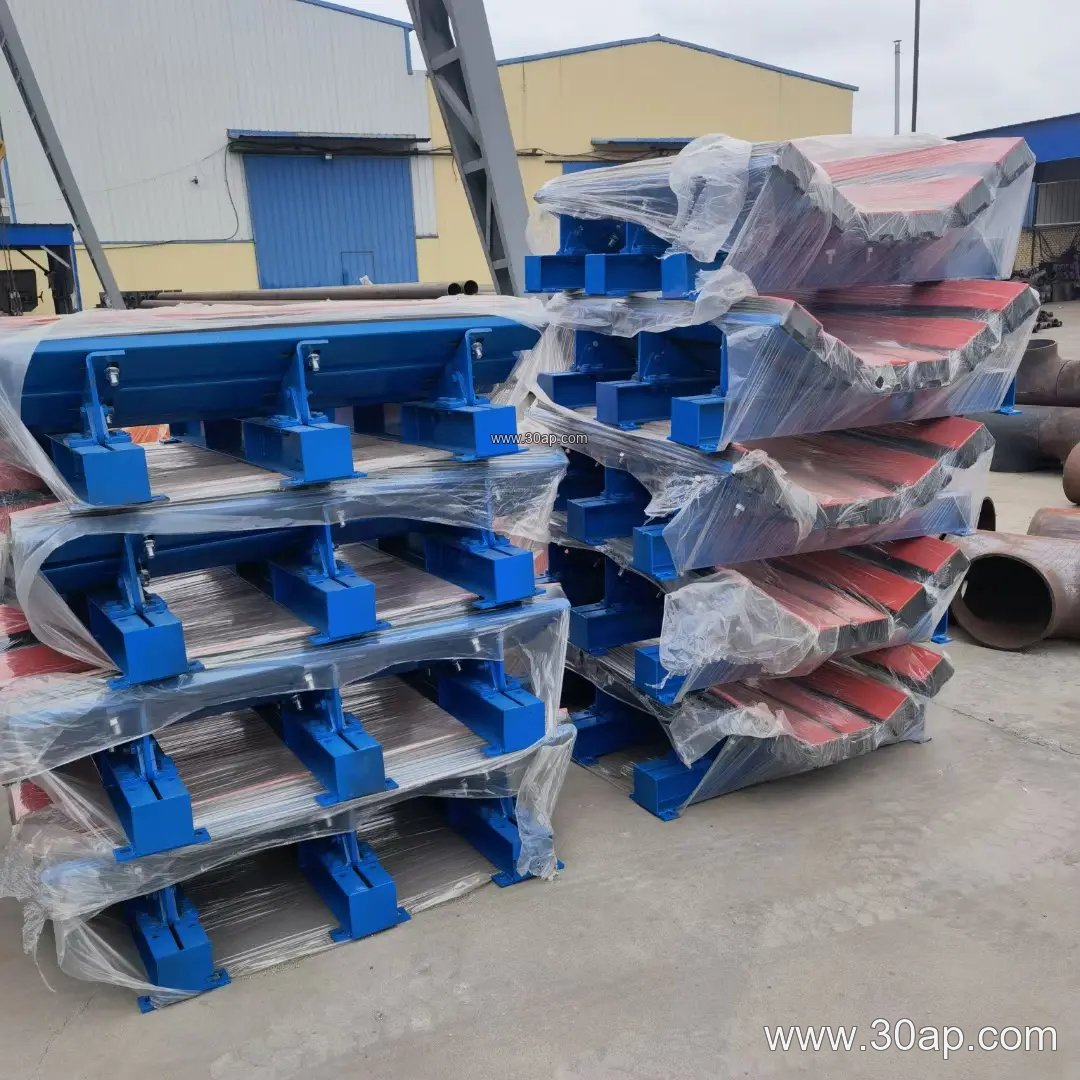
Construction and Materials
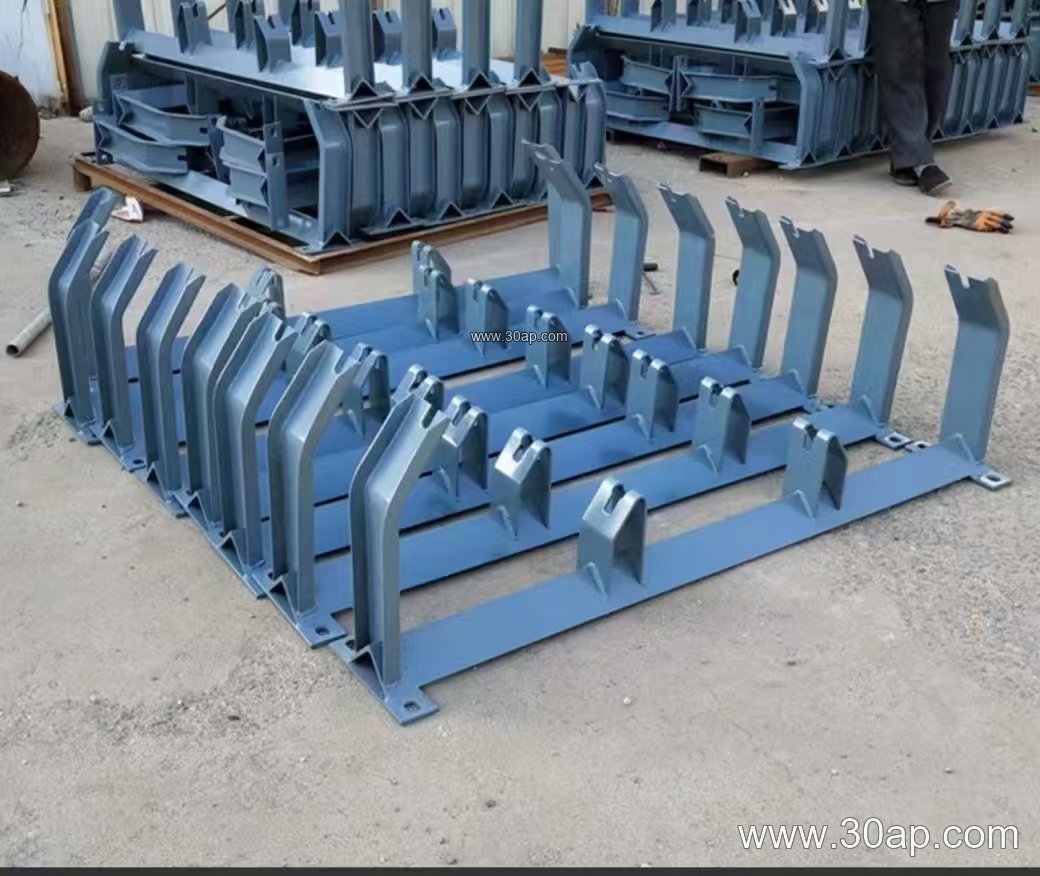
Most return idler brackets are fabricated from angle steel, channel steel, or folded steel plate. The material thickness and profile are selected according to the belt width and the weight of the return idler. A typical bracket includes mounting holes that align with the conveyor stringer, a cross member that spans the belt width, and a cradle or seat that accepts the idler shaft. Common surface treatments include painting or galvanizing to resist corrosion in dusty or damp environments.
The bracket must be rigid enough to prevent deflection under the idler load, yet precise enough to keep the idler square to the belt path. Poorly aligned brackets can cause the belt to train to one side, leading to edge damage and spillage. For this reason, many designs include slotted holes or adjustable features to fine-tune idler position during installation.
Where It Fits in the Conveyor Structure
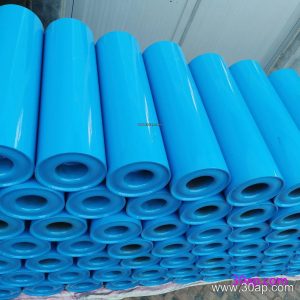
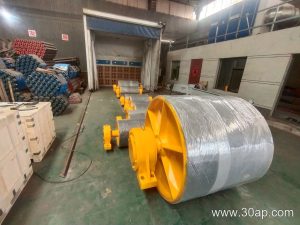
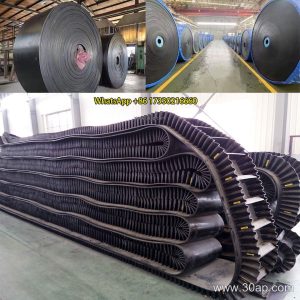
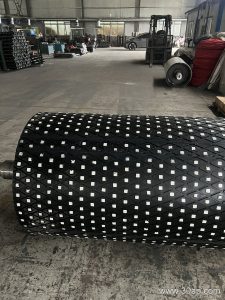
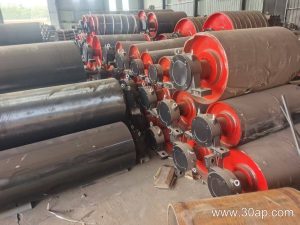
Return idler brackets are installed on the return run, usually spaced at regular intervals between the head pulley and the tail pulley. In a typical conveyor, you will find them just after the discharge point, along the middle section, and before the tail pulley. They work together with the conveyor pulley, the idler roller, and the conveyor belt to form a continuous support system. In a coal mining conveyor belt system, for example, the return brackets help control belt sag and reduce the risk of material buildup on the return side.
They are equally relevant in aggregate conveyor lines, crusher discharge conveyors, and ship loading conveyors. Wherever a conveyor belt runs empty, a return idler bracket is doing its job.
Matching Brackets to Belt Width and Idler Diameter
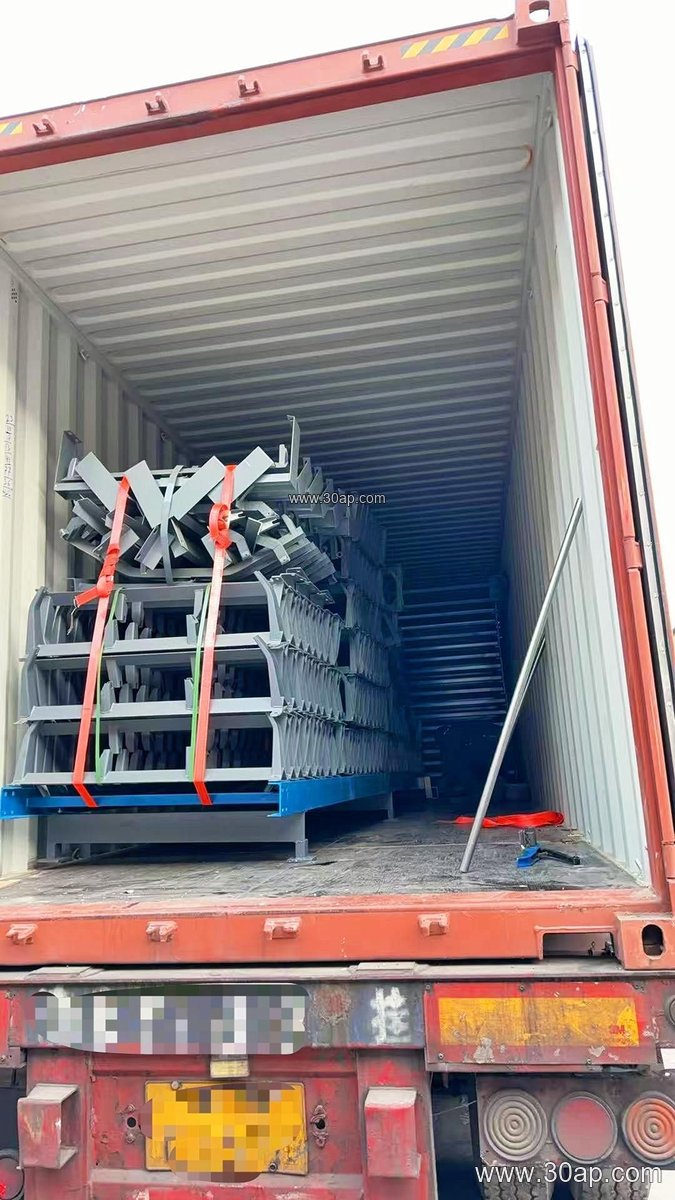
Return idler brackets are commonly offered to suit standard belt widths such as B500, B650, B800, B1000, B1200, B1400, B1600, B1800, B2000, B2200. The bracket’s cross member length and mounting hole spacing are usually determined by the belt width and the conveyor frame design. The idler diameter also matters: common return idler sizes include Ø89, Ø108, Ø133, Ø159, and Ø194. A bracket designed for a Ø108 idler will not properly seat a Ø159 idler without an adapter.
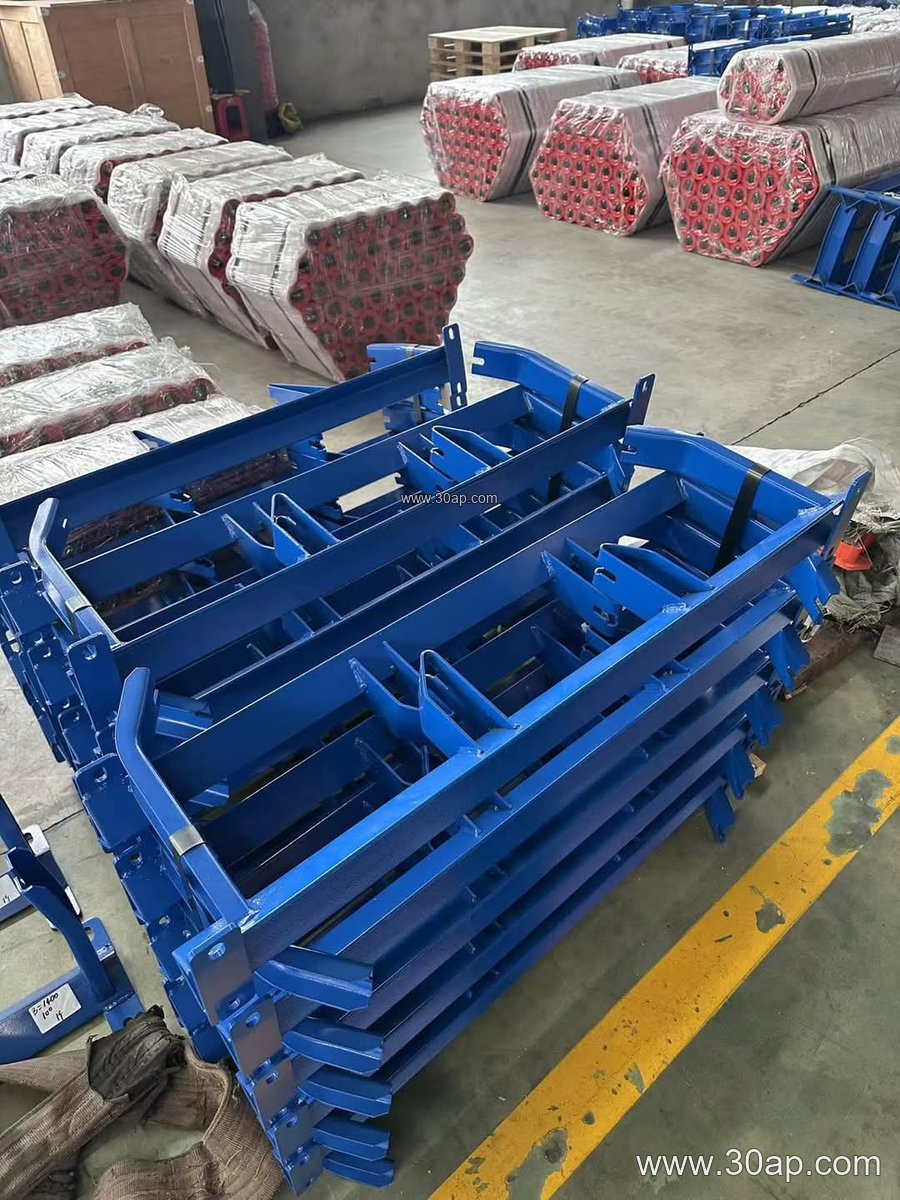
There is no fixed rule that one belt width must use one specific idler diameter. For example, a B800 conveyor might use Ø108 return idlers in a light-duty application, while a B1200 conveyor in a cement plant could use Ø133 or Ø159 idlers depending on belt speed and load. The bracket should be selected to match the actual idler shaft and the frame mounting pattern.
Flat Versus V-Return Brackets
A flat return bracket holds a single return idler horizontally. It is simple and works well for narrower belts or where belt training is not a major concern. A V-return bracket holds two idlers at an angle, forming a V shape that helps center the belt and shed loose material. In dusty operations such as a coal mining conveyor belt system or a quarry conveyor belt line, the V-return design can reduce buildup on the return side. The choice between flat and V-return is a design decision, not a universal rule.
Some operators also use adjustable return brackets that allow minor changes in height or angle to compensate for frame tolerances or belt slack. These are especially useful during commissioning or when replacing idlers of slightly different dimensions.
What Buyers Should Check
- Belt width and frame dimensions: Confirm the bracket’s cross member length and hole spacing match your conveyor stringer.
- Idler diameter and shaft size: Ensure the bracket seat fits the return idler you plan to use.
- Material and finish: For washdown or corrosive environments, consider galvanized or painted brackets.
- Adjustability: Slotted holes or adjustable designs can simplify alignment.
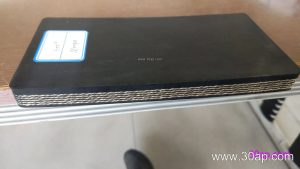
- Compatibility with belt type: Whether you run a rubber conveyor belt, an EP conveyor belt, or a steel cord conveyor belt, the return bracket only needs to support the belt’s weight and maintain tracking. The belt construction itself does not change the bracket’s basic function.
For more information on conveyor components, visit our product pages for conveyor belt, idler roller, and conveyor pulley. Our team can help you match return idler brackets to your specific conveyor design.