What an Anti-Static Conveyor Belt Does
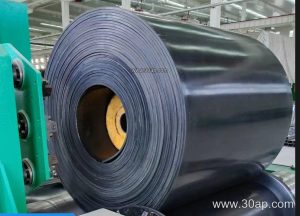
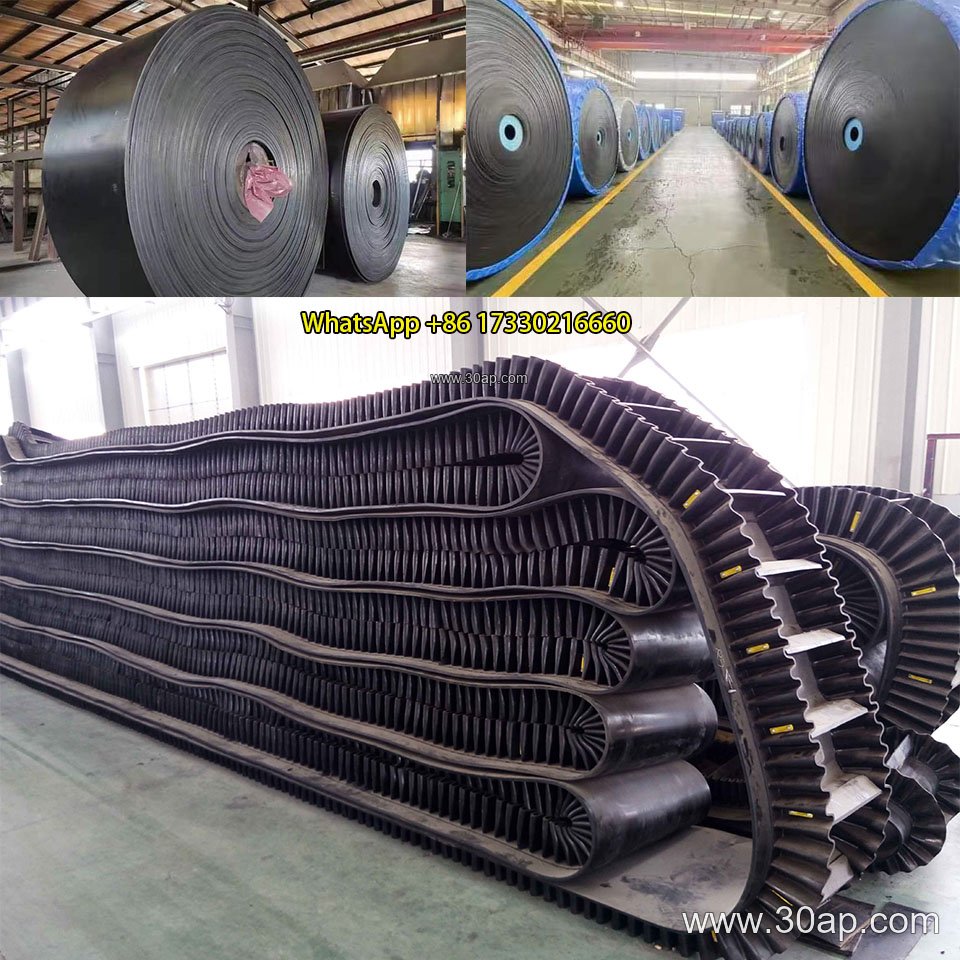
An anti-static conveyor belt is a fabric-cored rubber belt whose cover compound and construction are designed to bleed off electrostatic charge that builds up as material moves along the conveyor line. In a mine, coal preparation plant, cement mill, power station or sand and gravel yard, dry bulk moving at speed generates static on any belt surface. Where fine dust, coal powder or solvent vapour is present, that charge can discharge as a spark. A belt made for static dissipation gives the charge a controlled path to earth through the belt body, the conveyor pulley and the grounded frame.
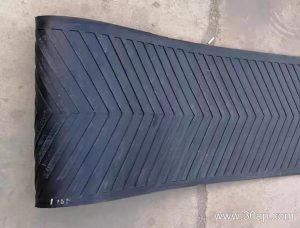
It is a functional variant of a standard Rubber Conveyor Belt rather than a separate product family. The carcass may be EP fabric, NN fabric or steel cord, and the anti-static property sits mainly in the cover compound and in the way the belt is finished and grounded.
How the Belt Is Built
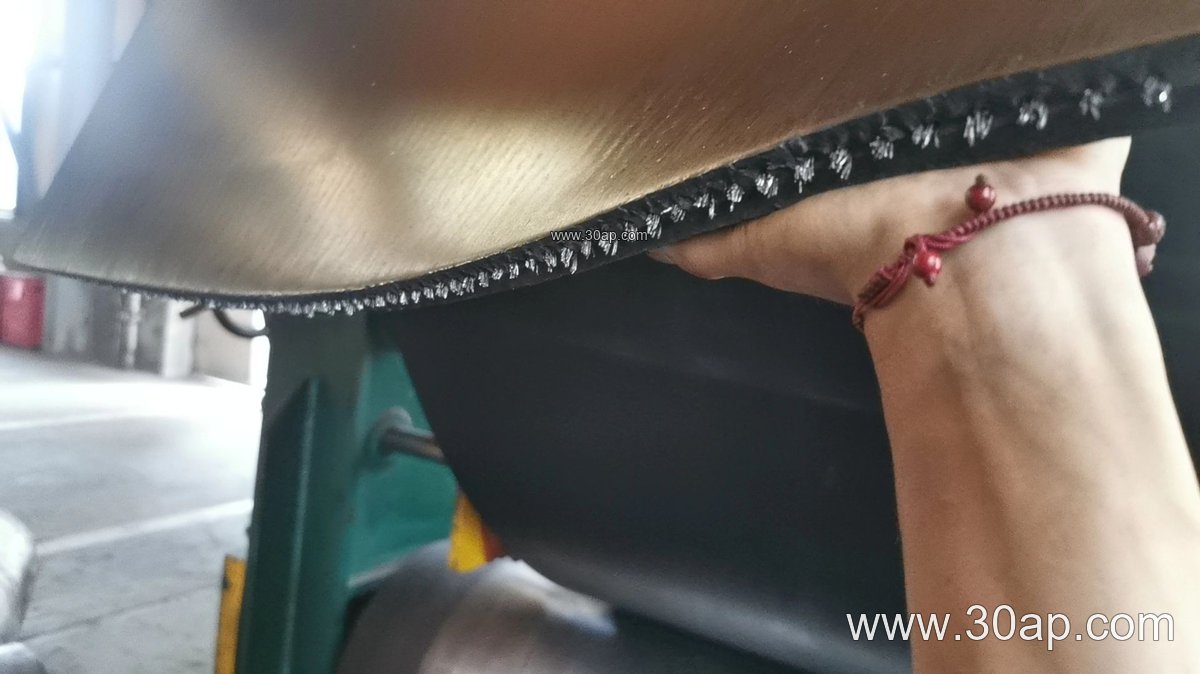
Most static-dissipative belts start from a Fabric Core Conveyor Belt with two to six plies, or from a heavier Steel Cord Conveyor Belt where tension is very high. The cover rubber is compounded with conductive carbon black or similar fillers so surface resistivity stays low enough to drain charge. Some designs also include a conductive layer or cord that links the covers to the pulley side.
Construction Elements
- Top and bottom cover rubber with controlled electrical resistance
- EP or NN fabric plies, or steel cord, carrying the tension load
- Conductive path from cover to cover so grounding at the pulley works
- Optional flame retardant and abrasion resistant compounds for mining duty
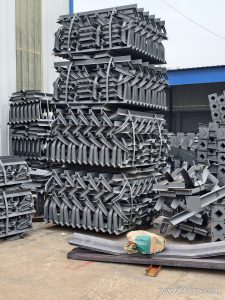
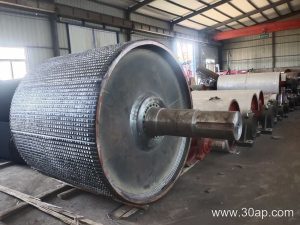
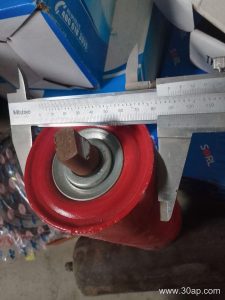
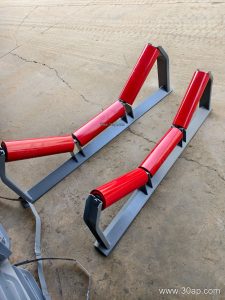
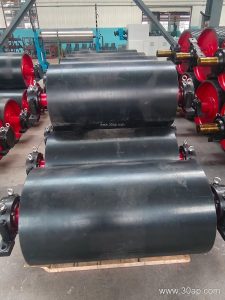
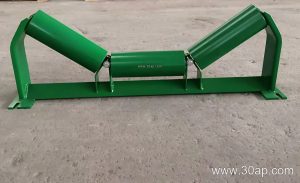
Because the belt only dissipates charge when the conveyor structure is earthed, the conveyor pulley, idler roller frames and conveyor bracket assemblies all need a clean ground connection. A static belt on an insulated frame will not solve the problem.
Typical Service Conditions
These belts are common in coal mining, underground coal mining, cement plants, power plant coal yards, fertilizer and chemical handling, and any quarry or aggregate conveyor moving dry, dusty material. In these locations a Flame Retardant Conveyor Belt or Fire Resistant Conveyor Belt specification is often requested together with static control, and a PVG Conveyor Belt is frequently chosen for underground coal faces where both properties matter.
Other duties call for a different emphasis. An Abrasion Resistant Conveyor Belt handles sharp crushed rock, a Heat Resistant Conveyor Belt suits clinker or sinter, and an Oil Resistant Conveyor Belt covers oily scrap or treated aggregate. Static control can be combined with most of these, but the compound formulation has to be balanced, so the duty should be stated clearly when ordering.
Common Reference Specifications
The figures below are typical reference values, not fixed supply promises. Actual belt design depends on the conveyor layout, material, troughing angle and pulley arrangement. Belt width and pulley diameter are selected together from the conveyor design, so a given width does not lock the belt to one pulley size.
| Property | Common Reference Range |
|---|---|
| Belt width | B500, B650, B800, B1000, B1200, B1400, B1600, B1800, B2000 |
| Fabric carcass strength | EP200, EP315, EP400, EP500, EP630, EP800, EP1000, EP1250 |
| Steel cord strength | ST1000 to ST3150 where high tension is required |
| Cover thickness | 3+1.5 mm, 4+2 mm, 5+2 mm, 6+2 mm, 8+3 mm |
| Ply count | Usually 2 to 6 plies for fabric cores |
A 1200mm wide belt on a coal yard conveyor and an 1800mm wide belt on a port ship loader may both use the same static-dissipative cover concept, but the carcass grade, cover thickness and grounding details will differ.
Buyer Checklist
- State the material, moisture level and dust hazard so the compound can be matched.
- Confirm whether flame retardancy is also required, since a Mining Flame Retardant Conveyor Belt specification often combines both properties.
- Check that the conveyor pulley, idler roller and frame are properly earthed before blaming the belt for static.
- Ask for the surface resistance test method and typical values, not just a label.
- Match cover thickness to impact and abrasion, for example 6+2 mm or 8+3 mm at a crusher discharge.
- Review splice type, since an Endless Conveyor Belt or vulcanised joint must preserve the conductive path.
Maintenance Notes
Static performance can degrade if the cover is heavily worn, coated with dry dust or contaminated with oil. Keep the belt surface reasonably clean, inspect the earth connections at the drive and tail pulleys, and check that the conveyor bracket and frame bolts are tight and free of rust insulation. Replace the belt when cover wear exposes the carcass, because the conductive path and the abrasion resistance both suffer.
For a full conveyor line, the belt works with the idler roller set, the conveyor pulley and the supporting structure. Selecting an anti-static belt is therefore a system decision, not just a rubber purchase.