What the PVG800 Belt Is
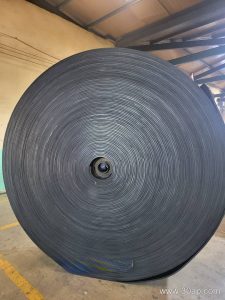
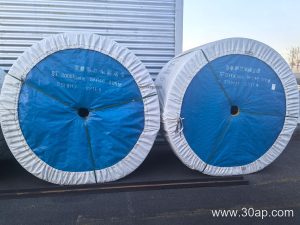
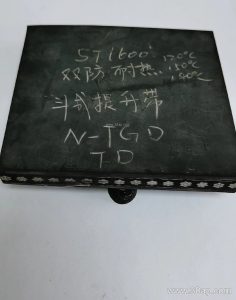
The PVG800 conveyor belt is a solid-woven, PVC-based belt with a polyvinyl chloride cover and a textile carcass. In coal mining and other underground operations, this construction is often described as a PVG conveyor belt, and the 800 designation refers to the belt’s tensile strength class rather than its width. It sits in the same family as solid woven PVC belting, but with a higher strength rating intended for main haulage and heavier loads. Buyers comparing it with multi-ply fabric belts, EP rubber belting, or steel cord belting should treat it as a distinct product, not a substitute for any of them.
How the Belt Is Built
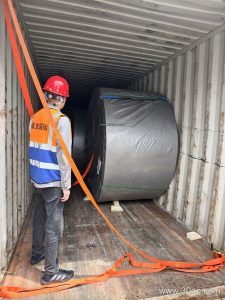
The carcass is a solid woven fabric, usually polyester and nylon, impregnated and coated with PVC to form a unified body. Because the plies are interwoven rather than stacked and bonded, the belt resists delamination and edge fraying better than many laminated constructions. The cover can be smooth or provided with profiles, and the belt is commonly produced as an endless conveyor belt for fixed-length installations where a vulcanized or mechanically joined splice is undesirable.
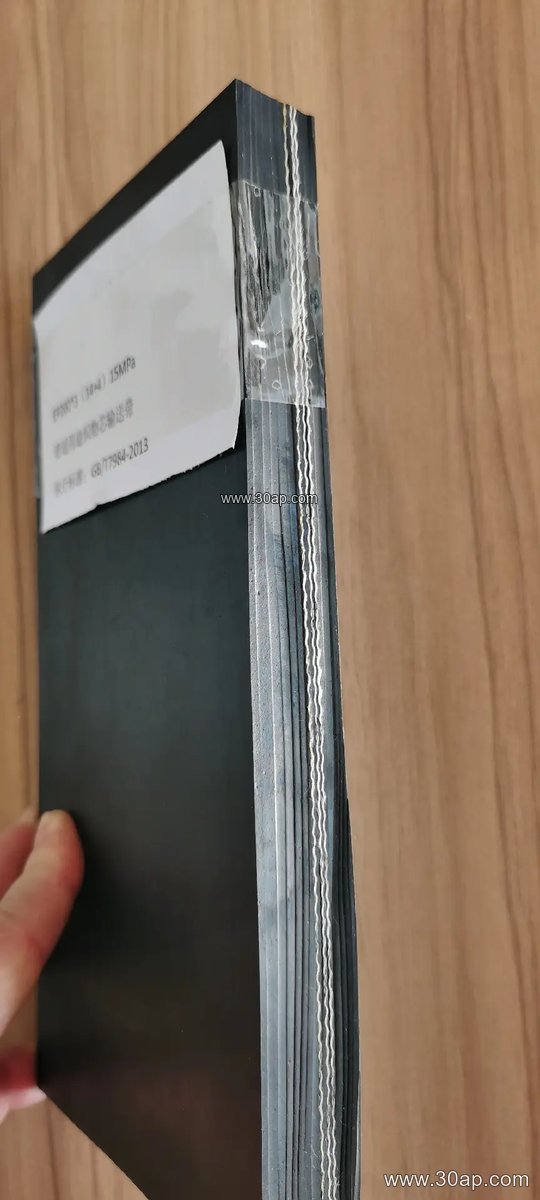
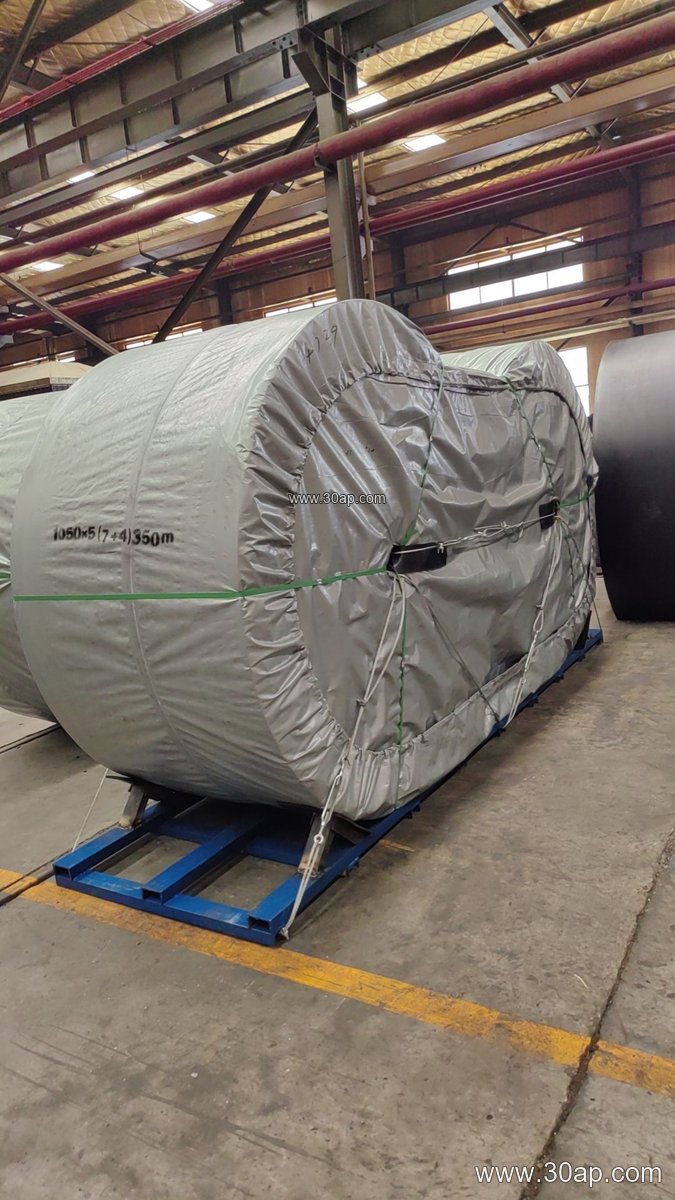
Typical construction data for this class are shown below. These are reference values; actual figures are set by the manufacturer and confirmed at order.
- Strength class: 800 (often written PVG800)
- Carcass: solid woven textile, PVC impregnated
- Cover material: PVC
- Common widths: 800 mm, 1000 mm, 1200 mm, 1400 mm
- Common thickness range: 8 to 14 mm depending on cover grade
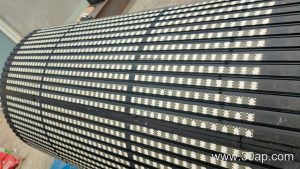
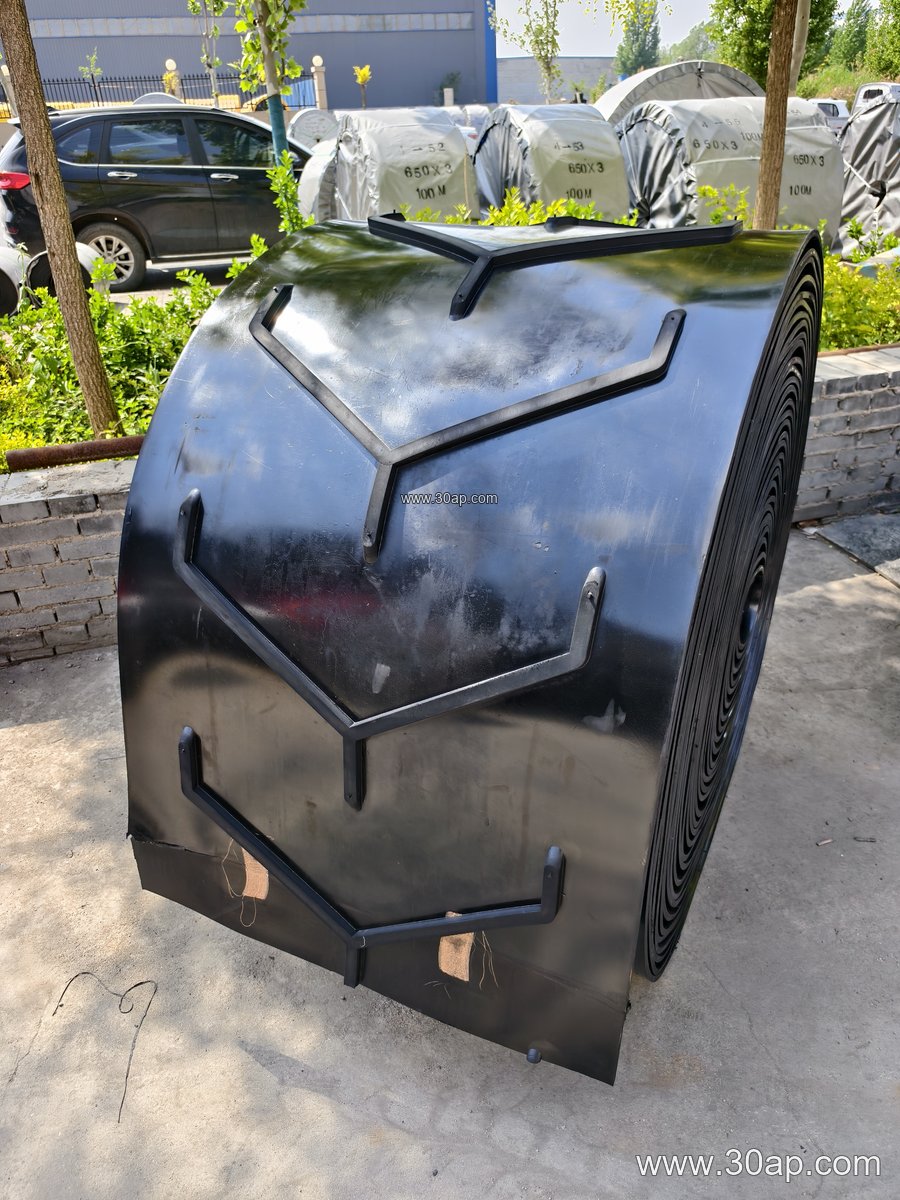
- Surface options: smooth, chevron, or with molded edges
A Note on the PVG800S Variant
The PVG800S conveyor belt is a related version within the same product family, typically differentiated by cover compound or surface treatment. It is not a different belt type, and the S suffix should be clarified with the supplier before selection.
Where It Fits in a Conveyor Line
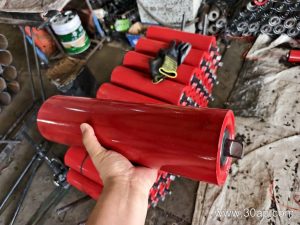
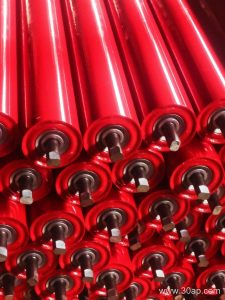
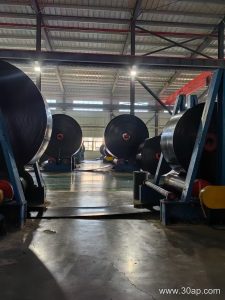
This belting is most at home in underground coal mining conveyor systems, where flame retardant and anti-static properties are usually required. It also appears in power plant coal handling, cement plant raw material transport, and quarry or aggregate duty where a robust but relatively lightweight belt is preferred. In these circuits the belt runs over idler rollers, wraps the head and tail conveyor pulleys, and is supported by conveyor brackets and frames along the route.
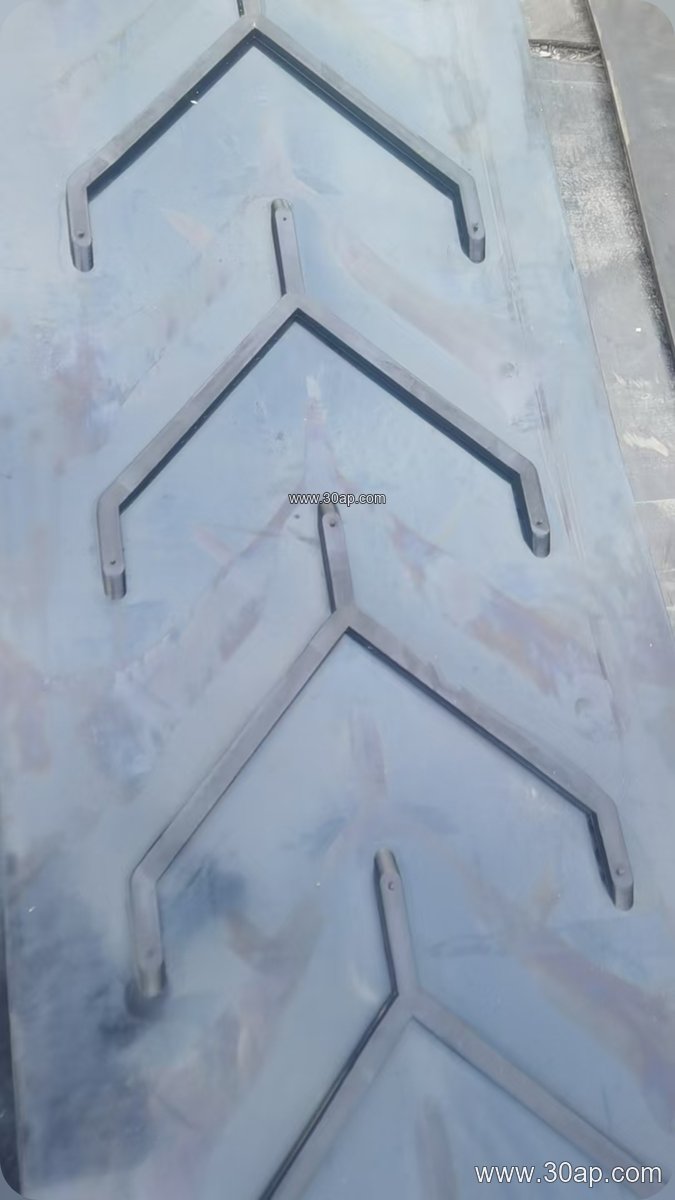
The belt is often chosen for its balance of strength, abrasion resistance, and fire performance. Where loads are extremely heavy or the route is very long, a steel cord conveyor belt may be the better answer; where oil or high heat is present, an oil resistant conveyor belt or heat resistant conveyor belt is more appropriate. For uphill sections, a chevron conveyor belt or corrugated sidewall belt can prevent material rollback.
Selection and Use Notes
Choosing the right PVG800 belt starts with the duty, not the width alone. A 1000 mm or 1200 mm belt is common in main gate and panel belts, but the drive power, troughing angle, and material lump size all influence the final choice. Belt width and pulley diameter are matched through conveyor design calculations, so a given width does not lock in one pulley size.
- Confirm the required flame retardant and anti-static grade for the mine or plant.
- Check cover thickness against lump size and impact points.
- Review splice method and whether an endless belt is required.
- Inspect idler roller alignment and pulley condition to avoid edge damage.
- Store belts away from heat, oils, and direct sunlight before installation.
For buyers sourcing belting for mining, cement, or bulk material handling, matching the belt class to the conveyor’s calculated tension is the first step. A PVG800 belt is a practical option for medium to heavy duty service, but it should always be specified with the full conveyor data in hand. Consulting an experienced supplier about PVG800 conveyor belt options, together with the correct pulley and idler roller setup, helps keep the system running smoothly.