What Is a Conveyor Rubber Lagged Pulley?
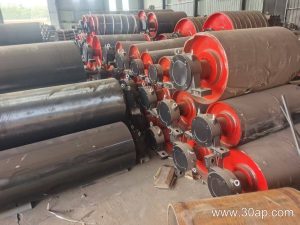
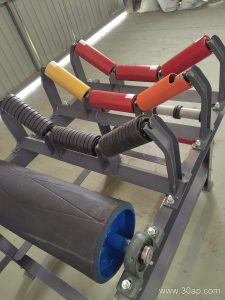
A conveyor rubber lagged pulley is a core component in belt conveyor systems, featuring a rubber layer bonded to the pulley shell to improve traction and protect the belt. This type of conveyor pulley is essential in industries such as mining, coal preparation, cement plants, power generation, and aggregate operations. The rubber lagging enhances friction between the pulley and the conveyor belt, reducing slip and extending service life. When selecting a lagged pulley, buyers often consider factors like belt width, pulley diameter, lagging thickness, and surface pattern to match their specific application.
Construction and Key Features
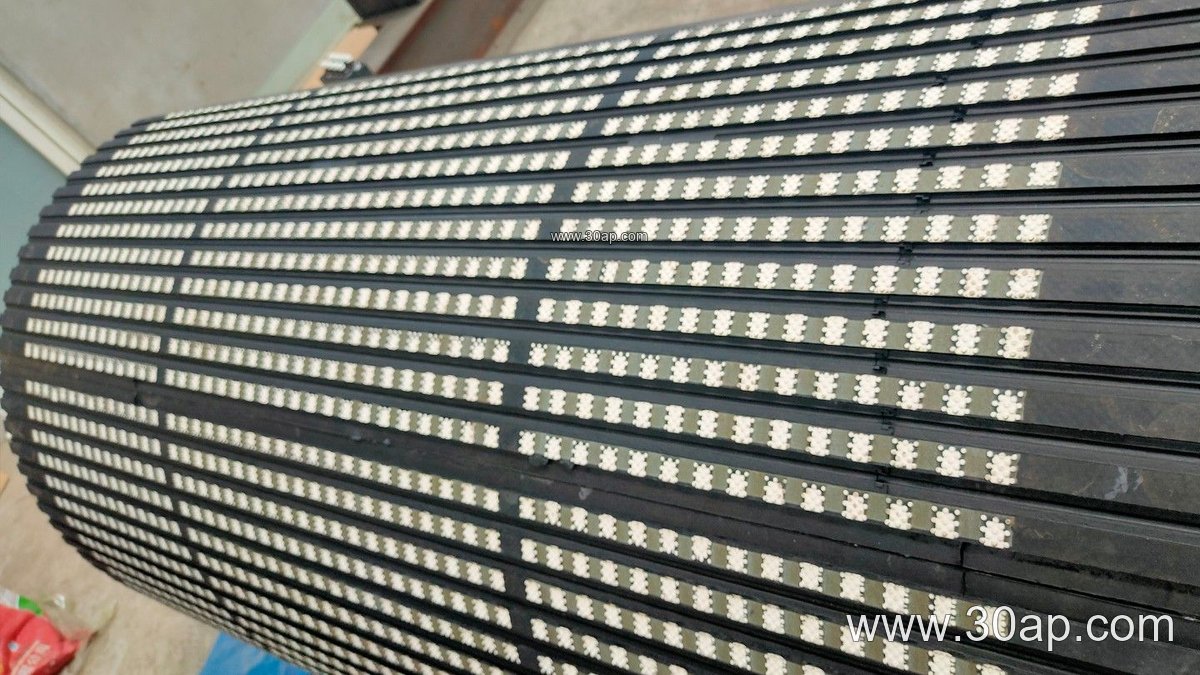
The pulley body is typically made of steel, with a shaft sized according to torque and load requirements. Common shaft diameters range from Ø50 to Ø200 mm, but these are determined by design, not by belt width alone. The rubber lagging is applied through cold bonding, hot vulcanization, or casting, and may feature plain, diamond, or herringbone patterns. Lagging thickness commonly varies from 8 mm to 20 mm. The pulley face width usually exceeds the belt width to ensure proper tracking; for example, a B800 belt often pairs with a pulley face around 950 mm. However, there is no fixed rule that a specific belt width must match a single pulley diameter—combinations like B800 × Ø500 or B1200 × Ø1000 are common but not universal.
Where It Is Used
Rubber lagged pulleys are found in drive, tail, and bend positions on conveyors handling bulk materials. In a coal mining conveyor system, a drive pulley with diamond lagging provides reliable grip under wet or dusty conditions. In a cement plant, bend pulleys with plain rubber lagging help maintain belt alignment on long overland conveyors. The lagging also protects the pulley shell from wear and reduces material buildup. For abrasive environments like iron ore or copper ore handling, a high abrasion resistant conveyor belt may be used alongside a lagged pulley to maximize system durability.
Types and Surface Options
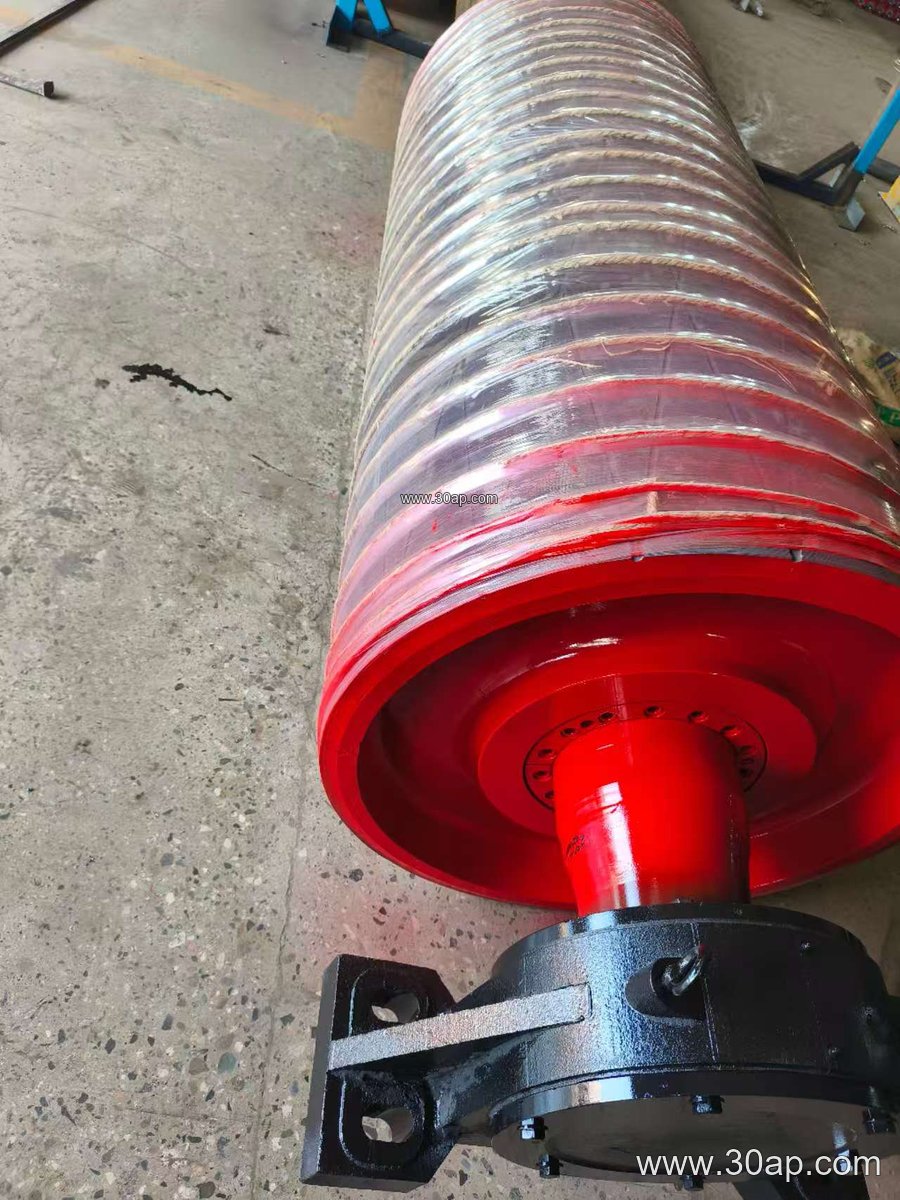
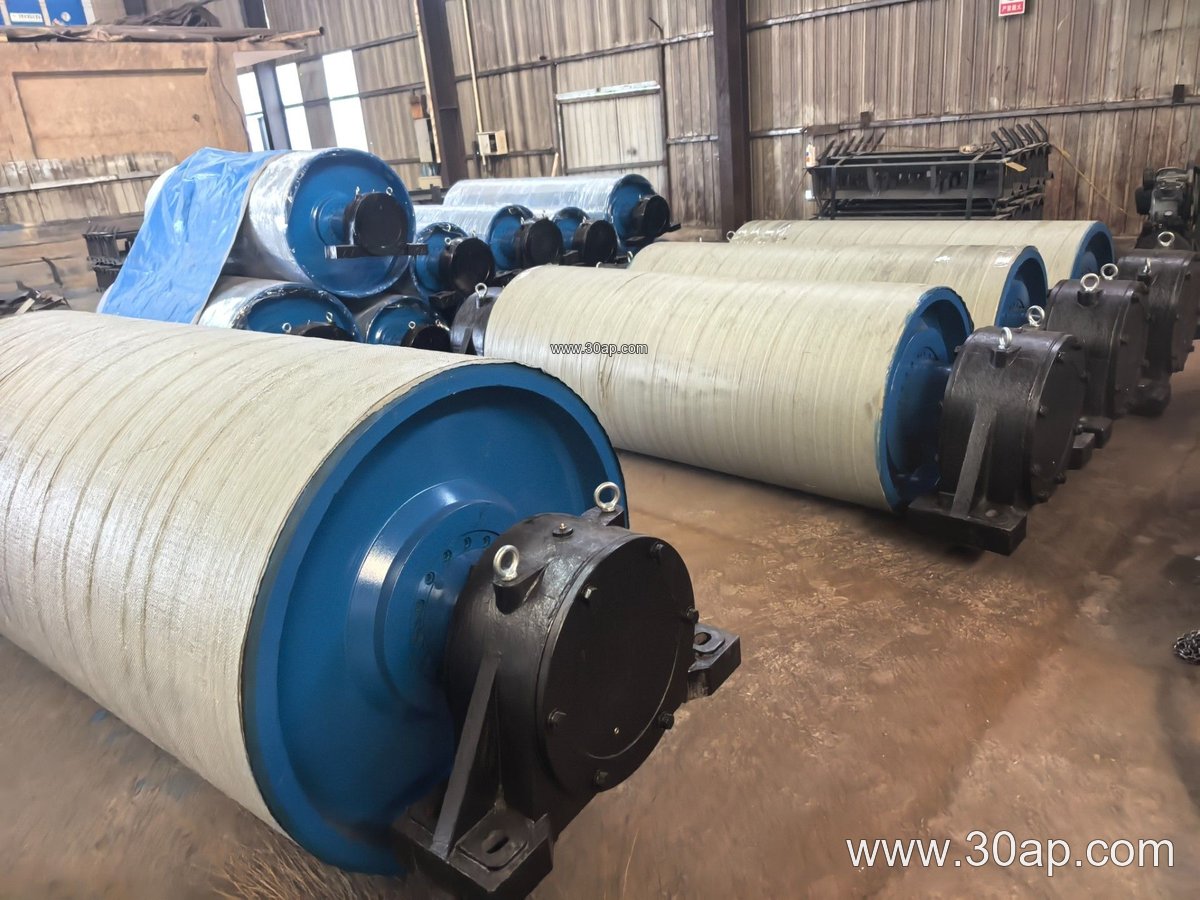
While drive, tail, and bend pulleys serve different functions, they are not interchangeable. A drive pulley transmits power and often requires aggressive lagging, whereas a bend pulley guides the belt and may use a smoother surface. The table below lists common pulley types and typical surface forms; note that these are general references, not mandatory specifications.
| Pulley Type | Typical Surface Form | Common Lagging Thickness |
|---|---|---|
| Drive Pulley | Diamond, herringbone, plain | 10–20 mm |
| Tail Pulley | Plain, diamond | 8–15 mm |
| Bend Pulley | Plain | 8–12 mm |
| Take-up Pulley | Plain, diamond | 10–15 mm |
Other surface options include ceramic lagging for extremely high-wear areas and cold-bonded rubber for easier installation. The choice depends on belt tension, material characteristics, and environmental conditions.
Selection and Maintenance Tips
When choosing a conveyor rubber lagged pulley, consider the conveyor belt type and load. For heavy-duty mining conveyor belts or steel cord conveyor belts, a robust drive pulley with thick lagging is often necessary. In food or clean environments, a food grade conveyor belt may require a pulley with smooth, non-toxic lagging. Regular inspection of lagging wear, bolt tightness, and belt tracking helps prevent downtime. Remember that pulley diameter and shaft size should be determined by engineering calculations, not by simple rules of thumb. For assistance with specific configurations, consult reliable suppliers or refer to industry resources like rubber conveyor belt and pulley specialists.
Conclusion
A conveyor rubber lagged pulley is a critical investment for efficient belt conveyor operation. By understanding its construction, applications, and selection criteria, buyers can make informed decisions that enhance productivity and reduce maintenance costs across mining, cement, power, and aggregate industries.