What a Rubber Conveyor Belt Is
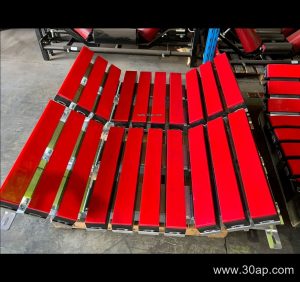
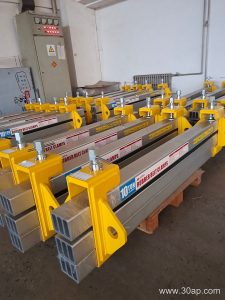
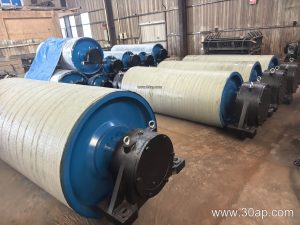
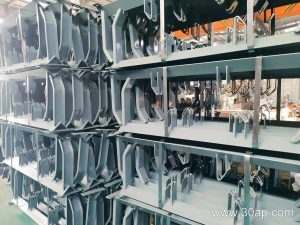
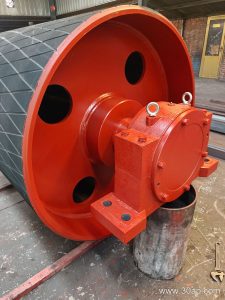
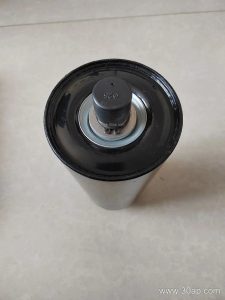
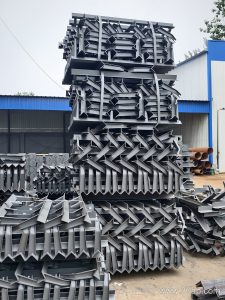
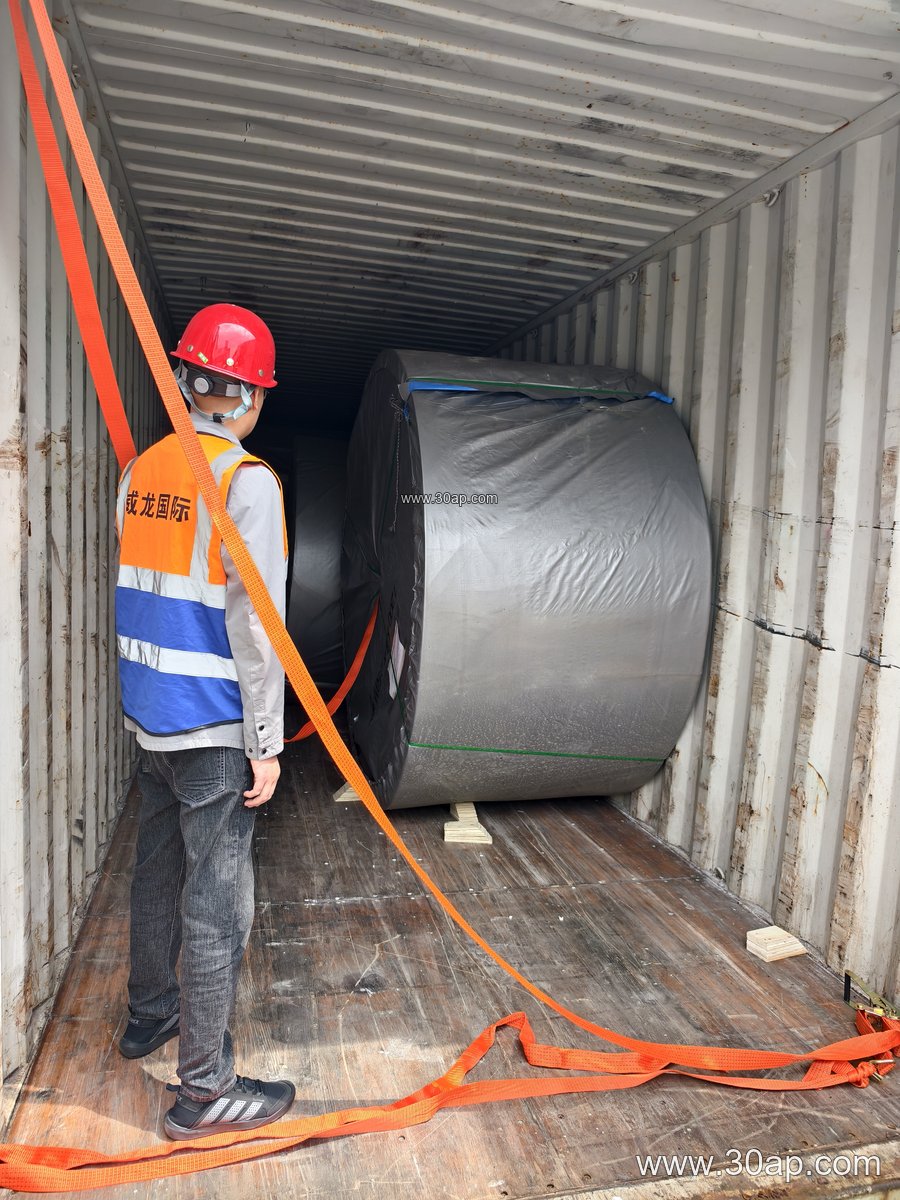
A rubber conveyor belt is the load-bearing loop that moves bulk materials along a conveyor system. Its rubber covers protect the internal carcass from abrasion, impact, moisture, and temperature extremes, while the carcass provides tensile strength and trackability. In mining, cement, power, and aggregate operations, this belt works alongside conveyor pulleys, idler rollers, and conveyor brackets to keep material flowing. The term rubber conveyor belt often refers to fabric-reinforced or steel cord constructions, and the right choice depends on the duty and environment.
Construction and Core Types
Most rubber belts combine a top cover, a bottom cover, and a reinforcement layer. Fabric Core Conveyor Belt designs use multiple plies of EP or NN fabric, while Steel Cord Conveyor Belt uses parallel steel wires for high tension and long runs. A Multi-Ply Fabric Core Conveyor Belt is common in general bulk handling, and an EP Conveyor Belt is widely used where low stretch and moisture resistance matter.
- EP Conveyor Belt: polyester-nylon fabric carcass, good for moderate to high tension.
- NN Conveyor Belt: nylon-nylon carcass, flexible and impact tolerant.
- Steel Cord Conveyor Belt: high strength for long overland and high-lift systems.
- PVC or PVG Conveyor Belt: solid-woven or composite carcass for underground and flame-retardant duties.
Cover compounds are selected for the job. Abrasion Resistant Conveyor Belt grades suit crusher discharge and quarry rock, Heat Resistant Conveyor Belt grades handle cement clinker or sinter, and Oil Resistant Conveyor Belt grades resist hydrocarbon contact. Flame Retardant Conveyor Belt and Anti-Static Conveyor Belt constructions are often specified for coal mining and underground mining conveyors.
Common Specifications and Sizes
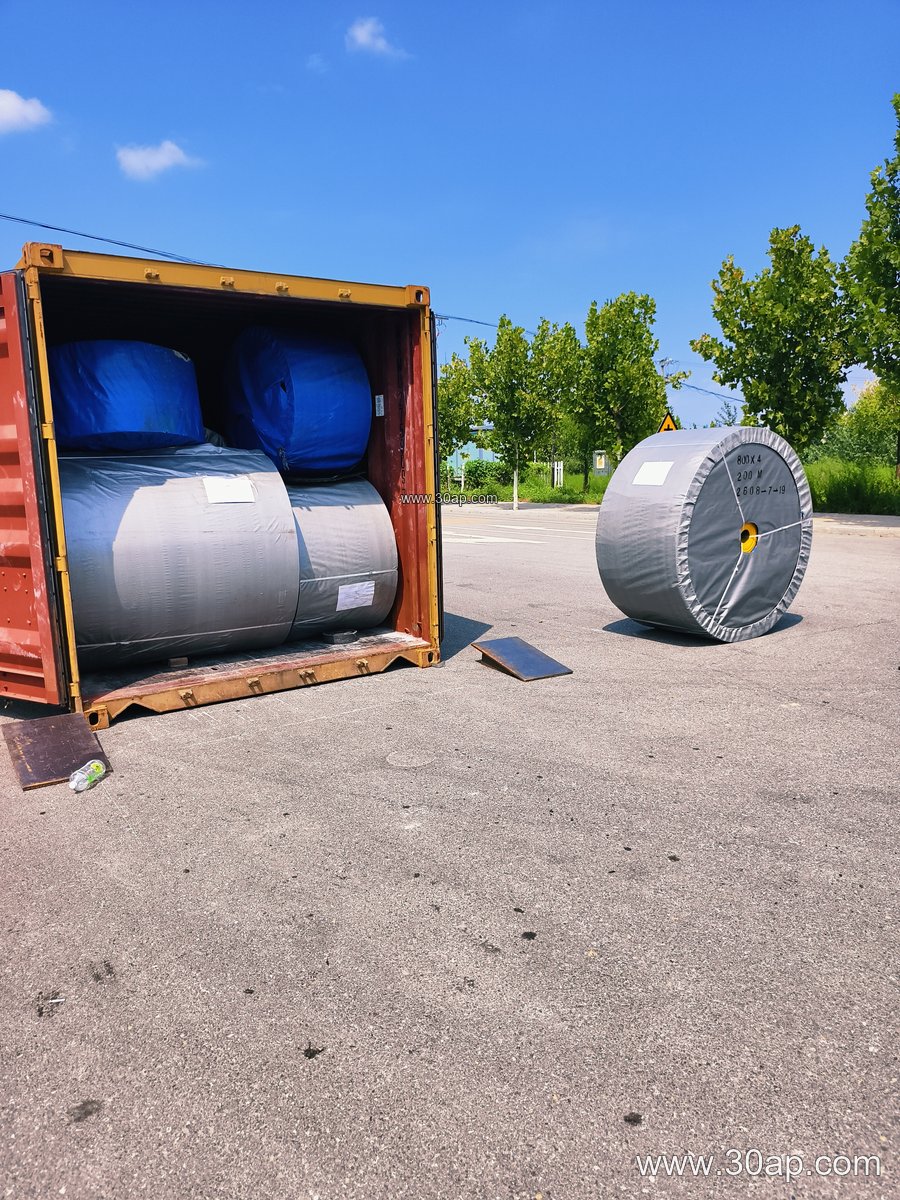
Belt width, carcass strength, and cover thickness are the main selection parameters. The values below are typical reference ranges, not fixed supply promises; final specifications are confirmed by design and manufacturer data.
| Parameter | Common reference values |
|---|---|
| Belt width | B500, B650, B800, B1000, B1200, B1400, B1600, B1800, B2000 |
| EP strength grades | EP200, EP315, EP400, EP500, EP630, EP800, EP1000, EP1250, EP1600, EP2000 |
| Cover thickness (top + bottom) | 3+1.5 mm, 4+2 mm, 5+2 mm, 6+2 mm, 8+3 mm |
| Fabric plies | 2 to 6 plies, depending on strength class |
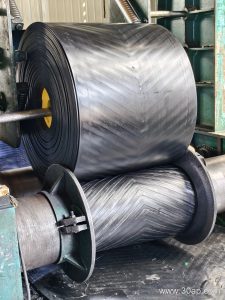
Special profiles include Chevron Conveyor Belt for inclined haulage, Corrugated Sidewall Conveyor Belt for steep angles, and Pipe Conveyor Belt for dust-tight routing. These are not replacements for a standard rubber belt; they solve specific geometry or environmental problems.
Where It Is Used
Rubber belts appear across many industries. In a coal mining conveyor, flame-retardant and anti-static properties are often required. A cement plant conveyor handles limestone, clinker, and additives, where heat and abrasion resistance matter. Power plant conveyor systems move coal and ash, while quarry and aggregate operations rely on abrasion-resistant covers and impact-resistant carcasses. Port and ship loading conveyors use wide belts, sometimes 1200mm wide conveyor belt or 1500mm wide conveyor belt constructions, to match high throughput. Other applications include steel plants, sand making plants, recycling lines, and food processing where a Food Grade Conveyor Belt is needed.
Buyer Checklist
Before ordering, define the material type, lump size, throughput, incline angle, and ambient conditions. Check whether the belt will run on standard conveyor pulleys with idler rollers and conveyor brackets, or whether a special profile is needed. Confirm the required cover grade, carcass strength, and belt width with the system designer. For underground coal mining, specify flame retardant and anti-static properties clearly. For high-temperature service, verify the actual material temperature and cooling conditions. Ask for the recommended splice method and minimum pulley diameter for the selected carcass. A well-matched rubber conveyor belt reduces downtime and extends service life in demanding mining and bulk material handling environments.