What a Copper Ore Conveyor Belt Has to Handle
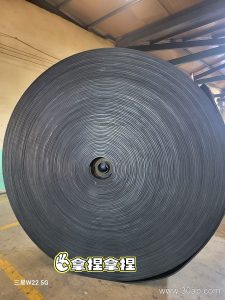
Copper ore is heavy, sharp-edged and often damp when it leaves the crusher. A Copper Ore Conveyor Belt therefore sits at the demanding end of the bulk material handling spectrum: it must resist cutting and gouging from lump ore, carry high tonnages on a continuous basis, and keep a stable tracking path through transfer points and inclined sections. The same belt family is often used in quarry, aggregate and iron ore circuits, but copper duty usually means paying closer attention to impact resistance and abrasion resistance than to pure tensile strength alone.
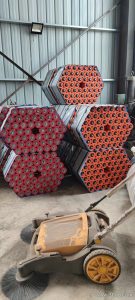
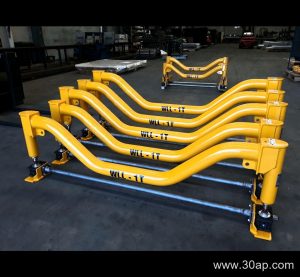
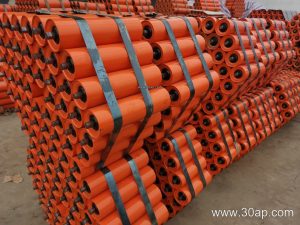
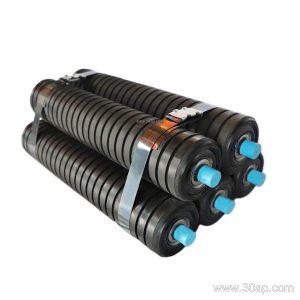
In practice, the belt is only one part of the circuit. It runs over idler rollers, wraps the head and tail pulleys, and is supported by a steel conveyor bracket frame. A well-matched system spreads load evenly and keeps the belt cover from wearing in narrow strips.
Construction of the Belt
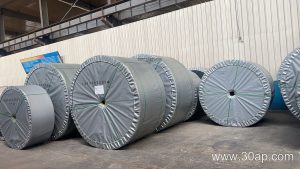
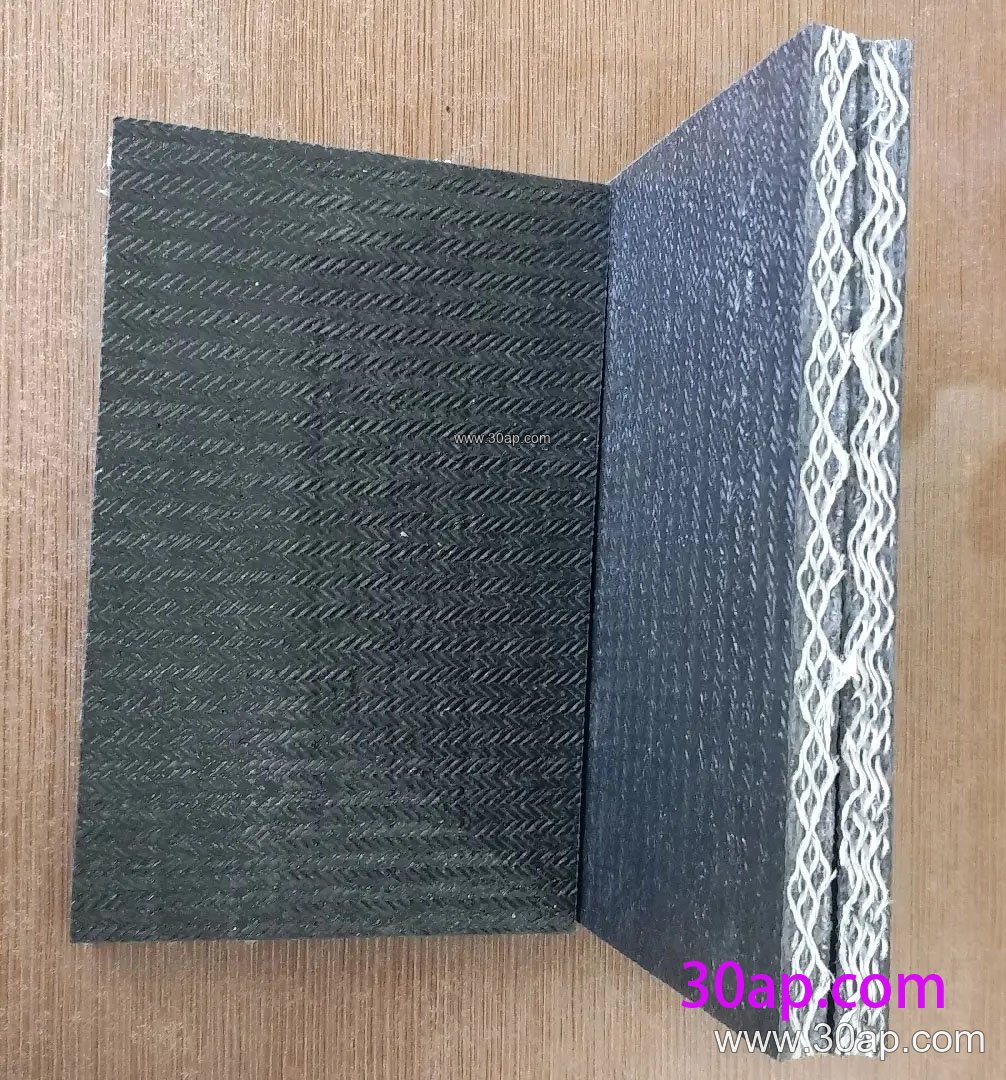
Most copper ore duties are served by a fabric-cored belt, typically an EP Conveyor Belt or an NN Conveyor Belt. EP fabric (polyester warp, nylon weft) offers low stretch and good troughability, while NN nylon fabric gives high flexibility and excellent resistance to repeated flexing. For very long overland lines or high lift conveyors, a Steel Cord Conveyor Belt may be chosen instead, because steel cord carcass carries far greater tension in a single plane.
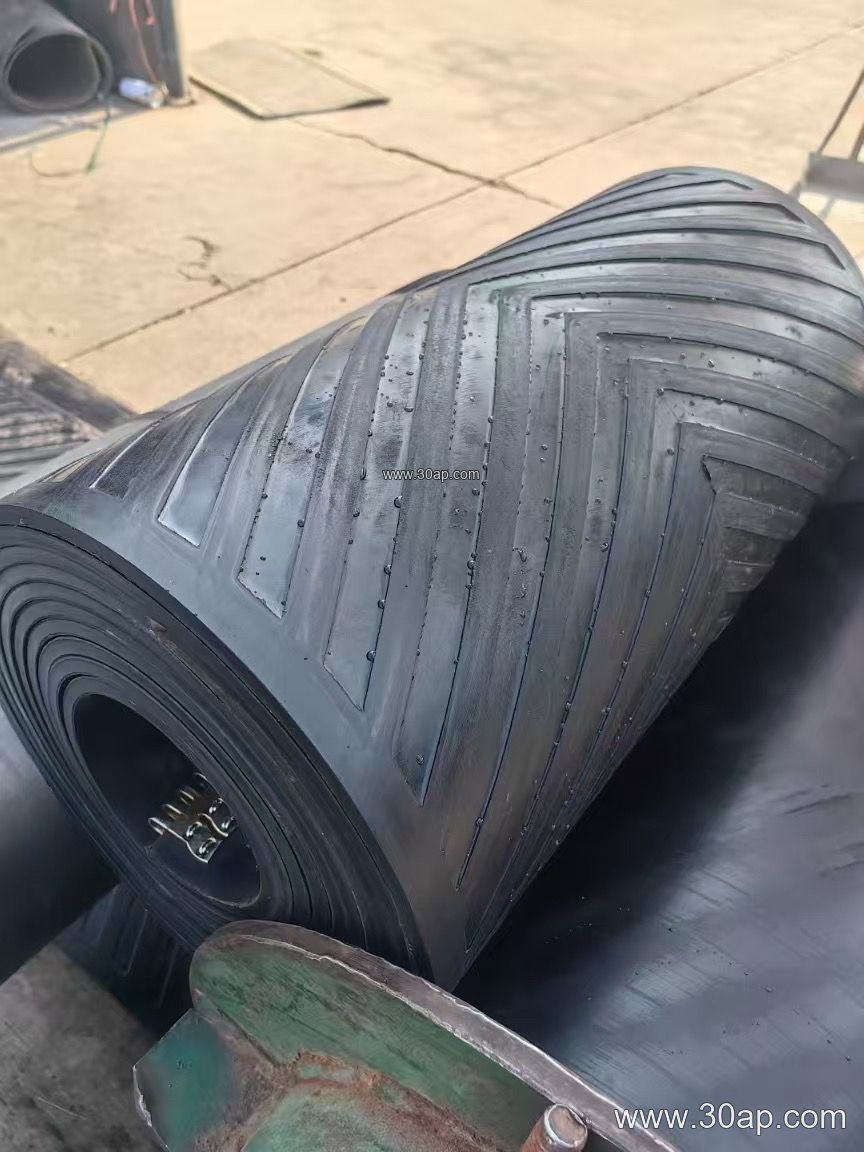
The carcass is protected by rubber covers. Top cover thickness is usually selected for impact and abrasion, with common combinations such as 5+2 mm, 6+2 mm or 8+3 mm for primary crushed ore. Bottom cover is often thinner, but still needs enough rubber to protect the carcass from idler contact and pulley wear.
Typical reference data (not a fixed supply promise)
- Fabric types: EP200, EP315, EP400, EP500, EP630, EP800, EP1000, EP1250, EP1600, EP2000
- Nylon types: NN100, NN200, NN300, NN400
- Steel cord types: ST1000, ST1250, ST1600, ST2000, ST2500, ST3150
- Belt widths: B500, B650, B800, B1000, B1200, B1400, B1600, B1800, B2000
- Cover combinations: 3+1.5, 4+2, 5+2, 6+2, 8+3 mm
- Carcass plies: commonly 2 to 6 layers for fabric belts
These figures are reference points. Final selection depends on lump size, drop height, throughput, trough angle, pulley diameters and the actual conveyor design.
Where Copper Ore Belts Are Used
The main applications are primary crushing discharge, coarse ore stockpile feed, grinding circuit feed, and concentrate or tailings transport. The same belt construction appears in copper concentrators, heap leach plants, smelters and port loading terminals. Similar heavy-duty belts also serve limestone quarries, cement plants and power plant coal yards, so a buyer often compares a copper duty belt against an abrasion resistant conveyor belt used in those industries.
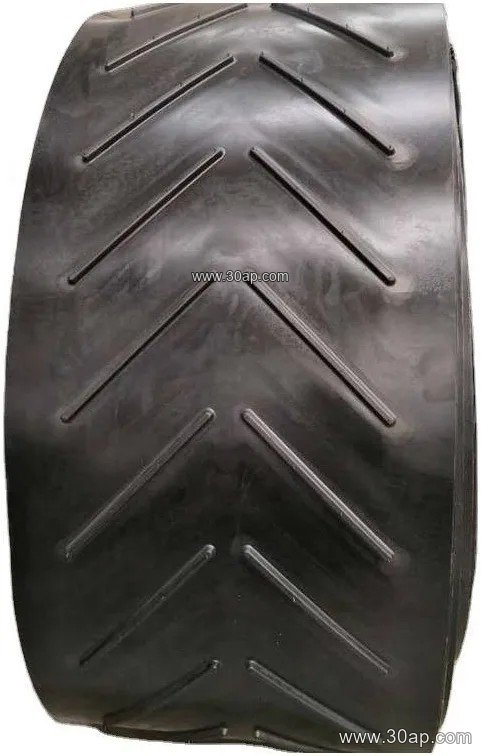
Where the conveyor climbs steeply, a Chevron Conveyor Belt or a Corrugated Sidewall Conveyor Belt can prevent material rollback. In enclosed plants or dusty tunnels, a Pipe Conveyor Belt may be preferred to contain spillage. Where oil or solvent contamination is possible, an Oil Resistant Conveyor Belt protects the rubber. In cold regions, a Cold Resistant Conveyor Belt keeps flexibility at start-up.
Buyer Checklist
Before ordering, confirm the following with the conveyor designer:
- Design tension and the required belt grade, for example EP630 or ST1600
- Maximum lump size and drop height, which drive cover thickness and impact rating
- Belt width and trough angle, matched to the existing idler roller set
- Pulley diameters, especially at the drive, tail and bend positions, together with the belt’s minimum pulley requirement
- Environmental conditions: temperature, moisture, oil, flame risk
- Joint preference: vulcanized splice or mechanical fastener
Do not assume a given belt width fixes a pulley diameter or shaft size. Those values come from the conveyor’s tension and torque calculation, not from the belt alone. A 1200mm wide belt and a 1800mm wide belt may use very different pulley dimensions.
Installation and Maintenance Notes
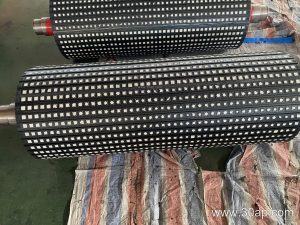
Correct alignment at the transfer chute is critical. Skirt rubber and impact beds should support the belt where ore lands, so the cover is not pinched between lumps and the frame. Idler rollers should be checked for seized bearings, because a single locked roller can wear through a cover in a short time. Pulley lagging should be inspected for glazing, and belt edges watched for fraying, which often signals mistracking.
Keep a spare length of the same specification on site. Mixing belt grades on one conveyor leads to uneven stretch and poor splicing. Store belts in a dry, shaded place and rotate stock so rubber does not age before installation.
Summary
A Copper Ore Conveyor Belt is chosen around impact, abrasion and tension, then confirmed against the conveyor’s pulleys, idlers and frame. Matching the belt grade, cover thickness and width to the actual duty keeps the line running and reduces unplanned stoppages in the concentrator.