What a Conveyor Leg Does on a Belt Conveyor
A conveyor leg is the vertical support element that carries the conveyor frame and keeps the belt line at the correct elevation. In a typical structure, the leg rises from a concrete foundation or steel base and connects to a longitudinal beam, which in turn holds the idler roller sets, pulleys, and the conveyor belt itself. The leg is not a glamorous component, but it decides how steadily the whole conveyor behaves under load. On a quarry conveyor belt or a cement plant belt line, a weak or misaligned leg shows up quickly as belt wander, spillage, and premature idler wear.
The same part is also called a conveyor support leg or conveyor stand leg. These names describe the same product, and they appear interchangeably in drawings and site discussions. What matters is that the leg matches the frame geometry, the load path, and the installation method chosen for the project.
Construction and Frame Interfaces
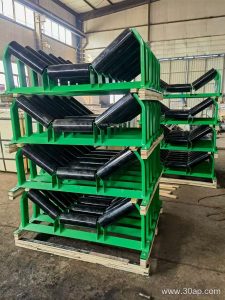
Most conveyor legs are fabricated from angle steel, channel steel, or folded steel plate. The section size follows the load and the height of the leg; taller legs usually need bracing or a wider base to resist lateral forces from starting, stopping, and belt tension. A leg is normally bolted to a conveyor bracket or base plate rather than welded on site, which keeps alignment work simpler and allows later adjustment.
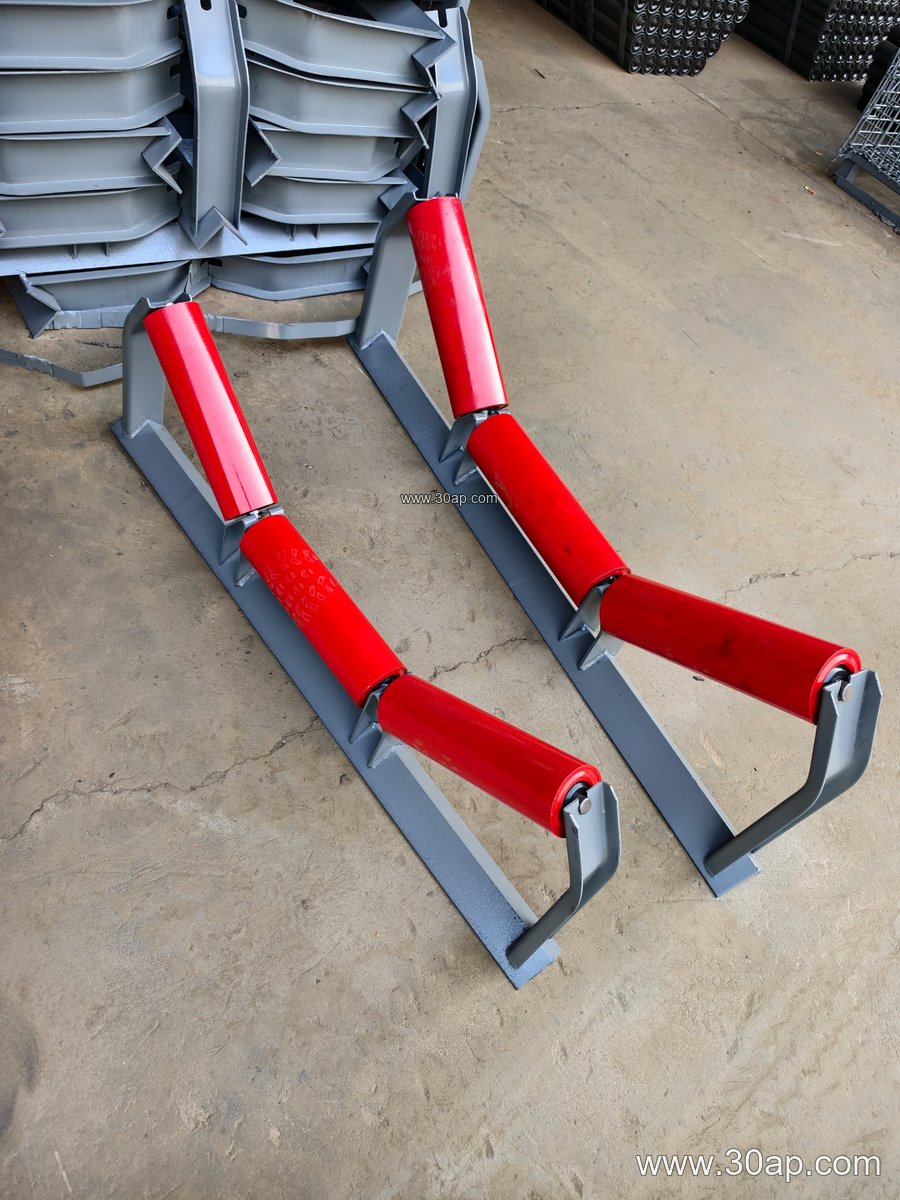
Key interfaces include:
- The top connection to the longitudinal beam or stringer.
- The foot plate or anchor point at the foundation.
- Bolt holes that must line up with the frame and with adjacent legs.
- Bracing points where cross members or diagonal struts attach.
Installation hole spacing and crossbeam length change with belt width and trough angle, so they should be confirmed against the project drawing rather than assumed.
Where Conveyor Legs Are Used
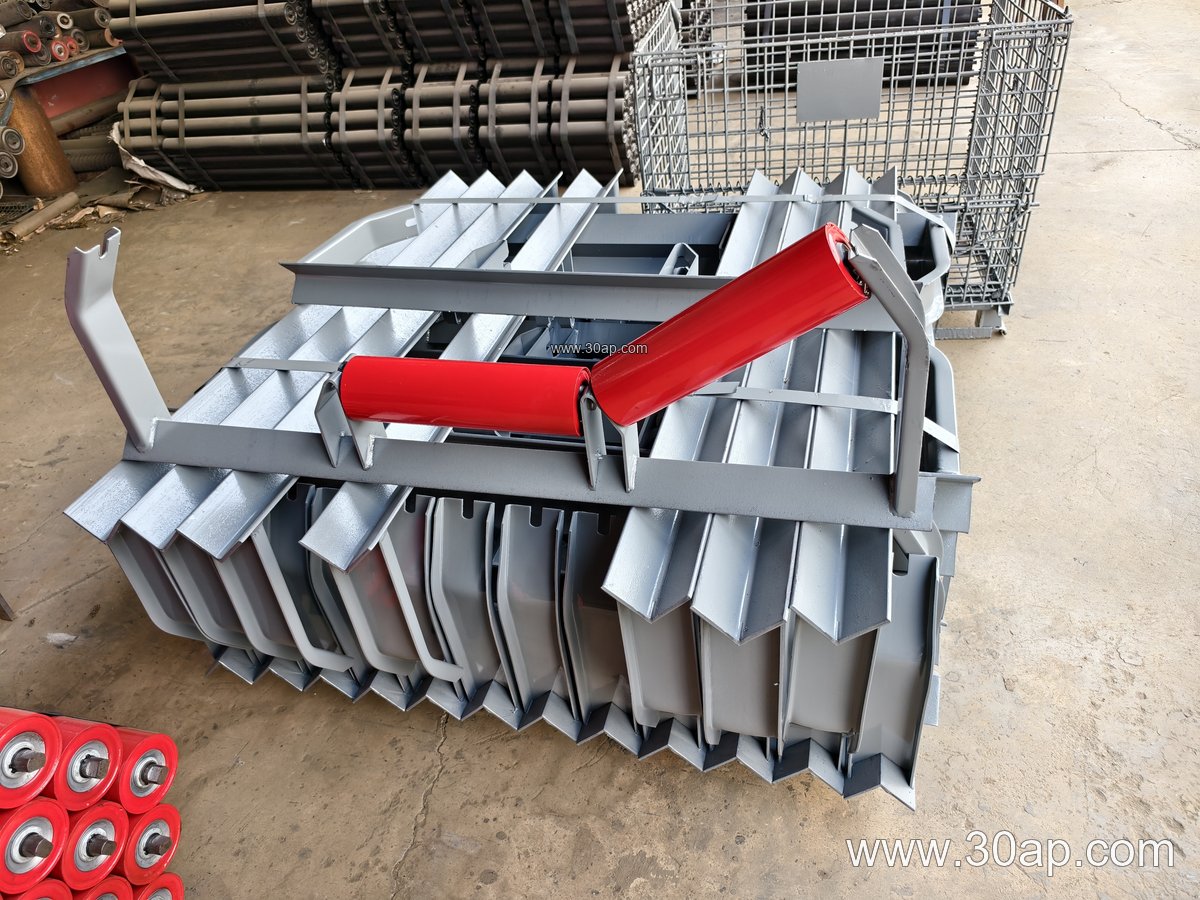
These supports appear wherever a fixed belt conveyor runs above ground. In a limestone mine, legs carry the main haulage conveyor across uneven terrain. In a coal preparation plant, they hold the transfer conveyors that feed screens and crushers. In a power plant coal yard, the leg height often needs to clear walkways and drainage channels. The choice of leg type follows the frame layout, not the material alone, although dusty and abrasive service does influence the coating and the stiffness required.
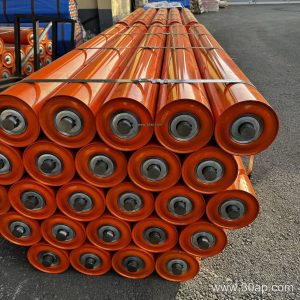
A conveyor leg works together with the conveyor pulley, the idler roller, and the belt. Drive, tail, and bend pulleys each have their own support requirements, and none of them should be treated as a substitute for the leg structure. The leg simply provides the stable platform those parts rely on.
Common Configurations and Reference Data
The table below gives typical reference values for planning discussions. These are indicative ranges, not a fixed match between belt width and roller diameter or trough angle.
| Parameter | Common Reference |
|---|---|
| Belt width | B500, B650, B800, B1000, B1200, B1400, B1600, B1800, B2000, B2200 |
| Trough angle | 20°, 30°, 35°, 45° |
| Idler roller diameter | Ø89, Ø108, Ø133, Ø159, Ø194 |
| Leg material | Angle steel, channel steel, folded steel plate |
| Typical example combinations | B800, 35°, Ø108; B1200, 45°, Ø133; B650, 30°, Ø89 |
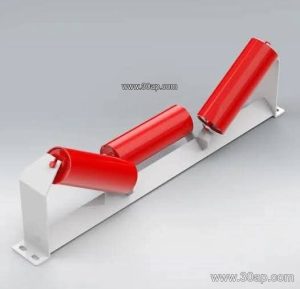
Adjustable legs allow the frame height to be trimmed after foundation work, while fixed legs suit lines where the elevation is already set. Trough angle adjustment is handled by the idler support brackets, not by the leg itself, so the two should be specified together.
Buyer Checklist
Before ordering, confirm the belt width, the required height range, the trough angle of the idler brackets, and the roller diameter the frame will carry. Ask for the anchor layout and the connection detail to the stringer. Check whether the site needs hot-dip galvanizing or a paint system for wet or corrosive conditions. For a heavy-duty mining conveyor belt line, thicker sections and closer leg spacing are usually justified, but the exact figures come from the structural design.
Finally, review how the legs interact with the belt path. A leg that is too close to a pulley or that blocks maintenance access creates problems later. Good support design keeps the conveyor belt tracking cleanly and makes idler replacement straightforward.