What a Heavy-Load Belt Conveyor Idler Does
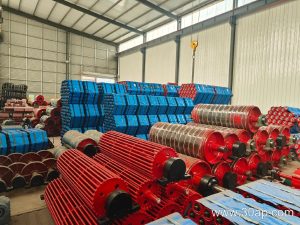
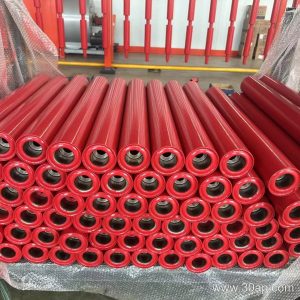
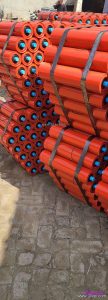
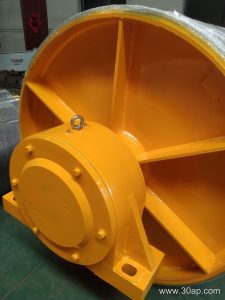
A heavy-load belt conveyor idler is the rotating support that carries a loaded conveyor belt along the length of a conveyor. In mines, quarries, cement plants, power plant coal yards, and crushing circuits, the belt may be wide, the material may be dense and abrasive, and the load may be continuous. The idler roller must keep the belt tracking, limit sag between supports, and protect the belt from unnecessary wear. It is not a drive component; a conveyor pulley at the head or tail does a different job, and the two should not be confused when specifying a conveyor system.
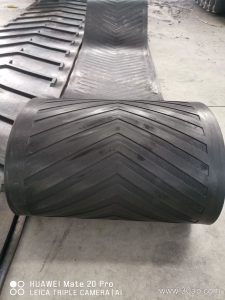
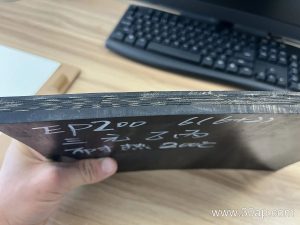
For heavy-duty mining conveyor belt lines, the idler is often matched to a robust belt construction such as steel cord conveyor belt or a multi-ply fabric core conveyor belt. The belt and the roller work as a pair, and the idler choice affects belt life as much as the belt choice affects roller life.
Construction Details That Matter
The main parts are the shell, the shaft, the bearing housing, and the sealing arrangement. Roller diameter commonly ranges from Ø63 to Ø219, with Ø127, Ø133, Ø159, and Ø178 often seen on wider, heavier conveyors. Bearing sizes such as 6205, 6305, 6308, and 6310 appear in different designs; no single bearing is tied to one roller diameter, so the bearing must be selected with the load and speed in mind.
The roller surface may be steel tube, nylon, ceramic, or rubber rings. Rubber-ring impact idlers are useful under a crusher discharge where lump size is large. Sealing is critical in dusty coal mining and quarry conditions, because fine grit that reaches the bearing shortens service life quickly.
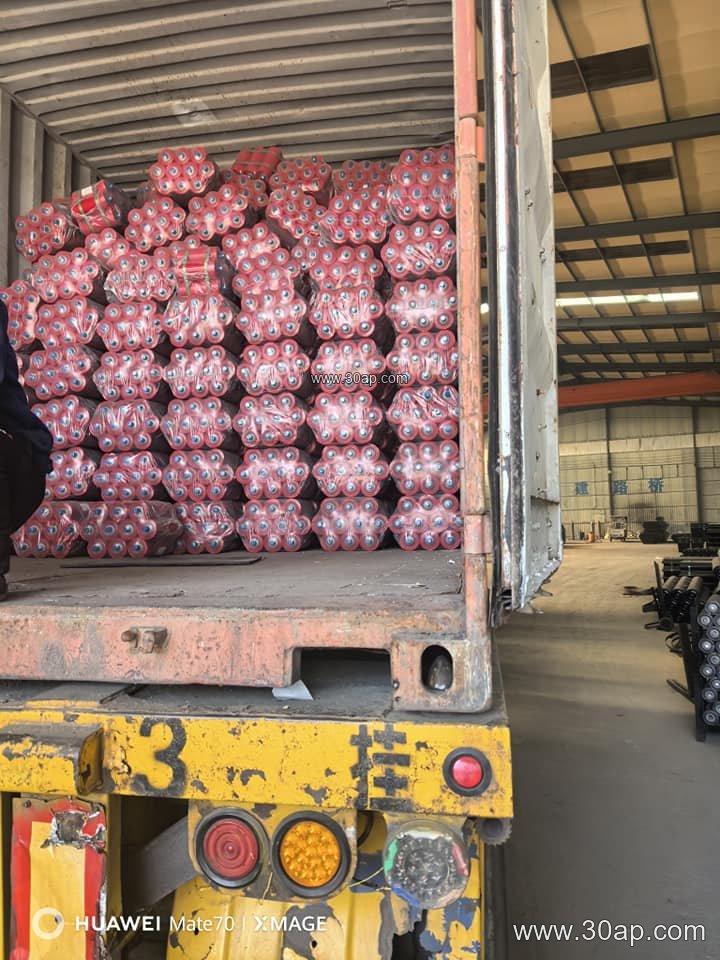
Common Configurations and Reference Sizes
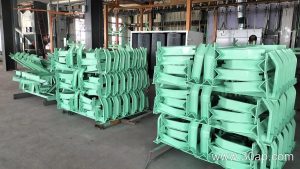
Troughing idler sets are usually single-roll, two-roll, or three-roll. Three-roll troughing sets are common on high-capacity lines, and the trough angle is often 20, 30, 35, or 45 degrees. Return idlers may be flat or V-shaped. Transition idlers help the belt move smoothly from a pulley to the trough section.
The table below gives common reference examples for roller length in three-roll troughing sets. These are examples only; side rollers and center rollers can differ, and final dimensions are determined by belt width, trough angle, and frame design.
| Belt Width | Typical Roller Length Example | Typical Application Area |
|---|---|---|
| B500 | 200 mm | Small aggregate lines |
| B650 | 250 mm | Crushing and screening |
| B800 | 315 mm | Sand and gravel plants |
| B1000 | 380 mm | Cement and coal handling |
| B1200 | 465 mm | Iron ore and power plants |
| B1400 | 530 mm | Heavy bulk material lines |
| B1600 | 600 mm | Large mining conveyors |
| B1800 | 670 mm | High-capacity ore transport |
| B2000 | 750 mm | Wide heavy-duty conveyors |
Belt width and pulley diameter are not a fixed pair. A 1200mm wide conveyor belt may run with different pulley sizes depending on tension and drive design, and the idler set should be chosen from the actual conveyor layout.
Where These Idlers Are Used
In a limestone quarry or aggregate plant, troughing idlers support abrasive rock and stone. In a coal washing plant or power plant coal yard, dust and moisture make sealing quality important. In a copper or iron ore operation, the combination of heavy load and sharp material calls for a wear-resistant roller shell and a stable frame.
Heavy-load idlers also appear in tunnel spoil removal, fertilizer bulk handling, and port ship-loading conveyors. Where the belt carries a heat resistant conveyor belt or a flame retardant conveyor belt, the idler should still be selected for the actual ambient and material temperature, not simply matched by name.
Buyer Checklist
- Confirm belt width, trough angle, and idler set form before ordering.
- Check roller diameter, shaft size, and bearing type against the load and speed.
- Choose the roller surface for the material: steel for general duty, rubber rings for impact, ceramic or nylon where wear or build-up is a concern.
- Review sealing and bearing protection for dusty or wet conditions.
- Check that the conveyor bracket and frame dimensions match the idler set.
- Keep spare idlers for critical lines, especially where a stoppage affects the whole plant.
For more conveyor components, review the conveyor belt, idler roller, conveyor pulley, and conveyor bracket options together so that the whole conveyor, not just one part, is specified correctly.