What a 630mm Diameter Conveyor Pulley Is
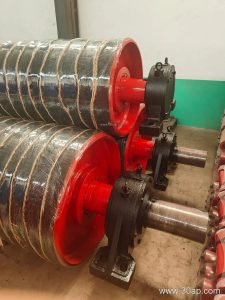
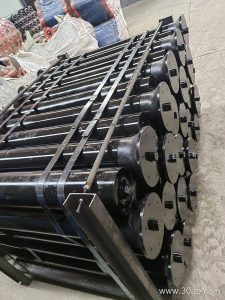
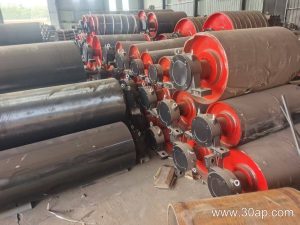
A 630mm diameter conveyor pulley is a large-diameter drum used to drive, tension, or redirect a conveyor belt in bulk material handling. At this size, it is typically found in high-capacity systems where belt tension and torque are substantial. While drive, tail, and bend pulleys serve different functions, the 630mm diameter unit often appears as a drive or head pulley in primary crushing circuits, or as a bend pulley in long overland conveyors. It is not a one-size-fits-all component; the same diameter can be built with different face widths, shaft sizes, and surface treatments to suit a specific conveyor layout.
Construction and Key Components
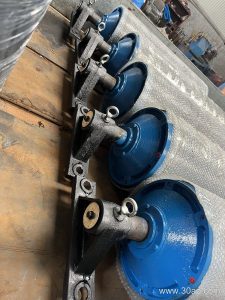
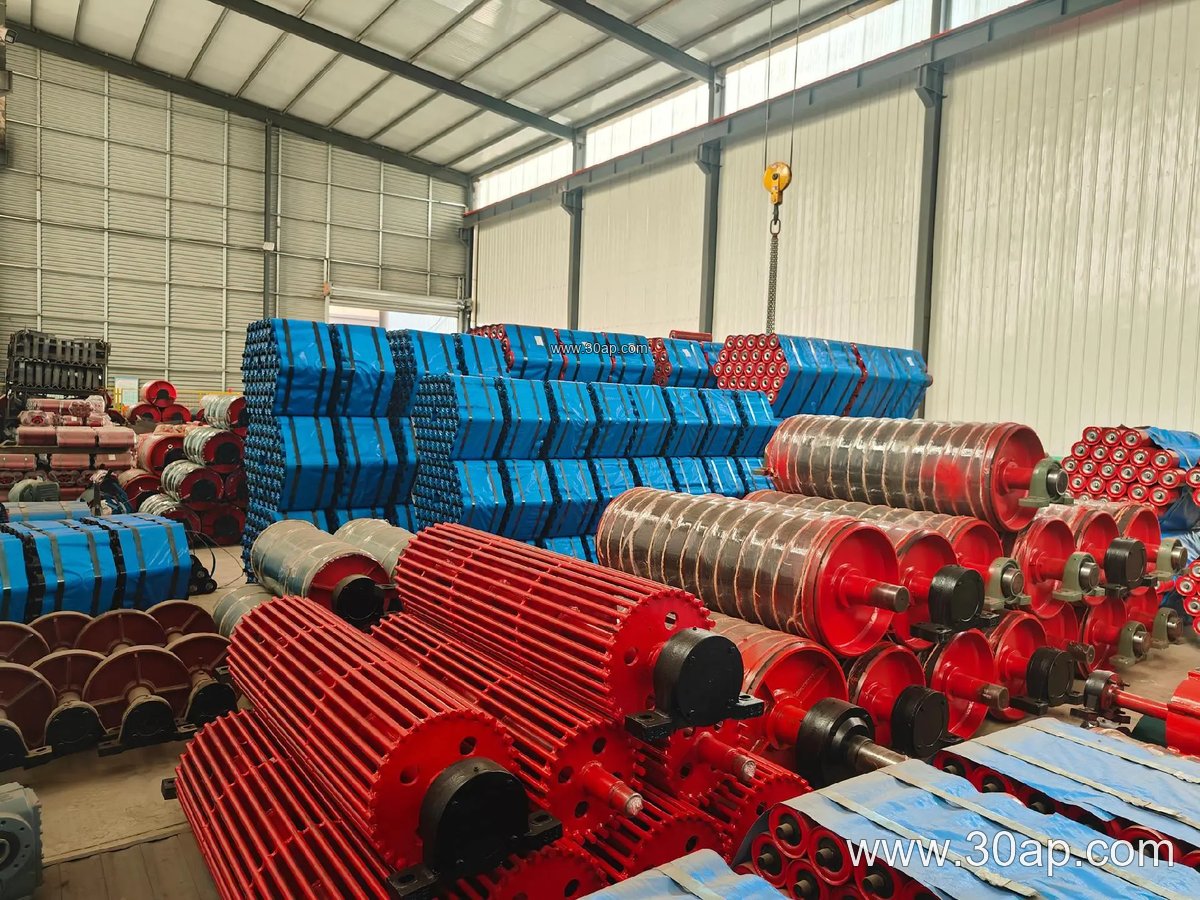
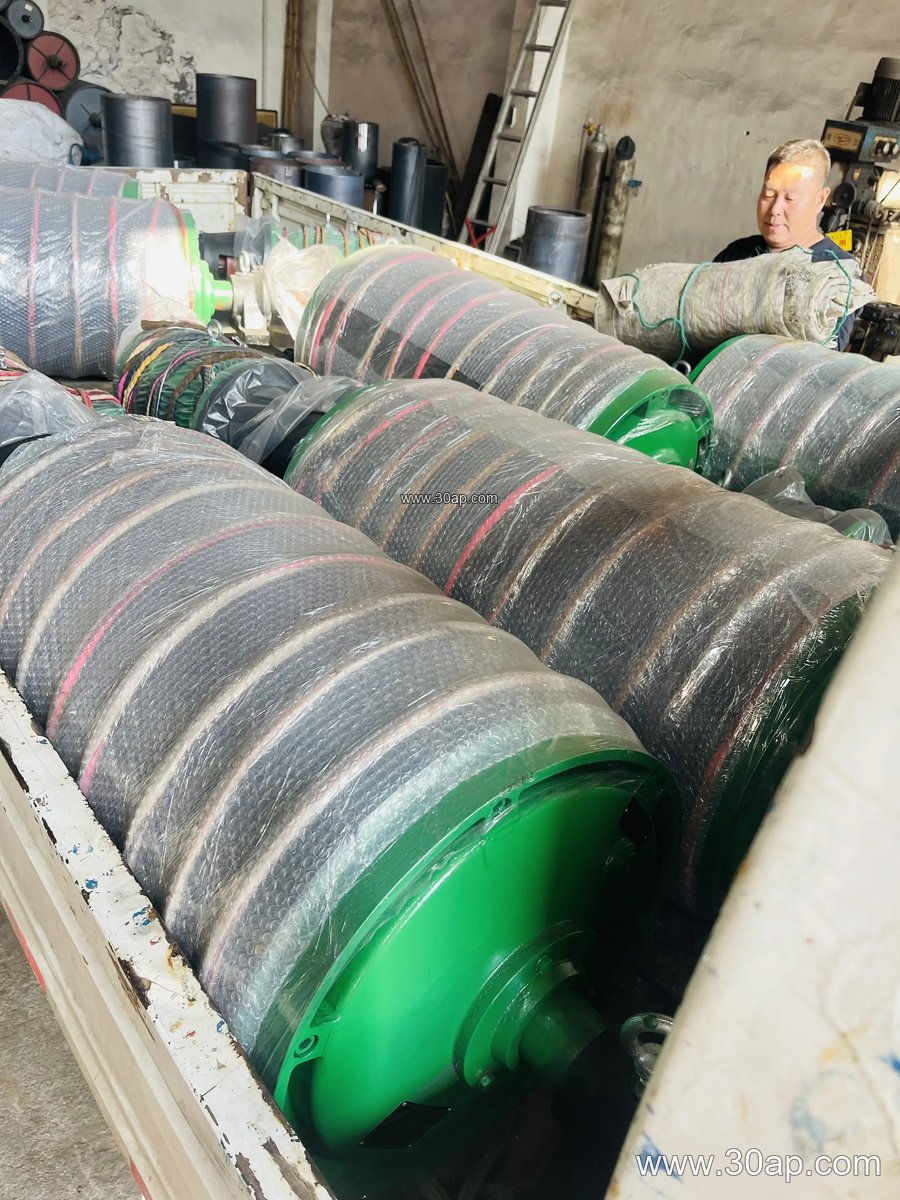
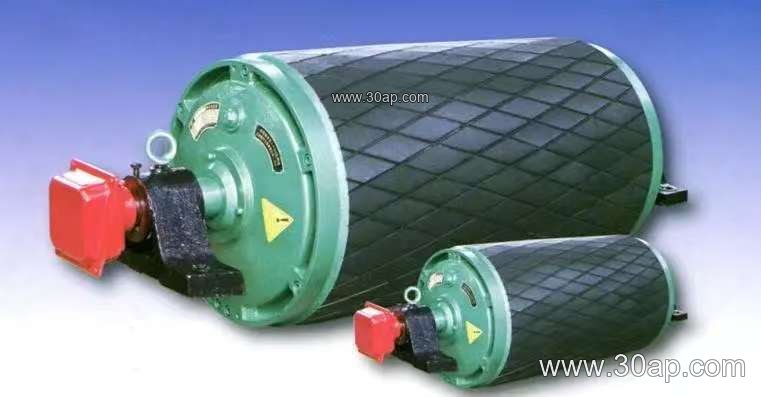
The pulley body is usually fabricated from rolled steel plate, with end discs welded to the shell. A 630mm diameter shell provides a larger contact arc than smaller pulleys, which helps reduce belt stress and improve traction when lagged. Common surface options include plain steel, hot-vulcanized rubber lagging, cold-bonded rubber, diamond groove lagging, and ceramic lagging. Lagging thickness often ranges from 8 mm to 20 mm depending on the duty. The shaft is sized by torque and radial load, not by belt width alone; common shaft diameters for this class might include Ø120, Ø140, Ø160, or larger, but final selection depends on the drive design and bearing arrangement. Bearings are typically mounted in pillow blocks or flanged housings, and the pulley connects to the conveyor bracket through a sturdy shaft assembly.
Where It Fits in a Conveyor System
In a quarry or aggregate plant, a 630mm diameter conveyor pulley might serve as the head pulley on a primary crusher discharge belt, where it must handle sharp rock and high tension. In a coal mining operation, it could be a bend pulley on an underground gathering conveyor, helping route a flame retardant conveyor belt around a curve. Cement plants often use this size on clinker belts where heat resistant conveyor belt grades are needed. Power plants may deploy it on coal handling lines that run EP conveyor belt or steel cord conveyor belt. The larger diameter is also useful on inclined conveyors where a smooth belt path reduces the risk of material spillage. Because the pulley face width usually exceeds the belt width, a 630mm diameter unit might be paired with a 1200mm or 1400mm wide belt, but other combinations are possible.
Matching the Pulley to the Belt and Duty
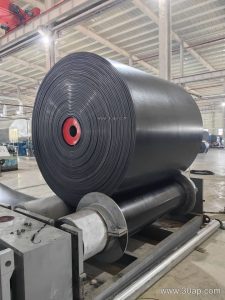
Selecting a 630mm diameter conveyor pulley involves more than picking a diameter. The belt type matters: a heavy-duty mining conveyor belt with high tension may require a larger shaft and thicker lagging, while a fabric core conveyor belt on a moderate-duty line may allow a lighter build. The pulley surface should match the environment. Abrasion resistant conveyor belt systems benefit from ceramic or diamond lagging to maintain grip. In wet or dirty conditions, grooved lagging helps drain water and reduce slip. For coal mining conveyor belt applications, flame retardant conveyor belt and anti-static conveyor belt properties are often specified, and the pulley should be compatible with those belt characteristics. The pulley diameter also affects belt life: a larger diameter reduces bending stress in the carcass, which is particularly important for steel cord conveyor belt and thick multi-ply fabric core conveyor belt.
Installation and Maintenance Notes
Proper alignment is critical. A 630mm diameter pulley is heavy, so lifting points and mounting bolts must be rated for the load. Check that the conveyor bracket and bearing seats are square to the belt line. After installation, verify that the pulley face is parallel to the tail pulley and that the belt tracks centrally. Lagging wear should be inspected periodically; worn or glazed lagging reduces traction and can lead to belt slippage. Shaft seals and bearing lubrication points should be accessible. If the pulley is used as a drive pulley, check the coupling and gearbox alignment as part of routine maintenance. For bend or tension pulleys, confirm that take-up travel is sufficient and that the belt does not rub on the pulley edges. Keeping the pulley clean and free of material build-up helps prevent tracking problems and extends both pulley and belt life.