What an Anti-Sticking Idler Does
An anti-sticking idler is a carrying or return roller designed so that wet, clay-rich, or otherwise tacky material does not build up on its shell. In a quarry, a coal washing plant, or a cement plant handling damp limestone, ordinary rollers can quickly pick up a crust of fines. That crust changes the roller profile, causes belt tracking problems, and eventually damages the conveyor belt. The anti-sticking idler, sometimes called a self-cleaning idler or non-stick roller, addresses this by combining a surface that releases material with a shape that sheds it.
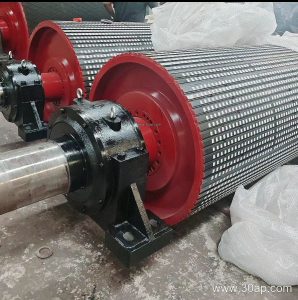
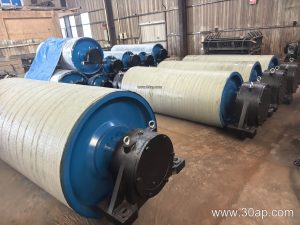
The product is still an idler roller in the full sense: it supports the belt, rotates on bearings, and mounts in a conveyor bracket or frame in the same way as a standard roller. What differs is the shell treatment and, in many designs, the geometry of the roller face.
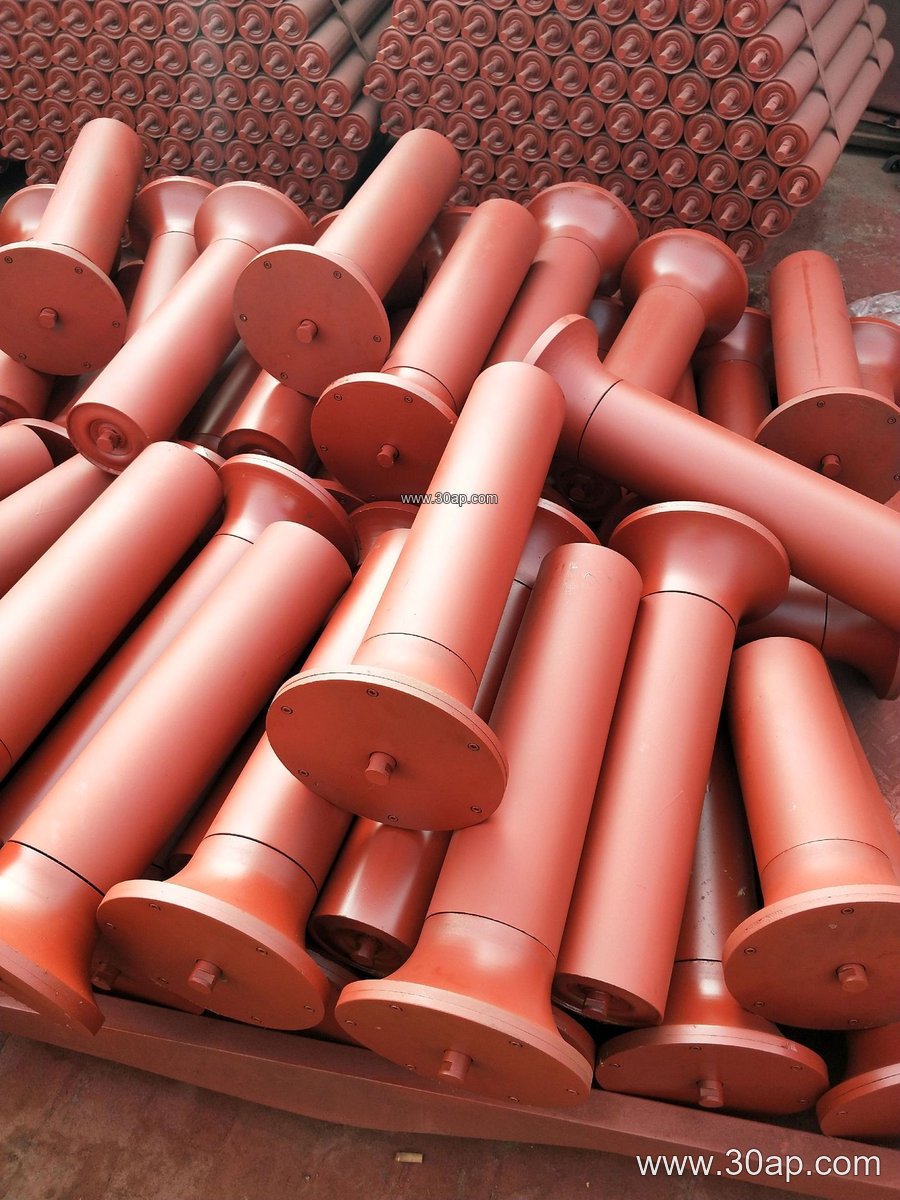
Construction and Surface Options
Most anti-sticking rollers use a steel tube body with a coated or sleeved surface. Common approaches include:
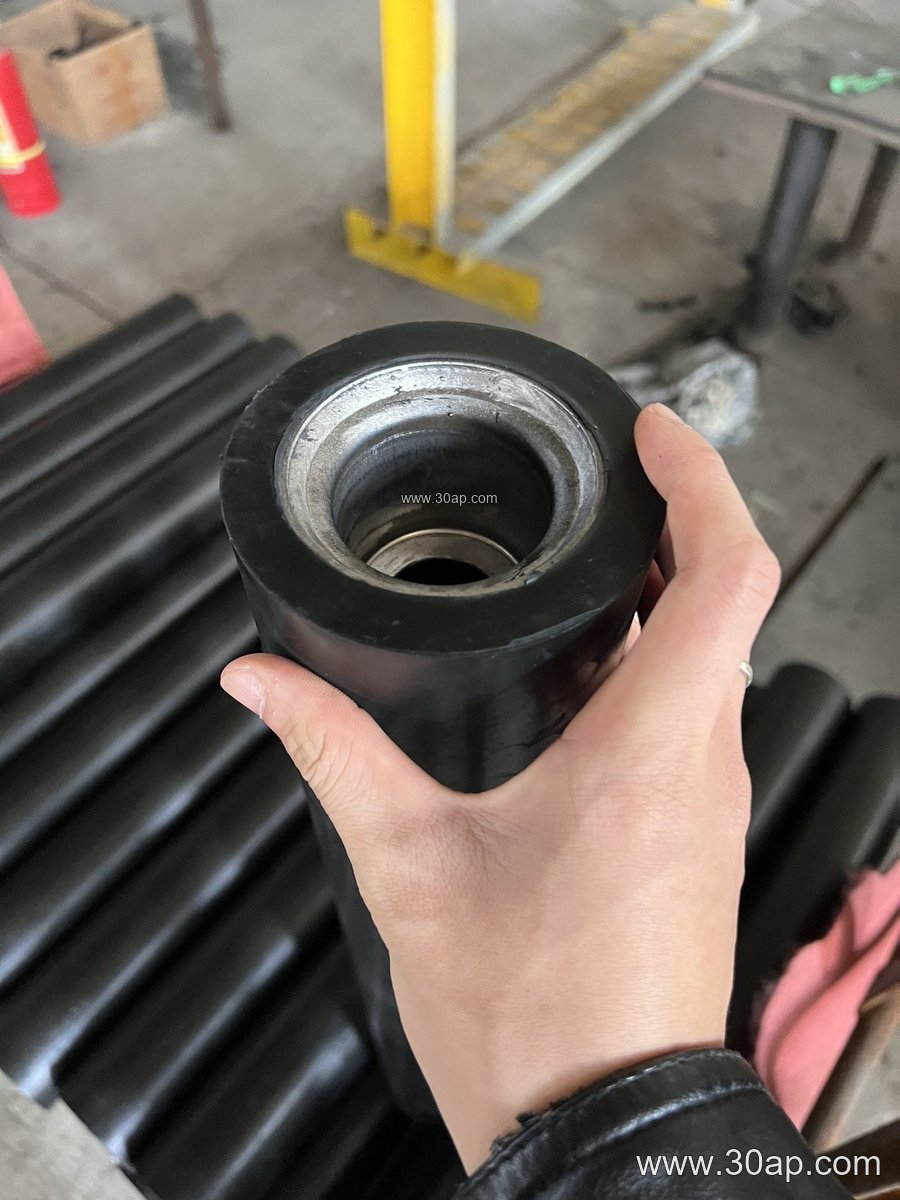
- Polymer or rubber lagging that resists adhesion and can be replaced when worn
- Machined grooves or a spiral profile that breaks the contact patch and throws off sticky fines
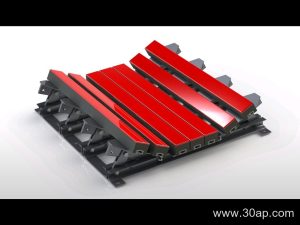
- Disc or comb-style shells that leave gaps so material falls away instead of packing
- Sealed bearing housings with multi-stage labyrinth seals to keep dust and moisture out
Bearing selection follows the load and speed of the conveyor rather than the surface type. Common bearing numbers in this range include 6204, 6205, 6305, 6306, 6308, and 6310. A given roller diameter can accept more than one bearing size depending on shaft design, so the bearing number should always be confirmed against the roller drawing.
Where Sticky Material Causes Trouble
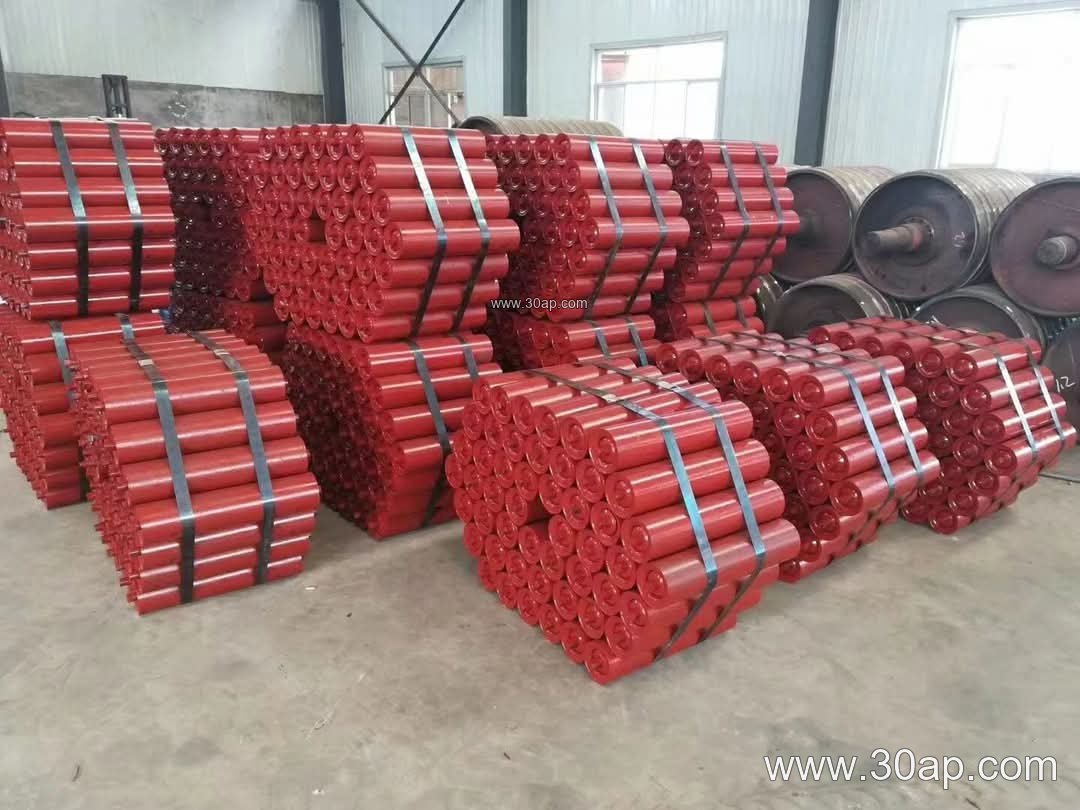
Buildup is most severe at transfer points and on the carrying side just after the load is deposited. In a sand and gravel line, damp fines cling to rollers behind the crusher. In a coal preparation plant, fine coal with high moisture content coats return rollers and causes the belt to wander. A cement plant moving moist raw meal or clay sees similar problems. In these positions, an anti-sticking idler on the carry side or a self-cleaning return roller underneath can reduce manual cleaning and extend belt life.
The roller works together with the rest of the conveyor: the conveyor belt, the drive and tail pulleys, and the supporting brackets all influence how well material releases. A chevron conveyor belt or a corrugated sidewall belt may carry stickier loads than a smooth belt, and the roller surface should be chosen with that in mind.
Common Sizes and Matching to Belt Width
Anti-sticking rollers are produced in the same diameter and length families as other idlers. The table below gives typical reference values; actual dimensions are set by the conveyor design, trough angle, and roller group arrangement.
| Parameter | Common Reference Values |
|---|---|
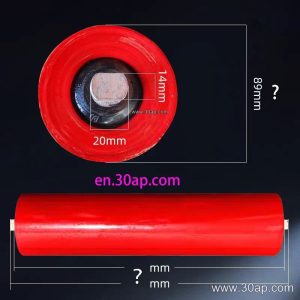
| Roller diameter | Ø63, Ø76, Ø89, Ø102, Ø108, Ø127, Ø133, Ø159, Ø178, Ø194, Ø219 mm |
| Belt width | B400, B500, B650, B800, B1000, B1200, B1400, B1600, B1800, B2000, B2200, B2400 |
| Trough angle | 20°, 30°, 35°, 45° |
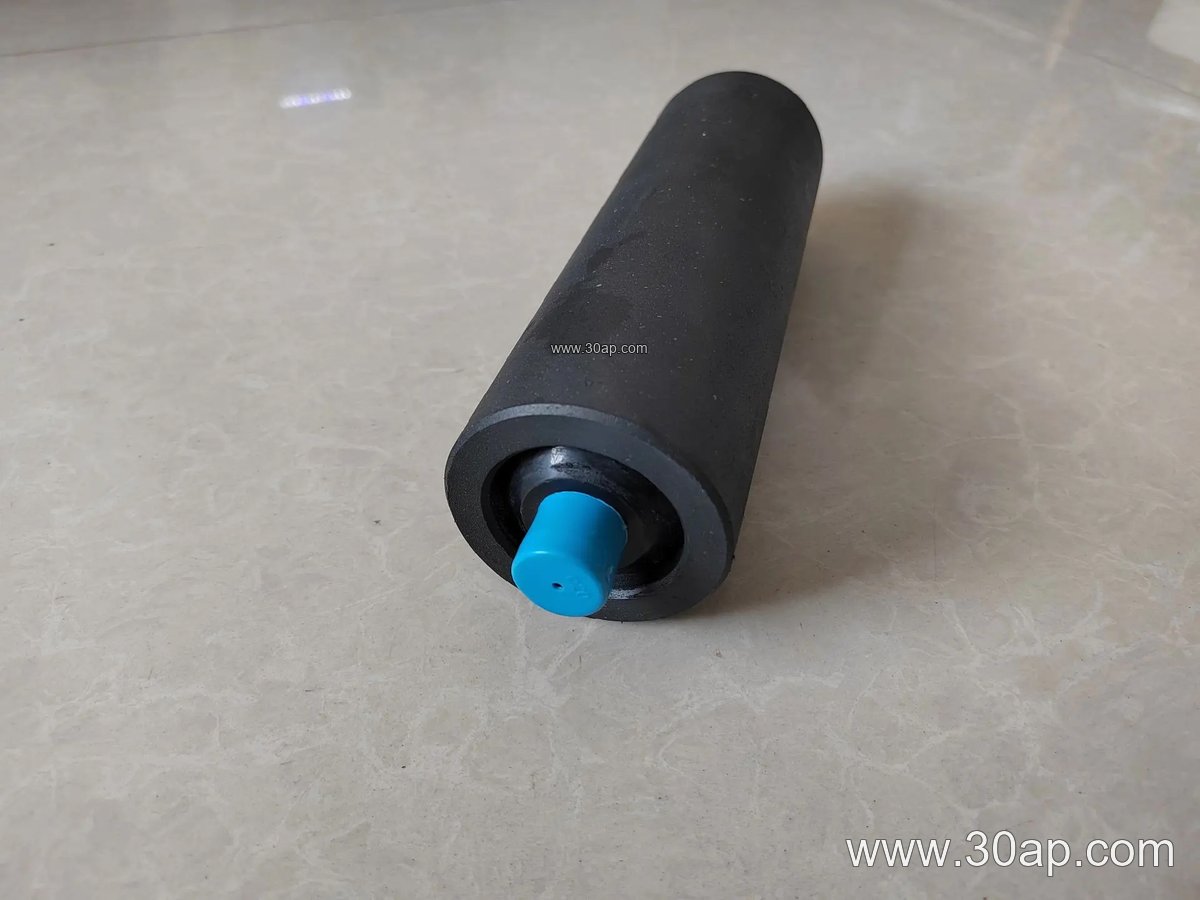
| Roller surface | Steel tube, nylon, ceramic, rubber ring, polymer-coated |
| Bearing | 6204, 6205, 6305, 6306, 6308, 6310 |
For a three-roll troughing set, the roller length changes with belt width and trough angle. As a rough guide, B500 sets often use rollers around 200 mm long, B800 around 315 mm, B1000 around 380 mm, B1200 around 465 mm, and B1400 around 530 mm. Side rollers and the center roller can differ, and a wide belt such as a 1200mm or 1500mm conveyor belt does not automatically dictate one shaft diameter. Shaft size comes from the load calculation, not from belt width alone.
Selection and Maintenance Notes
Buyers should match the roller surface to the material. A rubber-lagged non-stick roller suits moderately sticky fines, while a grooved or disc design is better where clay or wet ore packs tightly. Seal quality matters as much as the shell, because dust ingress shortens bearing life long before the surface wears out. Roller spacing should follow the belt sag limit, and transition idlers near pulleys may need a different trough angle than the main run.
During operation, check for wobble, noise, and uneven wear on the roller face. A roller that has stopped turning will flat-spot quickly, so free rotation should be verified at each inspection. Replacing worn lagging or a damaged shell early is usually cheaper than replacing the belt it damaged.
For conveyors in mining, power generation, and aggregate handling, a well-chosen anti-sticking roller is a small component that protects a much larger investment in the belt and structure.