What a Conveyor Idler Bracket Does on a Belt System
A conveyor idler bracket is the structural component that holds idler rollers in the correct position under and along a conveyor belt. It connects the rotating parts to the conveyor frame, sets the trough angle of the carrying side, and keeps the belt profile stable from loading point to discharge. Without a properly matched bracket, rollers sit out of line, the belt drifts, and spillage increases. In a quarry, a coal handling plant, or a cement kiln feed line, this small steel assembly quietly determines how well the whole conveyor behaves.
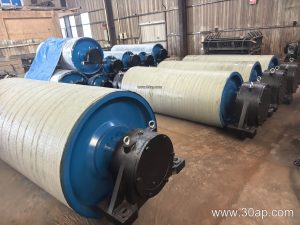
The bracket is often called a conveyor bracket or idler frame in workshop language. It is not a pulley and should never be confused with a drive pulley, tail pulley, or bend pulley, which transmit or redirect belt tension. The bracket simply supports the idler roller and transfers load into the frame.
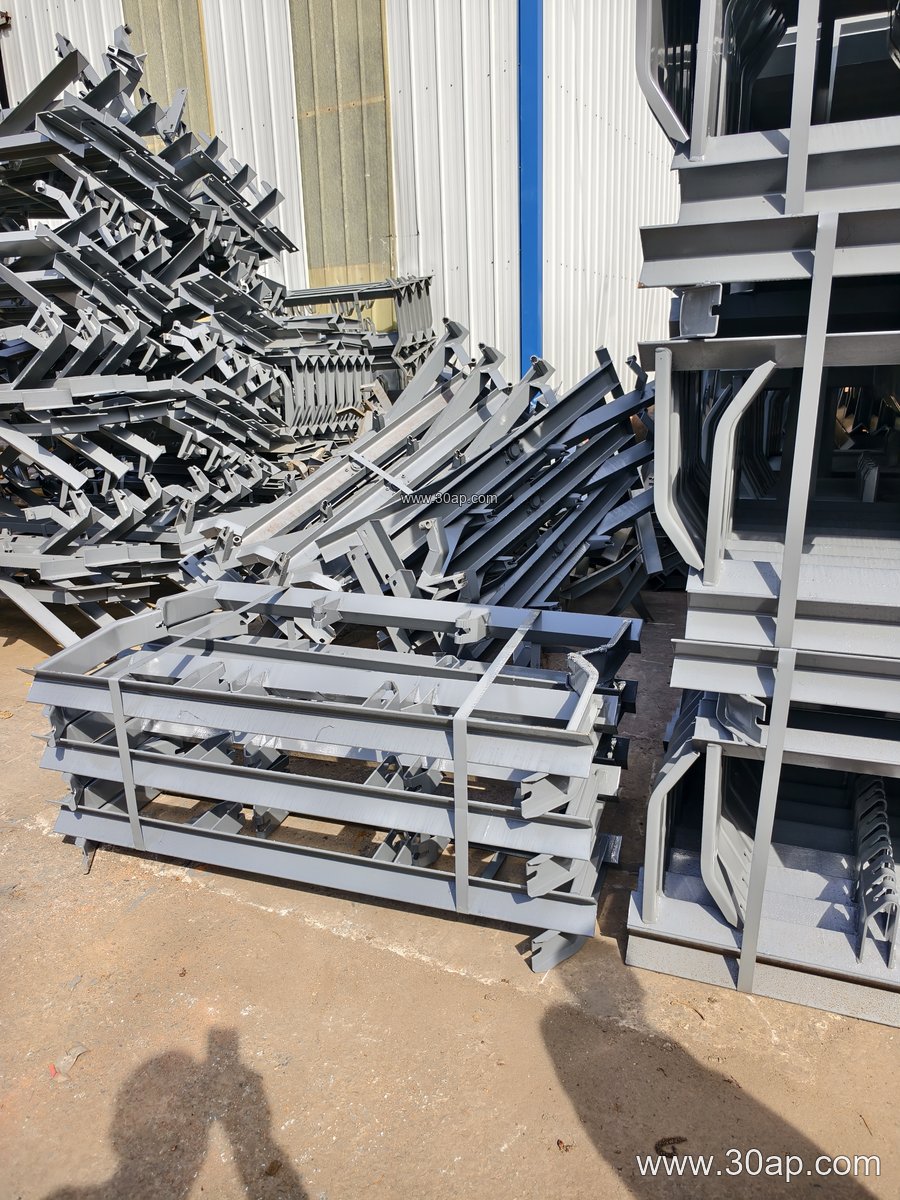
Construction and Common Forms
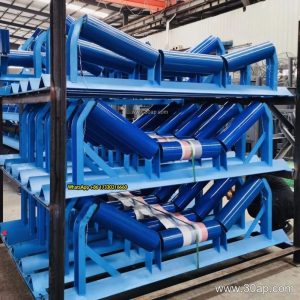
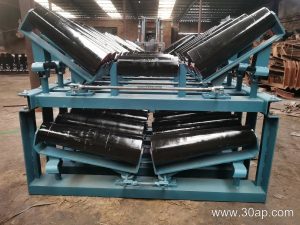
Most brackets are fabricated from angle steel, channel steel, or folded steel plate, then drilled or punched for mounting. A typical carrying-side bracket is a three-roll trough set with two inclined wings and a flat center; return-side versions may be flat or V-shaped. Adjustment slots allow fine positioning after installation.
Common forms include trough brackets, transition brackets, return brackets, flat return brackets, V-return brackets, impact brackets, self-aligning brackets, forward-leaning brackets, spiral roller brackets, suspended brackets, and adjustable brackets. A forward-leaning design usually sets the roller axis about 1.5 to 2 degrees ahead of the belt direction to help centering. Adjustable brackets let maintenance teams change trough angle between roughly 20, 30, 35, and 45 degrees.
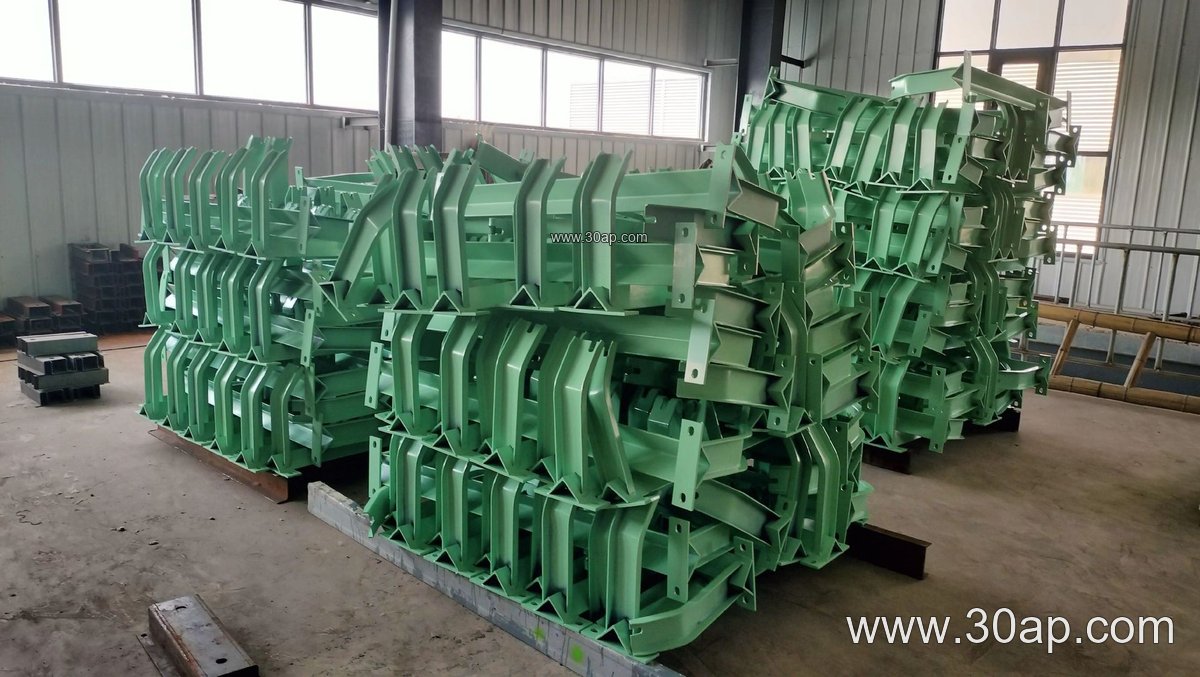
Matching Bracket, Roller Diameter, and Belt Width
Belt width and roller diameter are related through the bracket geometry, not through a single fixed rule. A B800 belt with a 35 degree trough and Ø108 rollers is a common combination, and B1200 with 45 degrees and Ø133 rollers also appears in heavy-duty work. Smaller B650 lines often use 30 degrees and Ø89 rollers. Hole spacing and beam length change with belt width and trough angle, so they are determined by design rather than assumed.
| Belt width | Typical trough angle | Common roller diameter |
|---|---|---|
| B500 / B650 | 20 to 30 degrees | Ø89 |
| B800 / B1000 | 30 to 35 degrees | Ø108 |
| B1200 / B1400 | 35 to 45 degrees | Ø133 / Ø159 |
| B1600 to B2200 | 35 to 45 degrees | Ø159 / Ø194 |
These are reference combinations only. The same belt width can work with more than one trough angle or roller diameter depending on load, speed, and belt stiffness.
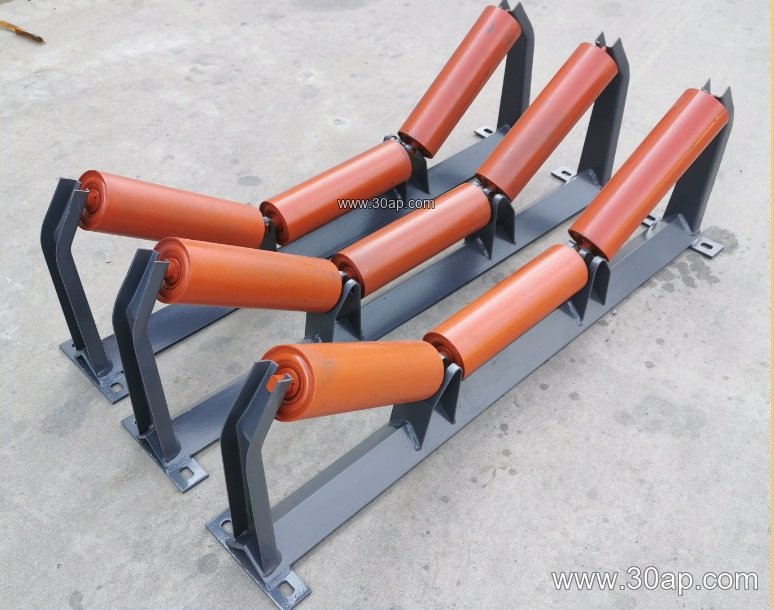
Where It Is Used
In an iron ore or limestone mine, trough brackets carry the belt through loading and transfer points where impact is severe. In a coal washing plant, flame retardant and anti-static belt grades run over brackets that must stay aligned despite dust and moisture. A power plant coal yard uses long overland conveyors where return brackets and self-aligning brackets reduce edge wear. Aggregate plants and crusher discharge lines rely on impact brackets under the chute. Port ship loaders and steel plant sinter lines use heavy frames with closely spaced brackets to control belt sag.
The bracket also matters for specialty belts. A pipe conveyor belt needs carefully positioned idler frames to form the tube, while a chevron conveyor belt or corrugated sidewall belt requires brackets that clear the cleats and sidewalls. Heat resistant conveyor belt lines in cement plants may use brackets that allow thermal expansion, and food grade conveyor belt installations favor easy-clean, painted or galvanized frames.
Buyer Checklist
- Confirm belt width, trough angle, and roller diameter together, not in isolation.
- State the mounting hole pattern and beam length required by the existing frame.
- Choose material and finish for the environment: dusty, wet, corrosive, or high temperature.
- Decide between fixed and adjustable brackets based on expected belt tracking needs.
- Check whether the bracket must accept impact rollers, spiral rollers, or self-aligning rollers.
- Ask for drawings before ordering, since hole spacing varies by design.
A well-selected conveyor idler bracket keeps the belt centered, extends roller life, and reduces downtime. For more conveyor components, including idler roller, conveyor pulley, and conveyor bracket options, review the full conveyor accessory range at your supplier and match each part to the actual belt width and duty.