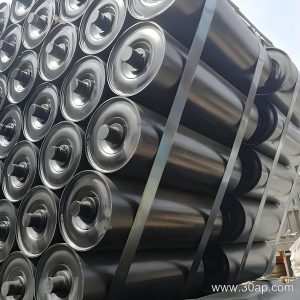
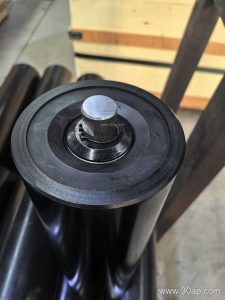
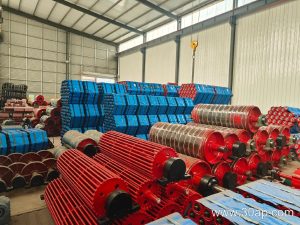
What a Tail Drive Pulley Does
A tail drive pulley is the powered drum mounted at the rear of a belt conveyor, where the belt turns back after discharging its load. Unlike a bend pulley that only redirects the belt, this drum transmits torque from the drive unit to the belt. It is also not a head pulley, which usually sits at the discharge end, and it should not be confused with a simple tail drum that merely supports the return strand. In some layouts, especially underground coal mining conveyors and tunnel spoil lines, putting the drive at the tail keeps the tension side short and simplifies the loading zone. The same component may be called a tail drive drum or a rear drive pulley, and both terms refer to the same product.
Construction and Surface Options
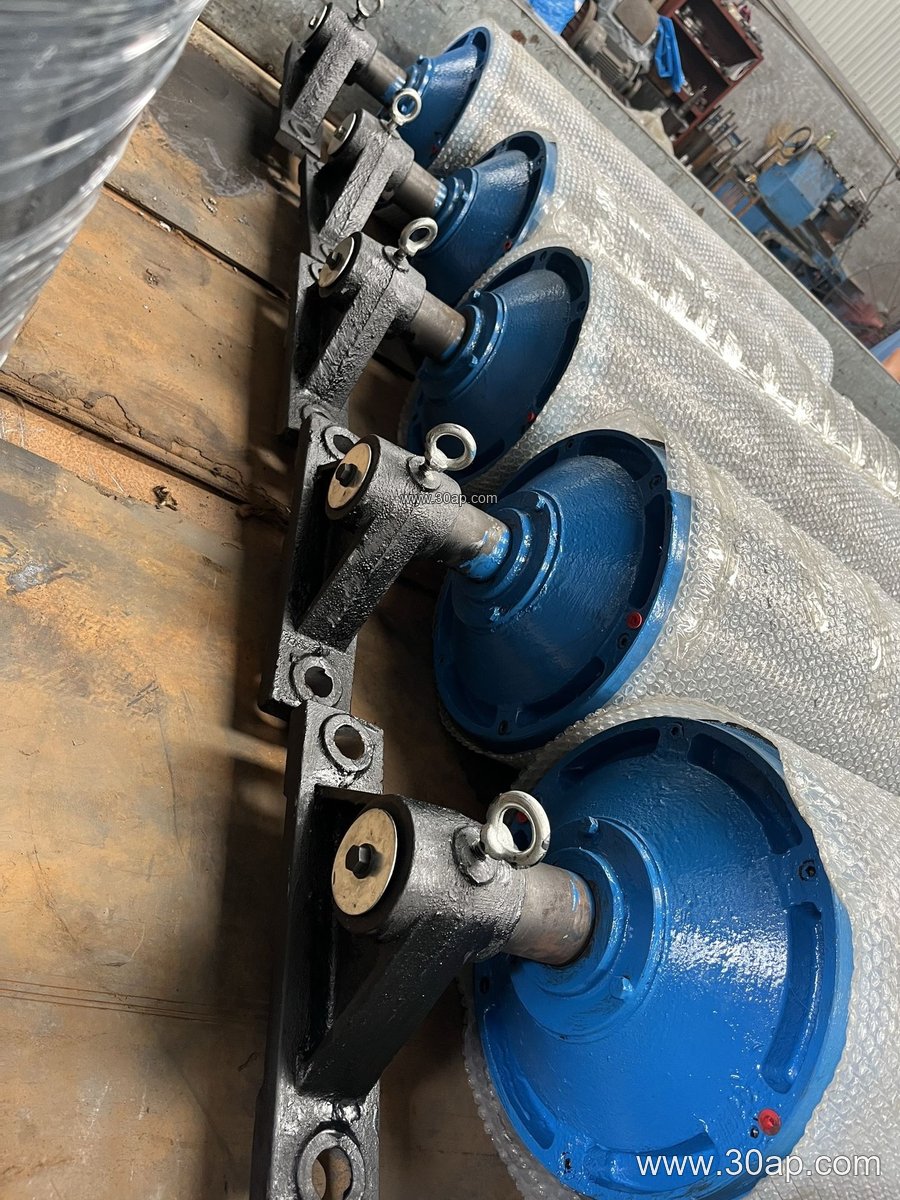
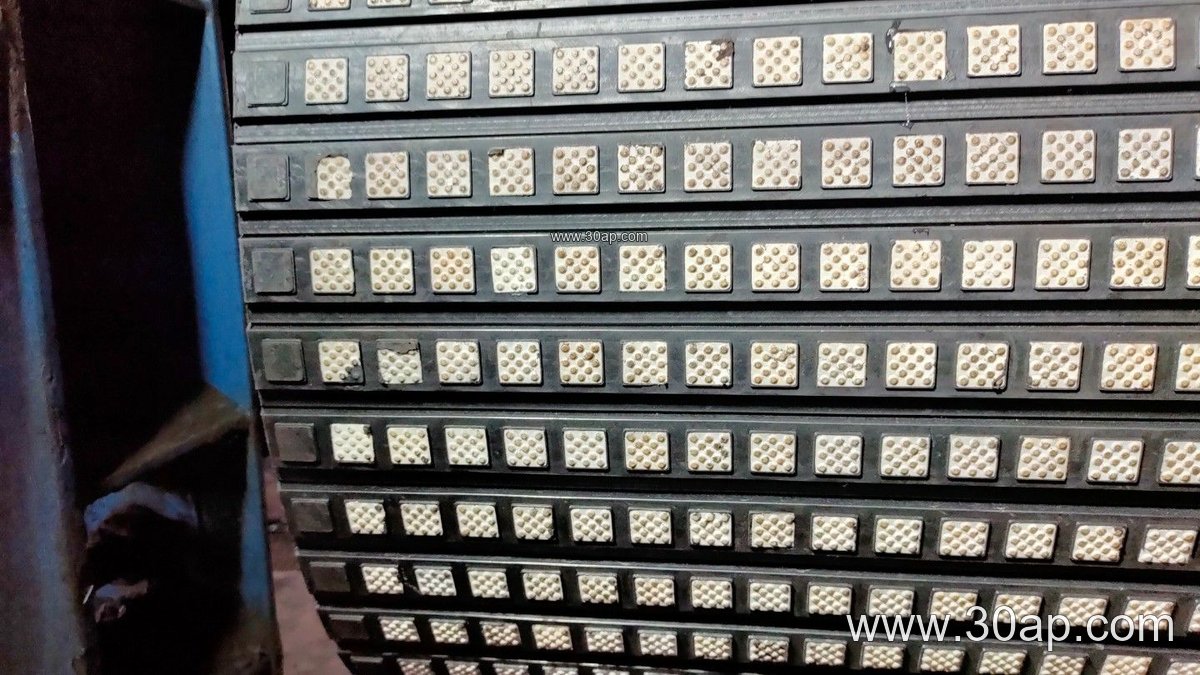
The drum body is typically a welded steel shell with machined end discs, a shaft sized by torque and load, and bearing housings that bolt to the conveyor bracket. Shaft diameters commonly range from Ø50 to Ø200 mm, but the final value follows drive calculations rather than belt width alone. Lagging protects the shell and raises friction: plain, cold-bonded rubber, hot-vulcanized rubber, diamond groove, herringbone, and ceramic lagging are all available, with common lagging thicknesses of 8, 10, 12, 15, and 20 mm.
Reference dimensions below are typical guidance, not fixed pairings.
- Belt width B400: drum face around 500 mm
- Belt width B650: drum face around 750 mm
- Belt width B800: drum face around 950 mm
- Belt width B1000: drum face around 1150 mm
- Belt width B1200: drum face around 1400 mm
- Belt width B1400: drum face around 1600 mm
Combinations such as B800 × Ø500, B1200 × Ø1000, and B1400 × Ø800 are often quoted in project specifications, yet a given belt width can accept more than one diameter. Diameters from Ø200 up to Ø1800 appear in heavy-duty practice, and the choice depends on belt tension, wrap angle, and space at the tail station.
Where It Fits in Hard Working Plants
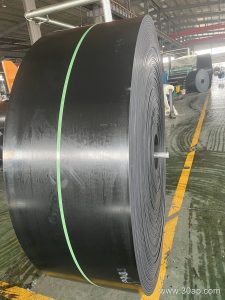
In a limestone quarry or aggregate line, a rear-mounted drive drum often sits under the crusher feed point, where dust and impact are constant. In a coal preparation plant or power plant coal yard, flame retardant and anti-static requirements usually extend to the lagging and the belt itself, so a flame retardant conveyor belt or fire resistant conveyor belt is matched with a properly specified drum. Cement plants handling clinker prefer abrasion resistant lagging, while iron ore and copper ore operations may need a heavy-duty mining conveyor belt running over the same drum for years.
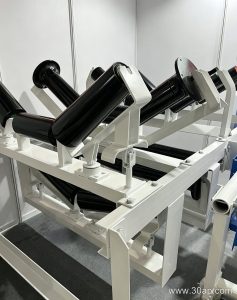
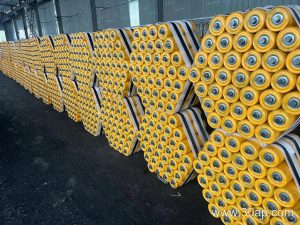
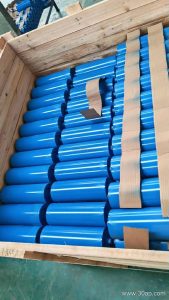
The drum also works with the conveyor belt, idler roller sets, and conveyor pulley assemblies along the line. A poorly aligned tail drive can cause belt wander, edge wear, and premature cover damage, even on a premium EP conveyor belt or steel cord conveyor belt.
Selection Points for Buyers
Start with the drive duty: motor power, starting torque, belt speed, and the required friction coefficient. Then confirm the belt construction, because a multi-ply fabric core conveyor belt, an NN conveyor belt, or a steel cord belt each transfers load differently. Check the wrap angle and whether a snub or pressure pulley is needed to increase contact. Ask for the shaft material and bearing type, the lagging groove pattern, and the balancing grade. Confirm that the drum face width exceeds the belt width and that the bracket interface matches the existing structure.
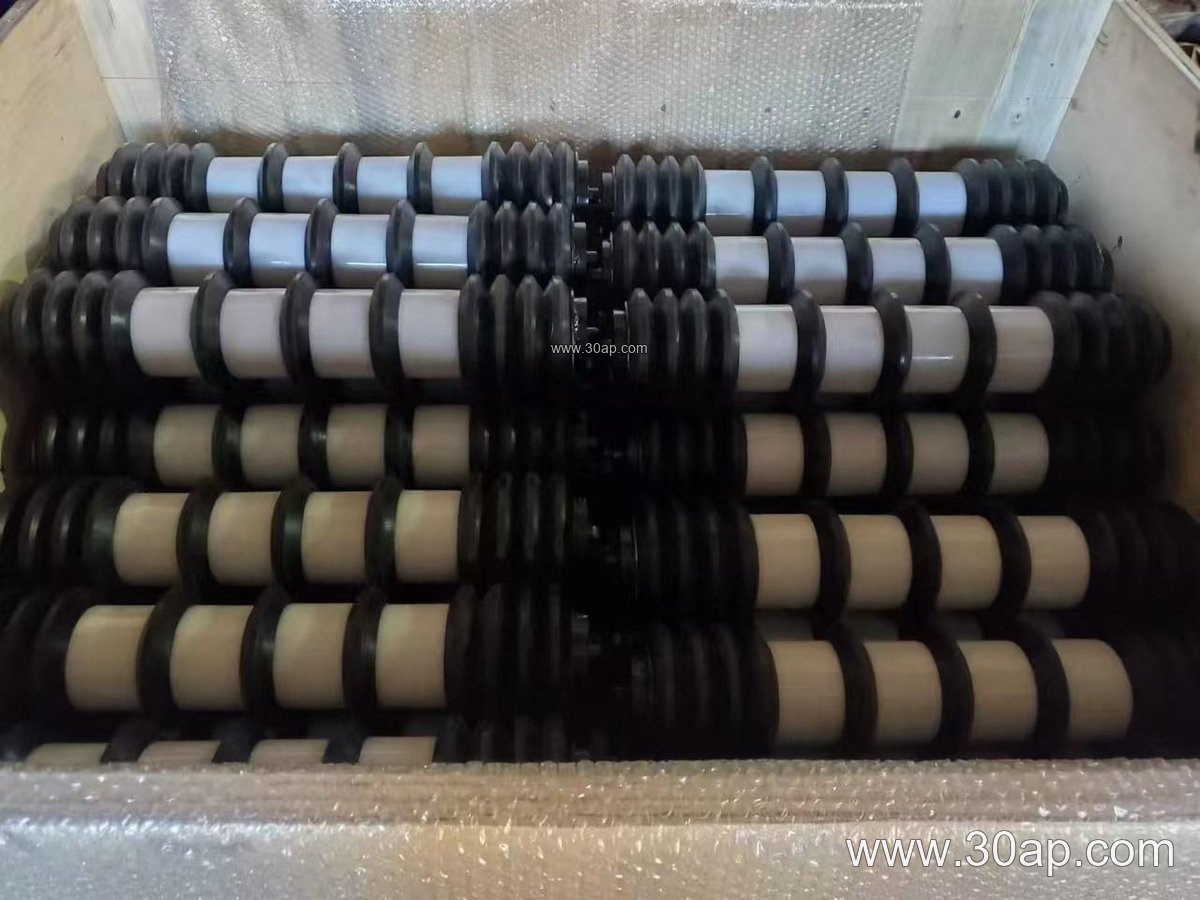
Finally, request a drawing showing shaft diameter, keyway, bearing centers, and lagging thickness. For a quarry conveyor belt or a bulk material conveyor belt handling wet, sticky material, smooth lagging may slip, so diamond or ceramic lagging is worth discussing. A tail drive drum is a long-term investment, and the specification sheet should reflect the real load case rather than a catalogue default.
Installation and Maintenance Notes
Align the drum squarely with the conveyor centerline before tensioning the belt. Check lagging wear at regular intervals, especially in crushing and screening circuits where fines pack into grooves. Re-torque bearing bolts after the first weeks of operation, monitor vibration, and keep the return strand clear of spillage. When replacing lagging, record the original thickness and pattern so the friction behaviour stays predictable.
For more conveyor drum, belt, and roller references, visit pkmconveyor.com and review the technical pages before finalizing your specification.