What Is a 2400mm Conveyor Belt
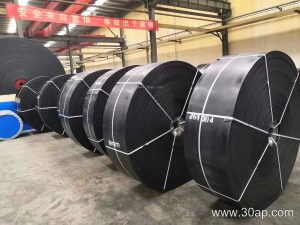
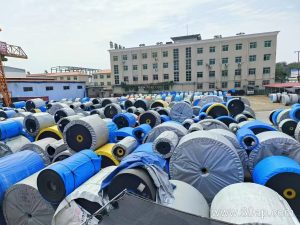
A 2400mm conveyor belt is a wide, heavy-duty belt designed for high-capacity material handling in industries such as mining, coal, cement, power plants, and aggregate processing. This width allows for large cross-sectional loads and efficient transport of bulk materials over long distances. Often referred to as an extra-wide conveyor belt, the 2400mm variant is typically custom-built to meet specific site requirements, with construction and compound selected according to the application.
Construction and Key Components
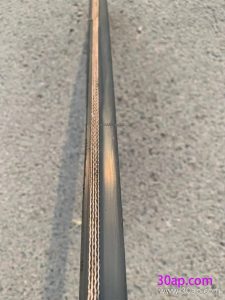
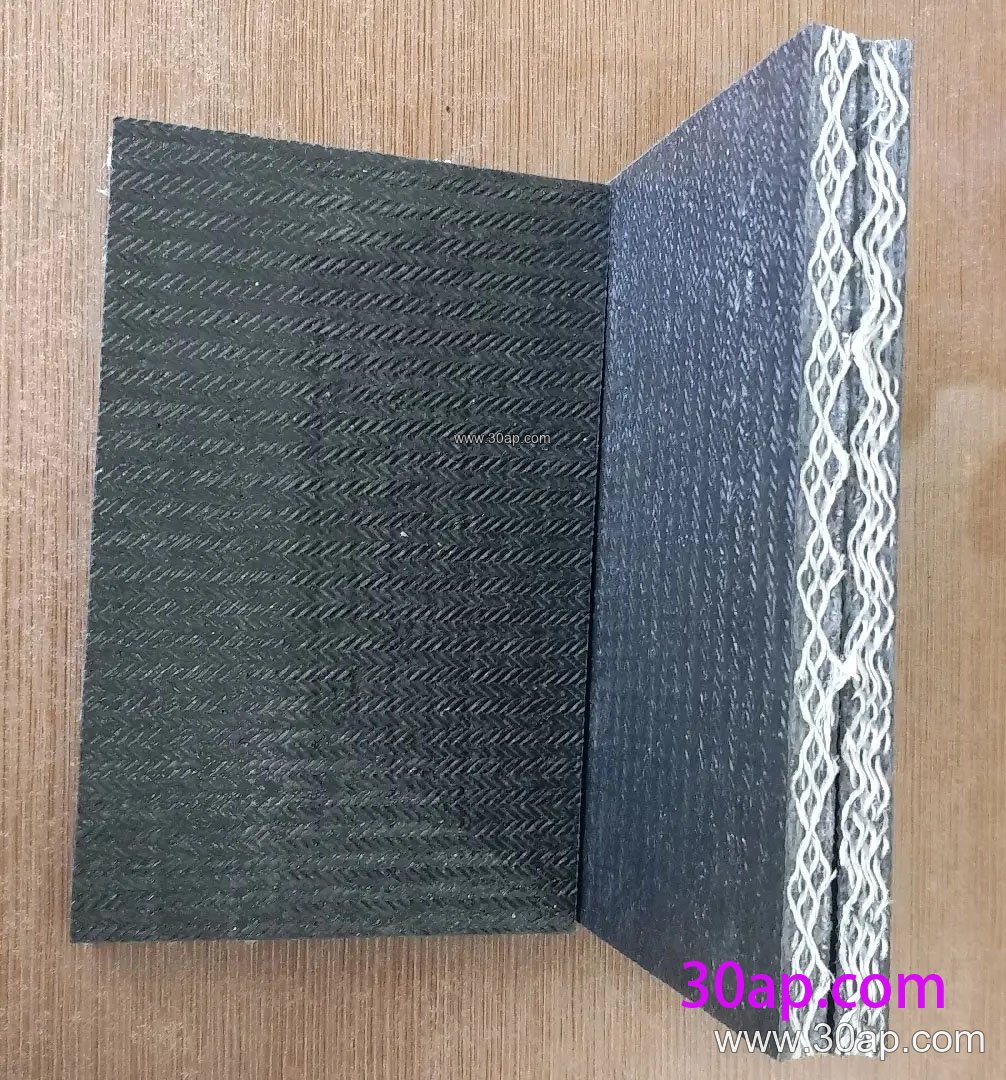
The 2400mm conveyor belt is available in several constructions to suit different operating conditions. Common types include fabric core belts such as EP conveyor belt (polyester-nylon) and NN conveyor belt (nylon-nylon), as well as steel cord conveyor belts for extremely high tension and long hauls. The belt consists of a carcass (fabric plies or steel cords) and rubber cover layers. Cover thickness and quality are chosen based on the material being conveyed—abrasive, hot, oily, or otherwise.
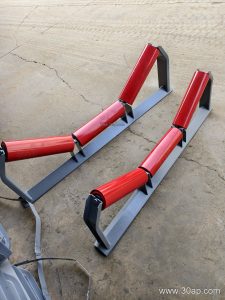
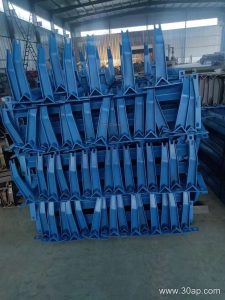
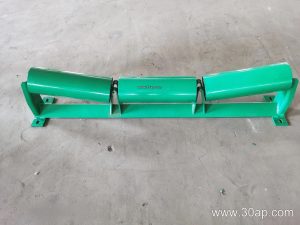
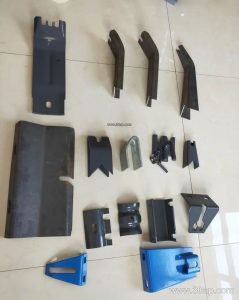
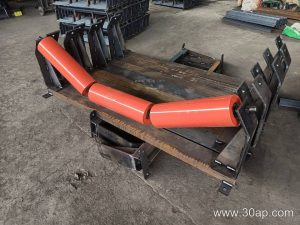
For a 2400mm wide belt, typical cover thickness might range from 6+2 mm to 8+3 mm, with fabric plies from 2 to 6 layers depending on the required strength. Steel cord belts are specified by cord strength, such as ST1000 to ST3150, and are often used in main haulage conveyors. The belt works in conjunction with conveyor pulleys (drive, tail, and bend pulleys), idler rollers, and conveyor brackets to form a complete system. Each component must be correctly sized and matched to the belt width and load.
Applications in Heavy Industry
Due to its large width, the 2400mm conveyor belt is frequently found in high-tonnage operations. In the mining sector, it is used for ore transport—including iron ore, copper ore, and coal—where high abrasion resistance and impact resistance are critical. A heavy-duty mining conveyor belt in this width can handle lump sizes and drop heights that would damage narrower belts. In cement plants, it conveys clinker, limestone, and additives, often requiring heat resistant conveyor belt properties. Power plants use wide belts for coal handling, where flame retardant conveyor belt grades are essential for safety. Quarries and aggregate plants employ 2400mm belts in primary crushing circuits, benefiting from abrasion resistant conveyor belt covers to withstand sharp, rough materials.
Other industries include steel plants, ports, and ship loading facilities, where bulk material conveyor belts of this width ensure rapid loading and unloading. In underground coal mining, PVG conveyor belt (polyvinyl chloride) or flame retardant variants are common, although 2400mm is less typical underground due to space constraints; it is more often seen in surface operations. Nonetheless, where clearance allows, an underground mining conveyor belt of this width can be used for main trunk lines.
Specifications and Selection Considerations
When selecting a 2400mm conveyor belt, several parameters must be defined. The table below outlines common specification ranges for reference; actual values should be determined by the conveyor design engineer and confirmed with the manufacturer.
| Parameter | Common Range / Options | Notes |
|---|---|---|
| Belt width | 2400 mm | Extra-wide; custom orders typical |
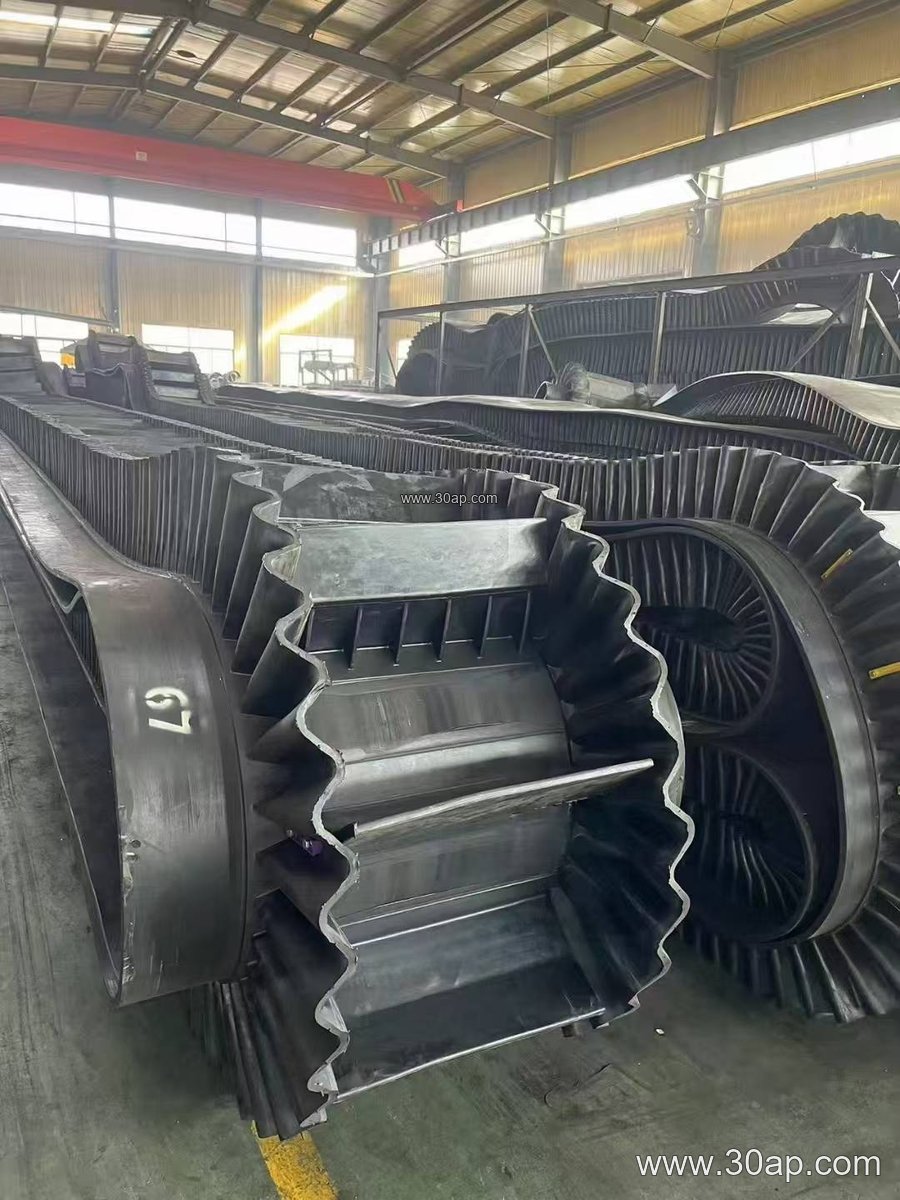
| Belt type | EP, NN, steel cord, PVC/PVG, chevron, corrugated sidewall, etc. | Select based on tension, material, and environment |
| Fabric plies | 2 to 6 | More plies for higher strength |
| Cover thickness | 6+2 mm, 8+3 mm, etc. | Top cover for abrasion/impact; bottom cover for pulley contact |
| Strength (fabric) | EP200 to EP2000, NN100 to NN400 | Higher grades for longer or more loaded conveyors |
| Steel cord strength | ST1000 to ST3150 | For high tension and long distance |
| Special properties | Heat resistant, oil resistant, flame retardant, anti-static, cold resistant | Match to material and environment |
Buyers should consider the material characteristics (abrasiveness, temperature, oil content, flammability), conveyor geometry (length, incline, curve), and environmental conditions (temperature, humidity, fire risk). The belt width must be compatible with pulley face width and idler roller lengths—a 2400mm belt requires appropriately sized pulleys and idlers, but there is no fixed rule that one belt width matches only one pulley diameter; the pulley diameter is determined by belt tension and cord/ply construction. Similarly, shaft diameters are calculated from torque and load, not from belt width alone.
For high-abrasion applications, a high abrasion resistant conveyor belt with thicker top cover is advisable. In hot material handling, heat resistant conveyor belt grades (e.g., EP or steel cord with heat-resistant rubber) should be specified. Where fire safety is paramount, flame retardant conveyor belt (fire resistant conveyor belt) meeting relevant standards is necessary. Oil-resistant and chemical-resistant belts are available for special environments. Anti-static properties are often required in explosive dust atmospheres.
Maintenance and Operational Tips
Proper maintenance extends the service life of a 2400mm conveyor belt. Regular inspection of the belt surface for cuts, gouges, and edge wear is essential. Keep conveyor pulleys and idler rollers aligned and turning freely to prevent belt mistracking and premature wear. Ensure that conveyor brackets are secure and that the structure supports the belt evenly. Belt tension should be checked periodically; excessive tension can reduce belt life, while insufficient tension causes slippage. For spliced belts, monitor joint integrity, especially in high-tension steel cord belts.
Training personnel on correct loading and clearing procedures reduces impact damage. In cold climates, cold resistant conveyor belt compounds prevent cracking. For food or clean applications, food grade conveyor belt is available, though 2400mm width is less common in food processing. Always follow the manufacturer’s recommendations for storage, installation, and splicing.
In summary, the 2400mm conveyor belt is a robust solution for high-capacity bulk handling. By understanding the available constructions and selecting the right specification for the application, operators can achieve reliable and efficient material transport.