What a Fixed Conveyor Bracket Does
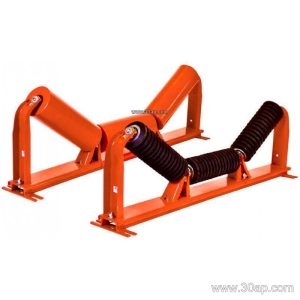
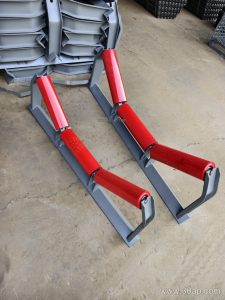
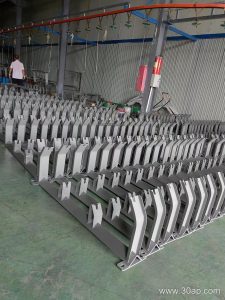
A fixed conveyor bracket is the stationary support frame that holds idler rollers in a set position along the carrying or return side of a belt conveyor. Unlike an adjustable bracket, it is built to one geometry: a defined trough angle, a defined roller spacing, and a defined mounting height. Once bolted to the conveyor stringer, it does not move, which keeps the belt profile constant from the load point to the discharge. In a quarry conveyor line or a power plant coal handling system, this consistency is what prevents material spillage and reduces belt edge wear.
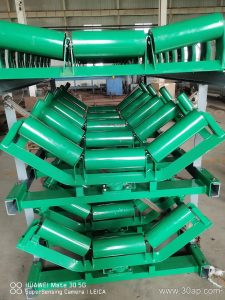
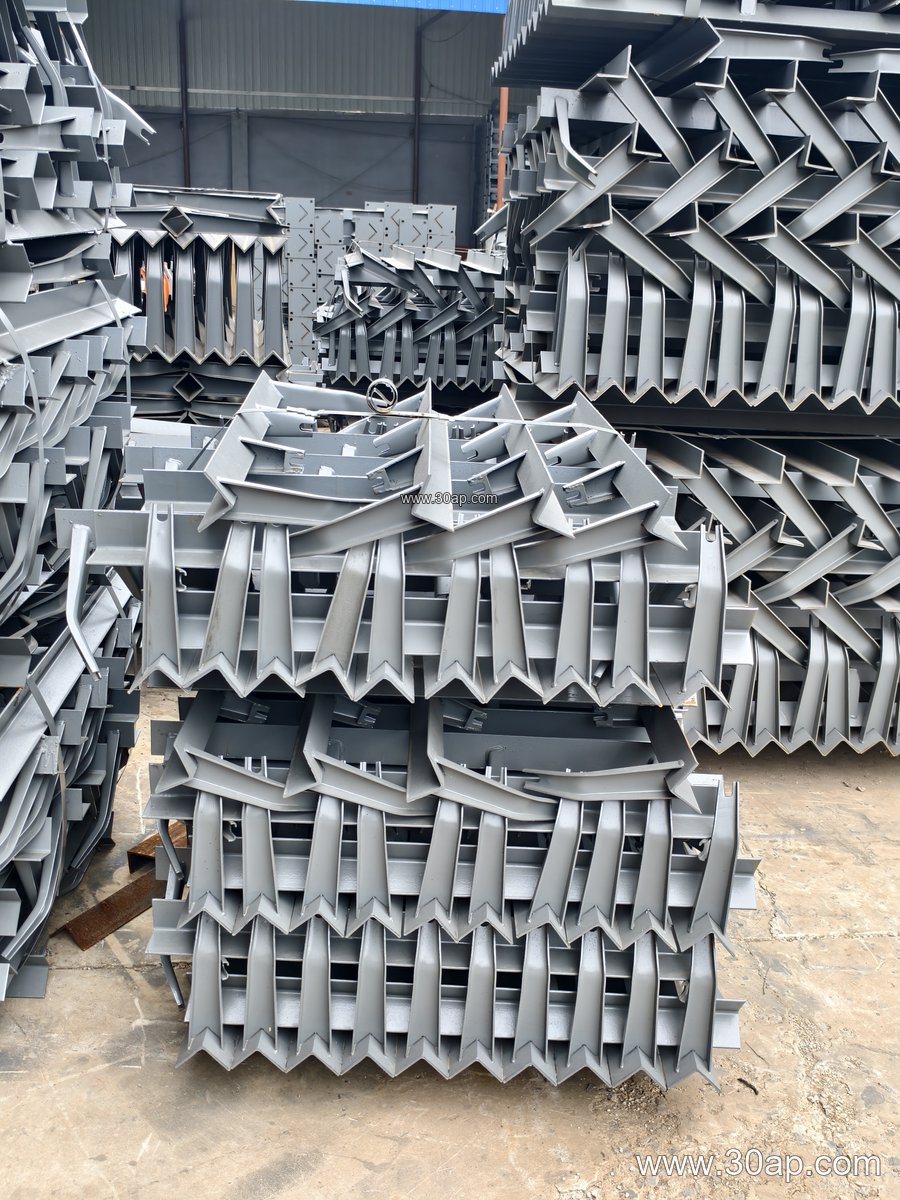
The bracket is often supplied as a complete assembly for a troughed run, with three or five roller positions, or as a simpler return-side frame. Buyers sometimes call it a fixed idler bracket or a stationary roller support frame. These are the same product, and the fixed version is deliberately not interchangeable with a self-aligning or training bracket, which serves a different purpose.
Construction and Materials
Most fixed brackets are fabricated from angle steel, channel steel, or bent steel plate. The choice depends on load and environment. Angle steel is common for lighter runs, while channel sections are used where heavier bulk material and wider belts demand more rigidity. Welded joints are typically ground and the frame is coated or galvanized for corrosion protection.
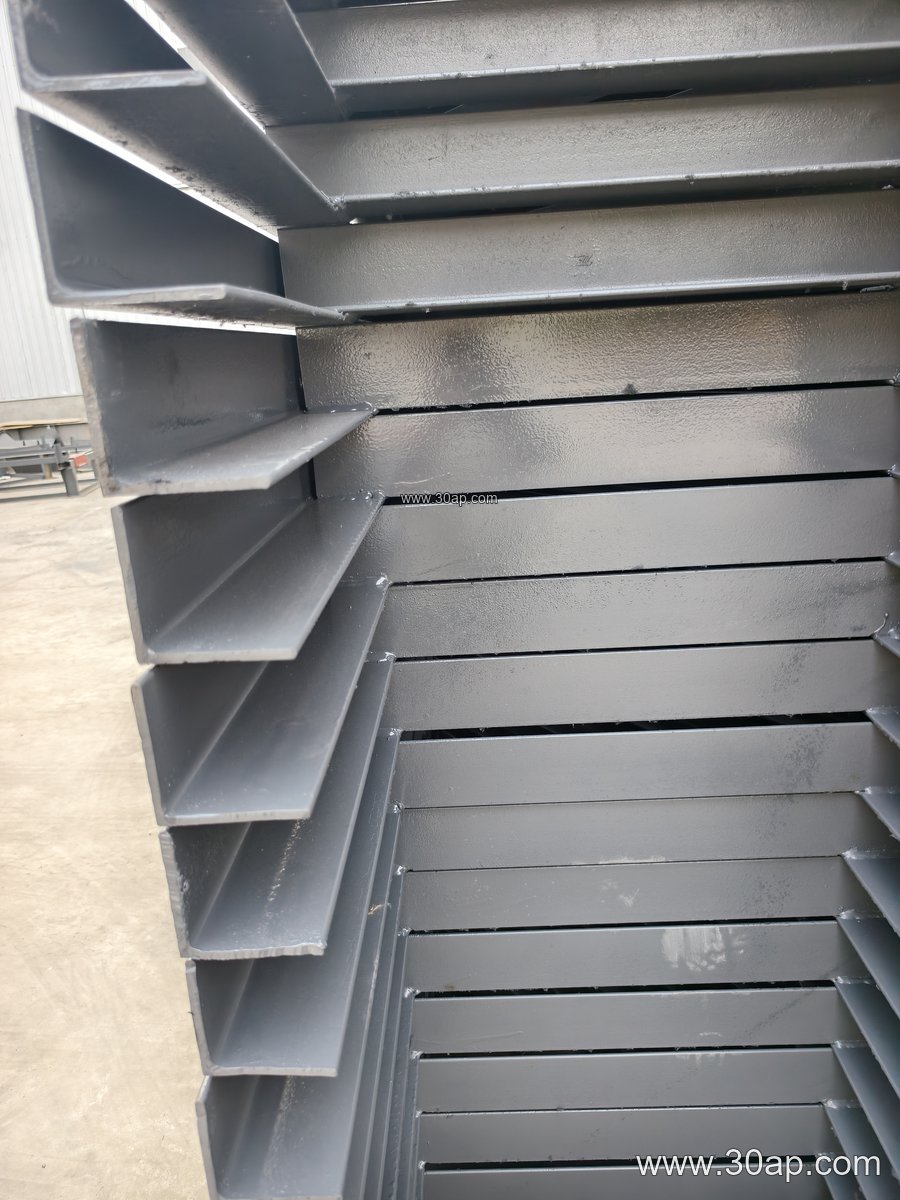
Key dimensions are set by the conveyor design, not by a universal rule. The mounting hole spacing and crossbeam length change with belt width and trough angle, so a bracket for a B800 conveyor is not the same part as one for a B1400 conveyor. A typical fixed bracket for a 35 degree trough might carry rollers of Ø108 or Ø133, while a heavy-duty frame on a wider belt may use Ø159 or Ø194 rollers. None of these pairings is mandatory; the correct combination comes from the belt width, material load, and idler spacing.
Common Configurations
Fixed brackets appear in several forms, each matched to a position on the conveyor:
- Troughing bracket on the carrying side, usually set at 20, 30, 35, or 45 degrees.
- Transition bracket near the head or tail, where the belt moves between flat and troughed profiles.
- Return bracket on the lower strand, including flat and V-shaped return frames.
- Impact bracket under the loading point, fitted with cushion rollers to absorb falling material.
Belt widths in common use range from B500 up to B2000 and beyond, and the bracket is always sized to the belt it supports. For example, a B1000, 30 degree, Ø133 arrangement is a common mid-range setup, while B650, 30 degree, Ø89 suits a narrower secondary conveyor. These are reference combinations only; the final choice should follow the conveyor designer’s specification.
Where Fixed Brackets Are Used
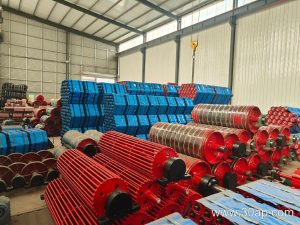
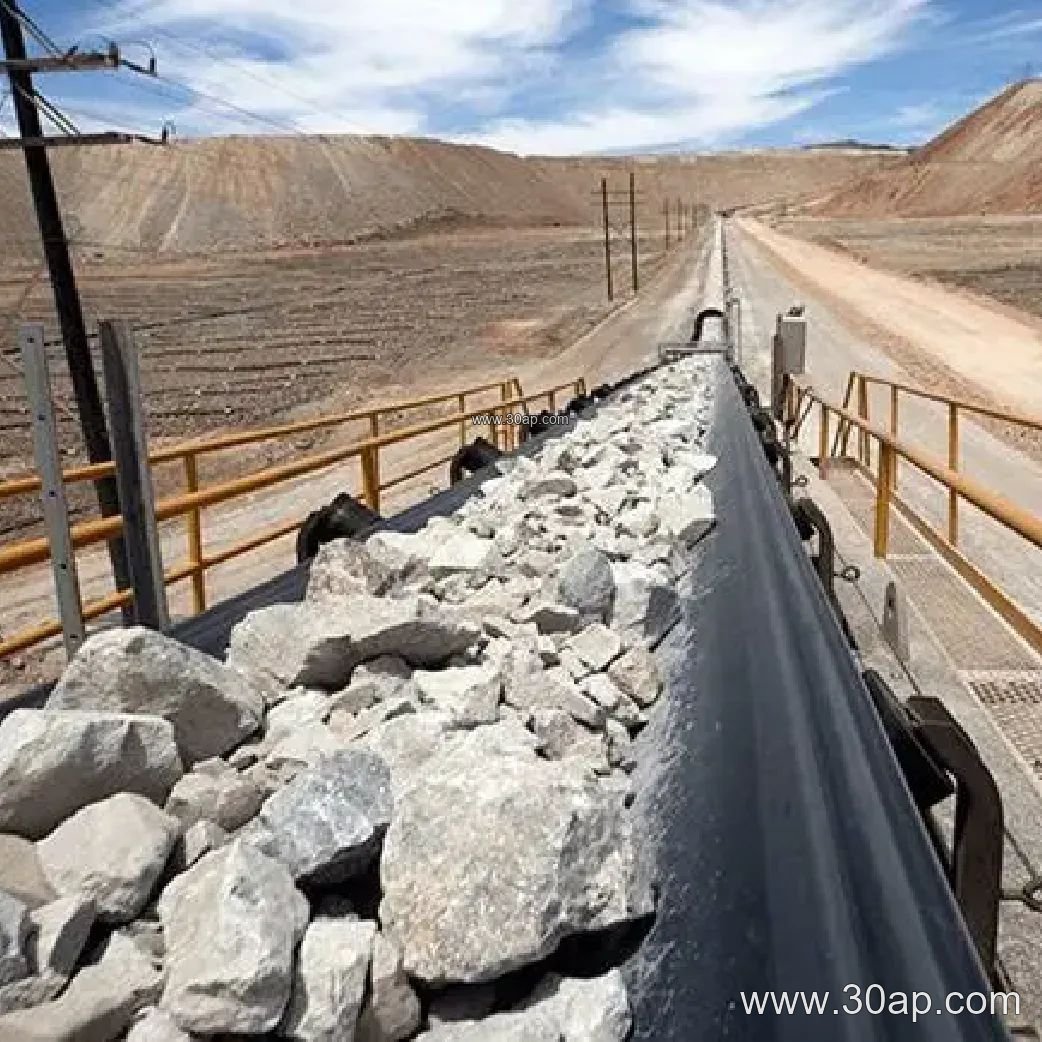
Fixed conveyor brackets are found wherever a stable belt line matters. In a limestone quarry or aggregate crushing and screening plant, they carry the belt through dusty, high-impact conditions. In a cement plant, they support clinker and raw material transfer lines. In a coal-fired power plant, the coal handling system relies on them for steady troughing. Port bulk terminals and iron ore operations also use heavy fixed frames where belt alignment must stay predictable under continuous load.
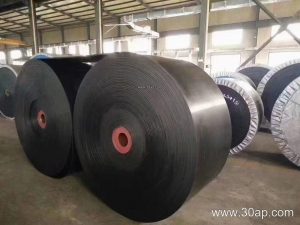
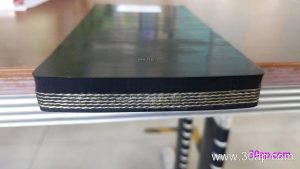
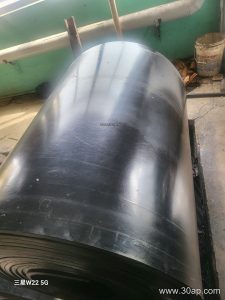
The bracket never works alone. It holds the idler roller, the roller carries the conveyor belt, and the belt carries the material. The whole chain depends on correct spacing and alignment. For high-abrasion service, an abrasion resistant conveyor belt reduces wear on the belt cover, and a flame retardant conveyor belt is often specified in underground coal mining conveyors where fire safety is critical. A heat resistant conveyor belt suits cement or sinter lines with hot material, while an EP conveyor belt or steel cord conveyor belt is selected where tension and distance demand higher strength.
Buyer Checklist
Before ordering, confirm the belt width, trough angle, roller diameter, and mounting hole pattern. Check whether the frame is for the carrying side or return side, and whether impact or transition duty applies. Ask about material thickness and coating if the site is wet, salty, or chemically exposed. For replacement work, measure the existing stringer hole spacing rather than assuming a standard.
Installation should keep brackets square to the belt centerline and at consistent height. A fixed bracket cannot correct misalignment on its own, so shimming and stringer accuracy matter. During maintenance, inspect for bent frames, loose bolts, and worn roller seats, because a deformed bracket will quickly wear the belt edge. Matching the frame to the actual conveyor duty, rather than to a catalog default, is the safest approach.