Understanding the Coal Conveyor Belt
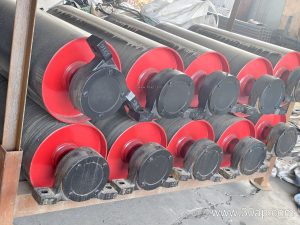
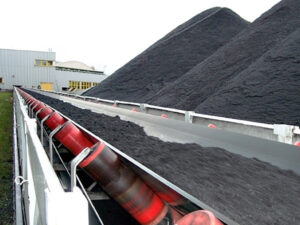
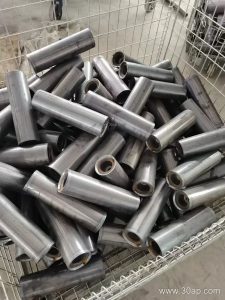
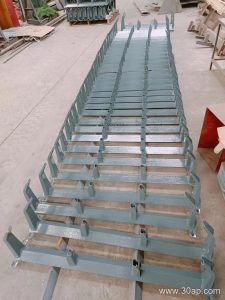
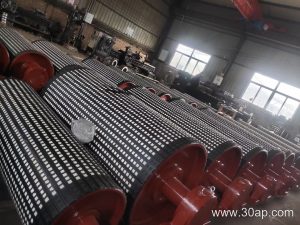
A coal conveyor belt is the critical link in moving raw coal from the mine face, stockpile, or receiving pit to crushers, screening plants, boilers, or ship loaders. Unlike general-purpose belting, this product must handle sharp lumps, abrasive dust, and often flammable or explosive atmospheres. The belt works together with conveyor pulleys, idler rollers, and conveyor brackets to form a continuous haulage system. Whether you operate an underground coal mining conveyor belt or a surface coal conveyor belt at a power plant, the belt’s construction directly affects uptime and safety.
Construction and Key Components
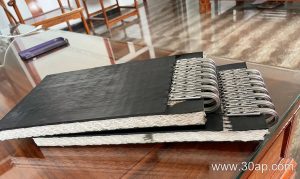
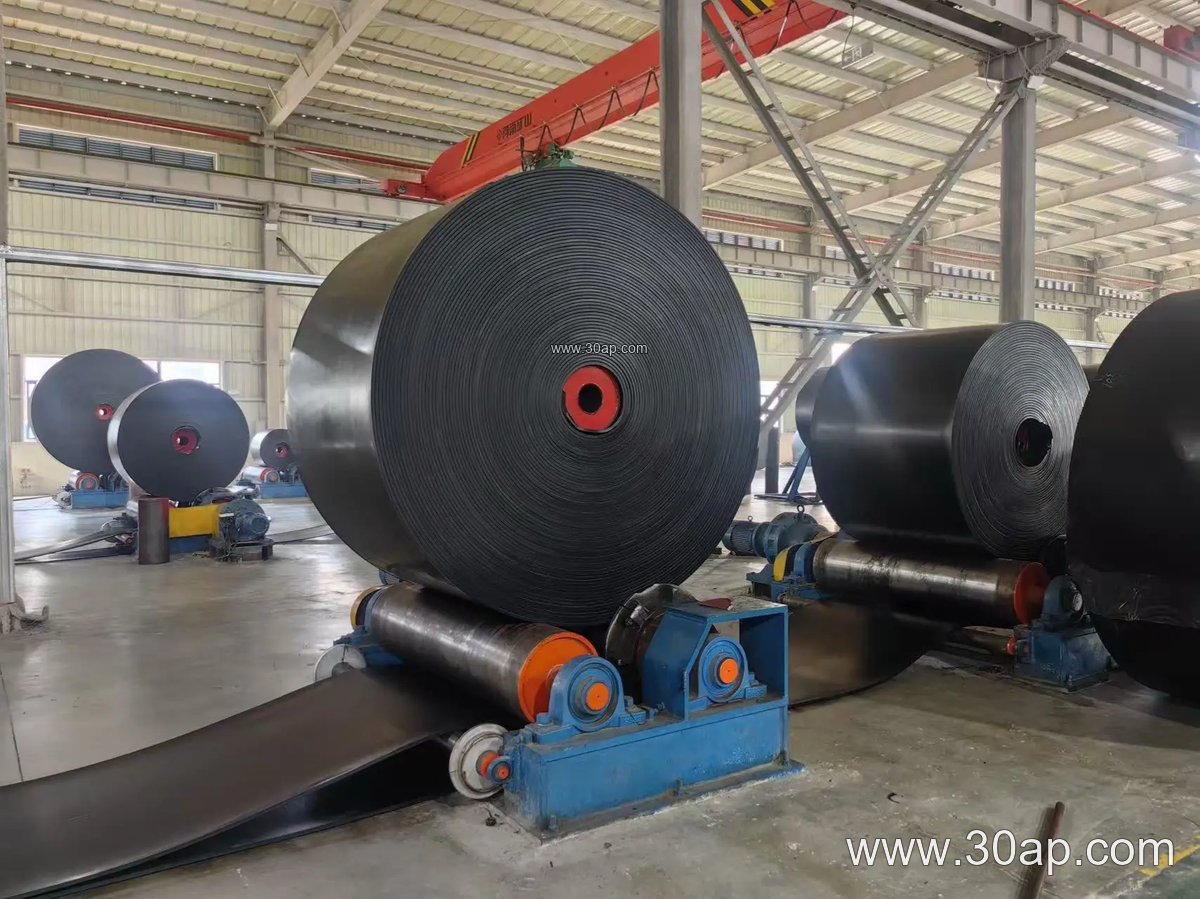
Most coal conveyor belts use a fabric core or steel cord tension member covered by rubber. Common carcass options include EP conveyor belt (polyester-nylon) and NN conveyor belt (nylon-nylon), both available as multi-ply fabric core conveyor belt constructions. For high-tonnage mainlines, a steel cord conveyor belt provides higher tensile strength with fewer splices. The cover rubber is selected for the job: abrasion resistant conveyor belt grades resist coal dust and fines, while flame retardant conveyor belt and fire resistant conveyor belt compounds are essential in underground coal mining conveyor belt and enclosed transfer houses. Anti-static conveyor belt properties help dissipate static charge in dusty environments. In cold climates, a cold resistant conveyor belt prevents cracking during winter starts.
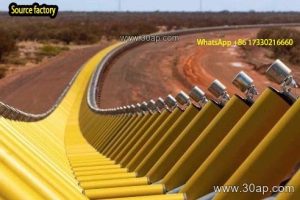
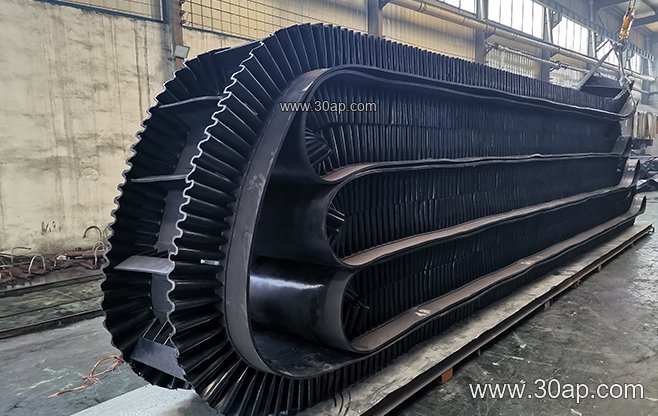
Specialty profiles solve specific handling problems. A chevron conveyor belt or corrugated sidewall conveyor belt can prevent coal from sliding back on steep inclines, while a pipe conveyor belt encloses the material to reduce dust escape. For coal that contains oil or chemicals, an oil resistant conveyor belt or chemical resistant conveyor belt may be considered, but always verify compatibility with the actual coal and ambient conditions.
Typical Specifications and Dimensions
Coal conveyor belts are commonly specified by belt width, carcass type, strength, and cover thickness. The table below shows representative reference values; actual selection depends on conveyor design, lump size, and operating conditions. These are not mandatory combinations, and a single belt width can be paired with different pulley diameters.
| Parameter | Common Reference Range |
|---|---|
| Belt width (B) | B500, B650, B800, B1000, B1200, B1400, B1600, B1800, B2000 |
| EP fabric strength grades | EP200, EP315, EP400, EP500, EP630, EP800, EP1000, EP1250, EP1600, EP2000 |
| Cover rubber thickness | 3+1.5 mm, 4+2 mm, 5+2 mm, 6+2 mm, 8+3 mm |
| Carcass plies (fabric) | 2 to 6 plies, depending on strength class |
| Steel cord grades (example) | ST1000, ST1250, ST1600, ST2000, ST2500, ST3150 |
For example, a 1200mm wide conveyor belt with EP1000 carcass and 6+2 mm covers is often seen in main haulage, while a 650mm or 800mm belt may serve a secondary transfer. Underground coal mining frequently uses PVG conveyor belt (PVC with fabric core) or PVG800S for flame retardant and anti-static performance. Always confirm the belt’s pull strength, cover grade, and splice method with the conveyor designer.
Where Coal Conveyor Belts Are Used
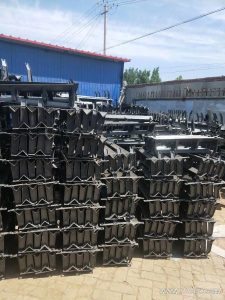
You will find these belts across many industries: underground coal mining conveyor belt systems, coal-fired power plants, cement plants handling coal and limestone, ports and ship loading terminals, and quarry or aggregate operations where coal is part of the mix. In a coal mining conveyor belt installation, the belt may run over hundreds of meters, supported by idler rollers and driven by head and tail pulleys. Conveyor brackets hold the idlers and pulleys in alignment, and any misalignment increases belt edge wear. In power plant coal yards, flame retardant and anti-static properties are often mandatory, while cement plants may prioritize abrasion resistance for clinker and coal handling.
Buyer Checklist and Maintenance Notes
- Match the belt’s tensile strength to the conveyor’s calculated tension, not just to the motor power.
- Select cover thickness and grade based on lump size, drop height, and coal abrasiveness.
- For underground use, confirm flame retardant and anti-static properties; for surface plants, consider heat resistant conveyor belt if coal is hot from nearby processes.
- Check pulley diameters and idler spacing with the belt manufacturer; a thicker belt may require larger pulleys.
- Inspect idler rollers and conveyor pulleys regularly for seized bearings or buildup that can damage the belt.
- Track belt edges and maintain proper tension; a misaligned belt wears faster regardless of cover quality.
Whether you need a standard EP conveyor belt for a coal stockpile or a heavy-duty steel cord conveyor belt for a long overland route, the right choice balances carcass strength, cover compound, and the realities of your site. For more information on coal conveyor belt options and compatible conveyor components, visit our product pages at www.example.com/coal-conveyor-belt and www.example.com/conveyor-pulley.