What a High Impact Resistant Idler Does at the Load Zone
Every conveyor belt receives its roughest treatment where material first lands. A high impact resistant idler is the support roller placed at that transfer point to absorb falling energy, protect the belt cover, and keep the trough shape steady under a sudden load. In a quarry, a crusher discharge, or a coal handling system, this component works harder than any standard carrying idler on the same line.
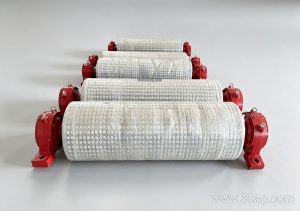
The design is not simply a thicker tube. Rubber rings, flexible discs, or heavy-duty roller shells are combined with reinforced bearings and a sturdy frame so the roller can deflect without permanent deformation. When sized correctly, it reduces point pressure on the conveyor belt and limits the risk of cover gouging, carcass damage, and premature splice failure.
Construction Details That Matter
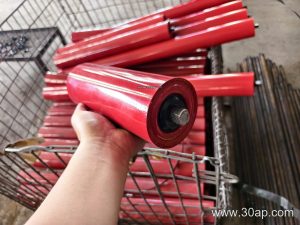
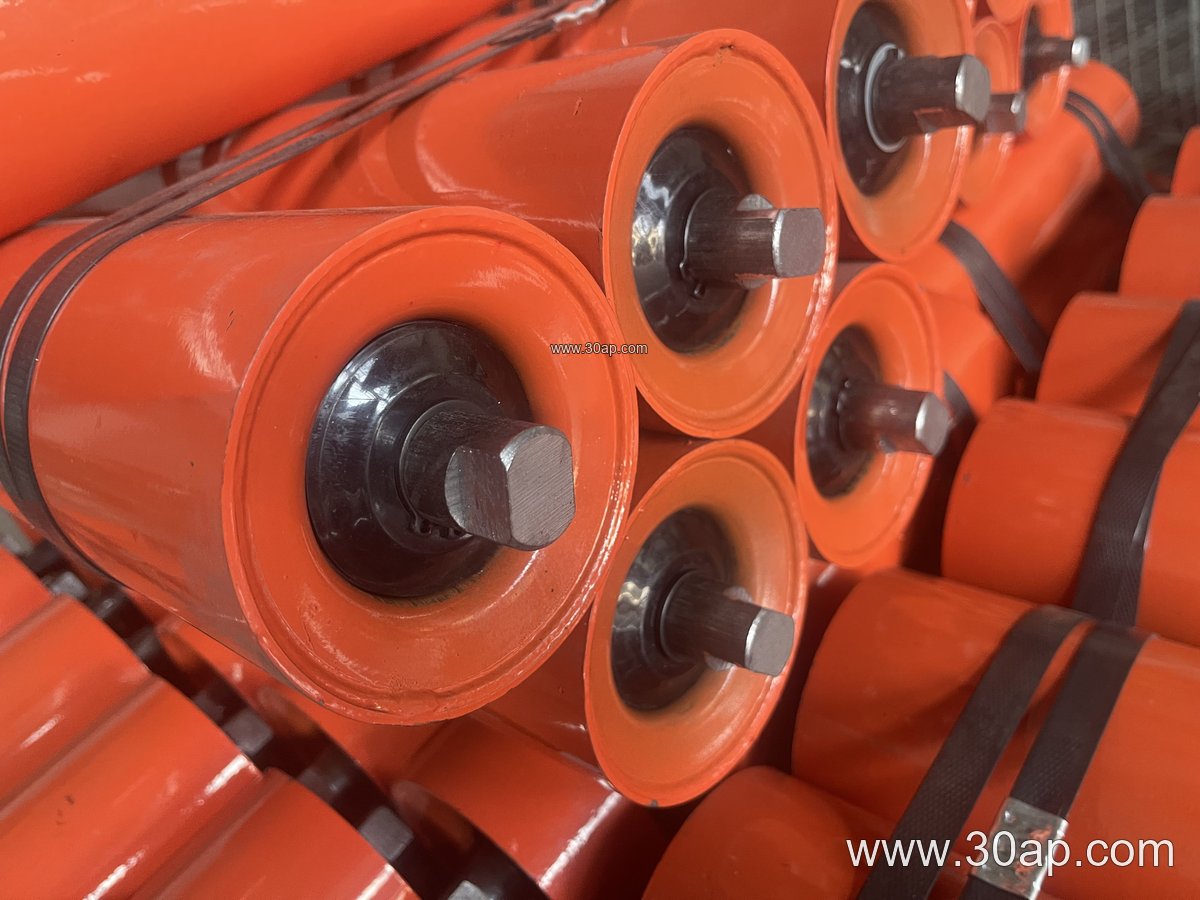
A typical impact roller uses a steel tube with a wall thickness above that of a general carrying idler, fitted with rubber impact rings or a continuous rubber sleeve. The rubber rings are spaced to spread the load and can be replaced on some designs without removing the whole roller from the conveyor bracket.
- Roller shell: heavy-gauge steel tube, often with a rubber or polyurethane outer layer.
- Bearing arrangement: commonly 6205, 6305, 6306, or 6308 deep groove ball bearings in sealed housings; final choice depends on load and speed.
- Shaft: fixed or through-shaft design matched to the bracket, not selected from belt width alone.
- Sealing: labyrinth or contact seals to keep out dust and water in stone crushing, cement, and power plant coal handling.
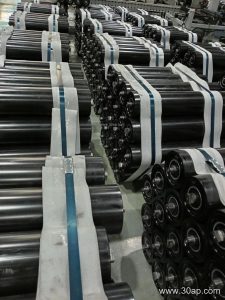
Rubber ring impact idlers are common where lumps are large. A smooth rubber-covered roller may suit finer, abrasive material. Neither form replaces a standard troughing idler along the full carrying run; they are installed where impact is concentrated.
Where the Roller Fits on the Conveyor
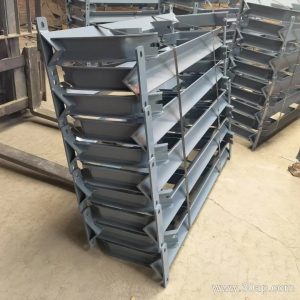
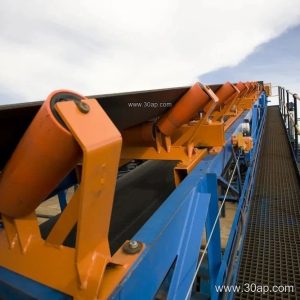
The high impact resistant idler is normally used in the impact cradle or impact bed directly below the loading chute. It may appear as a single roller, a two-roller set, or a three-roller troughing arrangement, with trough angles of 20, 30, 35, or 45 degrees. The transition from the impact zone to the standard carrying idlers should be gradual so the belt does not develop a kink.
Common service locations include:
- Primary and secondary crusher discharge in aggregate and ore plants.
- Coal mining conveyor transfer points, including underground coal mining conveyor systems.
- Cement plant clinker and limestone handling.
- Power plant coal unloading and bunker feed lines.
- Port ship loading and stockyard transfer conveyors.
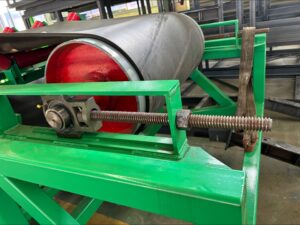
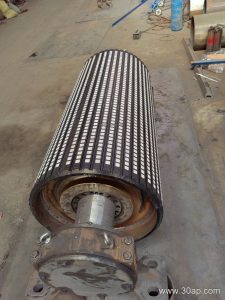
In these places the roller works together with the conveyor pulley at the head or tail, the conveyor bracket that holds the idler frame, and the belt itself. A heavy-duty mining conveyor belt or abrasion resistant conveyor belt will tolerate more impact, but no belt should be expected to absorb lump energy without proper support.
Common Dimensions and Matching Considerations
Impact idlers follow the same nominal roller diameter and belt width ranges as other carrying idlers, but the final selection depends on lump size, drop height, throughput, and belt speed. The table below gives common reference values, not a fixed selection rule.
| Reference item | Common range or example |
|---|---|
| Roller diameter | Ø89, Ø102, Ø108, Ø127, Ø133, Ø159, Ø178 mm |
| Belt width | B650, B800, B1000, B1200, B1400, B1600, B1800 mm |
| Roller length (three-roll trough, example) | B800 about 315 mm; B1000 about 380 mm; B1200 about 465 mm; B1400 about 530 mm |
| Trough angle | 20°, 30°, 35°, 45° |
| Bearing example | 6205, 6305, 6306, 6308 |
| Surface form | Rubber ring, rubber sleeve, plain steel |
A wider belt does not automatically dictate one pulley diameter, and a given belt width can be supported by different roller diameters. Side rollers and center rollers may have different lengths within the same trough set. Buyers should confirm mounting dimensions, shaft ends, and bracket spacing with the conveyor designer.
Buyer Checklist Before Ordering
- Confirm the actual drop height and maximum lump size at the load point.
- Check whether the existing frame accepts a single roller, two-roller, or three-roller impact set.
- Match bearing and seal class to the environment: dusty quarry, wet coal, or hot clinker.
- Verify roller diameter and length against the conveyor bracket, not only against belt width.
- Consider rubber ring replacement access and spare part availability.
- Review belt type: a heavy-duty conveyor belt, EP conveyor belt, or steel cord conveyor belt may need different impact support.
At sites handling abrasive rock, a high abrasion resistant conveyor belt paired with well-placed impact idlers usually gives longer service than upgrading the belt alone. For heat exposure, a heat resistant conveyor belt may be needed, while the idler rubber compound should also be checked for temperature limits.
Maintenance Notes
Inspect impact idlers after the first weeks of operation and then at regular intervals. Look for flattened rubber rings, loose brackets, grease leakage, and belt tracking changes near the load zone. A worn impact roller can allow the belt to sag into the chute structure, so replacing worn rings early is cheaper than repairing a damaged belt. Keep the area below the chute free of buildup, since packed material can lift the roller and change the impact angle.
For matching conveyor components, review the conveyor belt specification together with the idler and conveyor pulley drawings. A balanced load zone uses the right high impact resistant idler, a suitable belt cover, and a frame that keeps everything aligned.