What an Industrial Conveyor Pulley Does
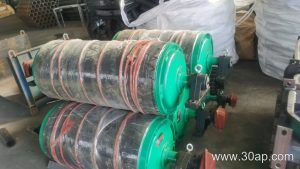
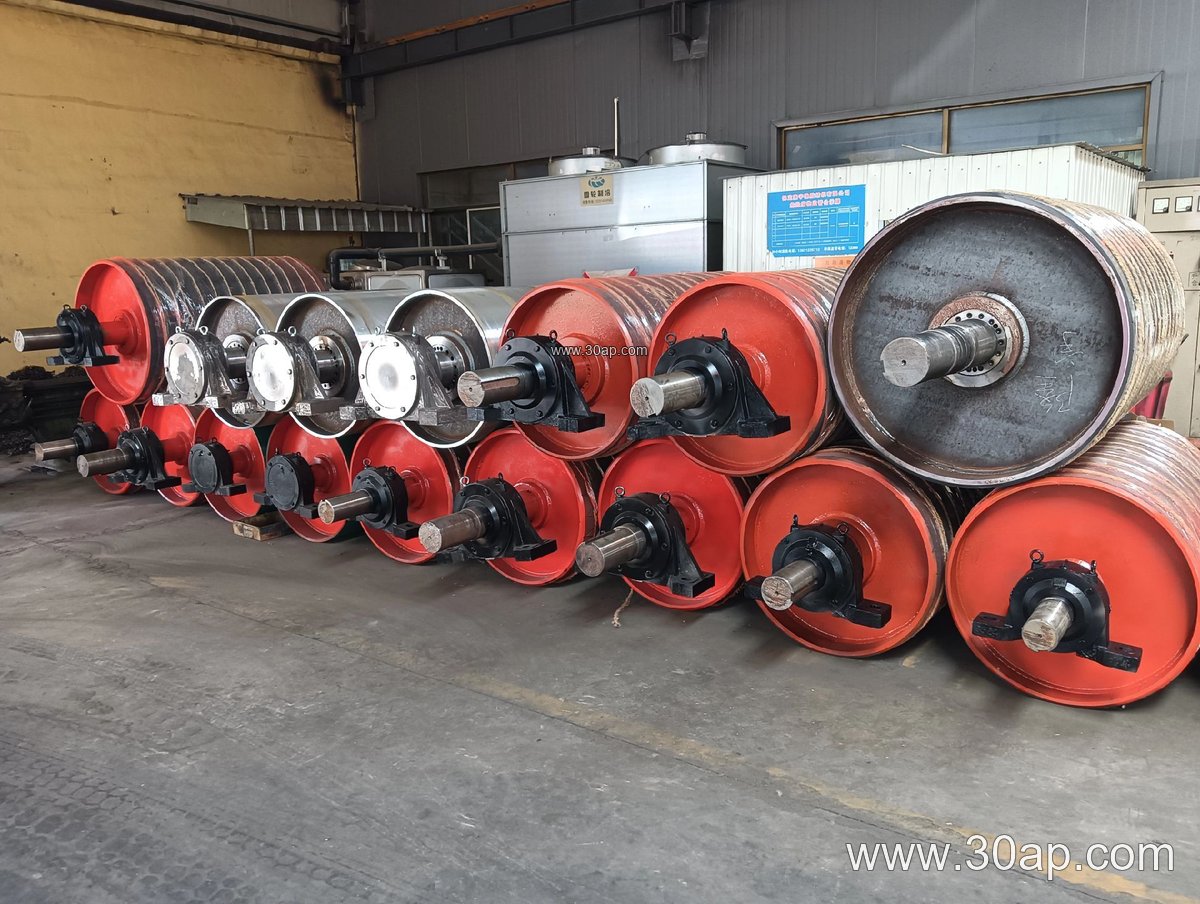
An industrial conveyor pulley is the cylindrical component that drives or redirects a conveyor belt. It transfers motion from the drive system to the belt and supports the belt at key points along the conveyor route. In a typical bulk handling line, the pulley works together with the conveyor belt, idler roller, and conveyor bracket to keep material moving efficiently. Whether you are running a quarry conveyor belt, a coal mining conveyor belt, or a cement plant conveyor belt, the pulley is a critical link in the system.
Common Pulley Types and Their Roles
Pulleys are not interchangeable. The drive pulley, also called the head pulley, is connected to the motor and provides the power to move the belt. The tail pulley is located at the opposite end and helps maintain belt tension and tracking. Bend pulleys change the belt direction, often in the tensioning system. Other types include the take-up pulley, snub pulley, and wing pulley. Each serves a distinct function, and selecting the right type for each position is essential for reliable operation.
Construction and Surface Options
An industrial conveyor pulley typically consists of a steel shell, shaft, hubs, and end discs. The shell is often covered with rubber or ceramic to improve grip and reduce wear. Common surface forms include plain, cast rubber, cold-bonded rubber, hot-vulcanized rubber, diamond grooving, herringbone grooving, and ceramic lagging. Lagging thickness commonly ranges from 8 mm to 20 mm, depending on the application. For high-abrasion environments such as iron ore conveyor belts or aggregate conveyor belts, ceramic lagging may be preferred. In coal mining, flame retardant conveyor belt and anti-static properties are also important considerations.
Matching Pulley Dimensions to the Conveyor
Pulley dimensions are selected based on belt width, load, and torque requirements. The pulley face width is usually wider than the belt to allow for tracking. For example, a B800 belt might use a pulley face width of around 950 mm, while a B1200 belt may need approximately 1400 mm. Diameters commonly range from Ø200 to Ø1800, with larger diameters used for higher tensions and thicker belts. Shaft diameters are determined by torque and load, not simply by belt width. Common shaft sizes include Ø50, Ø80, Ø120, and Ø160. The table below shows typical combinations for reference only; actual selection should be confirmed by engineering calculations.
| Belt Width (mm) | Pulley Face Width (mm) | Common Diameter Range (mm) |
|---|---|---|
| B500 | 600 | Ø250–Ø400 |
| B800 | 950 | Ø400–Ø630 |
| B1000 | 1150 | Ø500–Ø800 |
| B1200 | 1400 | Ø630–Ø1000 |
| B1400 | 1600 | Ø800–Ø1250 |
| B1600 | 1800 | Ø1000–Ø1400 |
These values are indicative and should not be taken as fixed rules. A B1200 belt, for instance, may work with a Ø1000 pulley in one system and a different diameter in another, depending on belt speed and tension.
Where Industrial Conveyor Pulleys Are Used
These pulleys are found in a wide range of bulk material handling operations. In a limestone quarry, they drive primary and secondary crusher conveyor belts. In a coal washing plant, they handle coal mining conveyor belts with flame retardant and anti-static properties. Power plants use them in coal handling systems, while cement plants rely on them for clinker and raw material transport. Port facilities use large pulleys for ship loading conveyor belts. Other applications include steel plants, fertilizer plants, and grain silos. The pulley must be matched to the belt type, whether it is an EP conveyor belt, steel cord conveyor belt, or chevron conveyor belt.
Buyer Checklist for Industrial Conveyor Pulleys
When specifying an industrial conveyor pulley, consider the following:
- Confirm the pulley type needed for each position (drive, tail, bend, etc.).
- Provide belt width, belt type, and maximum belt tension.
- Specify lagging type and thickness based on material and environment.
- Check shaft diameter and bearing size against load calculations.
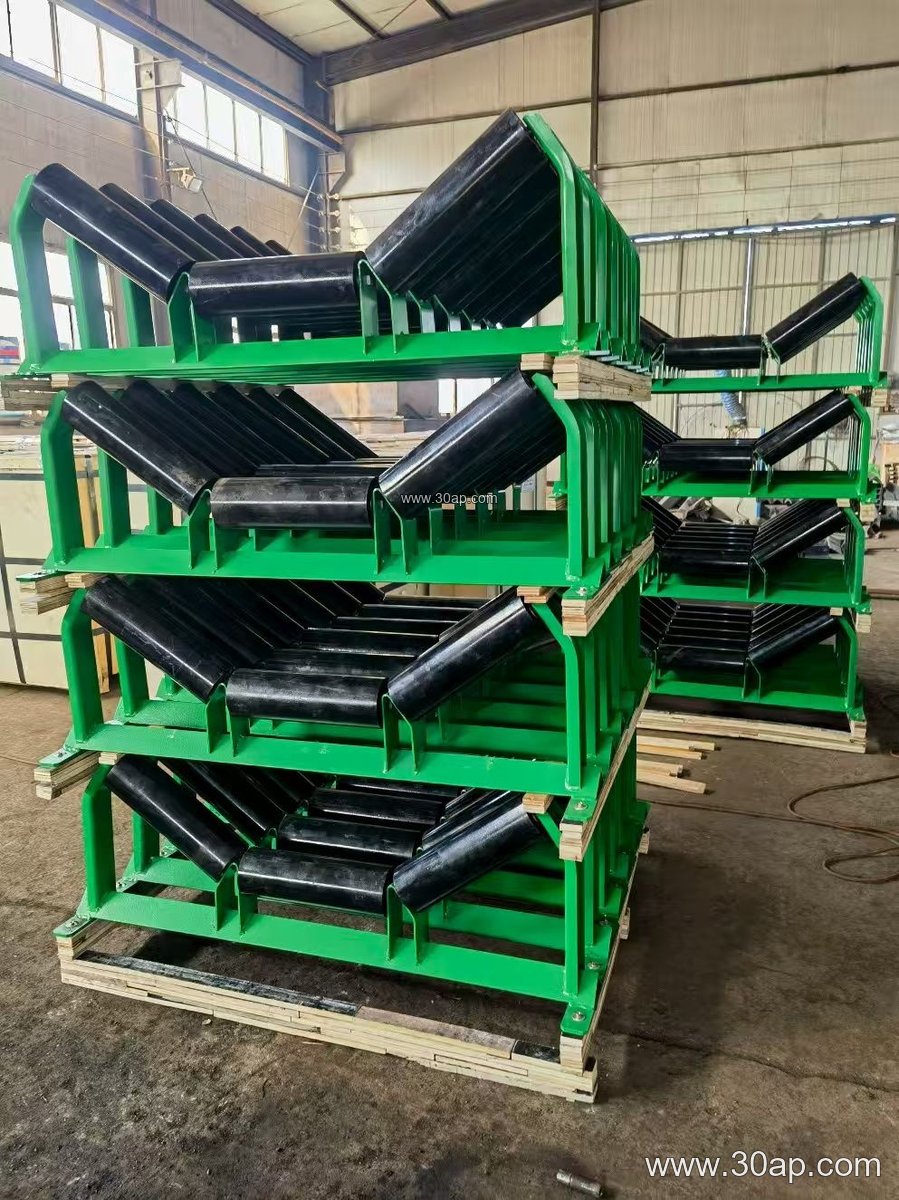
- Ensure compatibility with the conveyor bracket and idler roller arrangement.
- For hazardous areas, request flame retardant and anti-static properties.
Working with a knowledgeable supplier helps avoid costly mismatches. Whether you need a pulley for a mining conveyor belt or a food grade conveyor belt, the right selection improves uptime and safety.
Maintenance and Longevity
Regular inspection of lagging wear, shaft alignment, and bearing condition extends pulley life. Keep the belt tracking correctly to avoid edge damage. In abrasive environments, such as those handling iron ore conveyor belts or copper ore conveyor belts, ceramic lagging can significantly reduce wear. For high-temperature applications, heat resistant conveyor belts require pulleys that can withstand thermal expansion. Proper maintenance of the entire conveyor system, including idler rollers and conveyor brackets, ensures smooth operation.
For more information on conveyor components, visit our website at conveyor pulley and conveyor belt sections. We also supply idler roller and conveyor bracket solutions.