What a Vertical Roller Does
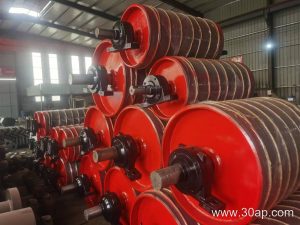
A vertical roller is a specialized idler used to guide the belt edge or to support the belt in vertical curves and transition zones. Unlike standard carrying idlers that sit under the belt, this roller is mounted vertically or at a steep angle, often on the return side or at the edges, to keep the belt tracking correctly and to prevent spillage. In quarry and aggregate lines, it helps maintain belt alignment where the conveyor changes elevation or direction. The same component is sometimes called a vertical guide roller, but it remains distinct from drive, tail, and bend pulleys, which serve different functions in the conveyor drive system.
Construction and Key Components
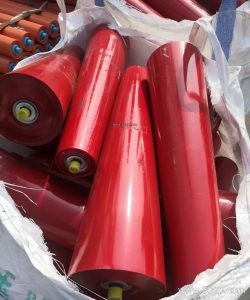
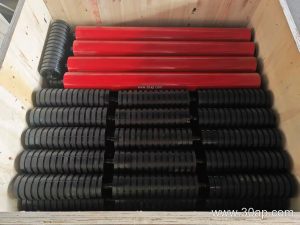
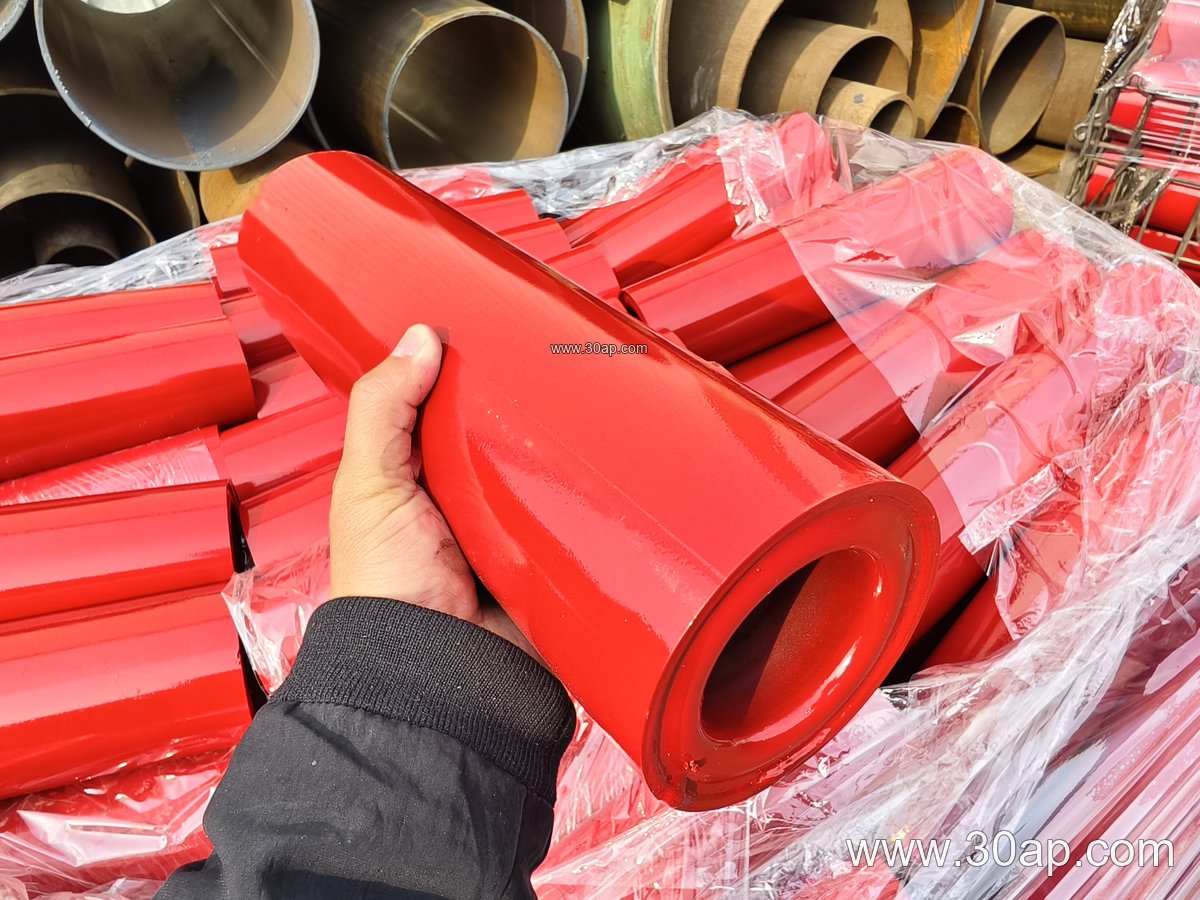
Most vertical rollers are built around a steel tube shell, with bearing housings pressed into each end. Common bearing sizes include 6204, 6205, 6305, 6306, 6308, and 6310, selected according to load and speed rather than a fixed match to roller diameter. The roller surface may be plain steel, nylon, or covered with rubber rings for edge protection. Sealing is critical in dusty environments such as coal mining and cement plants, where fine particles can quickly damage bearings. A good labyrinth seal or triple-lip seal extends service life. Shaft diameters are determined by the idler design and load rating, not by belt width alone.
Where It Fits in the Conveyor
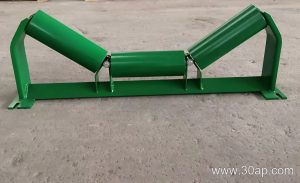
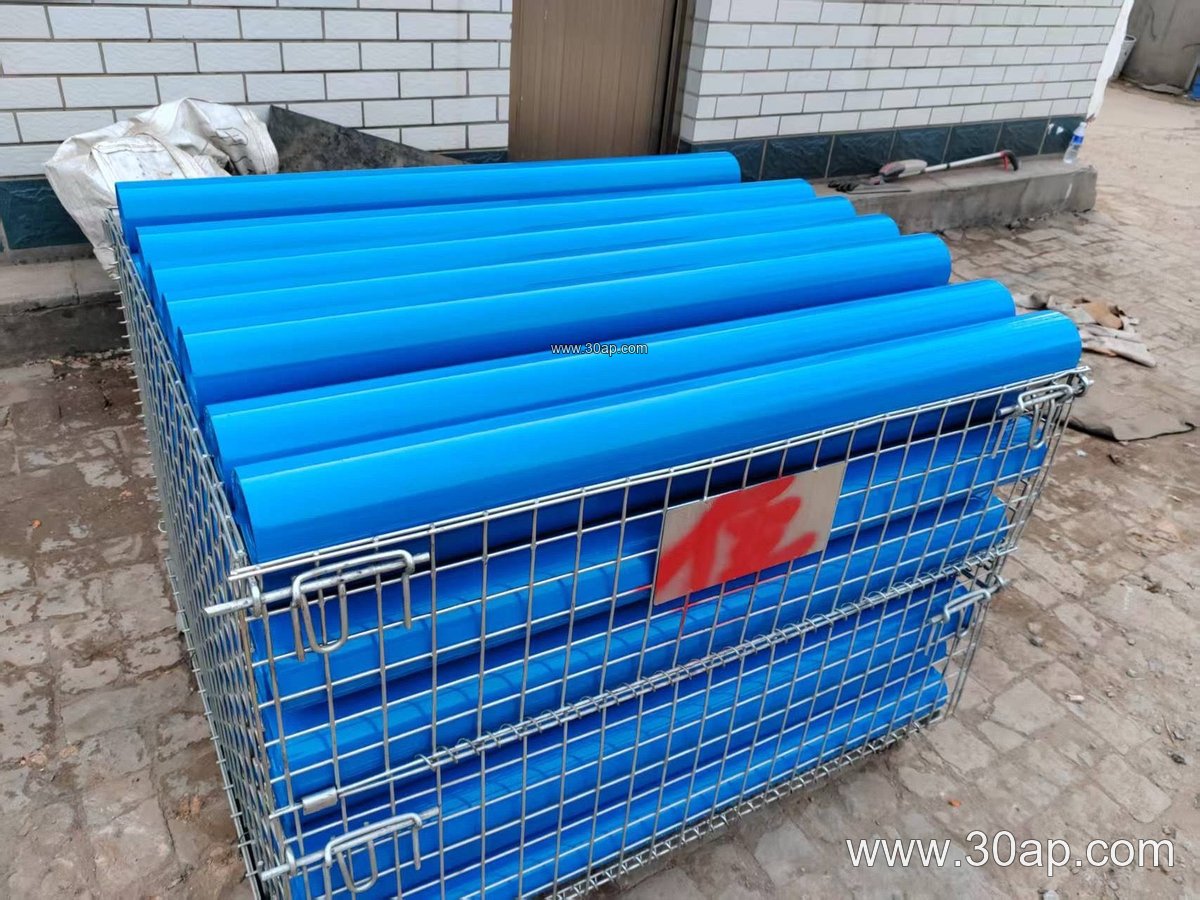
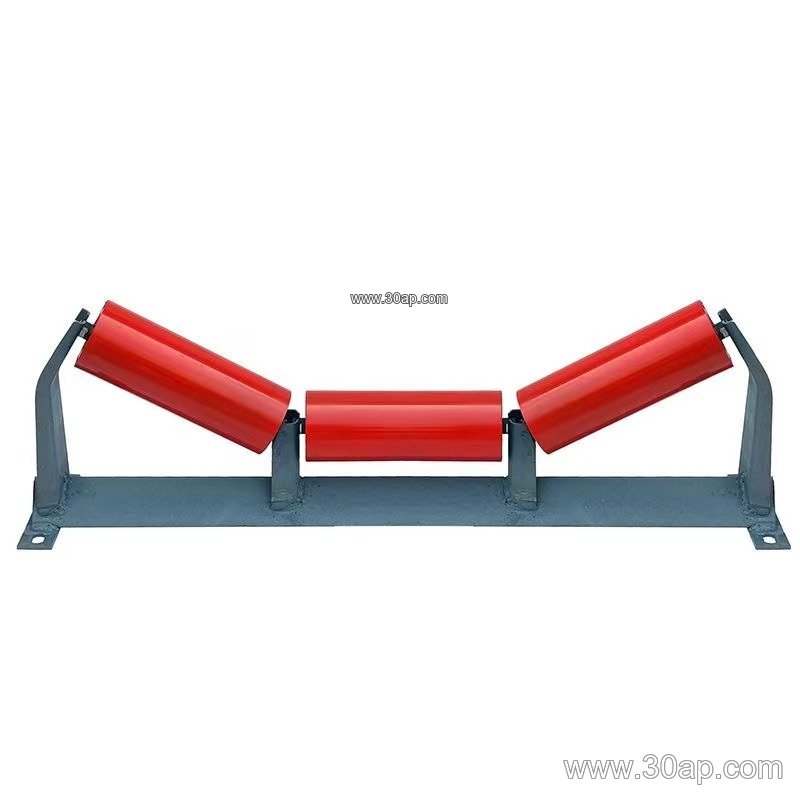
Vertical rollers are often found at the transition from a flat to a troughed profile, or on the return strand where the belt needs to be held down or guided. In underground mining and tunnel excavation, they help control belt edge position in confined spaces. In port bulk terminals, they assist in keeping the belt centered as it enters a transfer point. They are not a replacement for carrying idlers or impact rollers; rather, they work alongside troughing sets and return rollers to improve belt stability. For high-abrasion duties, a rubber-covered vertical roller can reduce wear on both the roller and the belt edge.
Selection and Sizing Notes
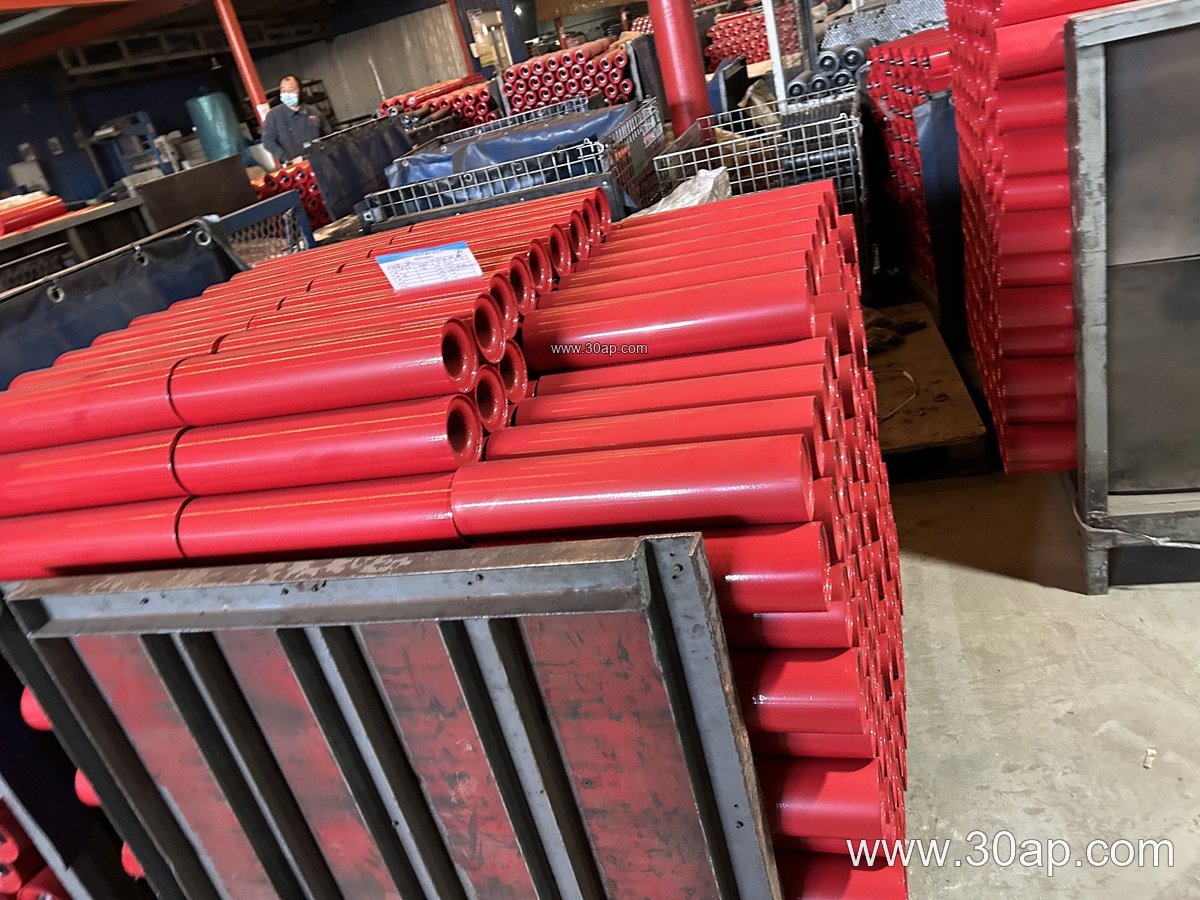
Choosing a vertical roller starts with the belt width and the available mounting space. Common belt widths in bulk handling range from B500 to B2000, and the roller length must match the specific mounting arrangement. Roller diameters such as Ø63, Ø76, Ø89, Ø102, Ø108, Ø127, and Ø133 mm are typical, but the final choice depends on the load and the bracket design. The table below gives reference examples of roller length for three-roll troughing idlers, which can help estimate the space needed for vertical guiding components. These are common examples, not fixed rules.
| Belt Width | Typical Roller Length (three-roll troughing) |
|---|---|
| B500 | 200 mm |
| B650 | 250 mm |
| B800 | 315 mm |
| B1000 | 380 mm |
| B1200 | 465 mm |
| B1400 | 530 mm |
| B1600 | 600 mm |
| B1800 | 670 mm |
| B2000 | 750 mm |
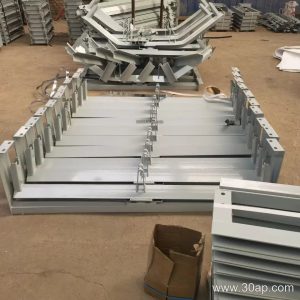
For vertical rollers, the mounting bracket and shaft configuration are often more important than the roller length alone. Always confirm the bracket type, fixing centers, and belt edge clearance with the conveyor design. In coal mining or power plant coal handling, flame retardant and anti-static properties may be required for the belt, but the vertical roller itself is usually specified for mechanical strength and sealing performance.
Maintenance and Buyer Checklist
Regular inspection of vertical rollers should focus on bearing play, seal condition, and surface wear. A worn rubber ring can be replaced before it damages the belt edge. In dusty operations such as cement plants or crushing circuits, lubrication intervals may need to be shortened. When purchasing, ask for the roller diameter, shell material, bearing size, seal type, and mounting dimensions. Do not assume that a roller from one belt width will fit another without checking the bracket and shaft. Also consider the environment: a quarry conveyor may need extra dust protection, while a food grade application may require stainless steel or special coatings. Vertical rollers are a small but important part of keeping the belt centered and the system running smoothly.