What a Heavy-Duty Conveyor Bracket Does
In a quarry, a limestone mine, or a cement plant, the conveyor structure must survive constant vibration, dust, and heavy loads. A heavy-duty conveyor bracket is the support component that holds idler rollers in precise alignment along the carrying and return sides of the belt. It is not simply a piece of bent steel; it is the interface between the roller, the belt, and the entire conveyor frame. When specified correctly, this bracket keeps the belt tracking true, reduces roller wear, and extends the service life of the whole system.
The term heavy-duty conveyor bracket refers to a family of support frames and mounting assemblies built for high-load applications. The same product is also called a heavy-duty conveyor idler bracket or heavy-duty roller support bracket. These names describe the same item, and you will see them used interchangeably in technical discussions. The bracket itself does not drive the belt; that is the job of the drive pulley. It also does not change belt direction like a bend pulley. Its role is structural and positional.
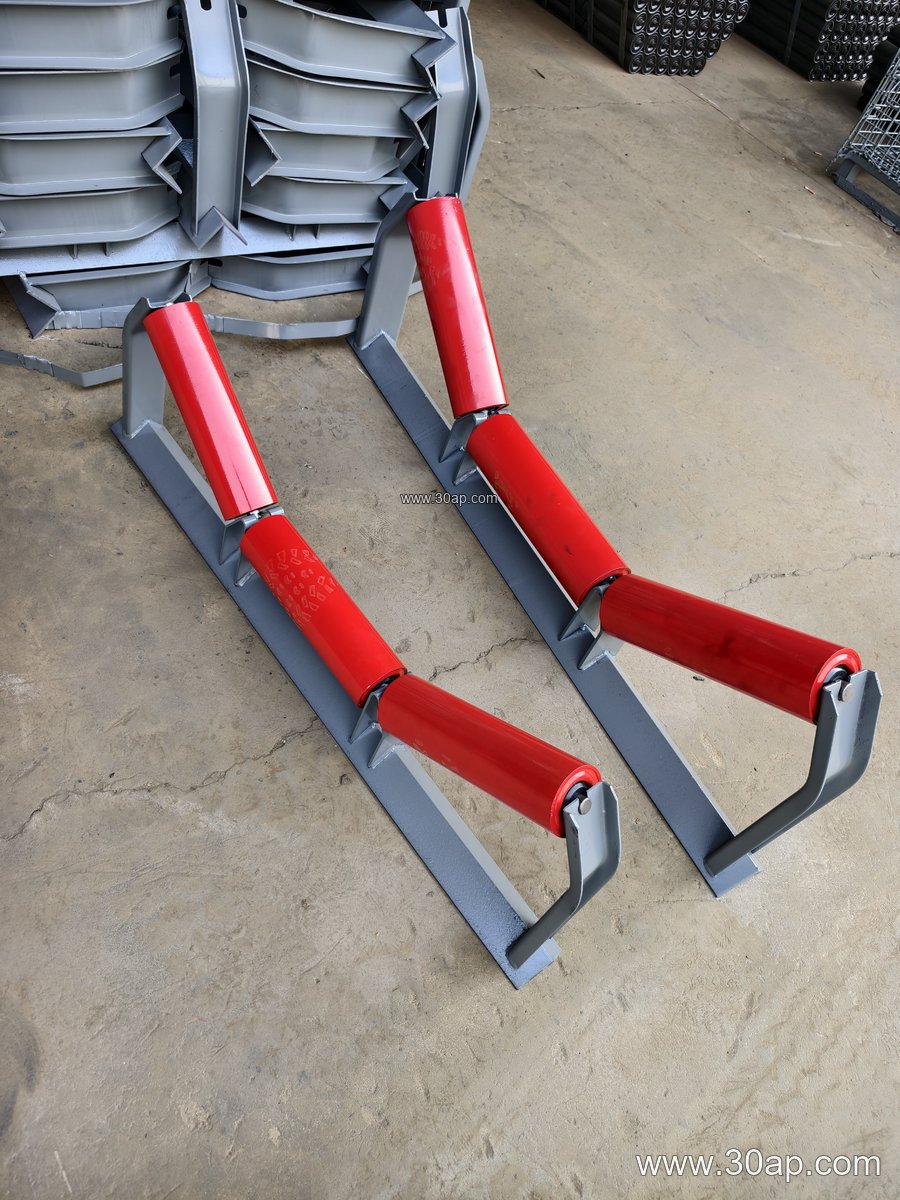
Construction and Key Features
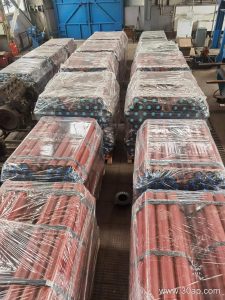
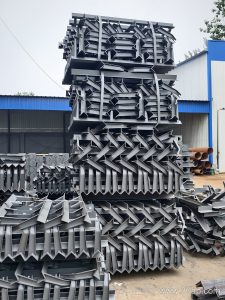
Most heavy-duty brackets are fabricated from angle steel, channel steel, or folded steel plate. The material thickness and weld quality are what separate a standard bracket from a heavy-duty one. In a coal mining conveyor or an iron ore conveyor, the bracket must resist impact from large lumps and maintain its shape under continuous load. Common surface treatments include painting or galvanizing, though the exact finish depends on the environment.
Typical configurations include:
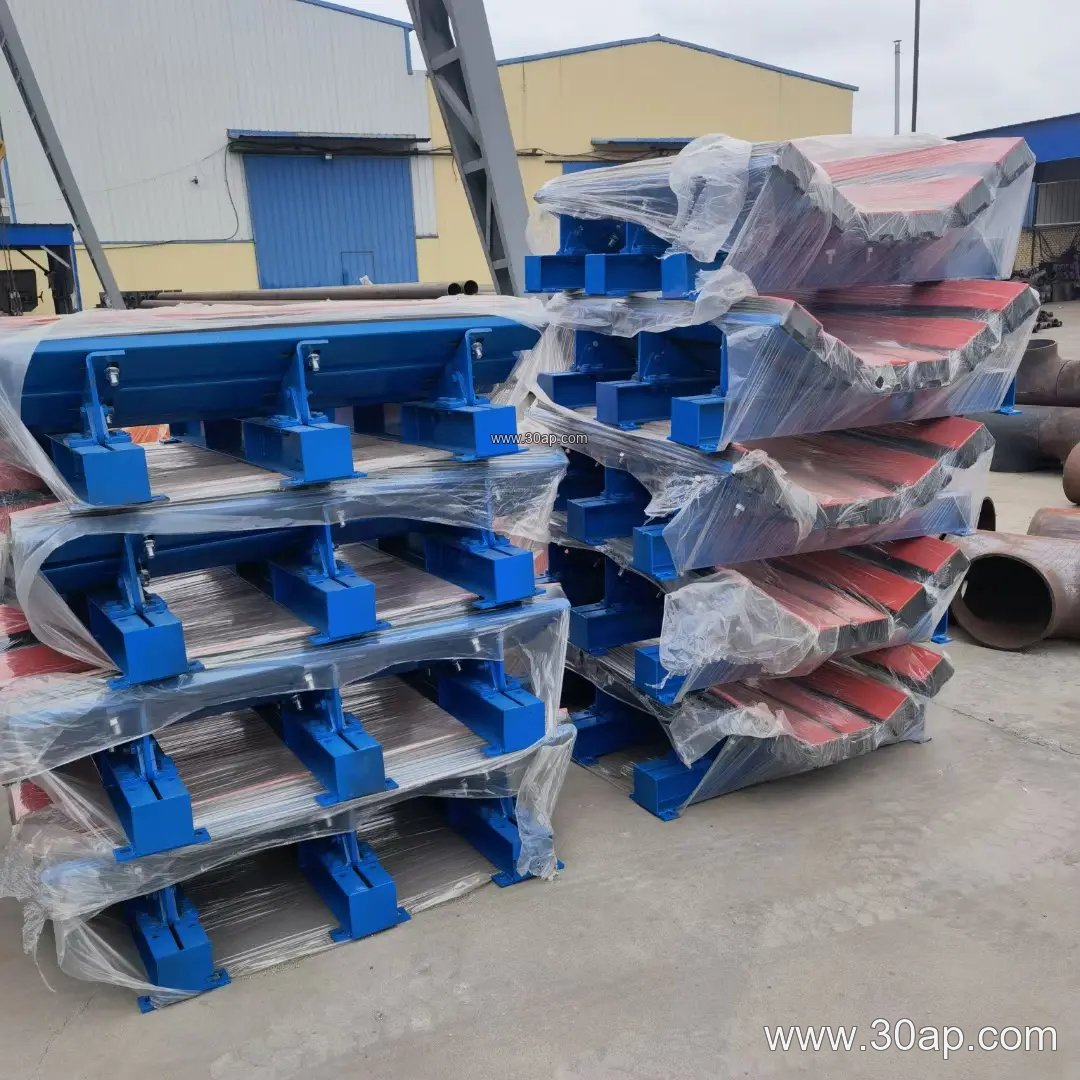
- Troughing bracket for the carrying side, often with 20°, 30°, 35°, or 45° trough angles
- Return bracket for the lower run, including flat and V-return designs
- Impact bracket with rubber or spring cushioning for load points
- Self-aligning bracket to help correct belt mistracking
- Transition bracket for the zone between the pulley and the first full trough set
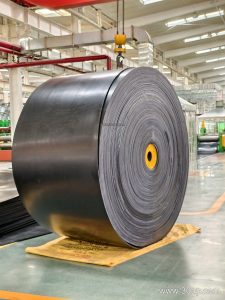
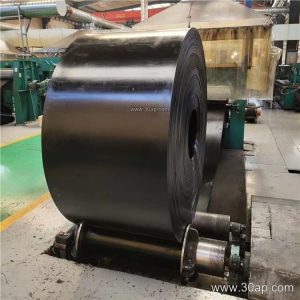
Adjustable versions allow the trough angle to be changed on site, which is useful when a conveyor handles different materials. Fixed versions are simpler and often more rigid. For a heavy-duty mining conveyor belt running at high tension, the bracket must be matched to the roller diameter and the belt width. A common combination might be B1200, 35°, Ø133, but this is not a universal rule. Belt width and roller diameter are selected together based on load, speed, and belt stiffness.
Where It Is Used
You will find heavy-duty conveyor brackets in primary crushing stations, screening plants, and transfer points. In a coal mining conveyor system, they support idler rollers that carry coal with high impact and abrasion. In a limestone quarry or aggregate conveyor line, they keep the belt stable through dusty, wet conditions. The bracket also appears in power plant coal handling, steel plant sinter lines, and port ship loading conveyors.
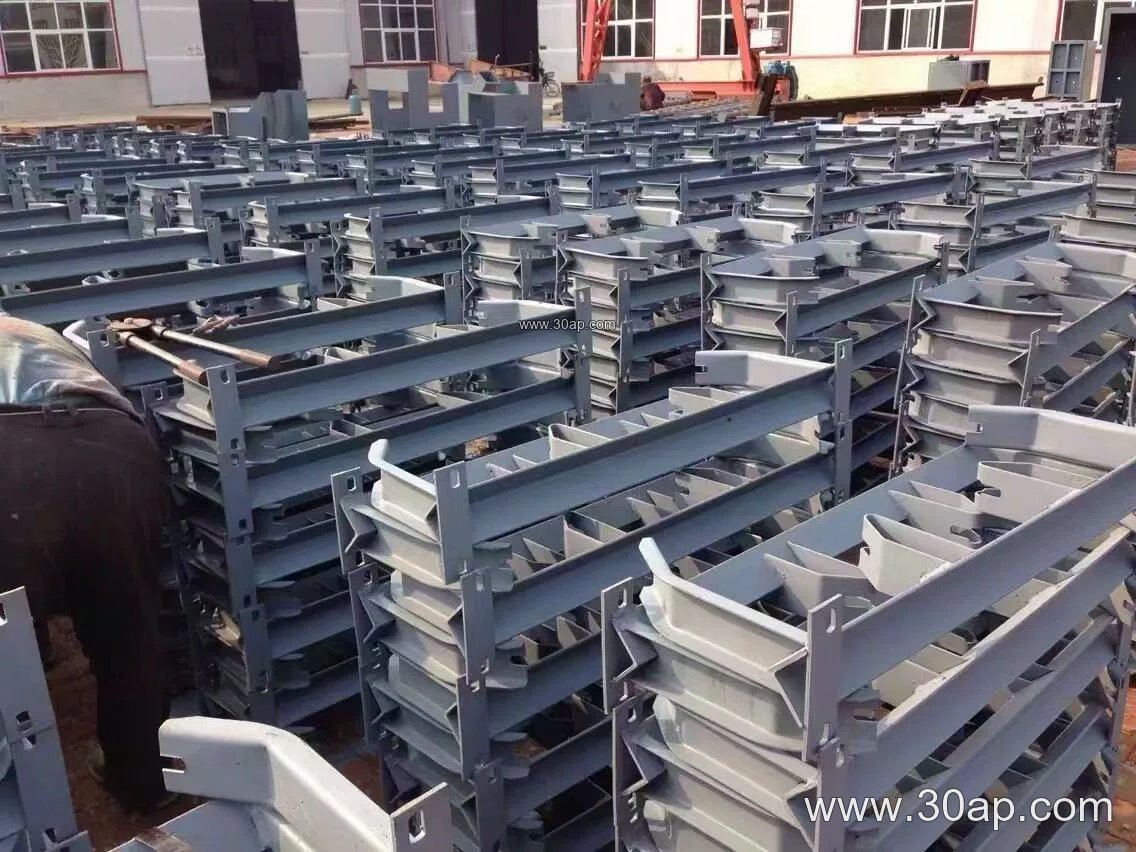
Because the bracket works with the conveyor belt and the idler roller, its alignment affects belt training. A misaligned bracket can cause edge damage, spillage, and premature roller failure. This is why heavy-duty brackets often include slotted holes or adjustable shims for fine positioning. The bracket does not replace a conveyor pulley; it supports the belt between pulleys. Drive, tail, and bend pulleys each have distinct roles, and the bracket is not interchangeable with any of them.
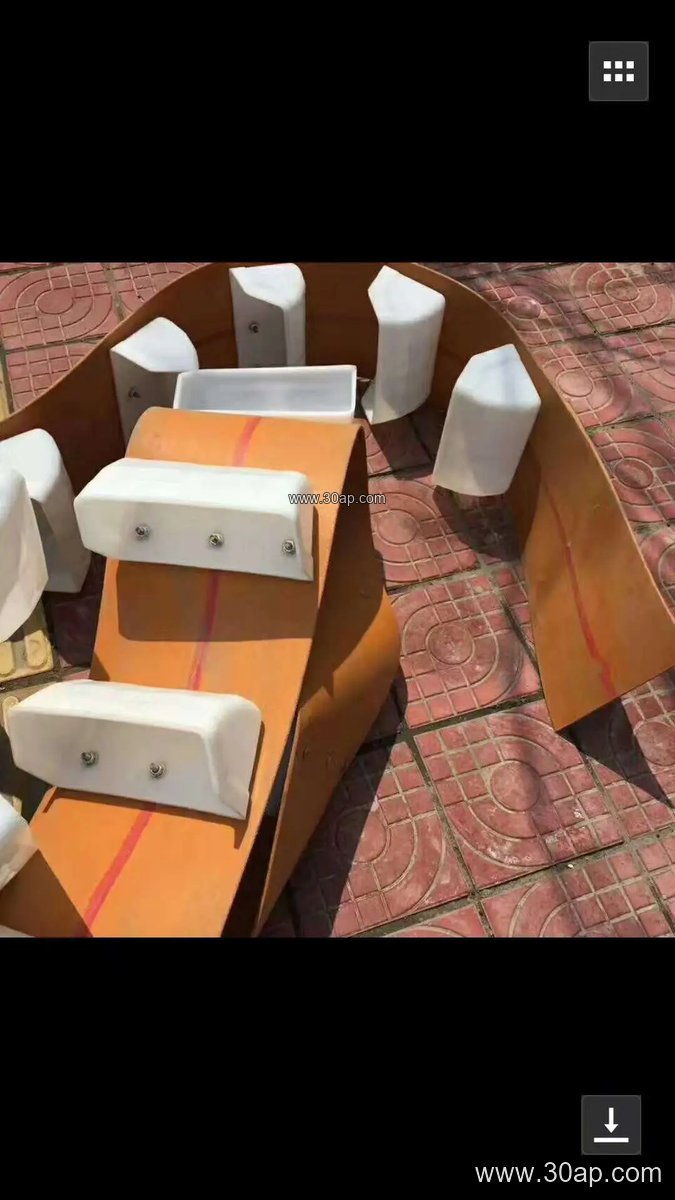
Selection and Maintenance Notes
When choosing a heavy-duty conveyor bracket, start with the belt width and the roller diameter. The bracket must fit the frame and provide the correct trough angle for the material. For a 1200mm wide conveyor belt, a 35° trough is common, but a 45° angle may be better for sticky material. For a 650mm belt, a 30° trough with Ø89 rollers is often sufficient. These are examples, not fixed pairings.
Consider the environment. In a coal mining application, flame retardant and anti-static properties of the belt are important, but the bracket itself must resist corrosion and impact. In a cement plant, dust penetration can seize adjustment mechanisms, so sealed or simple designs are preferred. In a cold climate, choose materials that resist brittle fracture.
Maintenance is straightforward: check for loose bolts, bent frames, and worn roller seats. Replace any bracket that has cracked welds or severe deformation. Keep the bracket clean so that material buildup does not push the belt off track. During shutdowns, verify that the bracket spacing matches the original design, especially after repairs.
For more information on conveyor components, visit our site at www.example.com/conveyor-bracket or www.example.com/heavy-duty-bracket. We also cover related topics such as conveyor belt and idler roller selection.