What a 1000mm Drive Pulley Does
A 1000mm drive pulley is the power-transmitting drum at the head of a belt conveyor, sized with a nominal diameter of 1000 mm. It grips the conveyor belt through friction and pulls the loaded strand toward the discharge point. In a quarry, a cement plant, or a power plant coal yard, this drum is the component that converts motor torque into belt motion. It is also commonly called a 1000 mm head pulley or a Ø1000 drive drum, and those names describe the same item.
Drive, tail, and bend pulleys are not interchangeable. A tail pulley turns freely at the loading end, while a bend pulley only changes belt direction. A drive pulley carries the full belt tension and torque, so its shaft, hub, and lagging are built for heavier duty. When engineers compare a Ø1000 drive drum with a smaller bend pulley, the difference in bearing size and locking assembly is immediate.
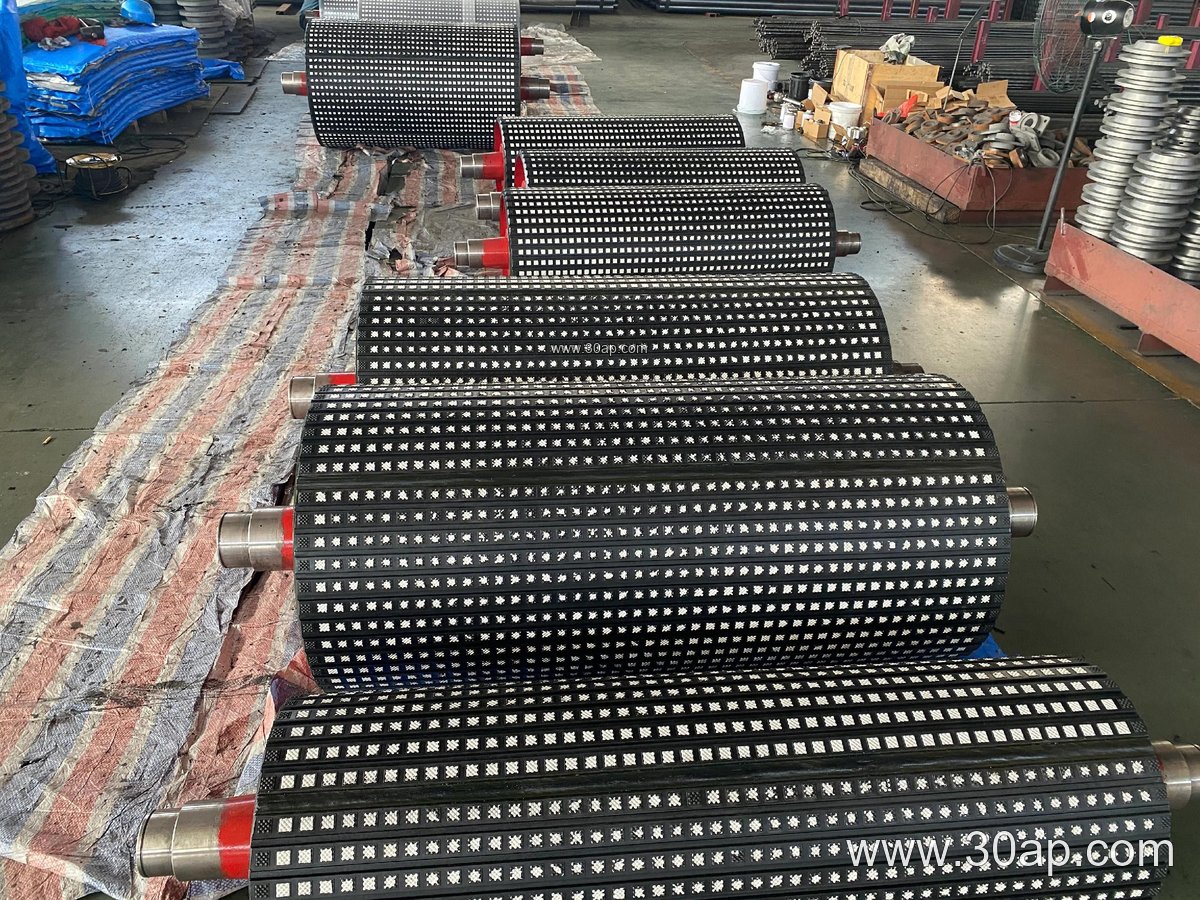
Construction and Surface Options
The drum body is usually a rolled steel shell welded to end discs and a central shaft. Common shaft diameters for this class of pulley include Ø120, Ø140, Ø160, Ø180, and Ø200, chosen by torque and radial load rather than by belt width alone. The shell face width is normally wider than the belt; a B1000 conveyor typically uses a face around 1150 mm, so a 1000mm drive pulley suits a 1000 mm belt with a little margin on each side.
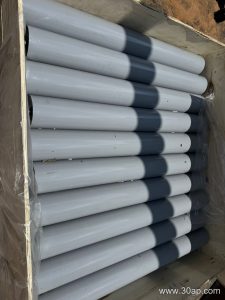
Lagging is the friction surface. Buyers can specify plain finish, hot vulcanized rubber, cold bonded rubber, diamond grooving, herringbone grooving, or ceramic tiles. Rubber lagging thickness is commonly 8, 10, 12, 15, or 20 mm. In wet or dusty service, diamond or ceramic lagging helps shed water and maintain grip. The pulley is often paired with a conveyor bracket that carries the bearing housing, and with a set of conveyor pulley assemblies that include the locking rings and bearing seals.
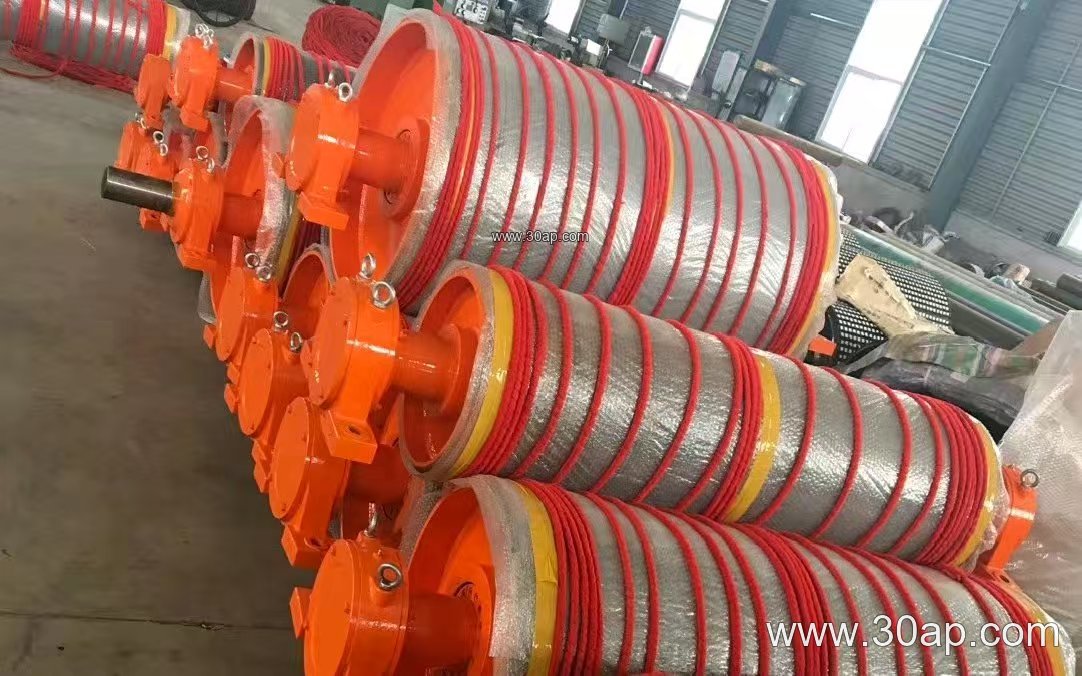
Common Reference Combinations
- B800 belt with Ø500 drum for lighter aggregate lines
- B1000 belt with Ø1000 drum for main haulage conveyors
- B1200 belt with Ø1000 drum in cement and coal handling
- B1400 belt with Ø800 or Ø1000 drum depending on tension
These are reference examples, not fixed rules. A belt width does not dictate one diameter, and shaft size must be calculated from actual torque and load.
Where It Fits in the Plant
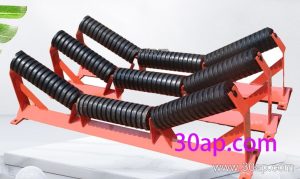
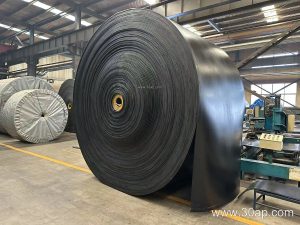
In an iron ore or copper ore concentrator, the 1000mm drive pulley often sits at the discharge of a primary crushing circuit, pulling a heavy-duty mining conveyor belt. In a limestone quarry or sand and gravel line, it may drive a long overland conveyor fed by an idler roller train. The same drum appears in cement plant clinker transport, power plant coal feeding, and port bulk terminals. Underground coal mining conveyors use flame retardant and anti-static belts, and the drive drum there must be matched to the belt’s fire safety requirements.
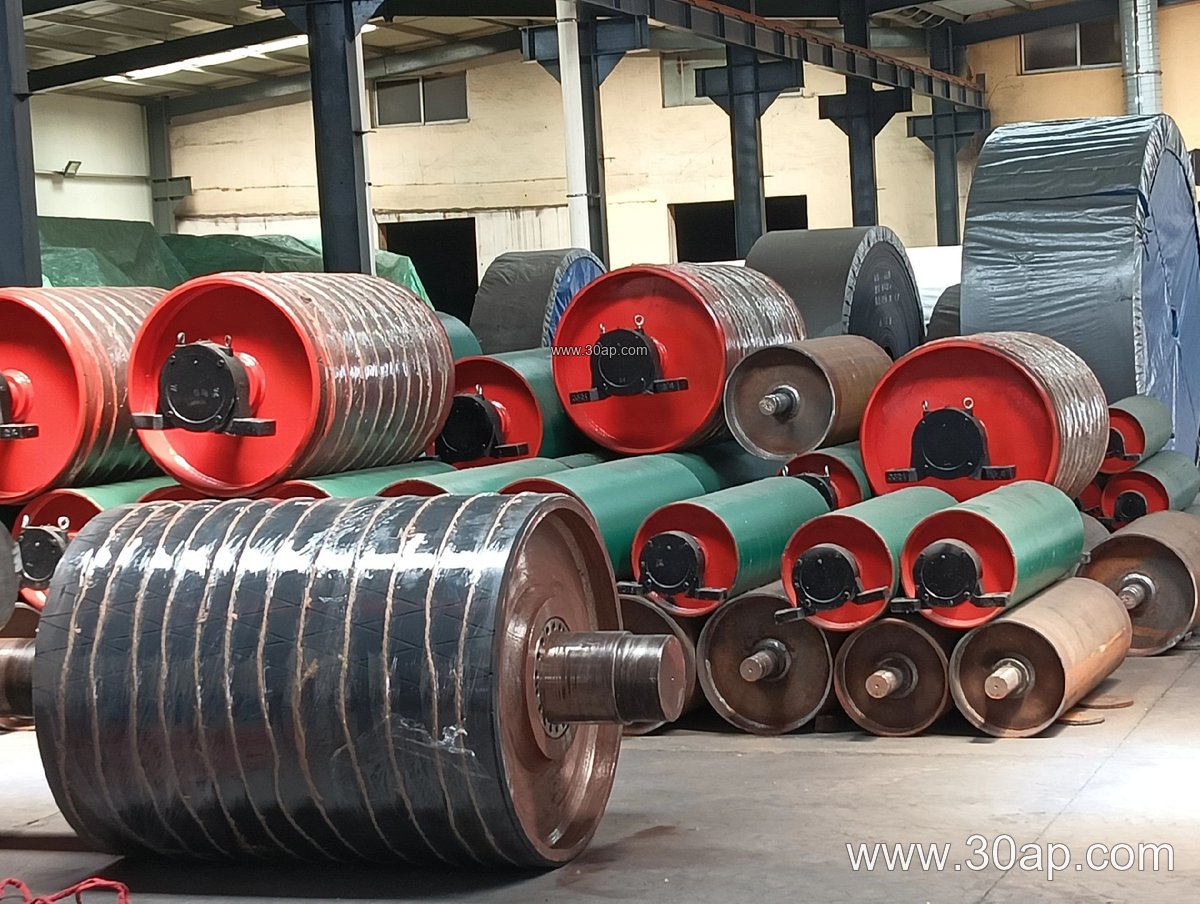
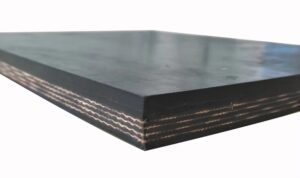
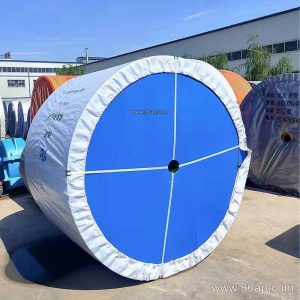
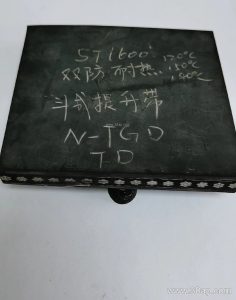
Because the drum is the friction link, belt choice matters. An EP conveyor belt or a steel cord conveyor belt has different elongation and tension behavior, and the lagging and diameter should be reviewed together with the belt specification. Abrasion resistant, heat resistant, and oil resistant belts each place different demands on the drum surface.
Selection and Maintenance Notes
Specify the belt width, belt type, expected tension, and motor power first. Then confirm the shell diameter, face width, shaft diameter, and lagging. Ask for the balance grade, bearing type, and locking assembly details. On site, check lagging wear, bolt torque, and bearing temperature at each shutdown, and keep the drum aligned with the conveyor frame. A worn lagging surface reduces grip and can cause belt slip, so replacement should be planned before the rubber reaches the shell.
For a 1000mm drive pulley, the practical goal is a stable friction surface, a correctly sized shaft, and a bearing arrangement that survives the duty cycle. Confirm final dimensions with the pulley manufacturer against the conveyor design rather than relying on any single table.