What a Conveyor Idler Bracket Does on the Line
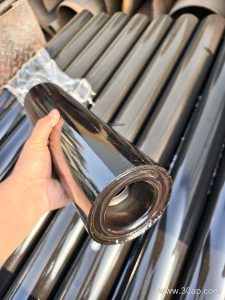
A conveyor idler bracket is the structural interface that holds each idler roller at the correct height, angle, and spacing along a conveyor frame. In a quarry or a cement plant, this bracket is often the first component to show wear when a belt starts to mistrack, because it carries the roller load and sets the trough profile that keeps bulk material centered. The bracket also transfers impact and vibration from the moving belt into the frame, so its material and mounting method matter as much as the roller itself.
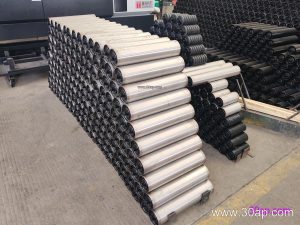
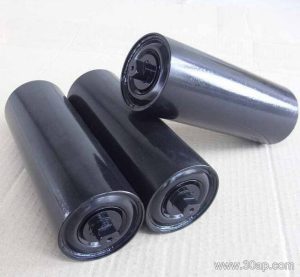
Buyers often refer to this part as a conveyor idler support or roller bracket. It is not a pulley: drive pulleys, tail pulleys, and bend pulleys serve different functions at the ends and curves of the system. The idler bracket works along the carrying and return runs, supporting the conveyor belt and the idler roller that touch the material load.
How the Bracket Is Built
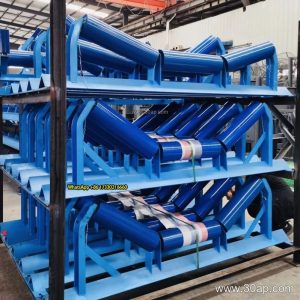
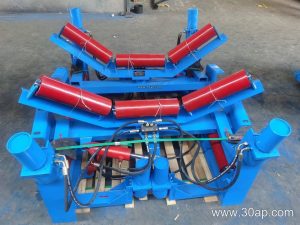
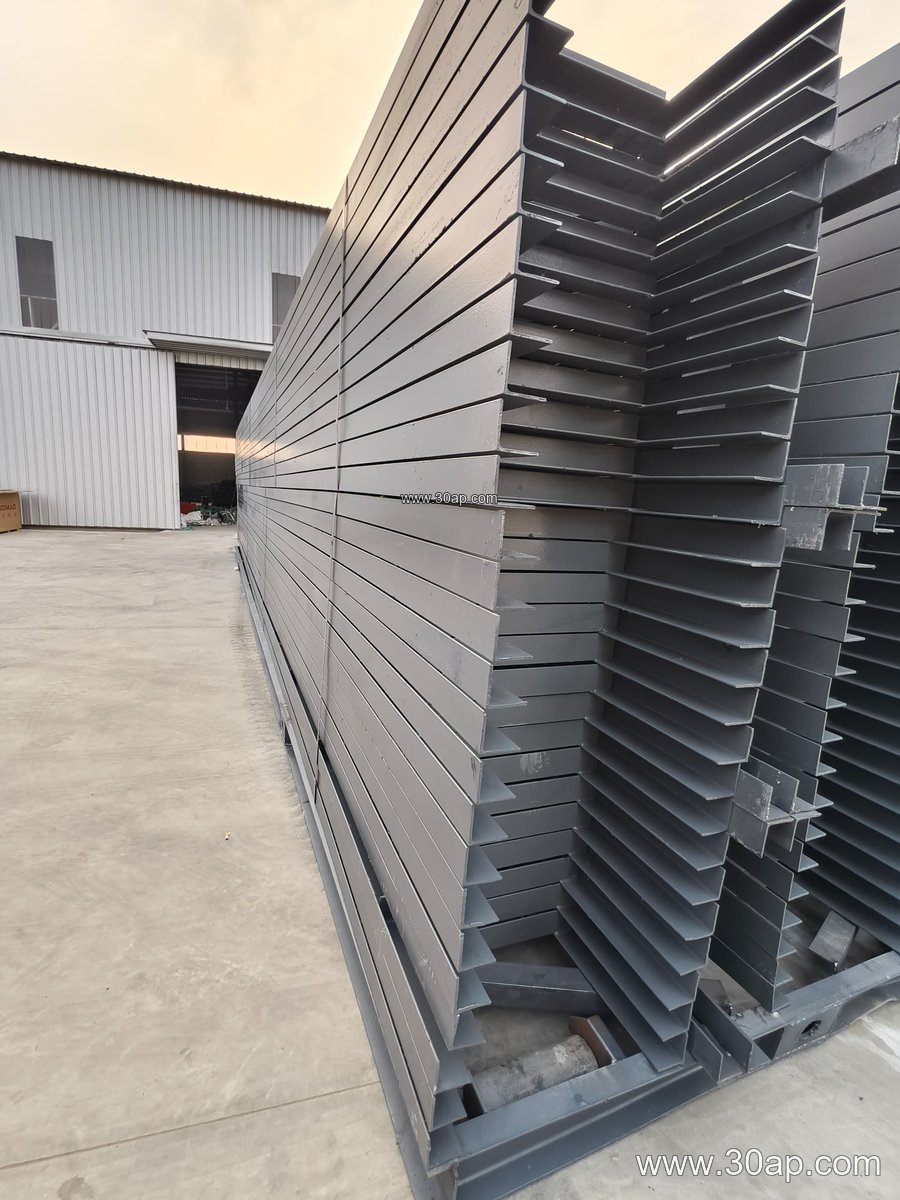
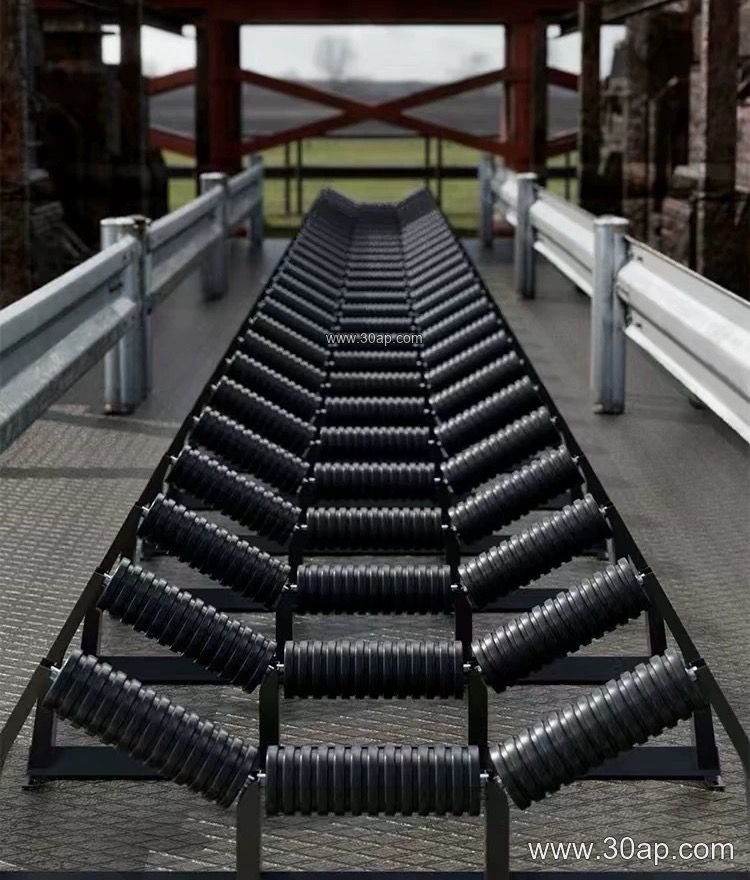
Most brackets are fabricated from angle steel, channel steel, or bent steel plate. The shape depends on the station type. A troughing bracket holds three rollers at a set trough angle; a return bracket holds one or two rollers under the belt; a transition bracket supports the belt as it changes from flat to troughed. Adjustable versions allow the trough angle to be changed on site, which helps when a conveyor handles different material sizes or when the belt needs fine tracking adjustment.
Common trough angles include 20, 30, 35, and 45 degrees. Forward-leaning brackets, often set at about 1.5 to 2 degrees, help the belt stay centered. Mounting hole spacing and beam length are not fixed numbers; they follow belt width, trough angle, and frame design.
Typical Bracket Reference Data
| Bracket Type | Common Belt Width Range | Typical Trough Angle | Common Roller Diameter |
|---|---|---|---|
| Troughing bracket | B500 to B2000 | 20 to 45 degrees | Ø89 to Ø159 |
| Return bracket | B650 to B1800 | Flat or V-return | Ø89 to Ø133 |
| Transition bracket | B800 to B1600 | 20 to 35 degrees | Ø108 to Ø159 |
| Adjustable bracket | B650 to B1400 | 20 to 45 degrees | Ø89 to Ø133 |
These values are common references, not universal rules. A B800 conveyor might use a 35-degree bracket with Ø108 rollers, while a B1200 line in a power plant coal yard may run 45-degree brackets with Ø133 rollers. The bracket, roller, and belt width are selected together.
Where It Fits in Different Industries
In a limestone quarry or a sand and gravel line, troughing brackets on the carrying side keep crushed rock centered on an abrasion resistant conveyor belt. In a coal washing plant, flame retardant conveyor belt and anti-static conveyor belt grades are often paired with well-grounded brackets and rollers. Cement plants use heat resistant conveyor belt near kiln discharge areas, where brackets must tolerate hot clinker dust without losing alignment.
Port terminals and ship loading conveyors handle high tonnage, so heavy-duty brackets and idler rollers are common. Steel plants and sintering lines may use impact resistant conveyor belt at transfer points, where impact brackets absorb falling ore. In a food or fertilizer plant, the same bracket design may be used with a food grade conveyor belt or a chemical resistant conveyor belt, provided the frame and rollers are cleaned and protected accordingly.
Bracket, Roller, and Belt Work as a System
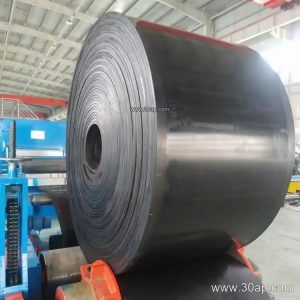
The bracket sets the geometry, the idler roller carries the belt, and the conveyor belt carries the load. If the bracket is misaligned or worn, the roller may sit unevenly, and the belt may edge-damage or spill material. Transition brackets are especially important where a steel cord conveyor belt or a high strength conveyor belt runs at higher tension, because the belt needs gradual support as it changes shape. On a pipe conveyor belt or a corrugated sidewall conveyor belt, bracket spacing and roller contact must follow the belt manufacturer’s profile.
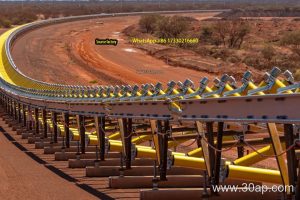
For long overland lines using ST1000 or EP1000 conveyor belt, bracket inspection should include bolt tightness, weld condition, and trough angle consistency. Replacing one bracket without checking the neighboring rollers can create a low spot that affects belt tracking.
Buyer Checklist
- Confirm belt width, such as B650, B1000, or B1400, and the frame hole pattern before ordering.
- Match the bracket type to the station: troughing, return, transition, impact, or adjustable.
- Specify the required trough angle and roller diameter, for example 35 degrees with Ø108.
- State the material and surface treatment expected for the site, such as dusty coal or wet aggregate.
- Check that the bracket fits the existing idler roller and conveyor bracket layout without field drilling.
For more information on conveyor components, visit examples like www.example.com/conveyor-idler-roller or www.example.com/conveyor-pulley to compare related parts. A well-chosen conveyor idler bracket keeps the belt line stable, reduces roller wear, and supports safe operation across mining, cement, power, and bulk handling sites.