What a Belt Conveyor Guide Idler Does
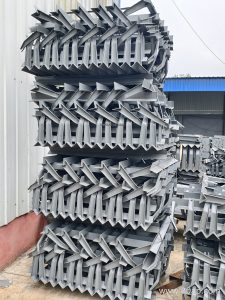
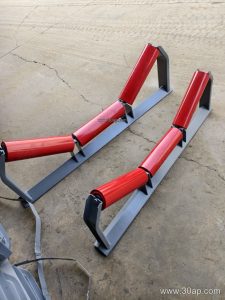
A belt conveyor guide idler is a specialized roller assembly used to keep the conveyor belt centered on its path. Unlike standard carrying or return idlers that mainly support the belt and material load, this idler is designed to correct misalignment before it causes spillage, edge damage, or excessive wear. In quarry, cement, and power plant coal handling systems, a well-placed guide idler can significantly reduce maintenance calls and extend belt life. The guide idler often works together with a conveyor pulley and conveyor bracket to maintain proper tension and alignment across the entire conveyor structure.
Construction and Key Components
Most guide idlers are built around a sturdy steel tube shell, fitted with sealed bearings and a shaft that mounts to the conveyor frame. The roller surface may be plain steel, nylon, or rubber-covered, depending on the duty. Rubber discs or rings are sometimes added to increase friction and gently steer the belt without scuffing. Bearing selection is critical: common sizes include 6204, 6205, 6305, 6306, 6308, and 6310, matched to the roller diameter and load. The idler roller must be balanced and true-running to avoid vibration that could disturb belt tracking.
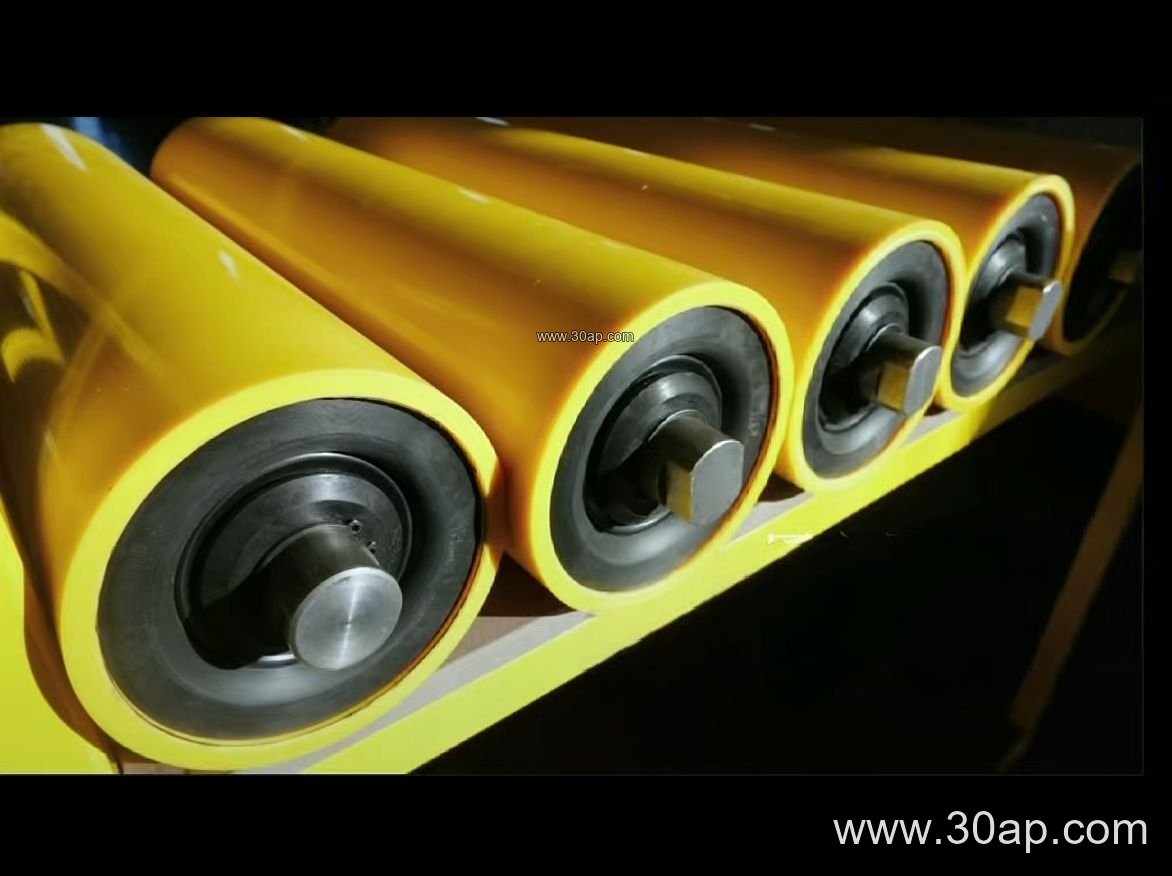
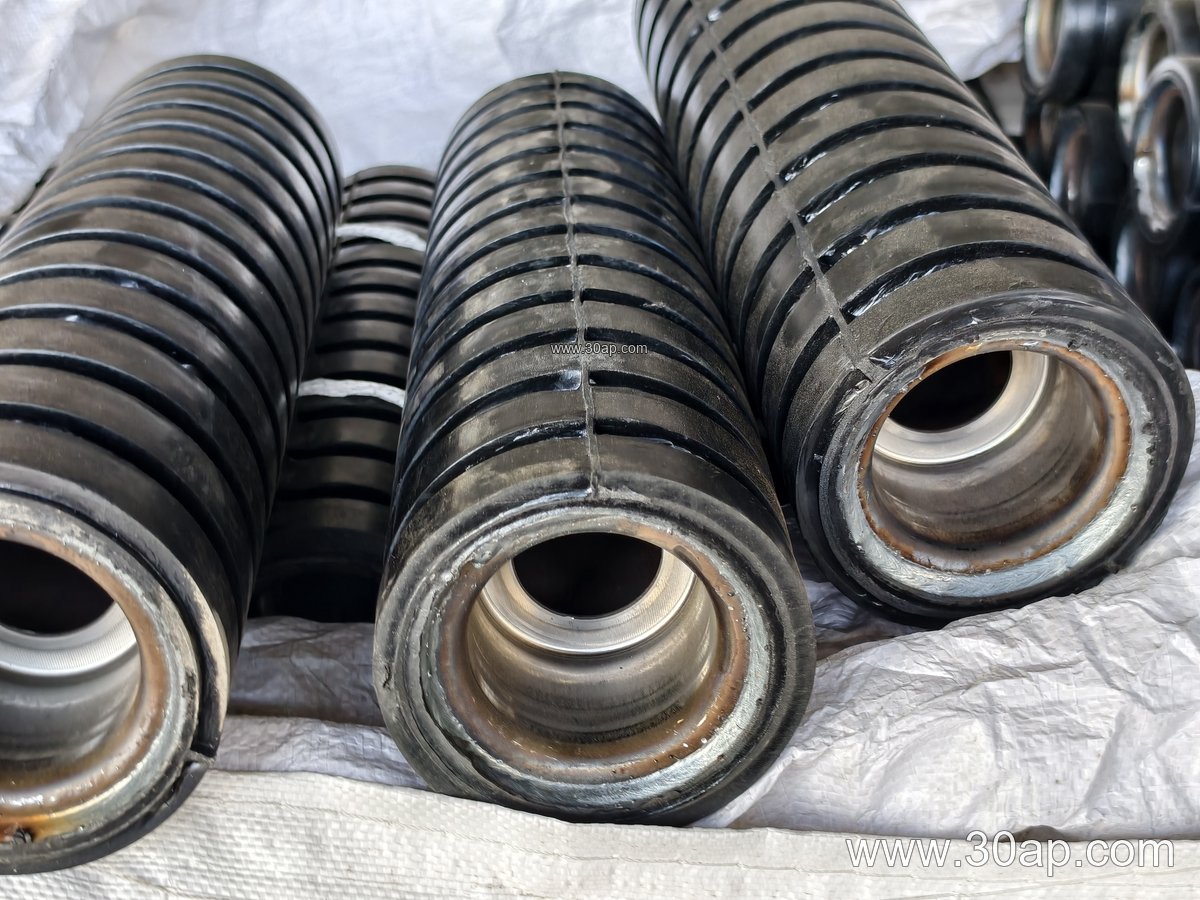
Guide idlers are frequently confused with self-aligning idlers. While both correct belt wander, a guide idler is typically a simpler, fixed-angle roller or a pair of angled rollers that physically limit lateral movement. Self-aligning types use pivoting frames and are a different subtype; they may be compared but are not interchangeable. For heavy-duty mining conveyor belts, a robust guide idler with reinforced bearings and thick-wall tube is preferred.
Where Guide Idlers Are Used
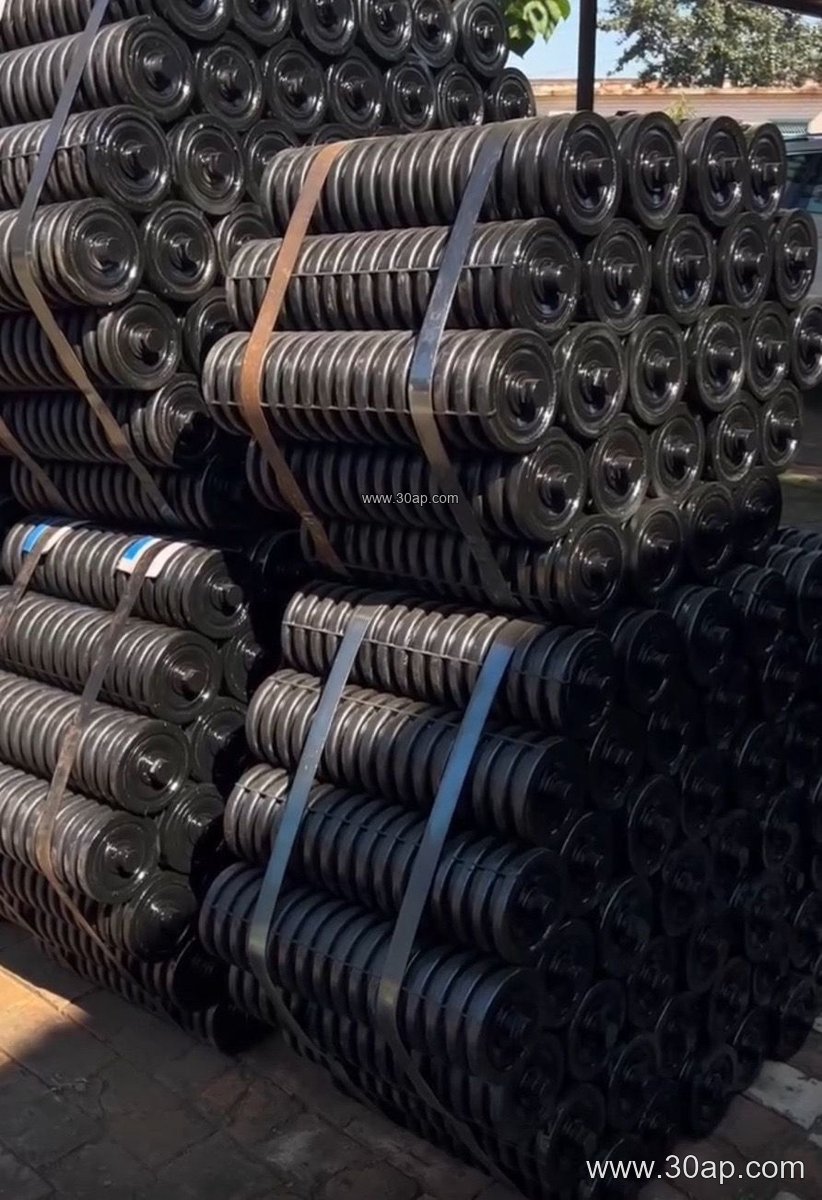
These idlers appear in almost any bulk handling line where belt misalignment is a risk. In a limestone quarry or sand and gravel plant, they are often installed just after the head pulley and before the tail pulley to stabilize the belt. In coal mining and underground mining conveyor systems, flame retardant conveyor belts and anti-static conveyor belts demand reliable tracking to avoid frictional heating. Cement plants use guide idlers on clinker and raw meal conveyors, while power plants rely on them in coal handling galleries. Port ship loading conveyors and steel plant sinter lines also benefit. The guide idler is not a substitute for a bend pulley or tail pulley; those serve different functions in the drive and tensioning system.
Common Configurations and Sizes
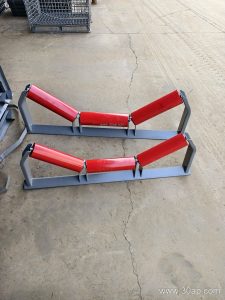
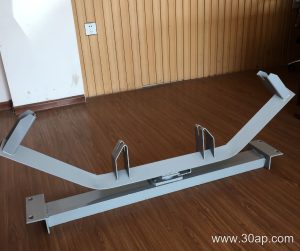
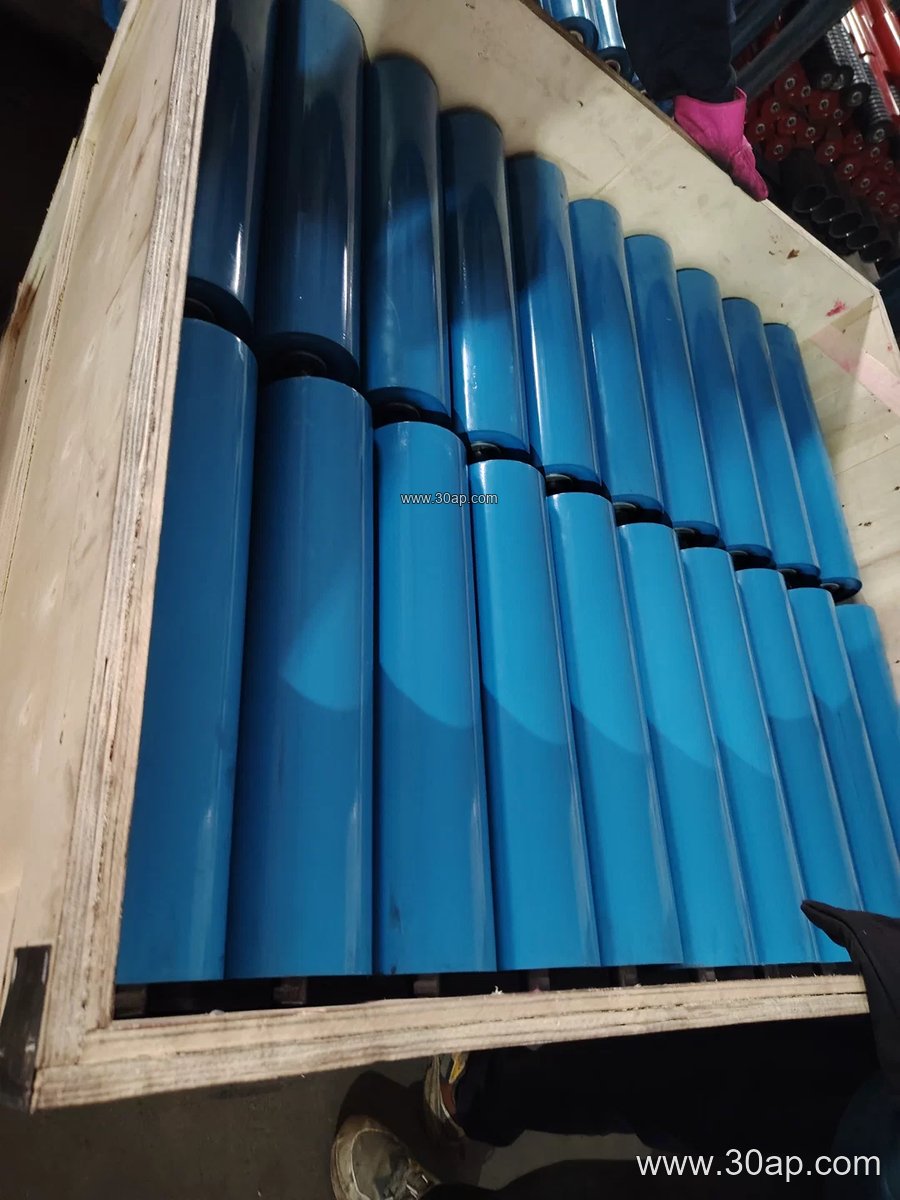
Guide idlers come in several forms to suit different belt widths and trough angles. A single angled roller is common for narrow belts, while two-roller or three-roller troughing sets with guide rings are used on wider belts. Typical roller diameters include Ø63, Ø76, Ø89, Ø102, Ø108, Ø127, Ø133, Ø159, Ø178, Ø194, and Ø219 mm. Belt widths range from B400 to B2400, and trough angles of 20, 30, 35, and 45 degrees are standard. Roller length varies with belt width and trough configuration; for example, a three-roll troughing set might use roller lengths around 200 mm for B500, 315 mm for B800, and 600 mm for B1600, but these are common examples only and should be confirmed by design.
| Parameter | Common Range |
|---|---|
| Roller diameter | Ø63 to Ø219 mm |
| Belt width | B400 to B2400 |
| Trough angle | 20°, 30°, 35°, 45° |
| Bearing sizes | 6204, 6205, 6305, 6306, 6308, 6310 |
| Roller surface | Steel, nylon, rubber ring |
When selecting a guide idler, consider the conveyor belt type and load. An abrasion resistant conveyor belt in a crusher discharge may need a rugged roller with reinforced seals, while a food grade conveyor belt requires smooth, non-marking surfaces. For high-temperature applications, a heat resistant conveyor belt paired with a guide idler that can tolerate thermal expansion is advisable. Always match the idler to the actual belt width and trough angle; never assume one roller size fits all.
Buyer Checklist
- Confirm belt width and trough angle to choose the correct idler frame and roller length.
- Check bearing size and sealing class for the environment (dust, moisture, temperature).
- Decide on roller surface: plain steel for general use, rubber or ceramic for grip and wear resistance.
- Verify mounting dimensions and compatibility with existing conveyor brackets.
- For underground coal mining, ensure flame retardant and anti-static properties align with the conveyor belt.
- Review maintenance access; guide idlers should be easy to inspect and replace.
A belt conveyor guide idler is a small but vital component in keeping bulk material moving efficiently. Whether in a quarry, coal mine, or cement plant, choosing the right guide idler helps protect the conveyor belt, reduce downtime, and maintain safe operation. For more information on guide idlers and compatible conveyor components, visit our site at www.example.com/conveyor-idler.