What Idler Procurement Covers
Idler procurement is the process of specifying and purchasing the carrying idlers, return idlers, and idler sets that support the belt along a conveyor. It is not a single part order. A buyer is really assembling a set of decisions about roller diameter, belt width, trough angle, roller length, bearing size, and surface finish, and those decisions have to match the conveyor’s duty. In a quarry, a coal preparation plant, or a cement clinker line, the same idler frame may look similar but the service life can differ sharply with material abrasiveness and dust load.
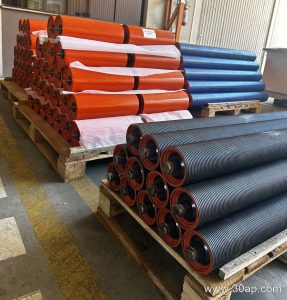
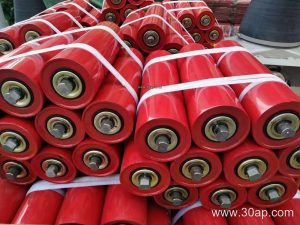
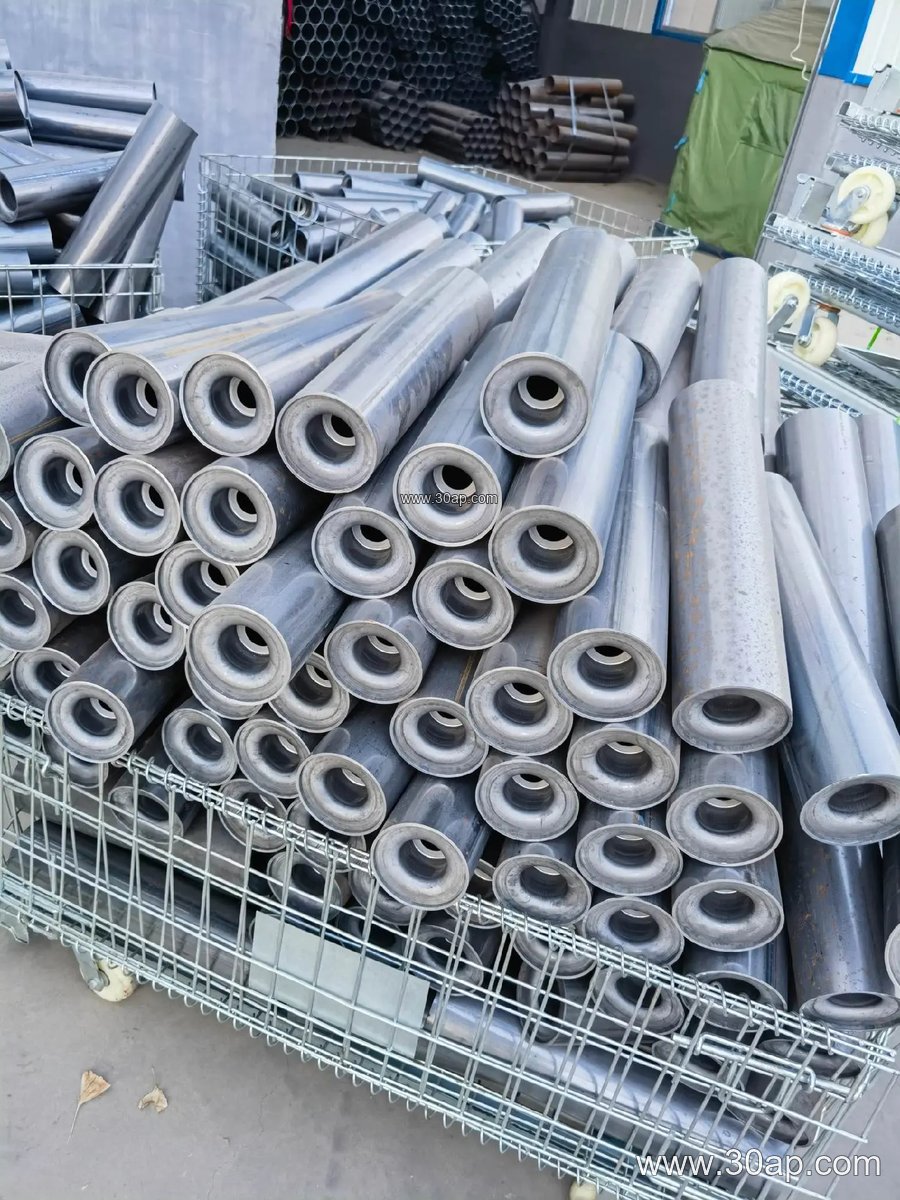
The idler roller is a small assembly: a steel tube shell, a shaft, bearing housings, and a sealing arrangement. The shell takes the belt load, the bearings allow rotation, and the seals keep out fine dust and water. Roller surface may be plain steel, nylon, ceramic, or rubber-ringed, and each choice suits a different position on the conveyor. The conveyor bracket or frame that holds the idler set is part of the same procurement package, because mismatched mounting dimensions cause installation delays.
Common Idler Types and Where They Sit
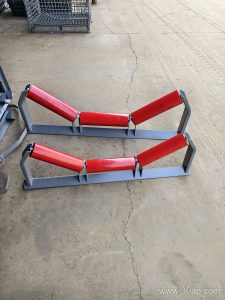
Most procurement lists mix several positions. Troughing idlers carry the loaded belt on the top run, usually in two- or three-roll sets. Impact idlers with rubber rings sit under the loading point to absorb fall energy. Return idlers support the empty belt, with flat or V-shaped forms, and spiral idlers help shed sticky material. Self-aligning idlers correct belt wander and are often used on long runs.
- Troughing idler sets: single, two-roll, or three-roll, with trough angles commonly 20, 30, 35, or 45 degrees.
- Transition idlers: placed near pulleys to ease the belt from flat to troughed profile.
- Return idlers: flat or V-type, sometimes with spiral or rubber discs.
- Impact and buffer idlers: rubber-ringed, mounted at transfer points.
- Self-aligning idlers: friction or conical designs for belt training.
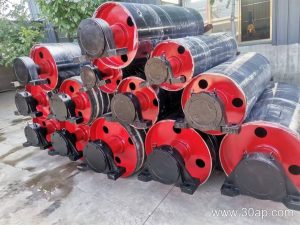
Drive pulleys, tail pulleys, and bend pulleys are separate components and are not interchangeable with idlers. They are selected with the conveyor pulley specification, not the idler list, so keep the two procurement packages apart.
Roller Diameter, Belt Width, and Roller Length
Roller diameter and belt width are linked by belt speed and load, not by a fixed rule. Common roller diameters include 63, 76, 89, 102, 108, 127, 133, 159, 178, 194, and 219 mm. Belt widths commonly run from B400 to B2400. A wider belt usually means a longer roller and a larger frame, and the roller length also changes with trough angle and the number of rolls in the set.
The table below gives common examples for three-roll troughing sets. These are reference values, not mandatory pairings, and the side rolls and center roll can differ.
| Belt Width | Typical Roller Length (three-roll set) | Common Roller Diameter Range |
|---|---|---|
| B500 | about 200 mm | 63 to 89 mm |
| B650 | about 250 mm | 76 to 108 mm |
| B800 | about 315 mm | 89 to 133 mm |
| B1000 | about 380 mm | 108 to 159 mm |
| B1200 | about 465 mm | 108 to 178 mm |
| B1400 | about 530 mm | 133 to 194 mm |
| B1600 | about 600 mm | 133 to 219 mm |
| B1800 | about 670 mm | 159 to 219 mm |
| B2000 | about 750 mm | 159 to 219 mm |
Bearing selection follows load and speed. Common bearing numbers include 6204, 6205, 6305, 6306, 6308, and 6310. Do not assume a bearing number is tied to one roller diameter; the housing and shaft design decide the fit.
Matching the Idler to the Conveying Duty
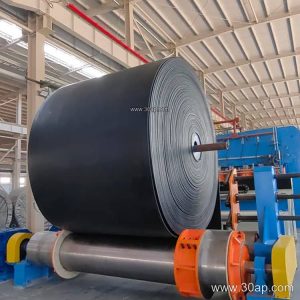
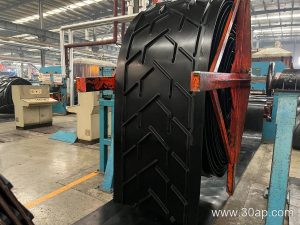
In an iron ore or copper ore terminal, abrasive fines shorten seal life, so a well-sealed bearing and a thicker shell are often worth the extra cost. In a power plant coal yard, dust and moisture control matter, and the belt itself may be a flame retardant conveyor belt or an anti-static conveyor belt. At a limestone quarry, a heavy-duty mining conveyor belt running at high tonnage puts more load on the troughing rolls, which argues for larger roller diameter.
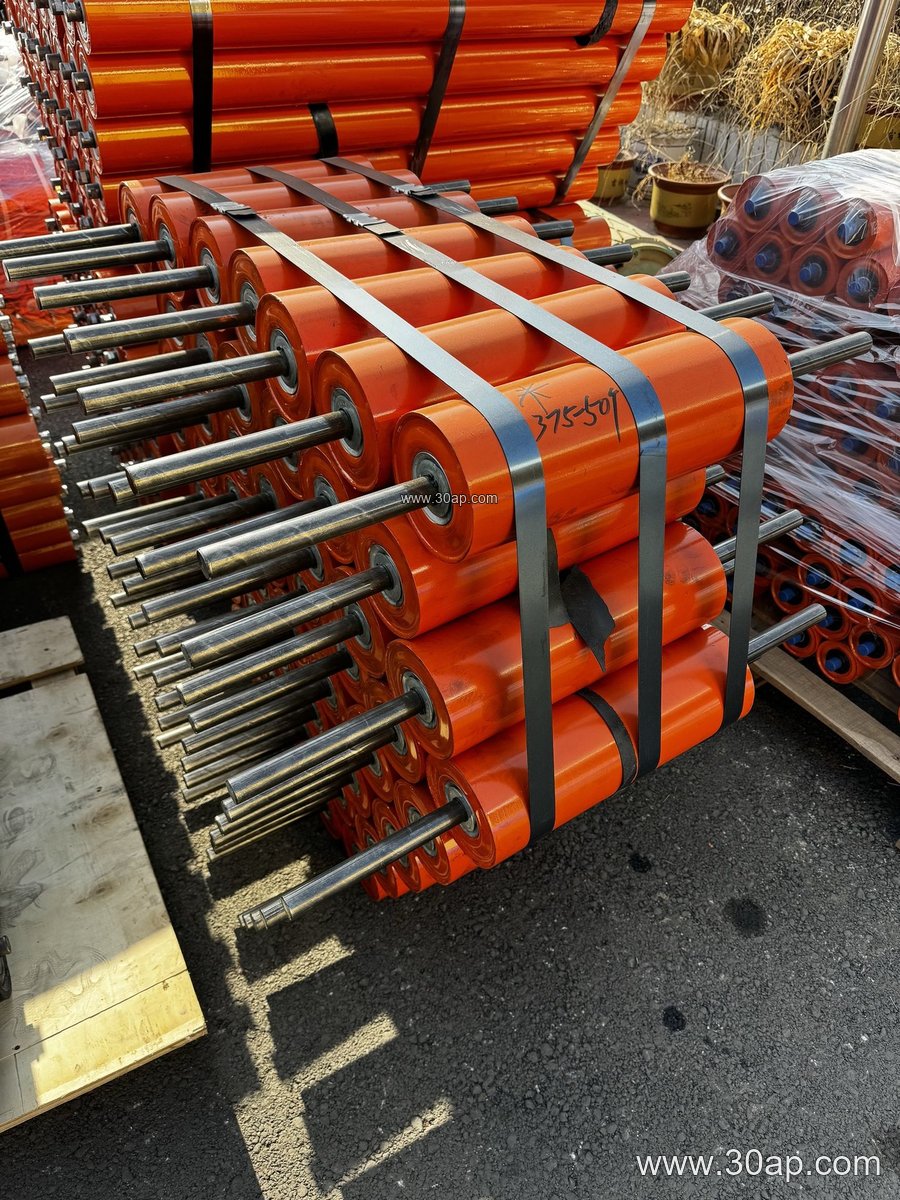
Material temperature and stickiness also shape the choice. A heat resistant conveyor belt in a sinter or cement plant may need idlers that tolerate radiant heat, while a pipe conveyor belt or a corrugated sidewall conveyor belt needs idlers matched to its special frame and belt path. For sticky material, spiral return idlers reduce build-up. Where impact is severe, rubber-ringed buffer idlers protect both the roller and the conveyor belt.
Specification Checklist for Buyers
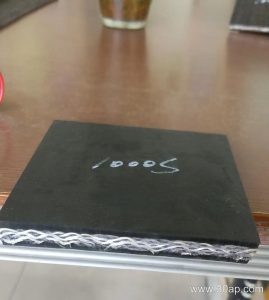
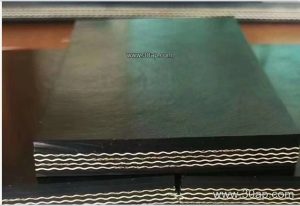
Before sending an inquiry, confirm the belt width, the idler position, the trough angle, the required roller diameter, and the mounting dimensions of the existing conveyor bracket. Ask for the roller length and shaft end detail so the set fits the frame. State the environment: dust, water, temperature, and material abrasiveness. Mention whether the belt is an EP conveyor belt, an NN conveyor belt, or a steel cord conveyor belt, because belt stiffness affects transition idler spacing.
- Quantity per position and spare ratio.
- Shell material and surface form.
- Bearing number and sealing type.
- Trough angle and roll count.
- Painting or coating requirements for the frame.
Also request the maintenance data: grease interval, expected wear limits, and the procedure for replacing a single roller inside a set. A clear replacement plan lowers downtime in a sand and gravel line or a port shiploading system.
Inspection and Ongoing Supply
On receipt, check roller concentricity, rotation freedom, and seal condition. Store idlers indoors and upright to protect bearings. During operation, watch for seized rollers, abnormal noise, and belt misalignment, which often points to a worn idler or a bent frame. Keep a small stock of the most-used sizes so a failed roller does not stop the conveyor pulley line for a minor part.
Good idler procurement is a balance of standard sizes and site-specific detail. Buyers who document belt width, roller diameter, bearing number, and frame dimensions get fewer surprises and longer service from every idler roller on the conveyor.