What the Bracket Does on a Conveyor
A conveyor bracket is the steel frame that holds the idler roller in position and sets the belt’s trough profile. In a quarry or a crushing and screening line, the bracket carries the load path from the belt through the roller into the main frame, so its geometry and material grade matter as much as the roller itself. Buyers often treat it as a minor item, but an undersized bracket can sag, twist, or misalign the rollers, and that shows up quickly as edge wear on a rubber conveyor belt or as spillage at transfer points.
Procurement is usually about matching three things: belt width, trough angle, and roller diameter. Get these right and the bracket fits; get them wrong and no amount of field adjustment will fix the belt tracking.
Construction and Common Materials
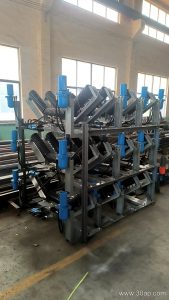
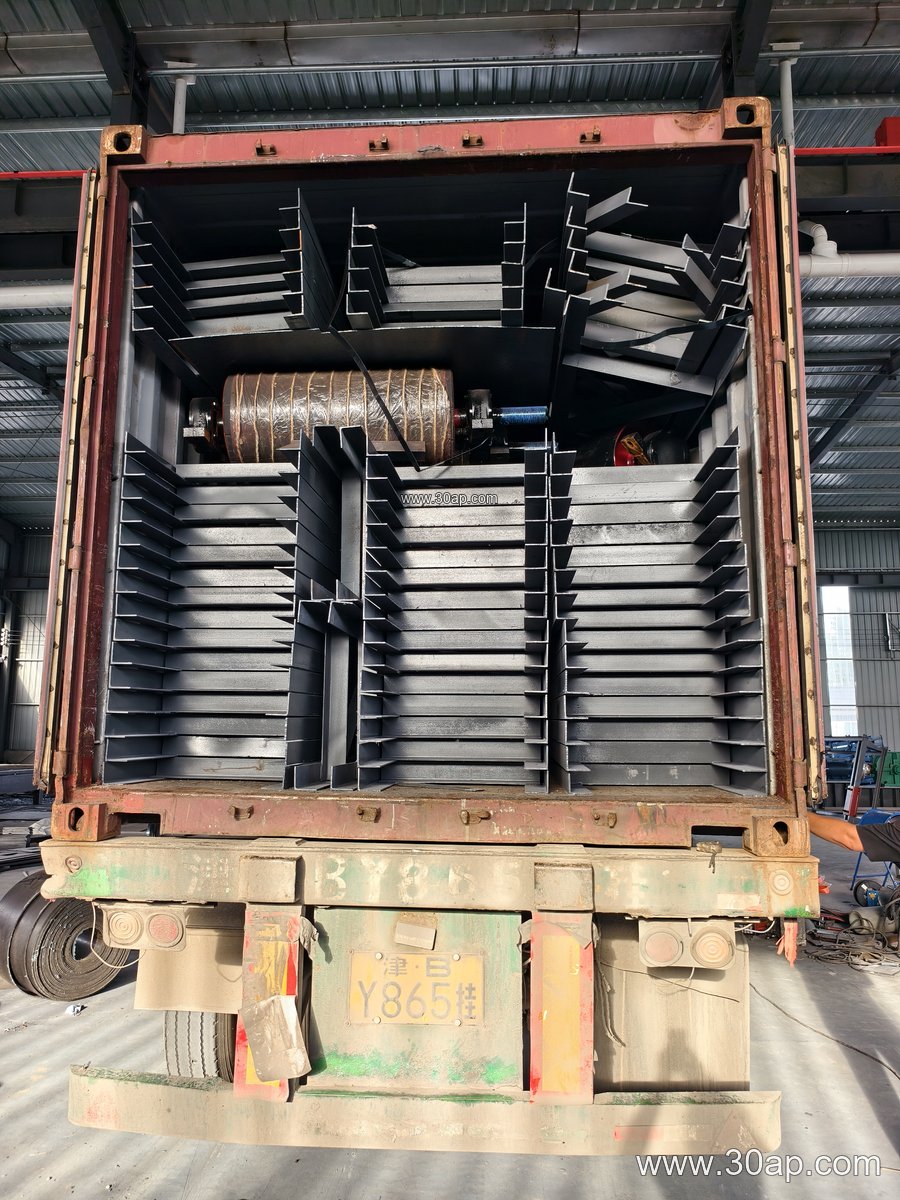
Most brackets are fabricated from angle steel, channel steel, or folded steel plate, then drilled and welded. The crossbeam length and mounting hole spacing change with belt width and trough angle, so they are determined by design rather than fixed values. A typical troughing bracket may be supplied with a 20, 30, 35, or 45 degree trough angle, and adjustable versions allow the angle to be set on site within that range. Forward-leaning brackets commonly use about 1.5 to 2 degrees of tilt to help centre the belt.
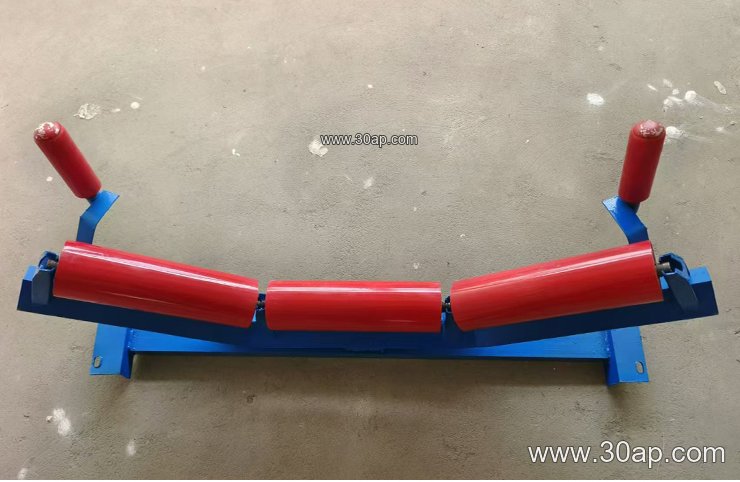
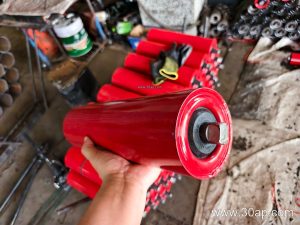
Roller diameters such as Ø89, Ø108, Ø133, Ø159, and Ø194 appear across different duty levels. A B800 bracket at 35 degrees with Ø108 rollers is a common mid-duty combination, while a B1200 frame at 45 degrees with Ø133 rollers suits heavier material. These are examples, not fixed rules, since belt width, trough angle, and roller diameter are selected together with load, speed, and material in mind.
Where Brackets Are Used
Bracket demand follows the conveyor itself. In a coal washing plant or a power station coal yard, flame retardant and anti-static belt grades are common, and brackets must hold alignment through long transfer runs. In a cement plant, heat resistant conveyor belt sections near kiln discharge put more stress on roller frames, so heavier channel-steel brackets are often preferred. Aggregate and sand plants use troughing and return brackets on relatively short conveyors, where quick replacement matters more than extreme strength.
The same fittings appear on pipe conveyor belt lines and on skirted conveyor belt or corrugated sidewall conveyor belt installations, where the bracket must clear the skirt rubber and still support the roller. On a port or ship loading conveyor belt system, wide belts such as 1800 mm or 2000 mm need brackets with longer crossbeams and careful hole spacing.
Fixed or Adjustable
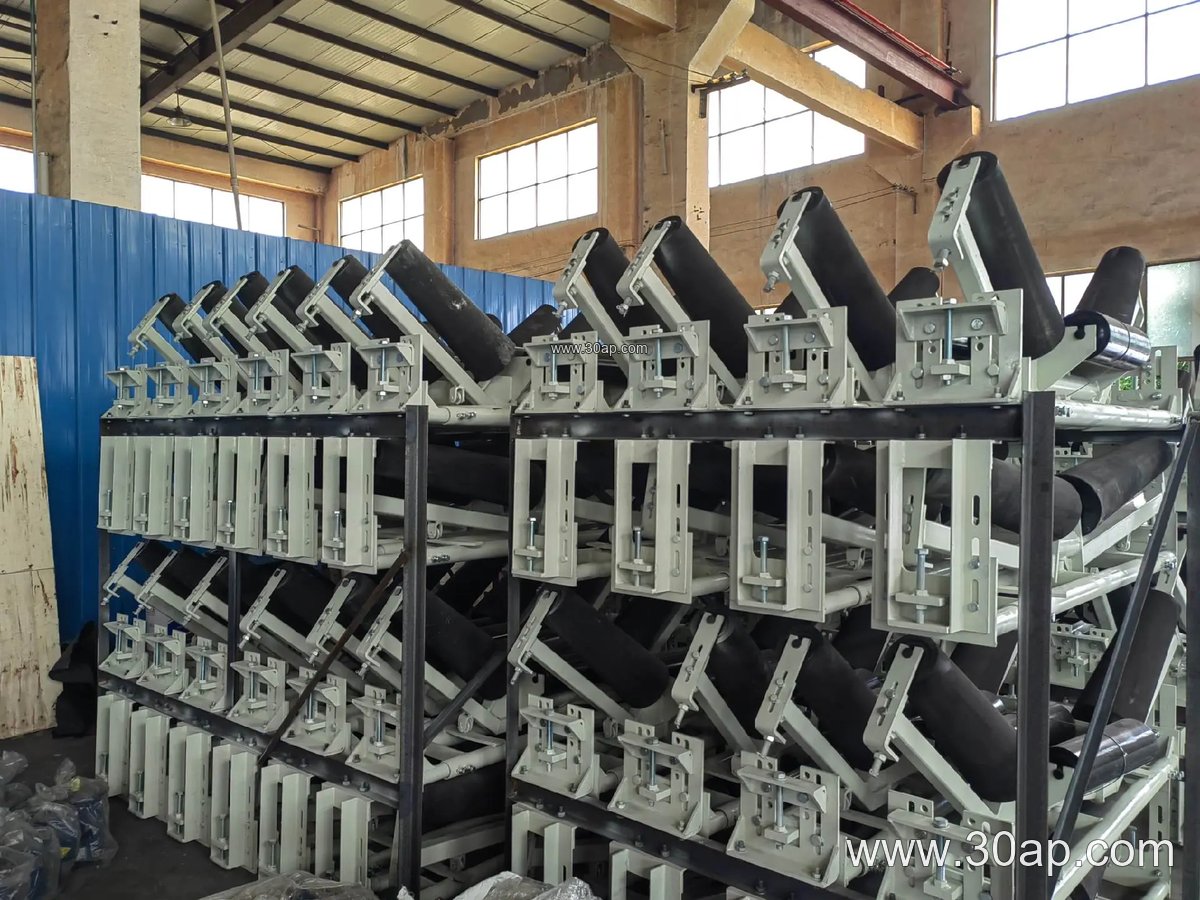
Fixed troughing brackets are simple, rigid, and cheap to maintain, which suits stable, well-aligned conveyors. Adjustable brackets cost more but let maintenance staff correct trough angle after belt loading changes or after a belt replacement. For a conveyor that carries a mining conveyor belt with variable lump size, the adjustable type is often worth the extra outlay. Transition brackets near the head and tail pulleys deserve separate attention because the belt must change from trough to flat without over-stressing the edges.
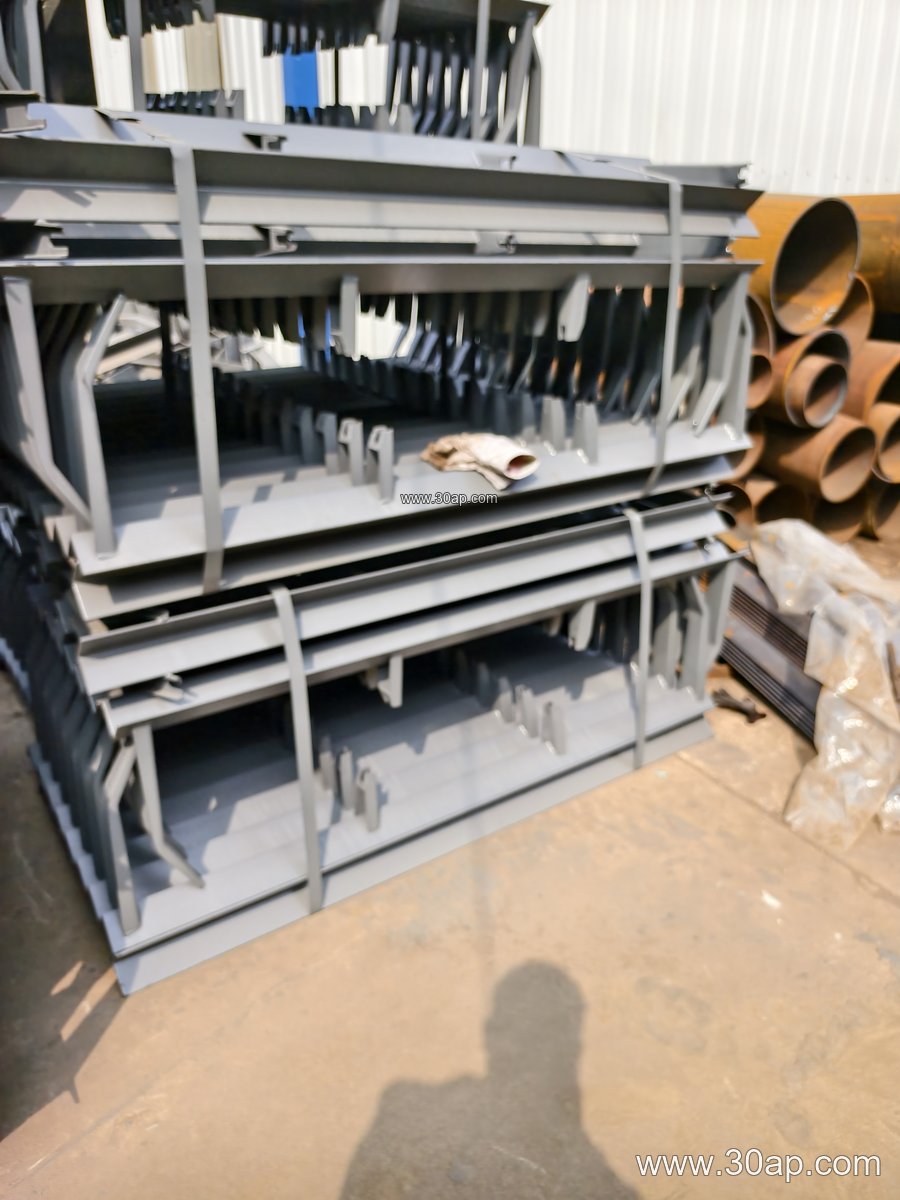
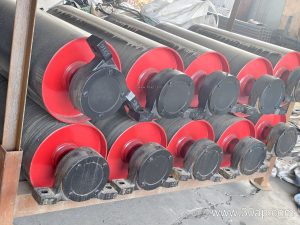
Return brackets, including V-type return brackets, are a different function from troughing brackets and should be ordered as separate line items. Likewise, a bend pulley or tail pulley is not a substitute for the bracket that supports the rollers, and no bracket type should be swapped for another without checking the frame drawing.
What to Check Before Ordering
- Belt width and the drawing reference for the conveyor frame.
- Trough angle and whether adjustment is required on site.
- Roller diameter and the matching mounting slot or hole pattern.
- Material thickness and surface treatment for the site environment.
- Quantity split between troughing, transition, and return positions.
Ask for a dimensioned drawing, not just a model number. Confirm hole spacing against the actual frame, and check that the bracket clears the belt edge and any skirt rubber. On abrasive duties such as iron ore or copper ore, thicker steel and better coating usually pay back faster than a lower initial price.
Good conveyor bracket procurement is mostly a documentation exercise: match the drawing to the belt width, the angle, and the roller, confirm material and finish, and keep the type names straight. That discipline keeps the belt running true and the maintenance budget predictable.