What an Ore Conveyor Belt Does in the Material Flow
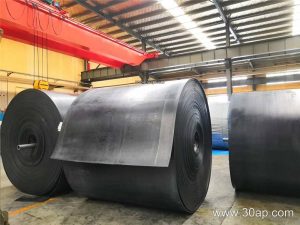
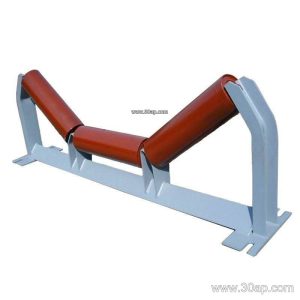
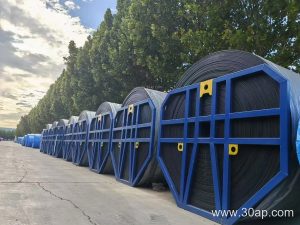
An ore conveyor belt is the load-bearing element of a continuous haulage system that moves crushed rock, lump ore, and mineral concentrates from one process point to the next. In a mine, quarry, or mineral processing plant, this belt forms the flexible loop that carries material over long distances, often uphill or around curves, while the conveyor structure supports it through idler rollers and pulleys. Unlike a general-purpose belt, the ore conveyor belt must tolerate sharp edges, heavy lumps, and abrasive dust without losing its carcass integrity.
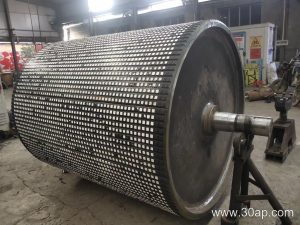
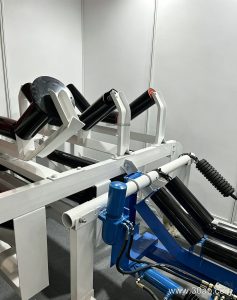
The working principle is simple: a drive pulley pulls the belt, a tail pulley maintains tension, and bend pulleys route the return strand. The belt itself consists of a carcass that carries tension and one or more rubber cover layers that protect the carcass from wear. The selection of carcass type and cover grade determines how well the belt performs in a specific ore handling duty.
Construction Details That Matter for Ore Duty
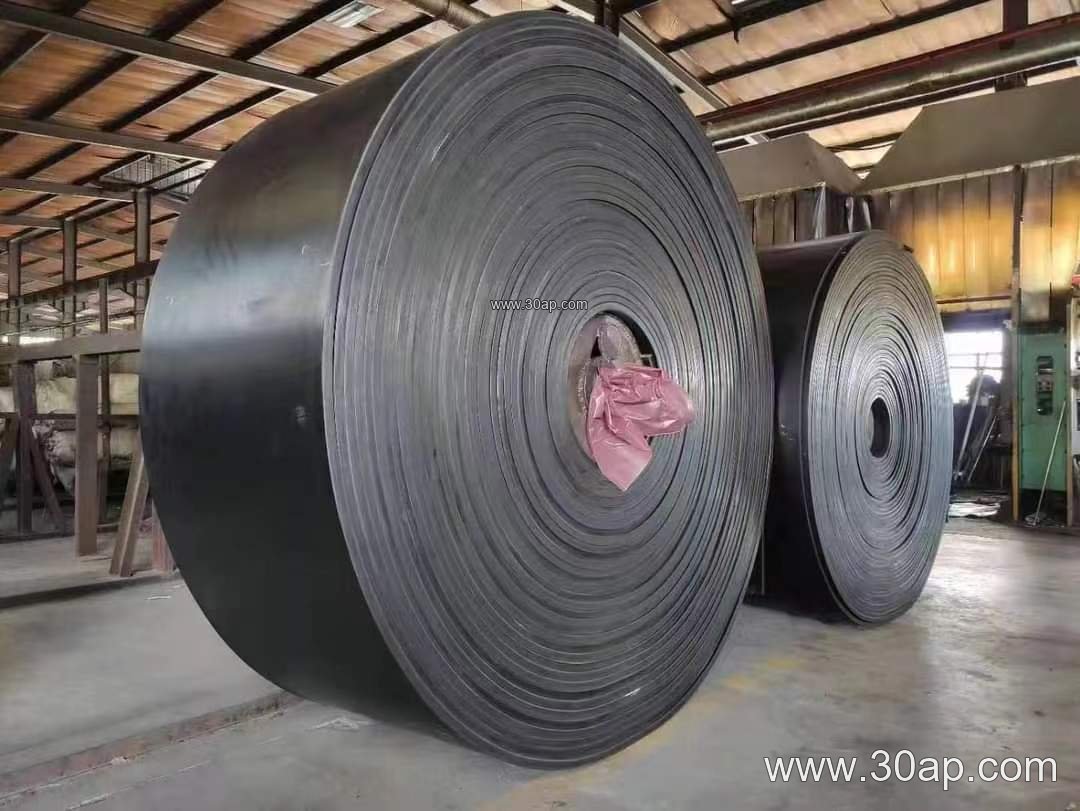
Most ore conveyor belts use a fabric core or a steel cord core. Fabric core belts, such as EP conveyor belt or NN conveyor belt, are built from multiple plies of synthetic fabric. A multi-ply fabric core conveyor belt offers good flexibility and impact resistance, which suits primary crushing circuits and transfer points where lump size is variable. Steel cord conveyor belt, by contrast, uses a single layer of high-tensile steel wires and is chosen for very long conveyors or high-tonnage lines where low elongation is important.
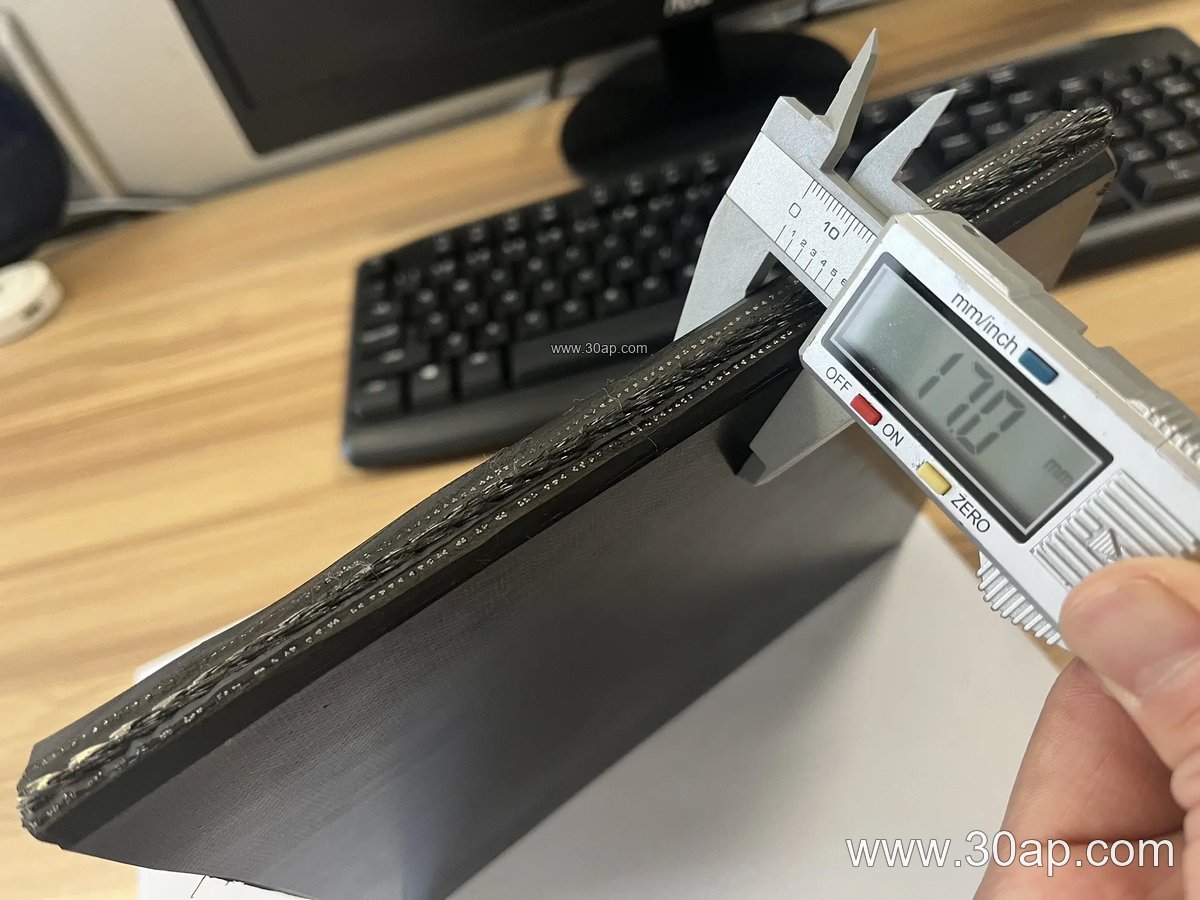
Cover compounds are formulated for the environment. Abrasion resistant conveyor belt grades protect against wear from sharp ore, while heat resistant conveyor belt covers are used after dryers or in cement plants where clinker is handled. Flame retardant conveyor belt and fire resistant conveyor belt grades are common in underground mining and coal mining conveyor belt systems. Oil resistant conveyor belt covers appear where lubricants or oily ore are present, and cold resistant conveyor belt grades help in cold climates. Anti-static conveyor belt covers are also available for dusty, explosive-risk atmospheres.
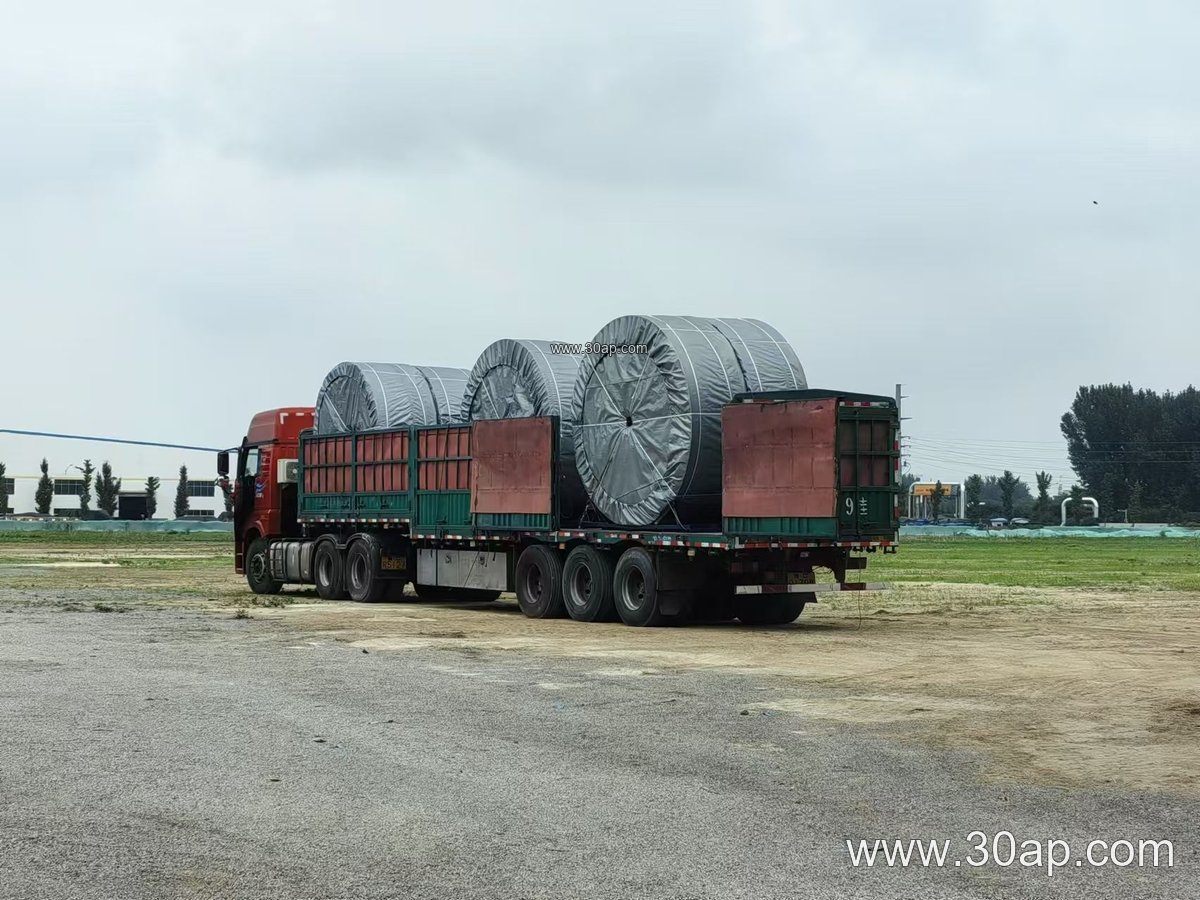
Edge construction and surface form also vary. A chevron conveyor belt or corrugated sidewall conveyor belt can be used on steep inclines to prevent material rollback. A skirted conveyor belt includes raised edges to contain material at transfer points. For enclosed routing, a pipe conveyor belt forms a tube shape to protect ore from wind and rain. These are alternative designs for specific conveying conditions, not direct replacements for a standard troughed ore conveyor belt.
Typical Service Environments
Ore conveyor belts appear across the mineral industry. In an iron ore conveyor belt line, the belt handles heavy, dense lumps and must resist cutting and abrasion. A copper ore conveyor belt often operates in wet or dusty conditions, so cover compound and splice quality matter. Gold mining conveyor belt systems may run smaller tonnages but require reliable tracking. Beyond metal mining, the same belt family serves coal mining conveyor belt circuits, cement plant conveyor belt lines, power plant conveyor belt fuel handling, and quarry conveyor belt or aggregate conveyor belt operations. A crusher conveyor belt and rock conveyor belt are common names for belts in the primary reduction stage, while a bulk material conveyor belt description fits port and ship loading conveyor belt systems.
Common Specification Ranges
The table below shows typical reference values for ore conveyor belts. Actual values are determined by conveyor design and should be confirmed with the belt manufacturer.
| Parameter | Common Reference Range |
|---|---|
| Belt width | B500, B650, B800, B1000, B1200, B1400, B1600, B1800, B2000 |
| Fabric core strength grades | EP200, EP315, EP400, EP500, EP630, EP800, EP1000, EP1250, EP1600, EP2000 |
| Steel cord strength grades | ST1000, ST1250, ST1600, ST2000, ST2500, ST3150 |
| Cover thickness examples | 3+1.5 mm, 4+2 mm, 5+2 mm, 6+2 mm, 8+3 mm |
| Fabric plies | 2 to 6 plies, depending on duty |
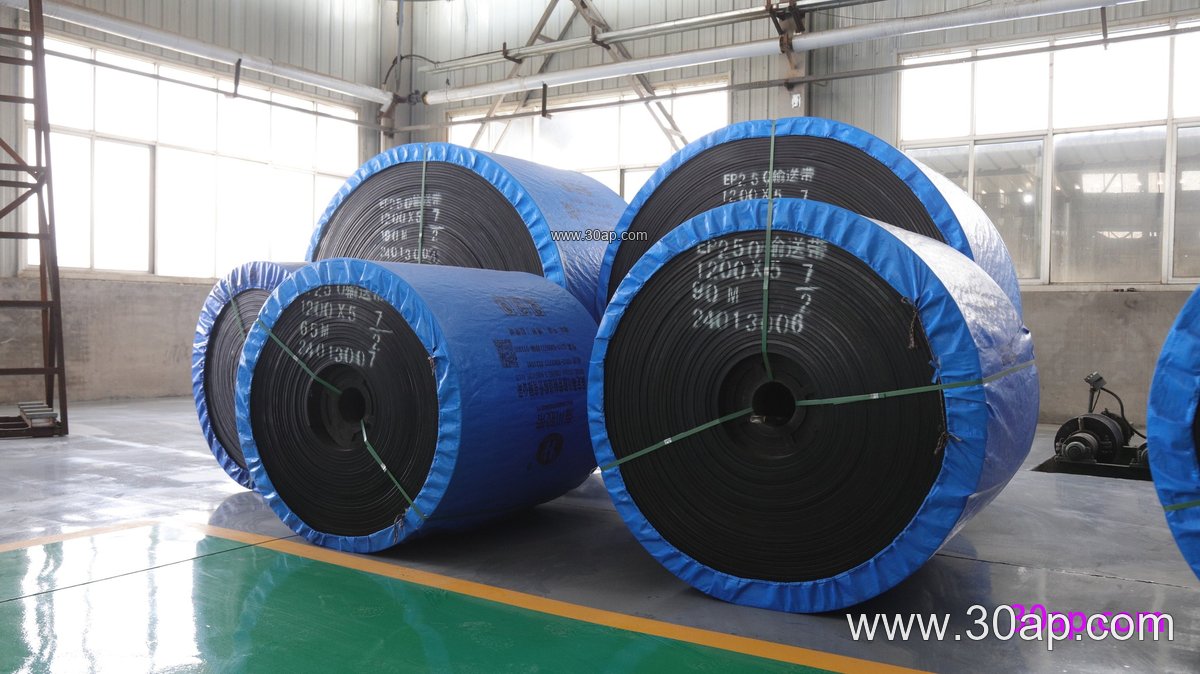
For example, an EP1000 1200mm conveyor belt might be specified for a medium-duty ore transfer, while a heavy-duty mining conveyor belt in a primary crushing application could use a thicker cover and a higher-strength carcass. Belt width and pulley diameter are matched through conveyor design calculations, not by a fixed rule. A 1200mm wide conveyor belt can work with different pulley sizes depending on tension and space requirements.
Buyer Checklist for Ore Conveyor Belt Projects
- Define the ore type, lump size, and moisture content so the cover grade and carcass can be selected properly.
- Confirm the maximum belt tension and take-up travel to choose between fabric core and steel cord construction.
- Check the conveyor profile: steep inclines may call for a chevron or corrugated sidewall design, while long overland routes favor low-stretch steel cord belts.
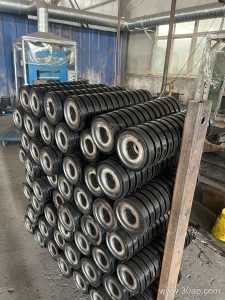
- Review the pulley and idler roller arrangement with the conveyor designer to ensure the belt training and support are adequate.
- Consider environmental factors such as temperature, oil exposure, and fire risk, which point to heat resistant, oil resistant, or flame retardant covers.
- Ask for the splice method and recommended spare parts, including conveyor pulley lagging and conveyor bracket compatibility.
Whether the project involves an underground coal mining conveyor belt, a cement plant conveyor belt, or a port conveyor belt, the ore conveyor belt remains the critical wear component. Matching the belt specification to the actual duty, rather than to a generic catalog number, is the most reliable way to reduce downtime and maintain material flow.