What a Parallel Idler Bracket Does on a Conveyor
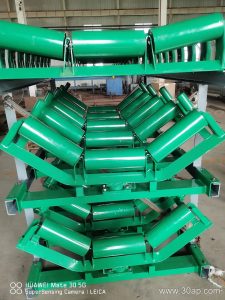
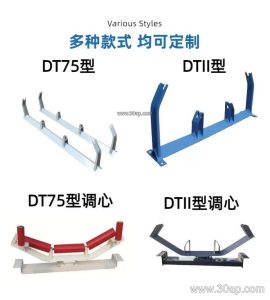
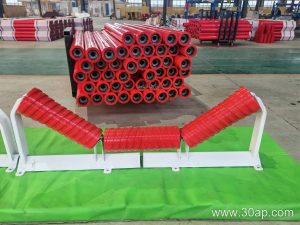
A parallel idler bracket is a support component that holds the idler rollers of a belt conveyor in a fixed horizontal or slightly inclined position along the carrying or return run. In many installations the parallel idler bracket works as the lower, return-side support, keeping the belt from sagging between the head and tail sections. Because it holds rollers in a straight line rather than in a trough, it is often chosen where the belt runs flat, where the load is light, or where the return strand needs simple, stable guidance.
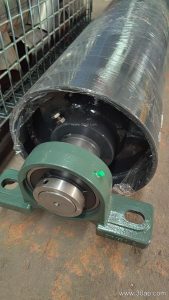
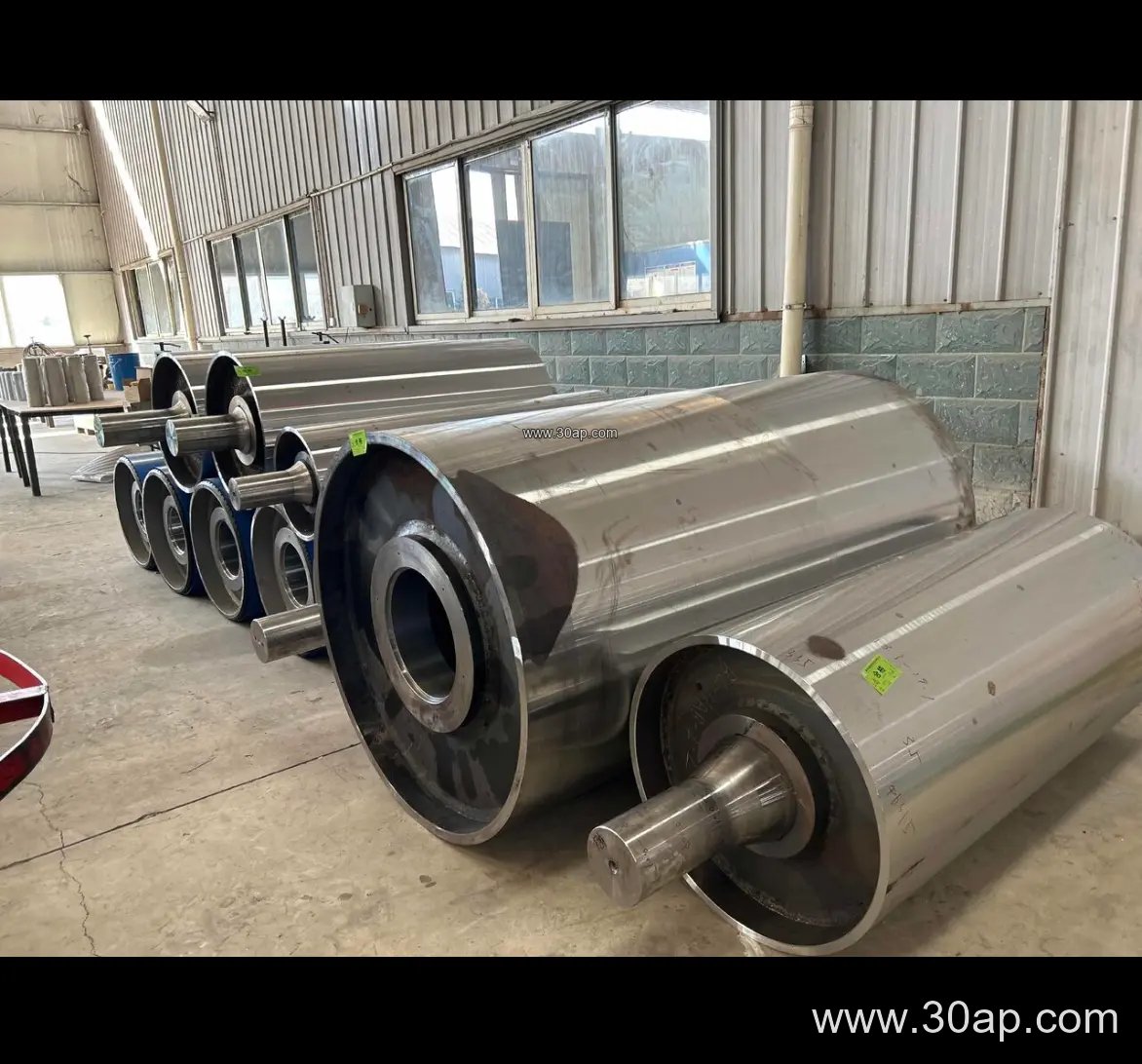
The bracket is not a pulley. Drive pulleys, tail pulleys and bend pulleys transmit or redirect belt tension, while the parallel idler bracket only carries the weight of the belt and the material. This distinction matters when ordering spare parts, because a conveyor bracket that fits an idler frame will not substitute for a conveyor pulley, and vice versa.
Construction and Common Materials
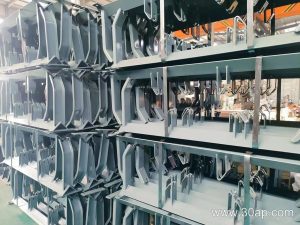
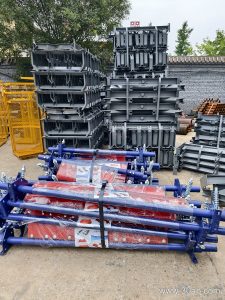
Most parallel idler brackets are fabricated from angle steel, channel steel or folded steel plate. The frame is drilled or slotted to accept the shaft ends of the idler roller, and the base is designed to bolt onto the conveyor stringer or cross beam. A simple fixed bracket has no adjustment; a adjustable version allows the roller position to be shifted slightly to suit belt tracking.
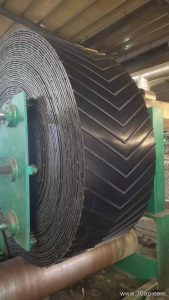
Surface treatment is usually decided by the site environment. In a quarry or a limestone mine, dust and moisture call for a coated or galvanized finish. In a coal preparation plant or a power plant coal handling line, the bracket may be specified together with a flame retardant conveyor belt and anti-static components, so the whole support assembly suits the safety requirements of the area.
Typical Sizes and Matching Data
Bracket dimensions follow belt width, trough angle and roller diameter. The table below gives reference ranges that are common in catalogues; actual mounting hole spacing and beam length are determined by the conveyor design.
- Belt width range: B500, B650, B800, B1000, B1200, B1400, B1600, B1800, B2000, B2200
- Roller diameter range: Ø89, Ø108, Ø133, Ø159, Ø194
- Trough angle for adjustable frames: 20°, 30°, 35°, 45°
- Forward tilt on some carrying brackets: about 1.5° to 2°
Examples of practical combinations include B800 with Ø108 rollers, B1200 with Ø133 rollers, and B650 with Ø89 rollers. These are examples, not fixed rules. A wide belt can run with more than one roller diameter depending on load and speed, and the bracket should be selected from the conveyor layout rather than from belt width alone.
Where the Bracket Fits in a Conveying System
Parallel brackets appear in many bulk handling plants. In a sand and gravel line or a crushing and screening circuit, they support the return belt after the discharge point. In a cement plant they carry the belt on the flat sections between transfer towers. In a steel plant or sinter plant, heat resistant conveyor belt grades may be used nearby, and the bracket material and coating should tolerate the same ambient conditions.
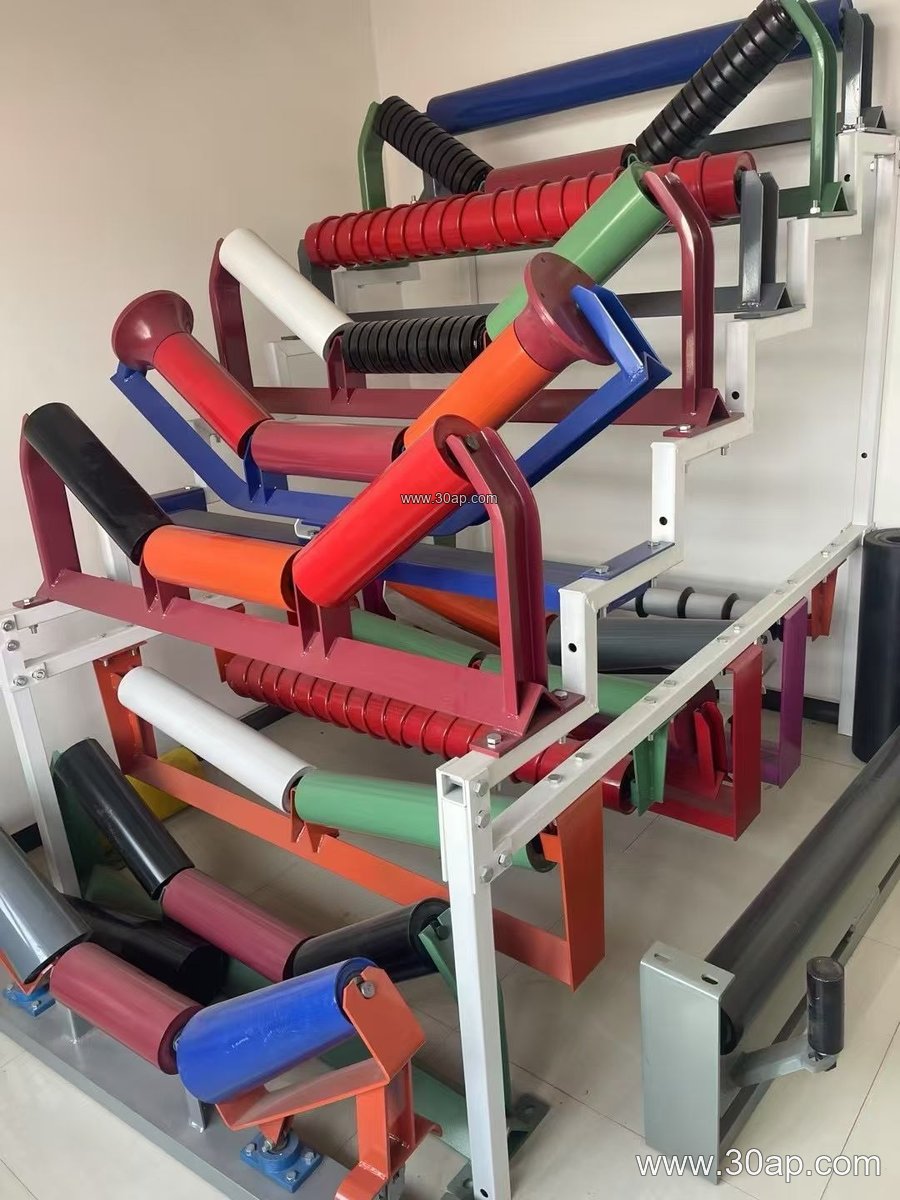
They are also found in port conveyor systems, ship loading lines and tunnel spoil removal conveyors. On a pipe conveyor belt or a corrugated sidewall conveyor belt, the bracket layout is usually different, but the same principle applies: the bracket positions the idler roller so the belt runs smoothly without edge damage.
Installation and Maintenance Notes
Alignment is the most important part of installation. A parallel idler bracket that sits slightly out of square will push the belt to one side and cause edge wear. Check that the bracket is level across the stringer, that the roller turns freely, and that the mounting bolts are tightened to the specified torque.
During routine inspection, look for bent frames, elongated bolt holes and seized rollers. Replacing a worn idler roller is easier when the bracket uses a drop-in or slotted design, which is one reason many plants standardize on one bracket family across a conveyor line.
Buyer Checklist
- Confirm belt width, roller diameter and whether the bracket is for the carrying or return side.
- Ask for the mounting hole spacing drawing, not just a model number.
- State the environment: dusty quarry, wet coal plant, hot sinter line or food-grade area.
- Decide between fixed and adjustable brackets based on tracking needs.
- Check that the bracket material and coating match the conveyor belt grade in use.
For a complete spare parts package, buyers often combine parallel idler brackets with conveyor bracket sets, idler rollers and the correct conveyor pulley assembly. Matching these parts at the ordering stage reduces downtime and keeps the belt running true.