What a Return Idler Does on a Conveyor
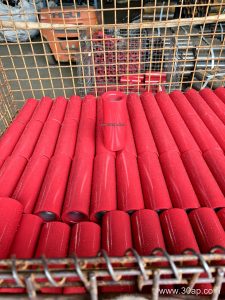
A return idler is the roller that supports the empty, returning strand of a conveyor belt. After the belt discharges its load at the head end, it travels back underneath the structure, and this lower run needs support just as much as the carrying side. Without properly spaced return rollers, the belt would sag between supports, flap against the frame, and wear prematurely along its edges. In a quarry, a coal washing plant, or a cement clinker line, the return idler is a small component that quietly determines how smoothly the whole circuit runs.
The product is also called a lower idler or return roller, and in flat form it is often described as a plain return idler. It should not be confused with a bend pulley or a tail pulley, which are drums that change belt direction rather than support the belt along its length.
Construction and Typical Forms
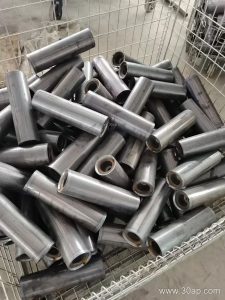
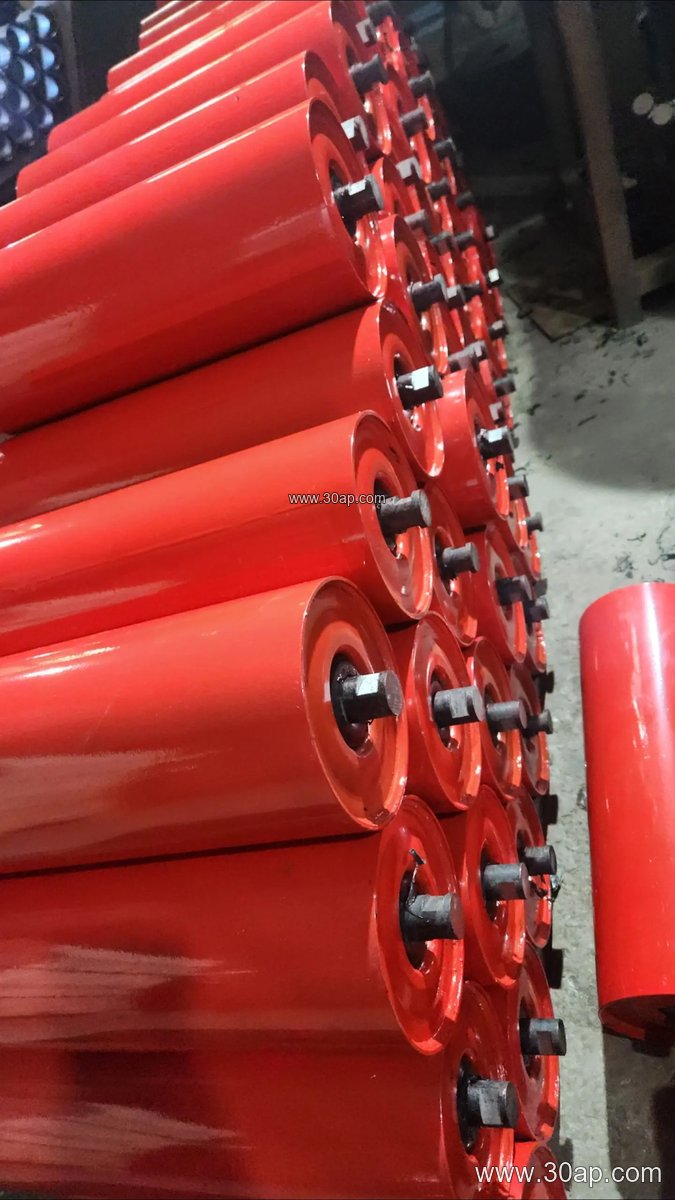
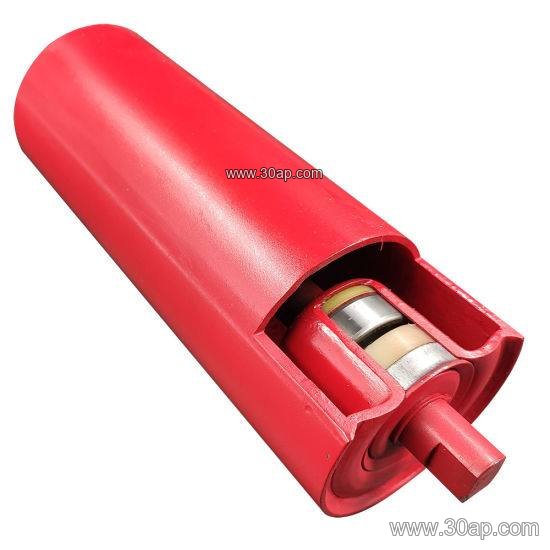
A standard return idler is built around a steel tube shell fitted with bearing housings at each end, sealed to keep out dust and moisture. The shaft is usually held in a bracket or hanger fixed to the conveyor stringers. Common shell diameters include Ø89, Ø108, Ø127, and Ø159 mm, with larger sizes such as Ø178 or Ø194 mm used on heavy belts. Bearing sizes are matched to the load and speed rather than to belt width alone; 6205, 6305, 6306, and 6308 are frequently seen in this role.
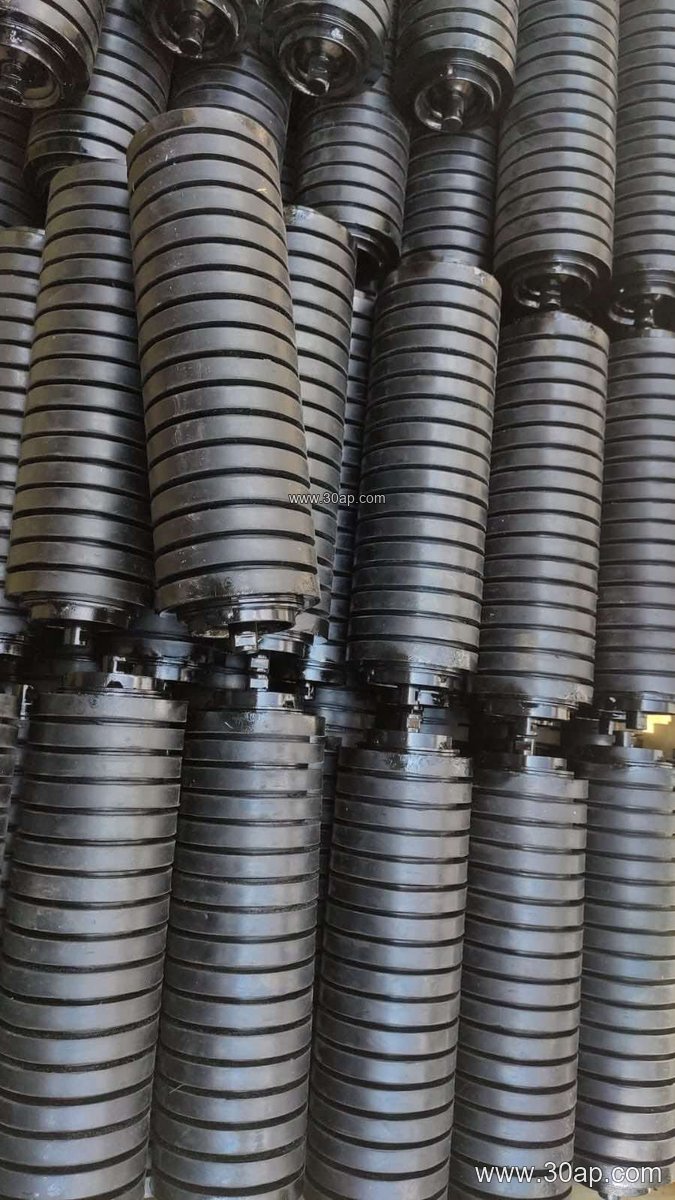
Several surface and shape variants exist. The plain flat roller is the baseline. A V-type return idler uses two angled rolls to centre the belt and shed sticky material. Spiral or helical rollers help discharge fines that would otherwise build up on the shell. Rubber-disc return rollers absorb impact and reduce noise where the belt carries lumps. Ceramic or nylon-covered shells may be chosen where abrasion or build-up is a concern. Each of these remains a return idler; they are not substitutes for a drive pulley or a troughed carrying idler.
Matching the Roller to Belt Width
Return roller length follows belt width and frame design. As a reference, common arrangements are shown below; actual values should be confirmed against the conveyor drawing.
| Belt width | Typical return roller length |
|---|---|
| B500 | about 600 mm |
| B650 | about 750 mm |
| B800 | about 950 mm |
| B1000 | about 1150 mm |
| B1200 | about 1400 mm |
| B1400 | about 1600 mm |
| B1600 | about 1800 mm |
These figures are illustrative, not fixed pairings. A 1200mm wide belt on a heavy-duty mining conveyor may use a larger shaft and bearing than a light aggregate line of the same width. Buyers should supply belt width, belt weight per metre, lump size, trough angle of the carrying side, and ambient conditions so the supplier can size the roller properly.
Where Return Idlers Are Used
These rollers appear on almost every belt conveyor handling bulk material. In an iron ore or copper ore operation, they support long overland flights and must cope with abrasive dust. In a coal mining conveyor or underground coal mining conveyor, flame retardant and anti-static properties of nearby components matter, and return rollers are often specified with sealed bearings to survive wash-down and fines. Power plant coal handling, port ship loading, and concrete batching plants all rely on them as well.
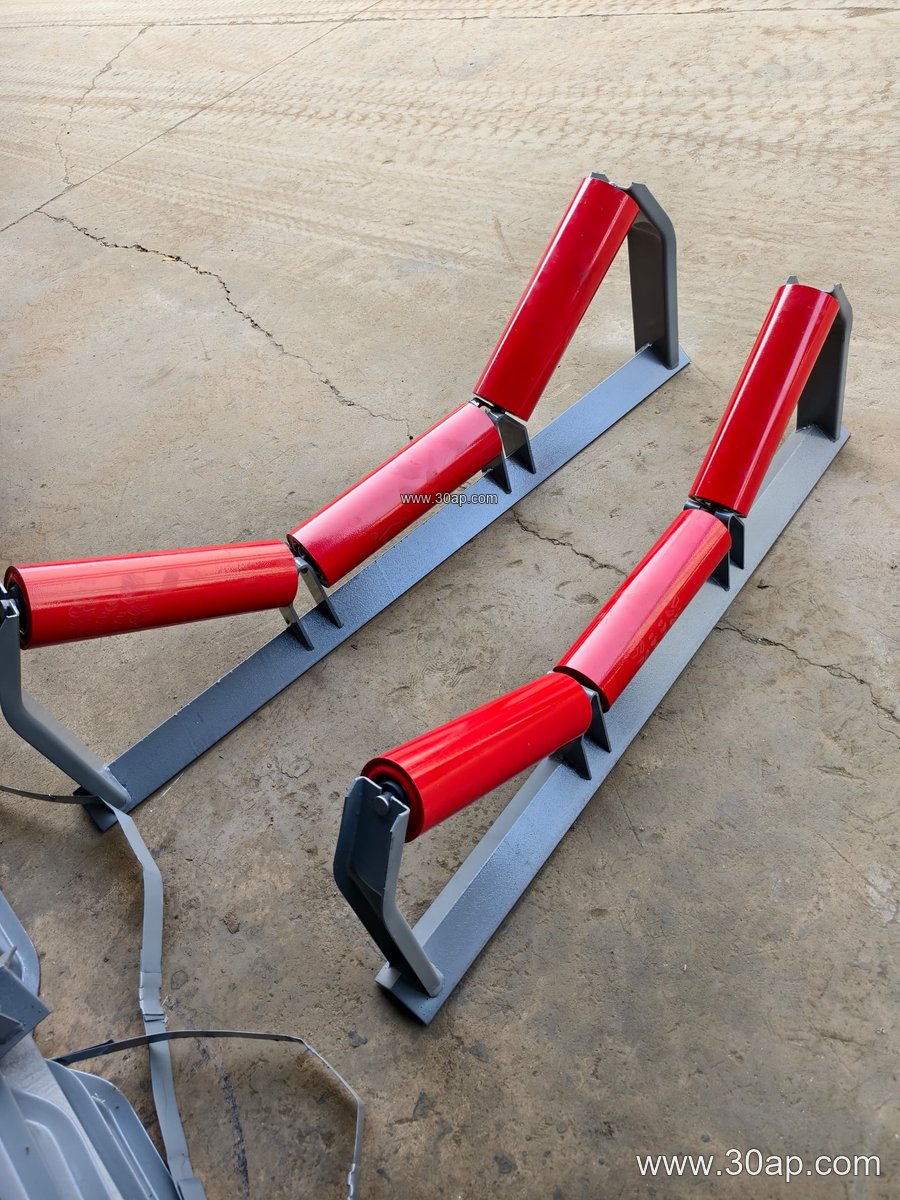
The belt itself is part of the picture. A steel cord conveyor belt is stiff and heavy, so return idler spacing and roll diameter need to be generous. A multi-ply fabric core conveyor belt or an EP conveyor belt is more flexible and tolerates closer spacing. Where a chevron conveyor belt or corrugated sidewall conveyor belt runs on the return side, the roller surface must not interfere with cleats or walls, which may call for a plain flat roller rather than a spiral type.
Selection and Maintenance Notes
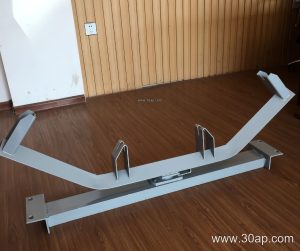
- Check that the roller length and bracket match the existing stringer spacing before ordering.
- Confirm sealing class for dusty or wet service; a worn seal is the most common cause of seizure.
- Inspect for flat spots, shell wear, and noisy bearings during routine walk-arounds.
- Keep the return strand free of spilled material so the belt does not lift off the rollers.
- Replace rollers in matched sets where alignment has drifted, rather than one at a time.
For buyers sourcing through a supplier such as conveyorcomponents.example.com, it helps to attach a sketch of the bracket and the shaft end. Related items like the conveyor bracket and the idler roller on the carrying side are usually ordered together, but each has its own duty and should be specified separately.