What a 1000mm Diameter Conveyor Pulley Is
A 1000mm diameter conveyor pulley is a large-diameter drum used to drive, tension, or redirect a conveyor belt in heavy bulk handling systems. At this size, the pulley is usually the main drive or head pulley on high-capacity lines, where a large wrap angle and high torque transmission are needed. It is not the same as a tail pulley or a bend pulley — those are separate positions in the conveyor layout, and each plays a different role in belt tracking and tension control.
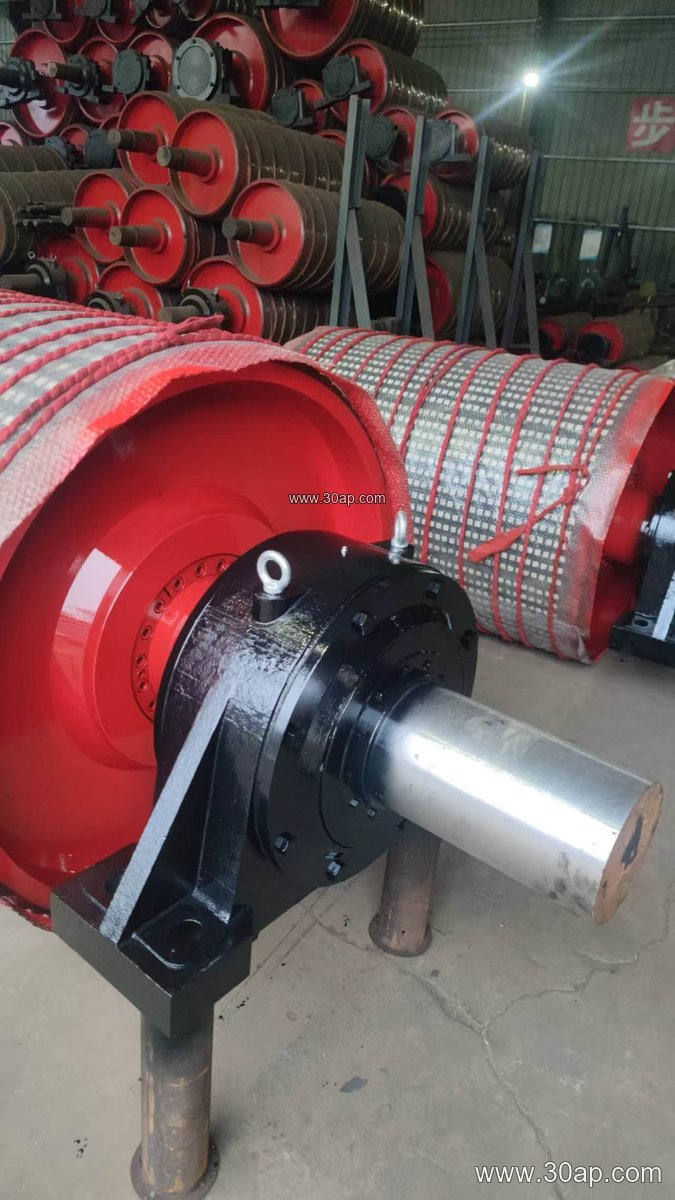
Common surface forms include plain steel, hot-vulcanized rubber lagging, cold-bonded rubber, diamond grooved lagging, and ceramic lagging. Lagging thickness is often 8, 10, 12, 15, or 20 mm, chosen according to grip requirements and the material being carried.
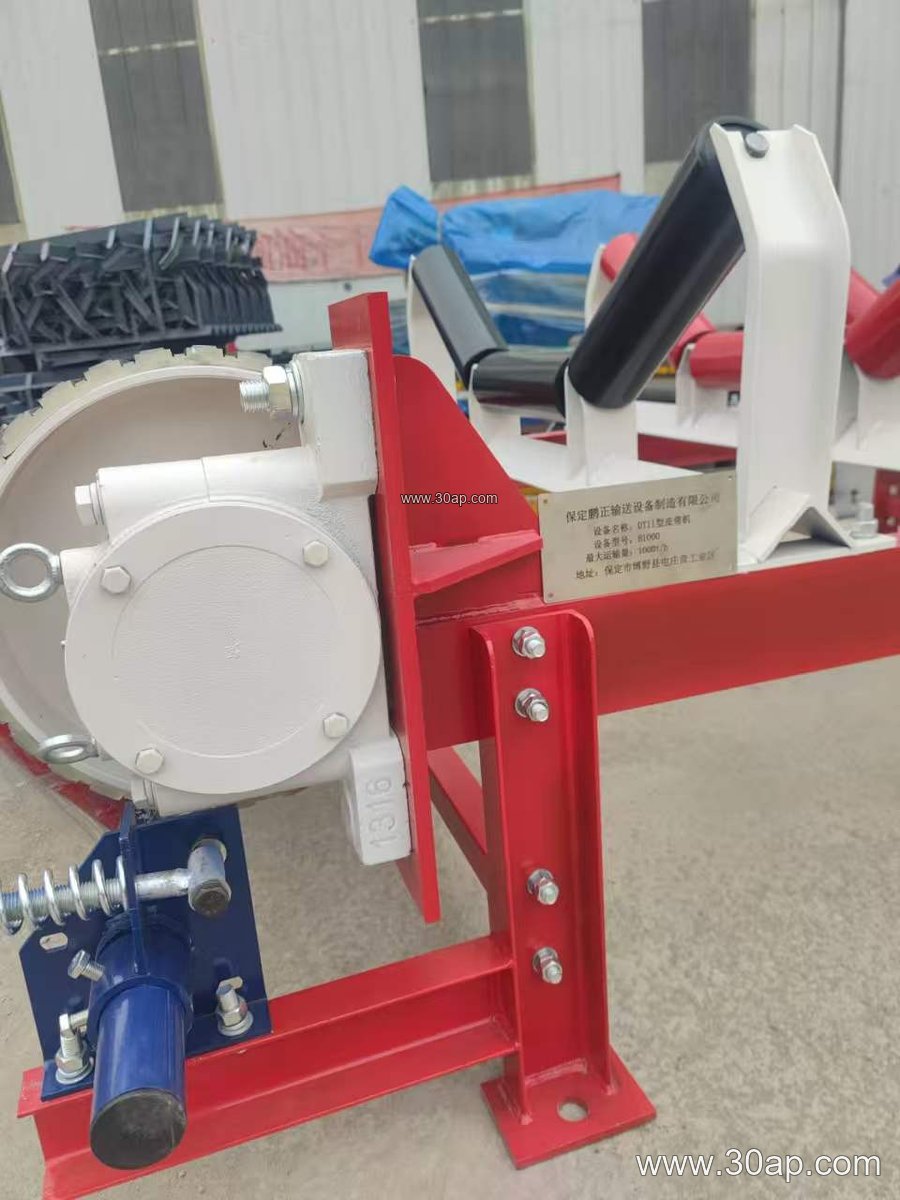
How the Drum Is Built
The structure typically combines a rolled steel shell, welded end discs, a hub, and a shaft. The shell is machined for concentricity, and the shaft diameter is determined by torque and radial load — not by belt width alone. Typical shaft sizes range from Ø50 up to Ø200 mm depending on the drive duty.
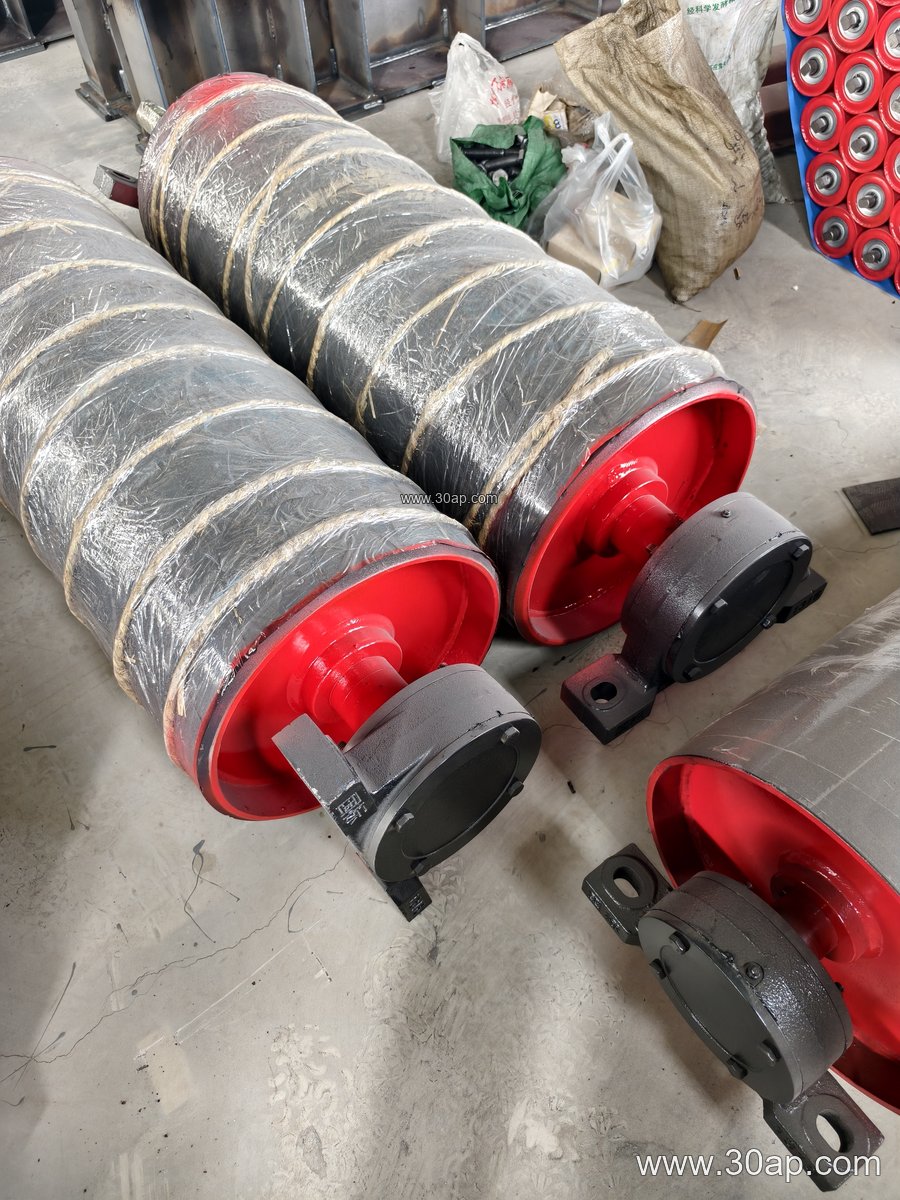
Face width is usually wider than the belt. For example, a B1000 belt commonly pairs with a face width around 1150 mm, while a B1200 system may use roughly 1400 mm. These are design references, not fixed rules; a 1000mm diameter pulley can be supplied with different face widths to suit the layout.
| Parameter | Typical Reference Range |
|---|---|
| Diameter | Ø1000 mm |
| Belt width combination examples | B1000 × Ø1000, B1200 × Ø1000, B1400 × Ø1000 |
| Face width examples | About 1150 mm for B1000, about 1400 mm for B1200, about 1600 mm for B1400 |
| Shaft diameter | Ø50 to Ø200 mm, confirmed by load calculation |
| Lagging thickness | 8, 10, 12, 15, 20 mm |
Where It Fits in the Conveyor
On a limestone quarry line or a coal washing plant, a 1000mm diameter unit is often the head drive pulley at the discharge point. Its large diameter reduces bending stress in the belt and improves grip when the conveyor carries heavy, abrasive material. In a power plant coal yard, the same size may serve as a tension pulley at the take-up station, keeping the belt stable during start and stop cycles.
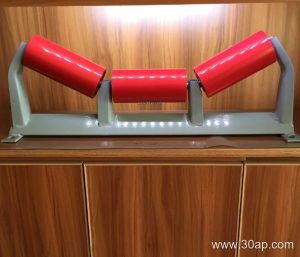
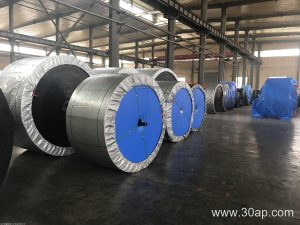
It works together with the conveyor belt, idler rollers, and conveyor brackets. A compatible belt — for example a heavy-duty mining conveyor belt, an abrasion resistant conveyor belt, or a steel cord conveyor belt on long overland runs — should match the pulley’s lagging and load rating. A skirted conveyor belt or corrugated sidewall conveyor belt may need extra attention to pulley face width and edge clearance.
Points a Buyer Should Confirm
- Duty position: drive, tail, bend, or tension. This affects hub design and lagging choice.
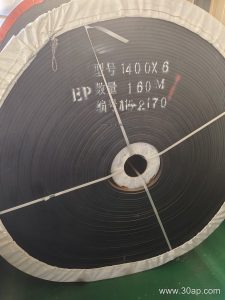
- Belt width and belt type, including whether an EP conveyor belt, NN conveyor belt, or fabric core conveyor belt is used.
- Lagging pattern and thickness, especially for wet or oily conditions where a diamond or ceramic surface helps.
- Shaft diameter and bearing size, calculated from torque and radial load rather than assumed from belt width.
- Balancing and runout requirements for high-speed operation.
For a crusher discharge or aggregate conveyor line, a 1000mm diameter pulley is often paired with an impact resistant conveyor belt and reinforced idler rollers. In a cement plant clinker circuit, heat resistant conveyor belt grades may be required nearby, though the pulley itself should be specified for the ambient temperature and dust load.
Maintenance and Long-Term Reliability
Check lagging wear, shell concentricity, and shaft alignment at regular intervals. A worn lagging surface reduces grip and can cause belt slip, especially on a drive pulley handling wet ore or aggregate. Keep the pulley face clean and confirm that the conveyor belt tension is set according to the take-up design. When replacing a bend pulley or tail pulley in the same line, verify that the new 1000mm diameter unit matches the existing shaft and bearing housing dimensions.