What a 1000mm Drive Pulley Does on a Conveyor
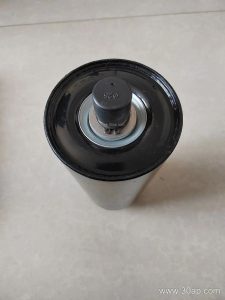
A 1000mm drive pulley is the powered drum at the head of a belt conveyor that transfers torque from the gearbox to the conveyor belt. The “1000mm” refers to the drum diameter, and this size sits in the heavy end of the range, where high tension and long center distances are common. In a limestone quarry or a coal preparation plant, this head drum is often the component that determines how much power the drive can actually deliver to the belt.
It is worth separating the drive pulley from its neighbors on the conveyor. A tail pulley turns freely at the loading end, and a bend pulley simply redirects the belt. Neither is interchangeable with the drive drum, because only the drive drum carries the torque input and the associated shaft and bearing loads. When engineers talk about a 1000mm drive pulley, they mean the head or main drive position, not a snub or take-up drum.
Construction and Typical Dimensions
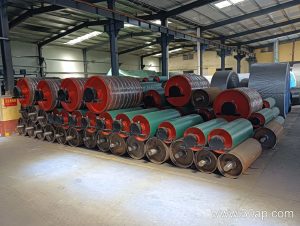
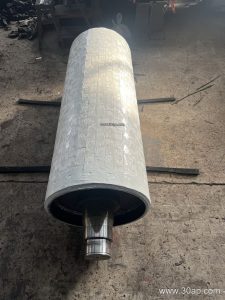
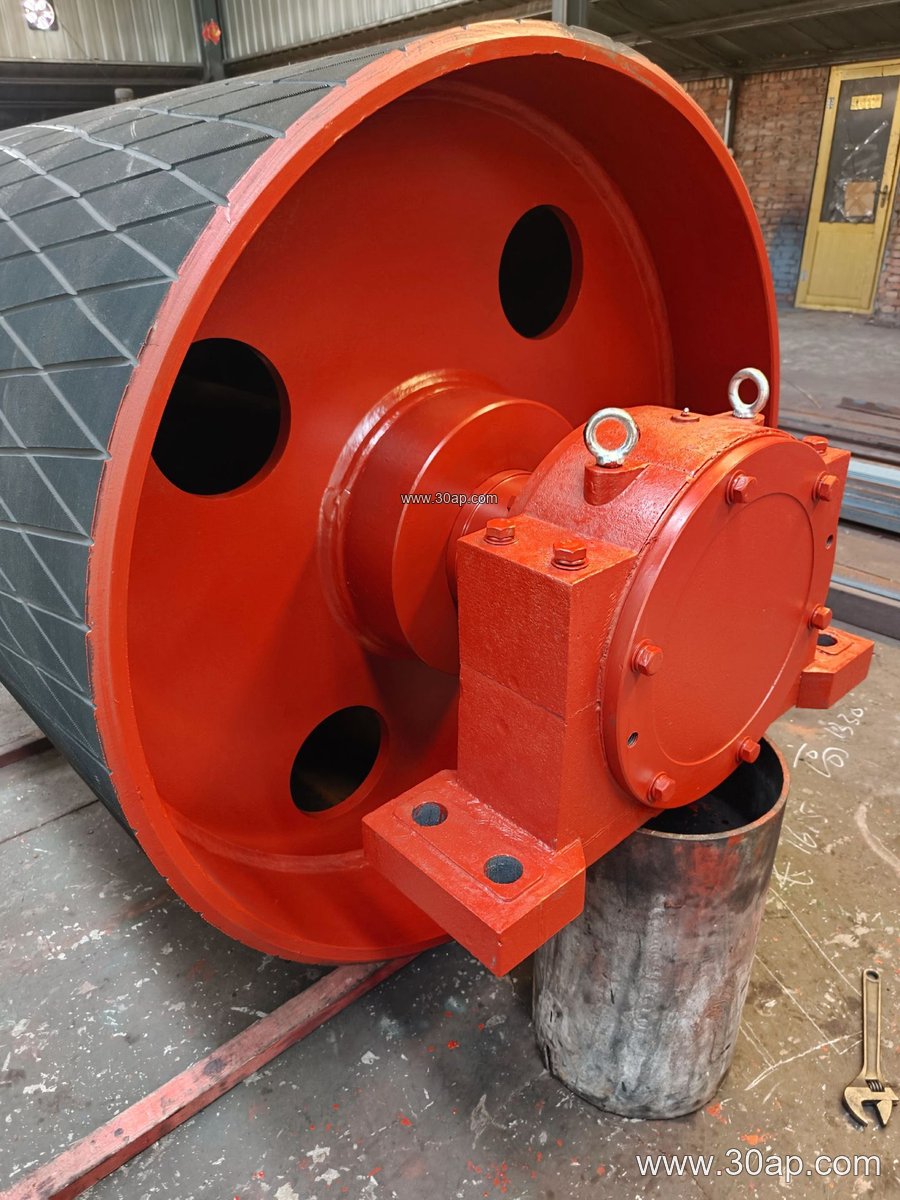
The drum usually consists of a rolled steel shell, welded end discs, a machined hub, and a shaft sized to the torque. Shell thickness, weld quality, and shaft diameter are all determined by the drive duty rather than by belt width alone. A common approach is to pair the drum with a B1000 belt, giving a face width of roughly 1150 mm so the belt is fully supported, but other combinations exist and should come from the conveyor design.
| Parameter | Common reference values |
|---|---|
| Drum diameter | Ø800, Ø1000, Ø1250 mm |
| Belt width match | B800, B1000, B1200 |
| Face width | About 950 to 1400 mm, usually wider than the belt |
| Shaft diameter | Ø100, Ø120, Ø140, Ø160, Ø180 mm |
| Lagging thickness | 8, 10, 12, 15, 20 mm |
| Surface options | Smooth, plain rubber, diamond, herringbone, ceramic |
Shaft size should follow the calculated torque and bearing load, never a rule of thumb tied to belt width. A Ø1000 drum on a short, lightly loaded conveyor and the same diameter on a long overland run can require very different shafts.
Lagging and Grip
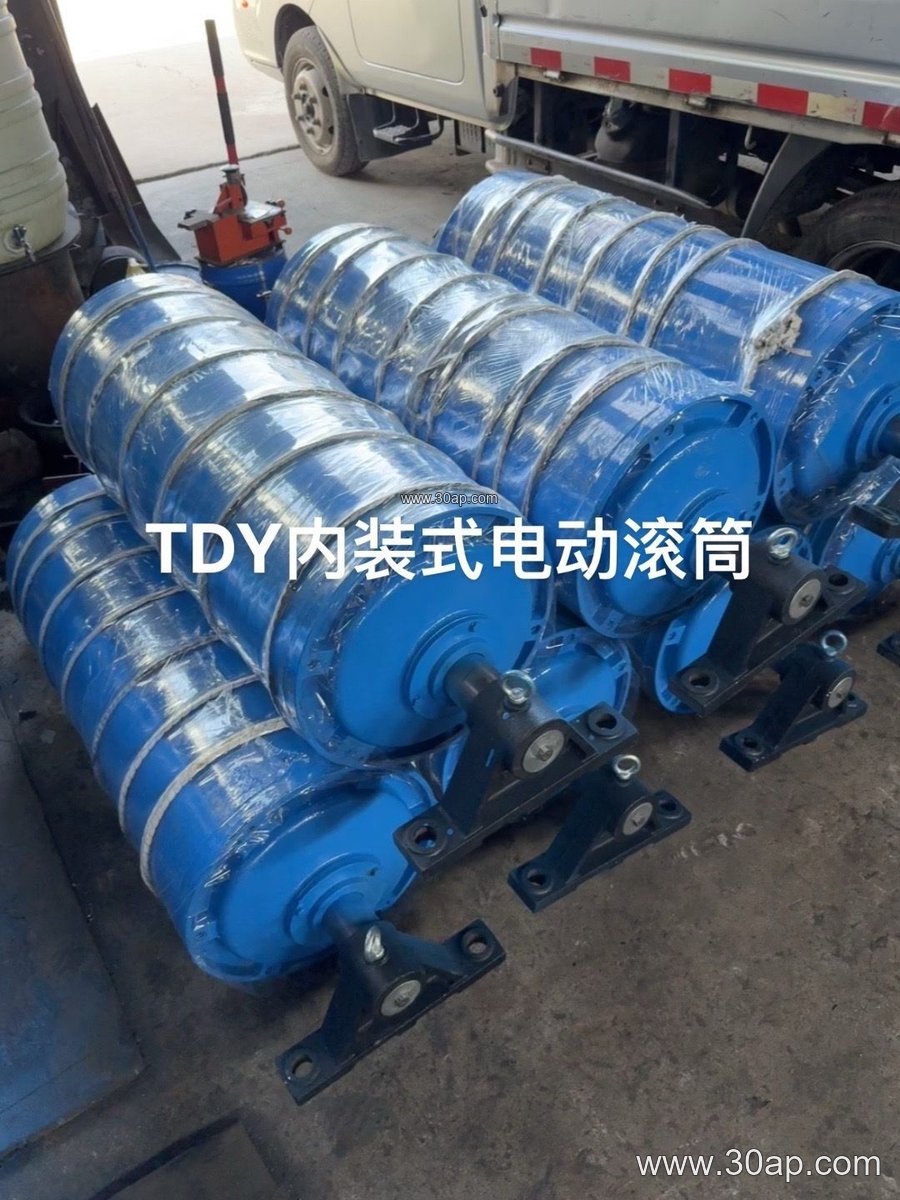
The surface of a drive pulley matters as much as its diameter. Plain steel offers little friction once the belt is wet or dusty, so most installations use rubber lagging. Diamond or herringbone patterns help shed water and fines, which is useful in a wash plant or an aggregate line where spray water is present. Ceramic lagging is chosen where slip and abrasion are severe, such as a crusher discharge or a heavy-duty mining conveyor handling sharp rock.
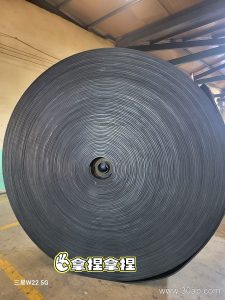
Lagging thickness is often 10 to 15 mm for general service and up to 20 mm for high-torque drives. The right choice depends on the required friction coefficient, the belt cover, and the environment. Pairing a 1000mm drive pulley with an abrasion resistant conveyor belt or a flame retardant conveyor belt in a coal handling system is common, but the lagging and the belt cover should be selected together.
Where This Diameter Fits
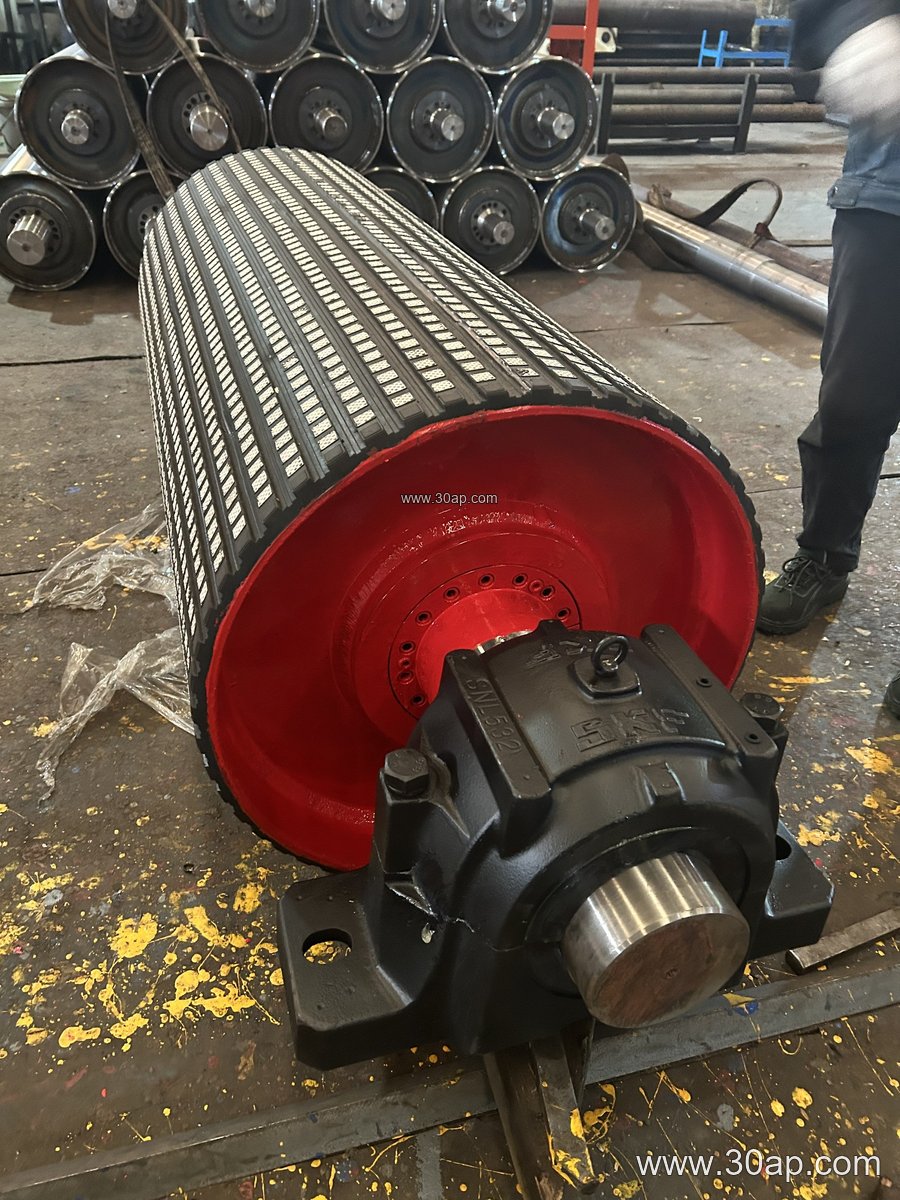
A 1000mm drum is frequently found in the cement industry on clinker and raw meal conveyors, in power plant coal handling, and in iron ore and copper ore transport where belts run at high tension. It also appears in port bulk terminals and in large aggregate plants feeding a crusher. The larger diameter reduces belt bending stress and improves wrap around the drum, which helps with power transmission on long conveyors.
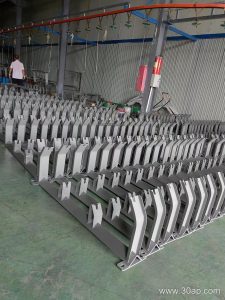
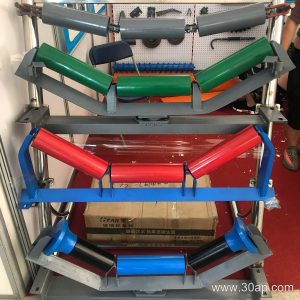
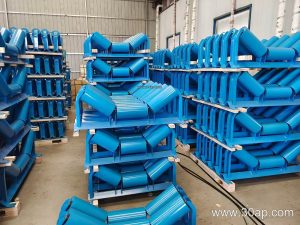
On a typical conveyor, the drive pulley works alongside conveyor idler rollers, a conveyor bracket set, and the supporting structure. The drum must be aligned with the idlers so the belt tracks centrally. Misalignment at the head end is a frequent cause of edge wear, even when the pulley itself is well made.
Buyer Checklist
- Confirm the drum diameter and face width against the conveyor design, not just the belt width.
- Ask for the shaft diameter and bearing size based on the calculated torque.
- Specify the lagging type and thickness for the actual material and moisture conditions.
- Check balancing class and runout for high-speed drives.
- Confirm the pulley is supplied with the correct hub, keyway, and bolt pattern for the gearbox coupling.
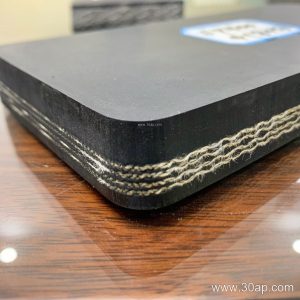
- Review the belt specification at the same time, since an EP conveyor belt and a steel cord conveyor belt place different demands on the drum.
For a 1000mm drive pulley, the safest approach is to treat diameter, face width, shaft, and lagging as one design package. Get those four items right and the drum will deliver torque reliably for the life of the conveyor.