What a Rubber Lagged Pulley Does
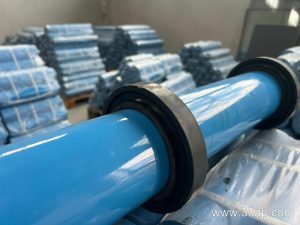
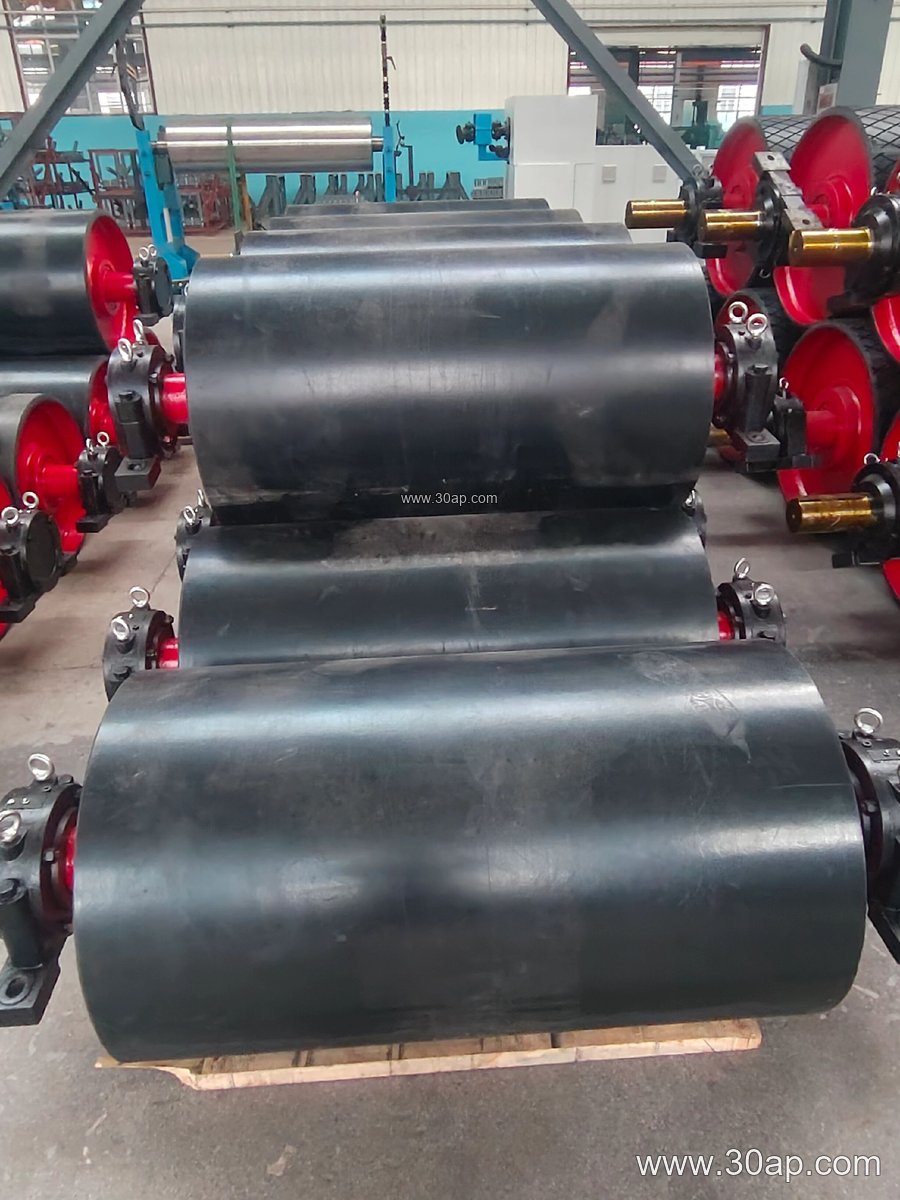
A rubber lagged pulley is a conveyor pulley whose outer shell is covered with a rubber layer, applied either as a cold-bonded sheet or as a hot-vulcanized sleeve. The lagging raises friction between the drum face and the conveyor belt, which matters most where the belt wraps a drive pulley and must transmit torque without slipping. It also shields the steel shell from abrasive dust and reduces the chance of belt damage when material builds up on the face. In a quarry or a sand and gravel line, that difference in grip often shows up as fewer belt stalls on a wet morning.
How the Lagging Is Built
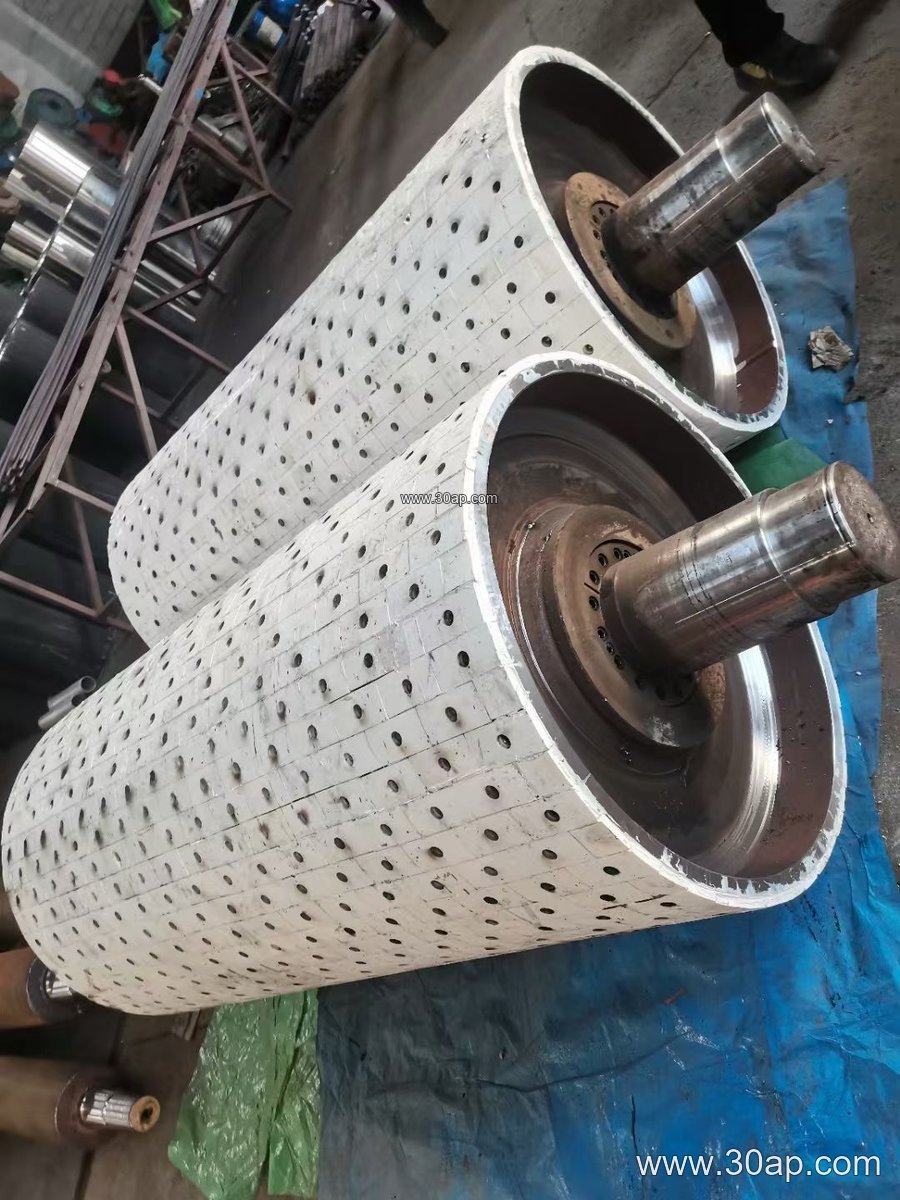
The drum body is usually a welded steel shell with end discs and a shaft, machined so the rubber sits flat. Lagging thickness commonly falls between 8 mm and 20 mm, with 10 mm and 12 mm used widely for general duty. Surface patterns include plain sheet, diamond, herringbone and ceramic-studded forms. Plain lagging suits clean, dry belts; diamond and herringbone patterns help water and fine dust escape from the nip point. Rubber quality should match the job: an abrasion resistant compound for aggregate and ore, an oil resistant grade where lubricants or oily cargo are present, and a flame retardant grade for underground coal mining conveyors where regulations apply.
Where It Fits on the Conveyor
Lagging is most useful on the drive pulley, and it is also applied to tail pulleys, bend pulleys and take-up pulleys where belt tracking and shell protection matter. These positions are not the same: a drive pulley needs grip, a tail pulley needs a self-cleaning face, and a bend pulley mainly needs a smooth, true-running surface. A rubber lagged bend pulley is therefore a different choice from a rubber lagged drive pulley even though the covering looks similar. Matching the pulley to the conveyor belt is part of the design, and the belt construction — an EP conveyor belt, an NN conveyor belt, a steel cord conveyor belt or a heavy-duty mining conveyor belt — influences the wrap angle and the torque the drum must carry. Buyers often check the pulley together with the idler roller and conveyor bracket set so the whole frame lines up.
Common Dimensions and Combinations
Sizes are selected from belt width, shaft load and torque, not from a single fixed rule. The table below shows typical values used as reference during planning.
| Item | Common reference values |
|---|---|
| Belt width B | B500, B650, B800, B1000, B1200, B1400, B1600, B1800 |
| Pulley diameter | Ø250, Ø315, Ø400, Ø500, Ø630, Ø800, Ø1000, Ø1250 |
| Face width | About 100 mm wider than belt, e.g. B800 about 950 mm |
| Lagging thickness | 8, 10, 12, 15, 20 mm |
| Shaft diameter | Ø60, Ø80, Ø100, Ø120, Ø140, Ø160, Ø180, Ø200 |
| Example pairings | B800 x Ø500, B1200 x Ø1000, B1400 x Ø800 |
A wider drum face does not dictate one diameter, and shaft size follows the calculated load rather than the belt width alone. A B1000 conveyor may run a Ø630 drive pulley in one plant and a Ø800 in another with different tension and speed.
Buyer Checklist
- Confirm the pulley position: drive, tail, bend, take-up or snub, since each has different demands.
- State the belt type and tension so the lagging friction and shell strength can be checked.
- Choose the rubber compound for the cargo — abrasive, oily, hot or flame sensitive.
- Decide between cold-bonded and hot-vulcanized lagging; hot vulcanizing usually gives a stronger bond for high-torque drives.
- Ask for the shaft diameter, bearing centers and keyway to match the conveyor bracket and bearing housing.
- Plan inspection: worn or glazed lagging loses grip long before the shell fails.
On a cement plant clinker line or a power plant coal handling system, a lagged drum that is checked for wear and cleaned regularly will usually outlast one that is simply left running. The right specification starts with the duty, the belt and the position on the conveyor, and ends with a covering that matches all three.