What a Heavy-Duty Steel Conveyor Bracket Does
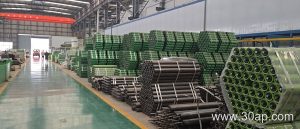
A Heavy-Duty Steel Conveyor Bracket is the structural element that holds conveyor idlers in the correct position under the belt. It carries the weight of the belt, the material being moved, and the dynamic loads created at start-up and during impact loading. In a quarry, a coal preparation plant, or a crushing and screening line, this bracket is often the quiet workhorse that keeps the whole conveyor frame stable. It works together with the conveyor belt, idler roller, and conveyor pulley to keep the line tracking and running.
Because the bracket is a load-bearing part, its design is not just a matter of bending a piece of steel. It determines how evenly the rollers sit, how well the belt is supported, and how easy maintenance becomes when a roller has to be replaced.
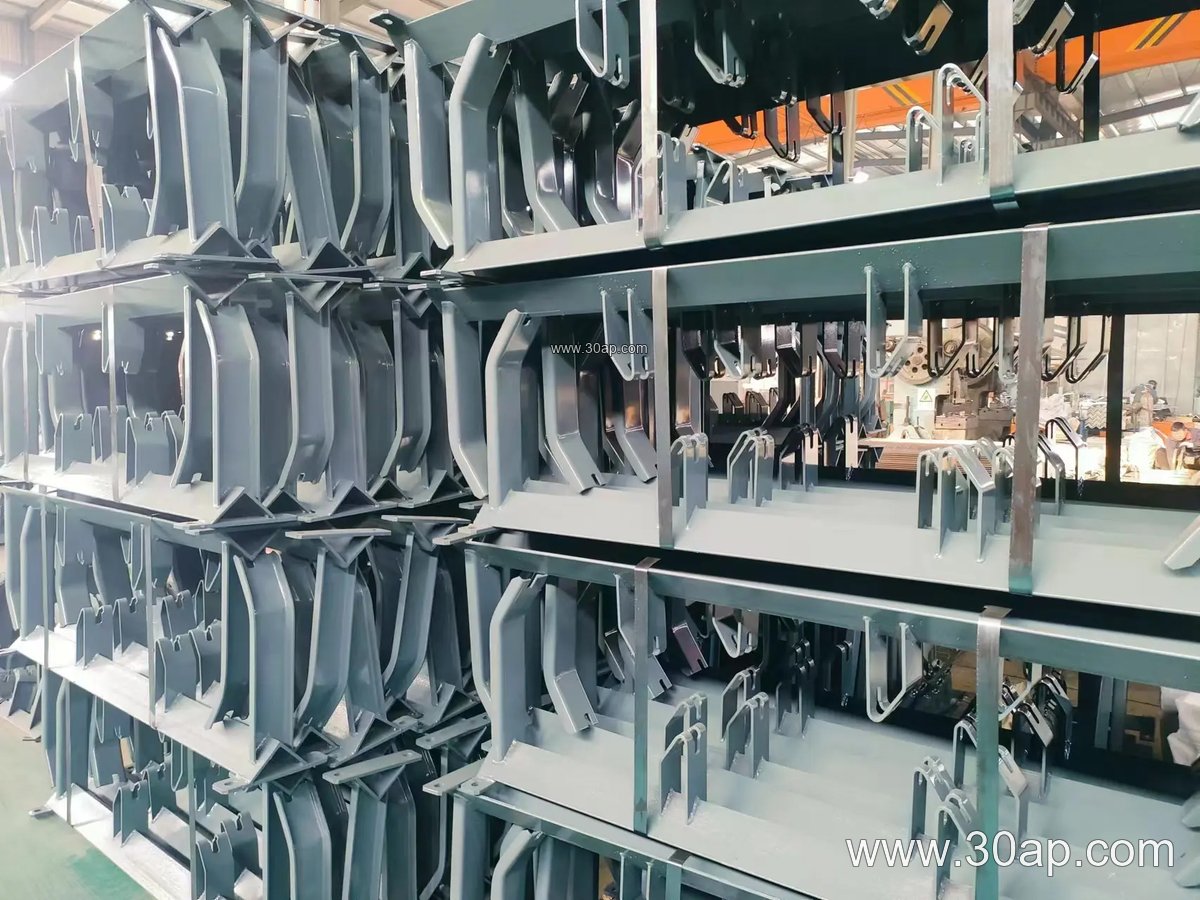
How the Bracket Is Built
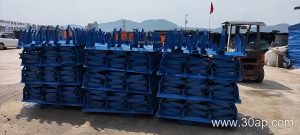
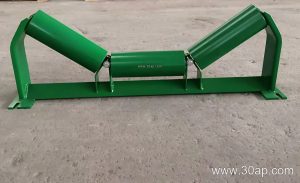
Most heavy-duty steel conveyor brackets are fabricated from angle steel, channel steel, or folded steel plate. The material thickness and the welding layout are chosen according to the belt width and the expected load. A typical troughing bracket has inclined arms that set the side rollers at a defined trough angle, while a return bracket holds the lower rollers flat or in a V shape.
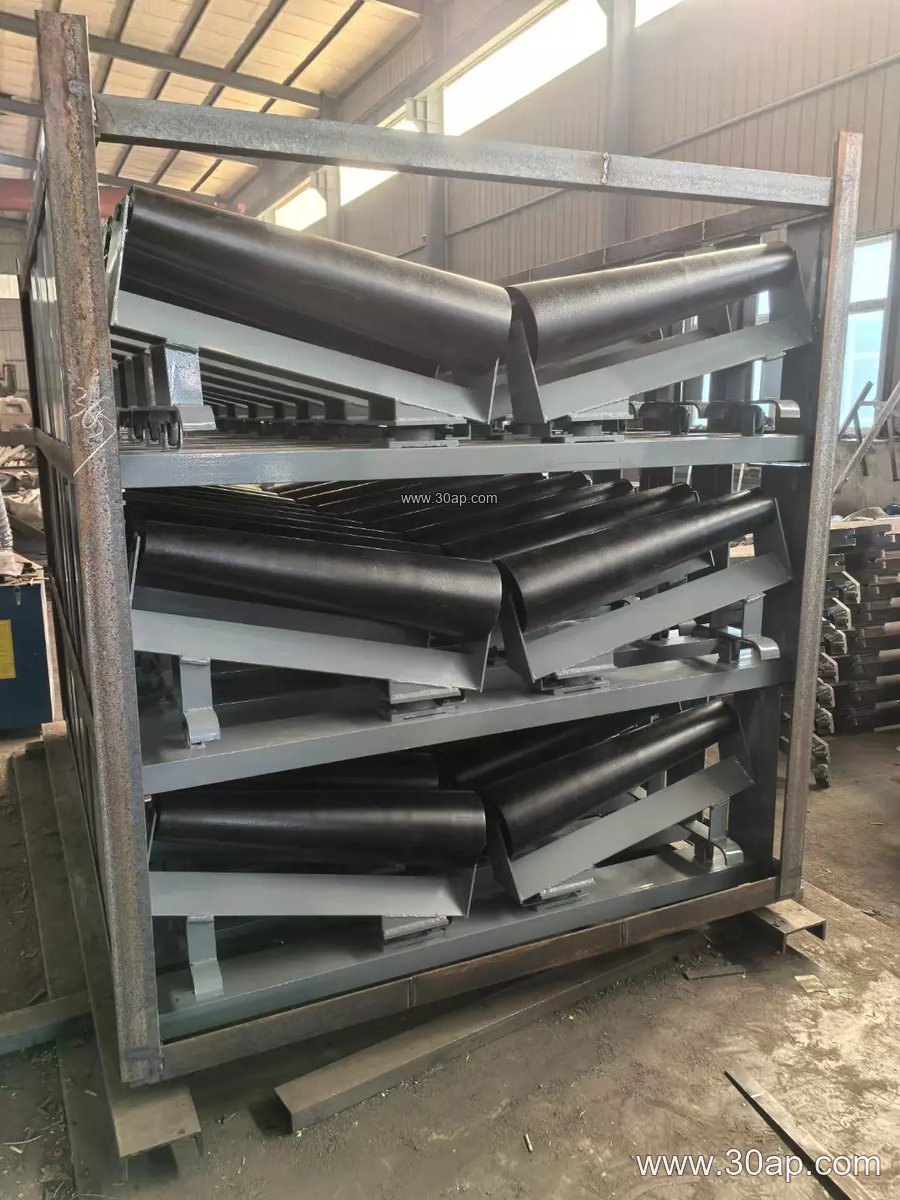
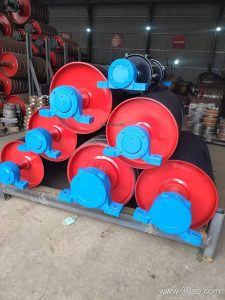
Common bracket forms include troughing brackets, transition brackets, return brackets, flat lower brackets, V-return brackets, impact bracket sets, self-aligning brackets, forward-leaning brackets, and adjustable brackets. Some designs are bolted and adjustable, allowing the trough angle to be changed on site; others are fixed and welded for maximum rigidity. The bracket does not replace the idler or the pulley; each part has its own job, and a drive pulley, a tail pulley, and a bend pulley are not interchangeable with any bracket type.
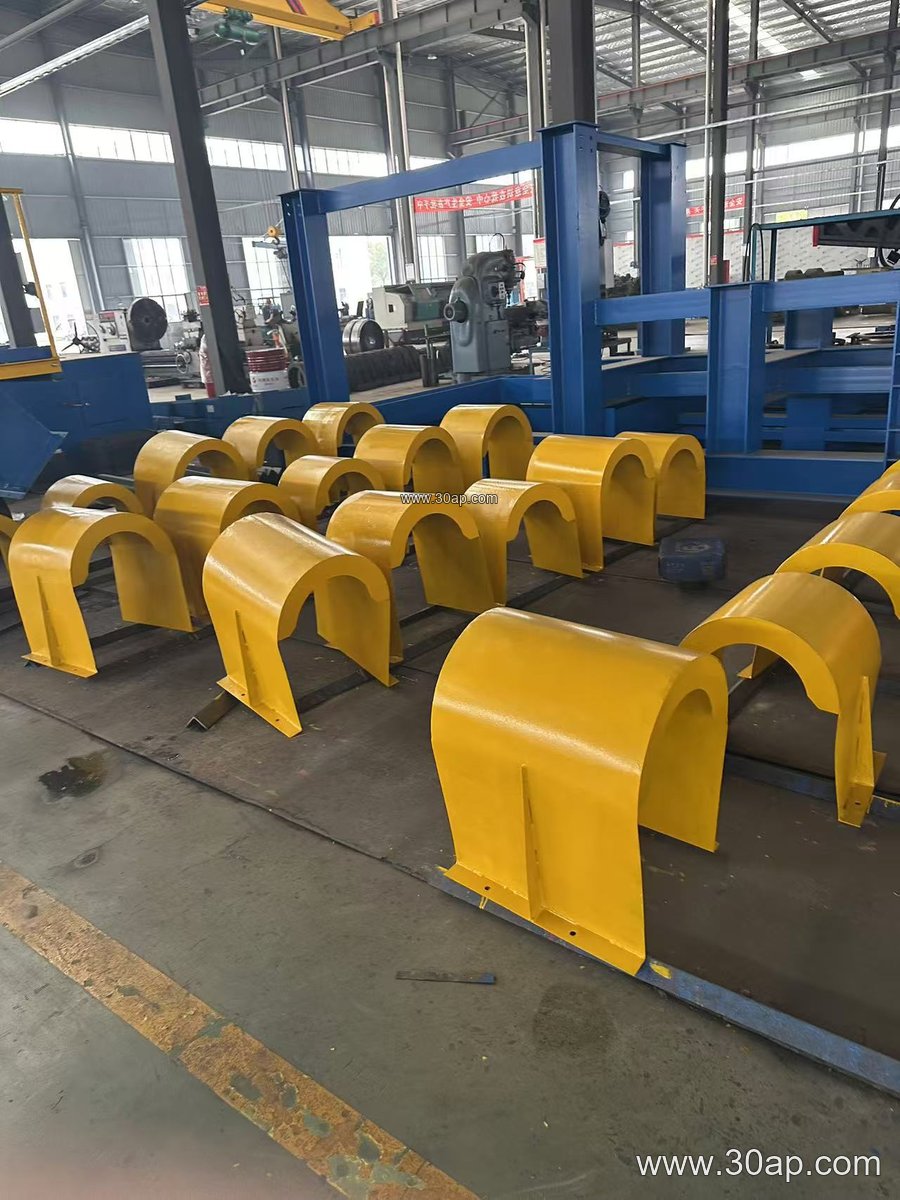
Typical Sizes and Configurations
Bracket dimensions follow the belt width and the roller diameter used on the conveyor. The table below shows common reference combinations; actual mounting hole spacing and beam length are determined by the design, not by a single fixed number.
| Belt Width | Trough Angle | Roller Diameter | Typical Bracket Form |
|---|---|---|---|
| B500 | 20° / 30° | Ø89 | Troughing bracket |
| B650 | 30° / 35° | Ø89 / Ø108 | Troughing or transition bracket |
| B800 | 35° / 45° | Ø108 / Ø133 | Troughing bracket, adjustable |
| B1000 | 35° / 45° | Ø108 / Ø133 / Ø159 | Troughing bracket, impact bracket |
| B1200 | 35° / 45° | Ø133 / Ø159 | Troughing bracket, V-return bracket |
| B1400 | 35° / 45° | Ø159 / Ø194 | Heavy troughing bracket |
| B1600 | 35° / 45° | Ø159 / Ø194 | Heavy troughing bracket |
| B1800 | 35° / 45° | Ø159 / Ø194 | Heavy troughing bracket |
| B2000 | 35° / 45° | Ø194 | Heavy troughing bracket |
| B2200 | 35° / 45° | Ø194 | Heavy troughing bracket |
Forward-leaning brackets are often set at about 1.5° to 2° to help belt tracking. Adjustable brackets can be moved between the common trough angles, which is useful where the belt load changes along the line.
Where These Brackets Are Used
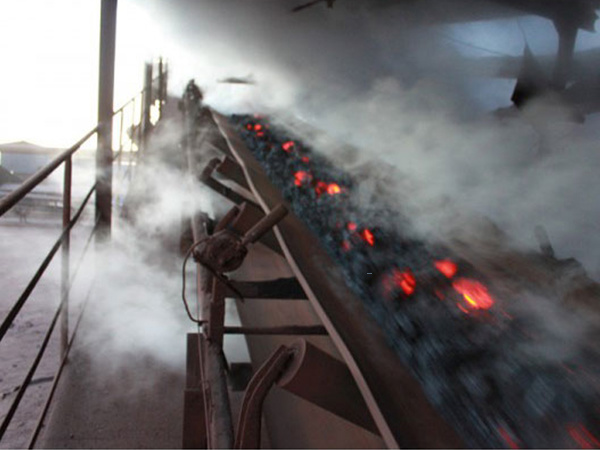
Heavy-duty brackets appear wherever the belt carries dense or abrasive material. In a limestone quarry or aggregate plant, troughing brackets support a high abrasion resistant conveyor belt on the primary and secondary lines. In a coal preparation plant, flame retardant conveyor belt and anti-static conveyor belt are common, and the bracket must hold the rollers firmly to avoid misalignment. Cement plants use them on clinker and raw meal lines, while power plant coal handling systems rely on them for steady support on long runs.
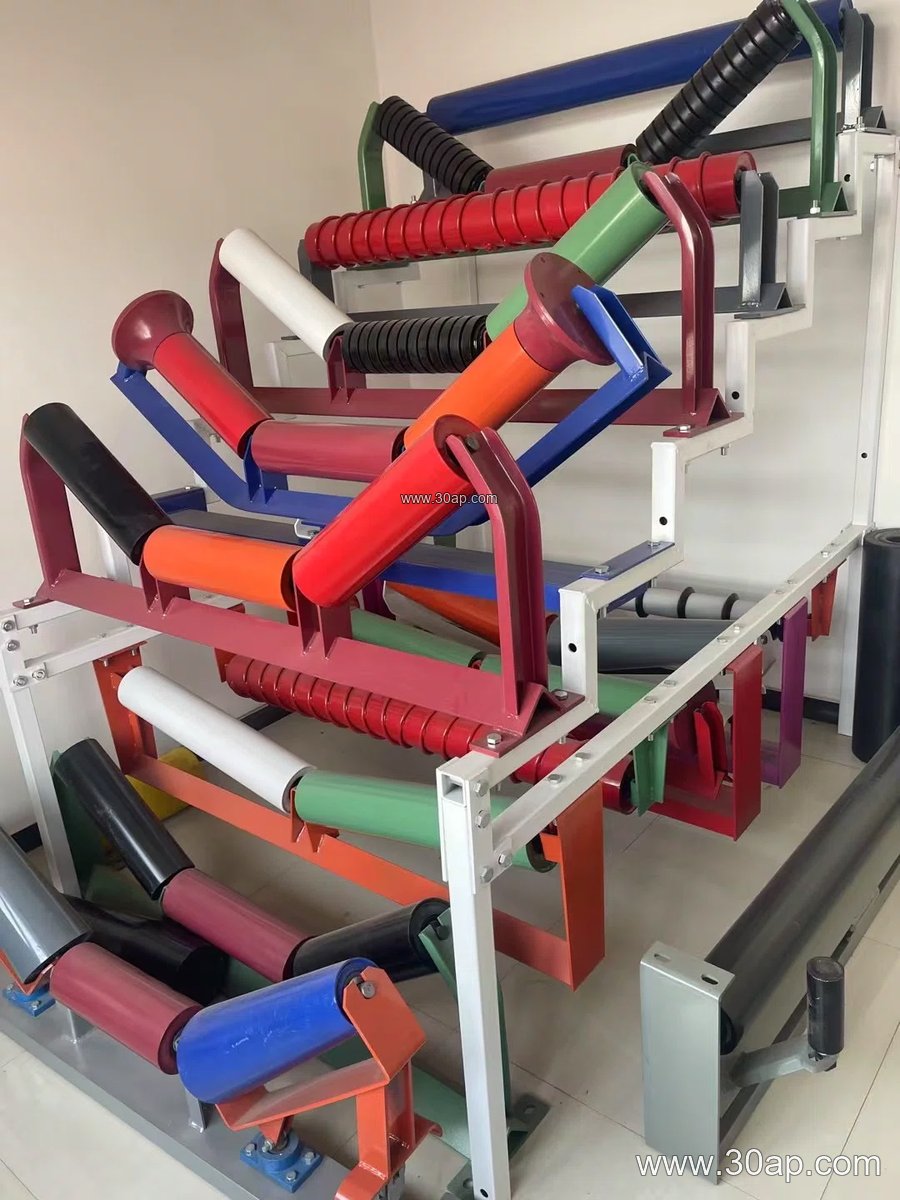
In a port or ship loading system, wide belts such as a 1200mm or 1500mm conveyor belt need brackets with enough stiffness to resist torsional movement. In a steel plant or sinter line, heat resistant conveyor belt may be used, and the bracket layout should allow enough clearance for the roller to be changed without disturbing the frame.
What Buyers Should Check
- Belt width and trough angle: Confirm the bracket matches the actual belt width and the intended trough angle, for example B1000 with a 35° trough.
- Roller diameter: The bracket must accept the selected idler roller diameter, such as Ø108, Ø133, or Ø159.
- Material and finish: Check the steel section, plate thickness, and surface treatment against the site conditions.
- Adjustability: Decide whether a fixed bracket or an adjustable bracket suits the maintenance plan.
- Mounting details: Hole spacing and beam length should be confirmed from the conveyor drawing, since these vary with design.
- Belt compatibility: The bracket should suit the belt in use, whether it is an EP conveyor belt, NN conveyor belt, steel cord conveyor belt, or a corrugated sidewall conveyor belt on a special line.
A well-chosen Heavy-Duty Steel Conveyor Bracket keeps the idler roller aligned, reduces belt wear, and supports safe operation in demanding bulk material handling environments.