What a Coal Mine Conveyor Idler Does Underground
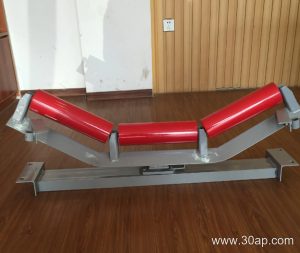
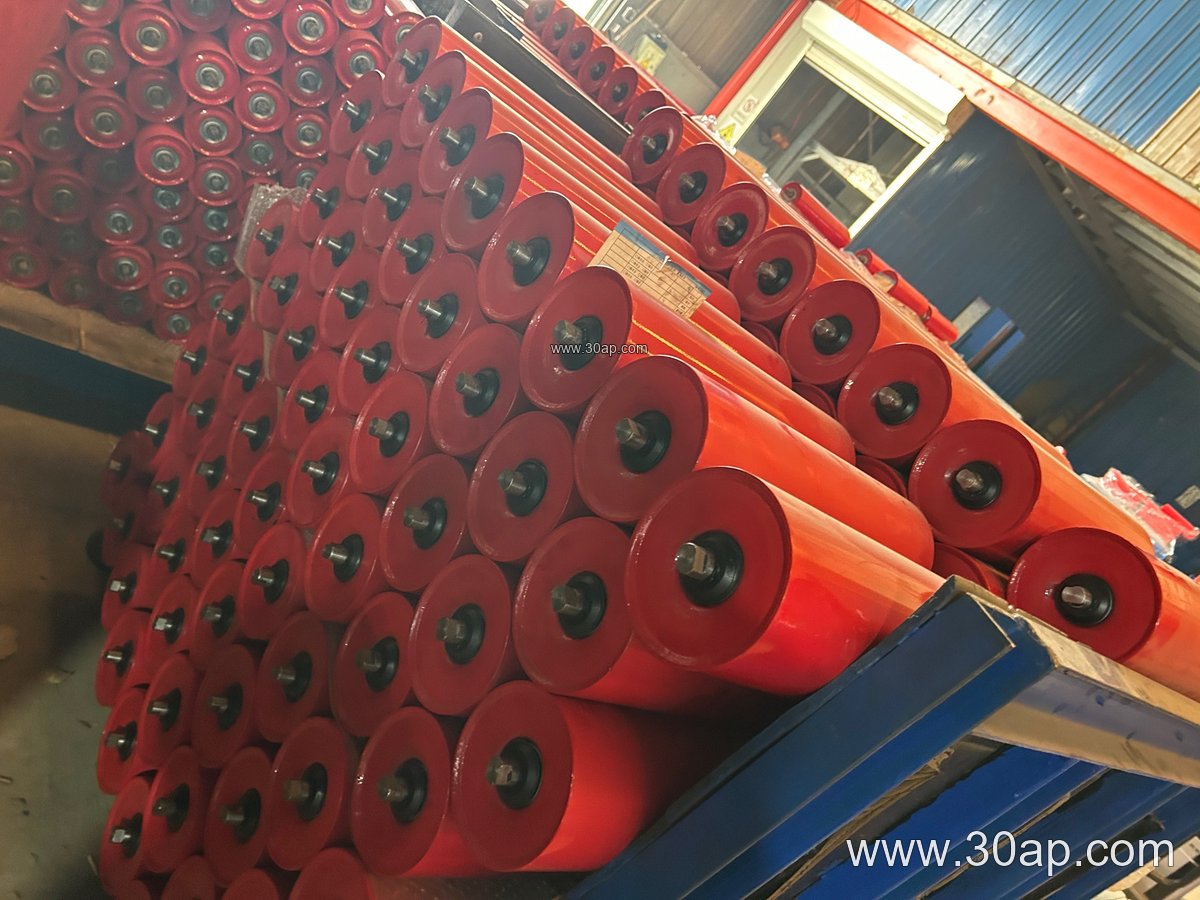
A coal mine conveyor idler is the rotating roller that supports the conveyor belt along its carrying and return runs. In an underground coal mining conveyor system, these idlers are mounted on a steel frame at regular intervals, and together they form the trough that shapes the belt into a curve so loose coal stays centered. The idler roller itself looks simple, but it is one of the highest-count components on the entire line, so its build quality directly affects how often maintenance crews have to go underground.
The same roller style appears in surface operations too, from a coal preparation plant to a power plant coal yard. Wherever a coal mining conveyor belt runs, the idlers carry the load.
How the Roller Is Built
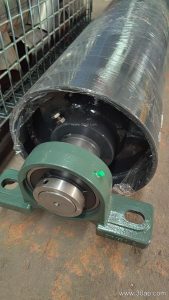
A typical idler roller has a steel tube shell, a shaft running through the center, and a bearing assembly at each end. The bearing housing is sealed to keep coal dust and water out, because a failed seal is the most common reason a roller stops turning. Common bearing numbers in this product family include 6204, 6205, 6305, 6306, 6308 and 6310, and the correct match depends on the load and the shaft design, not on one fixed rule.
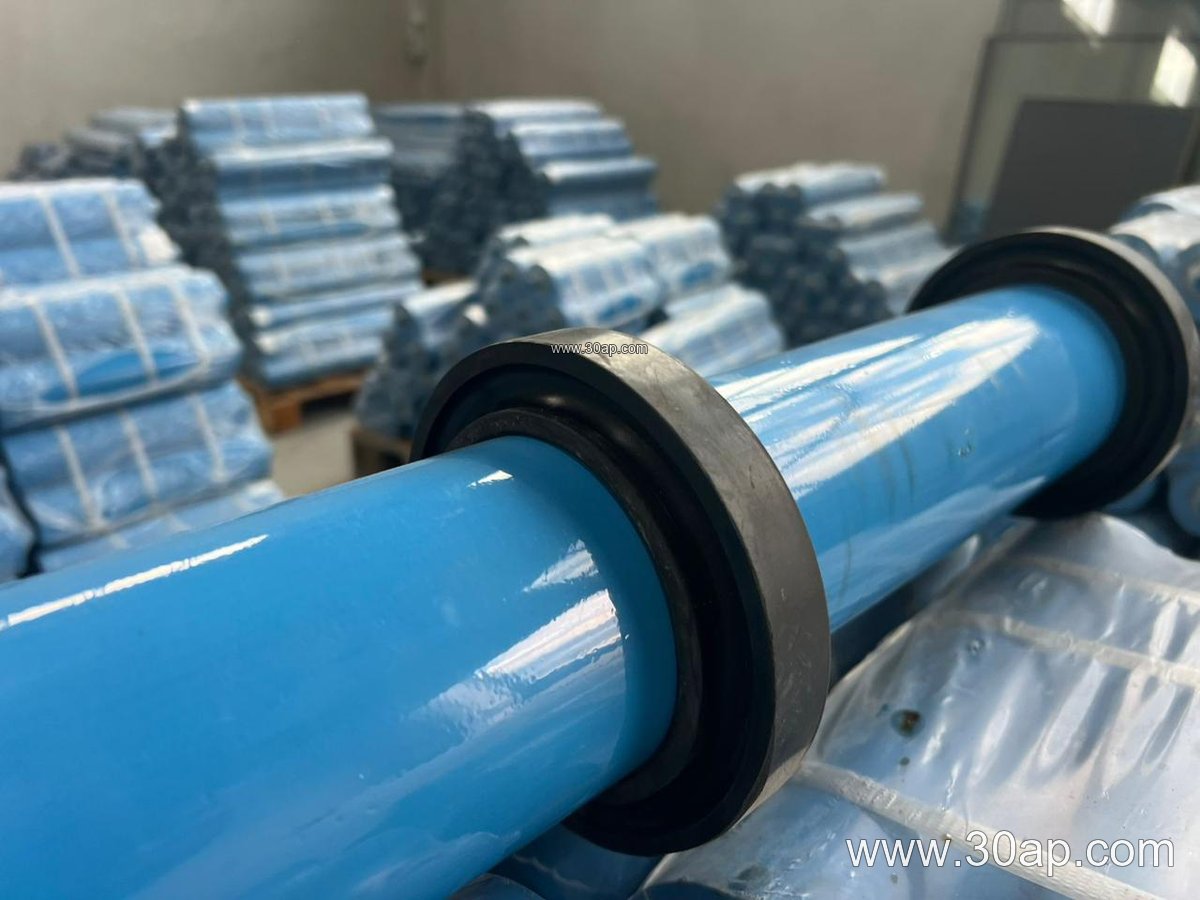
The shell surface can be plain steel, nylon, ceramic or a rubber ring. Rubber-ring impact idlers are used at transfer points where coal drops onto the belt. Below the belt, return rollers are often flat or formed into a V shape to help the belt track straight.
Common Roller Diameters
- Small diameters such as Ø63, Ø76, Ø89 and Ø102 mm suit lighter belts and narrow frames
- Mid-range sizes such as Ø108, Ø127, Ø133 and Ø159 mm cover most underground and surface coal lines
- Heavy sizes such as Ø178, Ø194 and Ø219 mm are chosen for wide, high-load belts
These values are reference points. The final choice is made by the conveyor designer based on belt width, load and speed.
Matching Idlers to Belt Width and Trough Angle
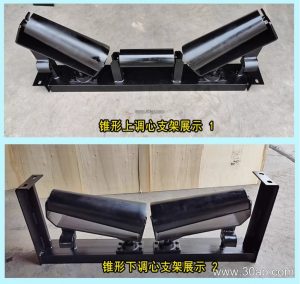
Belt width drives the frame and roller length. A three-roll troughing set on a B800 belt commonly uses rollers around 315 mm long, while a B1200 line often uses roughly 465 mm, and a B1800 system may use about 670 mm. Side rollers and the center roller can differ in length, so these are examples rather than fixed pairings. Trough angles of 20, 30, 35 and 45 degrees change how deeply the belt sits in the frame and how much material it can hold.
The conveyor belt itself matters as much as the roller. A flame retardant conveyor belt is standard for underground coal mining conveyor belts, and an anti-static conveyor belt reduces the risk of static build-up in dusty conditions. A steel cord conveyor belt or a high strength conveyor belt may run on the same line at higher tension, which puts more demand on roller bearings and shafts. In a coal preparation plant, an abrasion resistant conveyor belt is often paired with well-sealed idlers to handle sharp, wet coal.
Where These Idlers Are Used
Underground coal mining is the classic application, where space is tight and every component must be easy to replace. In a coal washery, idlers handle wet, sticky material and need strong sealing. Surface coal yards at power plants use long overland lines with troughing idlers on the carry side and V-return idlers underneath. Similar rollers also serve limestone quarries and cement plants, but the coal mine version usually emphasizes fire resistance and dust protection.
What Buyers Should Confirm Before Ordering
- Belt width and trough angle, so roller length and frame fit are correct
- Roller diameter and shaft size, checked against the actual load
- Bearing number and seal type for the dust and moisture level on site
- Shell material, especially at impact points where a rubber ring helps
- Whether the line needs self-aligning or training idlers to correct belt drift
A coal mine conveyor idler is a small part with a large effect on uptime. Buyers who match diameter, length, bearing and seal to the real duty will spend less time replacing rollers and more time moving coal. For related components such as the belt, pulley and bracket, keep the same load-based approach.