What a Lower Return Idler Does
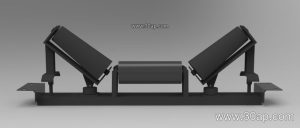
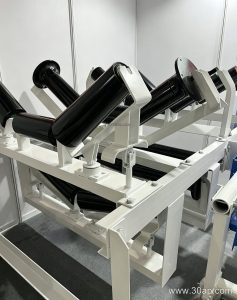
A lower return idler, also called a return roller or flat return idler, supports the empty side of a conveyor belt on its way back to the tail. Unlike carrying idlers that shape the belt into a trough, this idler keeps the return strand flat and aligned. In a quarry or a coal handling plant, the return side can be the most neglected part of the conveyor, yet it directly affects belt tracking, energy use, and belt life. A well-chosen return idler reduces sag, limits misalignment, and protects the belt from edge damage.
Construction and Common Forms
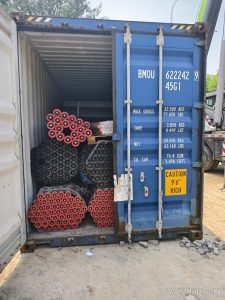
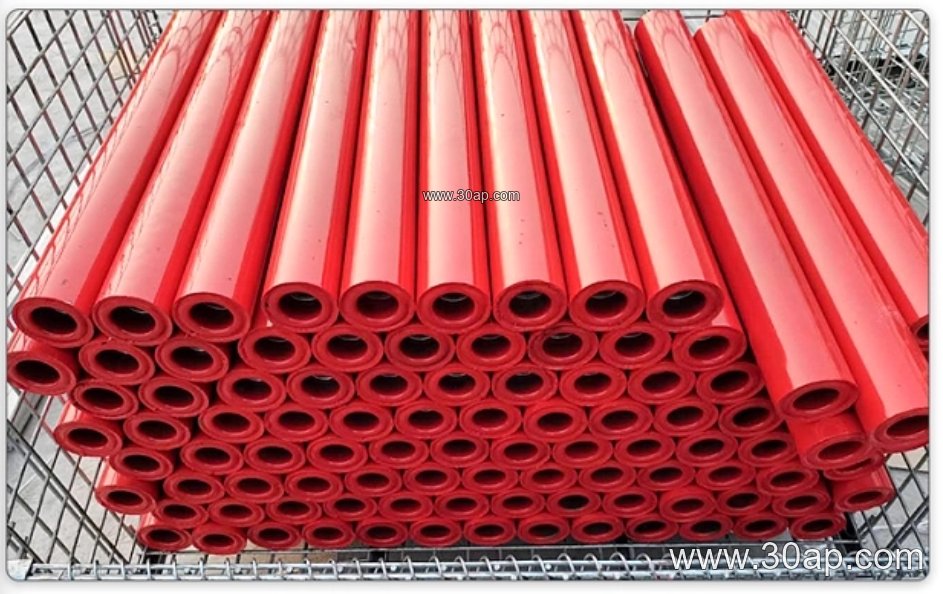
Most return idlers use a steel tube shell with welded bearing housings at each end. The shaft is fixed, and the shell rotates on sealed bearings. Common roller diameters include Ø89, Ø102, Ø108, Ø127, Ø133, and Ø159 mm, with larger sizes such as Ø178 and Ø194 mm for heavy-duty mining conveyors. Bearing sizes like 6205, 6305, and 6306 are frequently used, but the bearing is selected by load and speed, not by roller diameter alone.
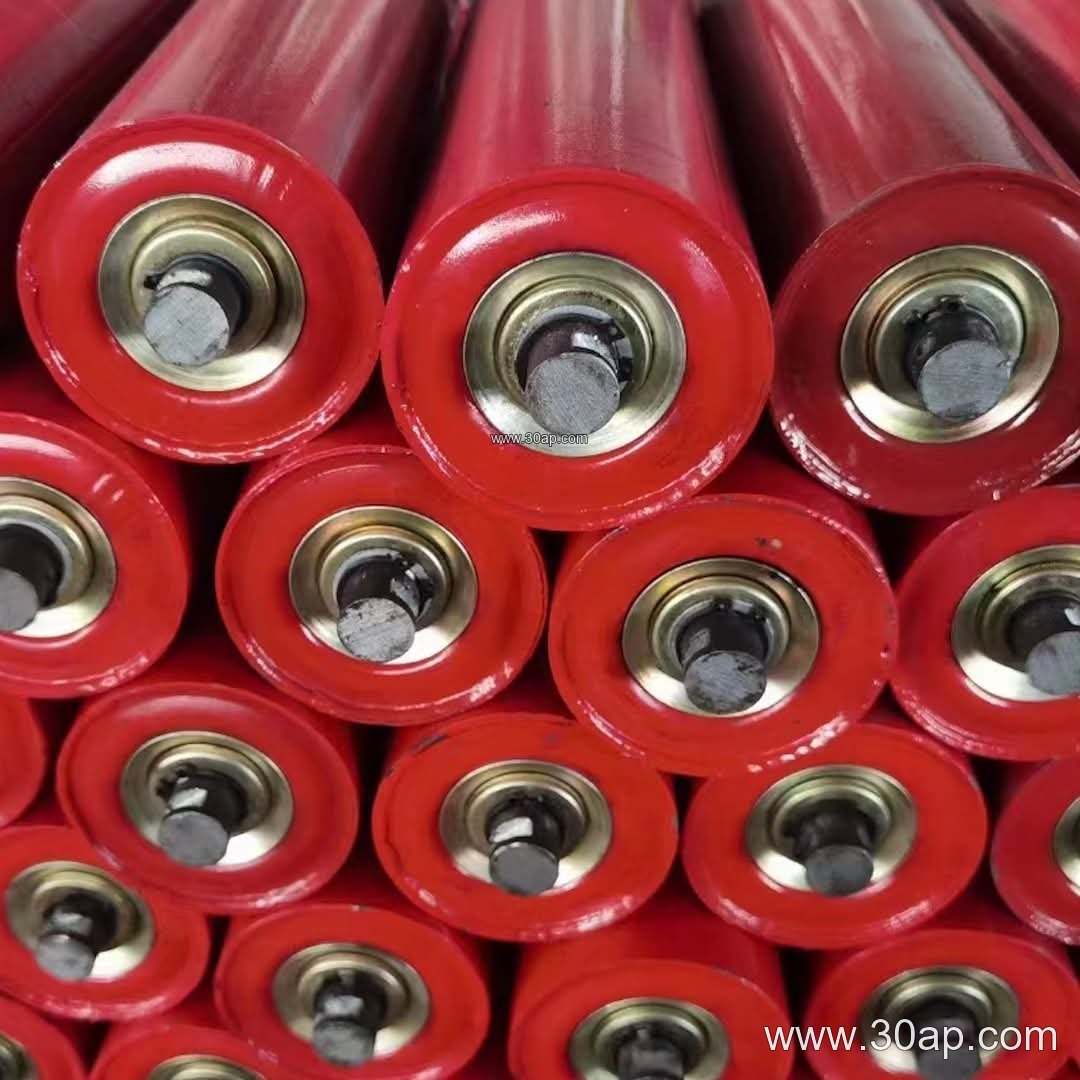
Return idlers come in several forms:
- Flat return idler – a single straight roller under the belt.
- V-type return idler – two rollers set in a V to help center the belt.
- Spiral return idler – a helical wrap that sheds sticky material.
- Rubber disc return idler – rubber rings that reduce buildup and impact.
These forms are not interchangeable with carrying idlers or with transition idlers. Each has a specific role on the return strand.
Where Lower Return Idlers Are Used
You will find them in limestone mines, iron ore plants, cement works, power station coal yards, and aggregate crushing lines. In a typical quarry conveyor, the return idler sits every few meters between the tail pulley and the drive pulley. On a long overland conveyor carrying bulk material, return idlers are spaced to keep belt sag within limits. In a coal mining conveyor, flame retardant and anti-static properties of the belt matter, but the return idler itself must resist dust and fines. The same applies in a cement plant where abrasive dust can shorten bearing life.
Matching the Idler to Belt Width and Load
Return idler length follows belt width. Common examples for flat return idlers are approximately 600 mm roller length for B650 belt, 750 mm for B800, 950 mm for B1000, and 1150 mm for B1200. These are reference values, not fixed pairings. The actual roller length and shaft diameter are determined by the conveyor design, belt tension, and load. A 1200mm wide conveyor belt may use a return idler with a 1150 mm roller, but the shaft and bearing size depend on the calculated load. Never assume that one belt width dictates one shaft diameter.
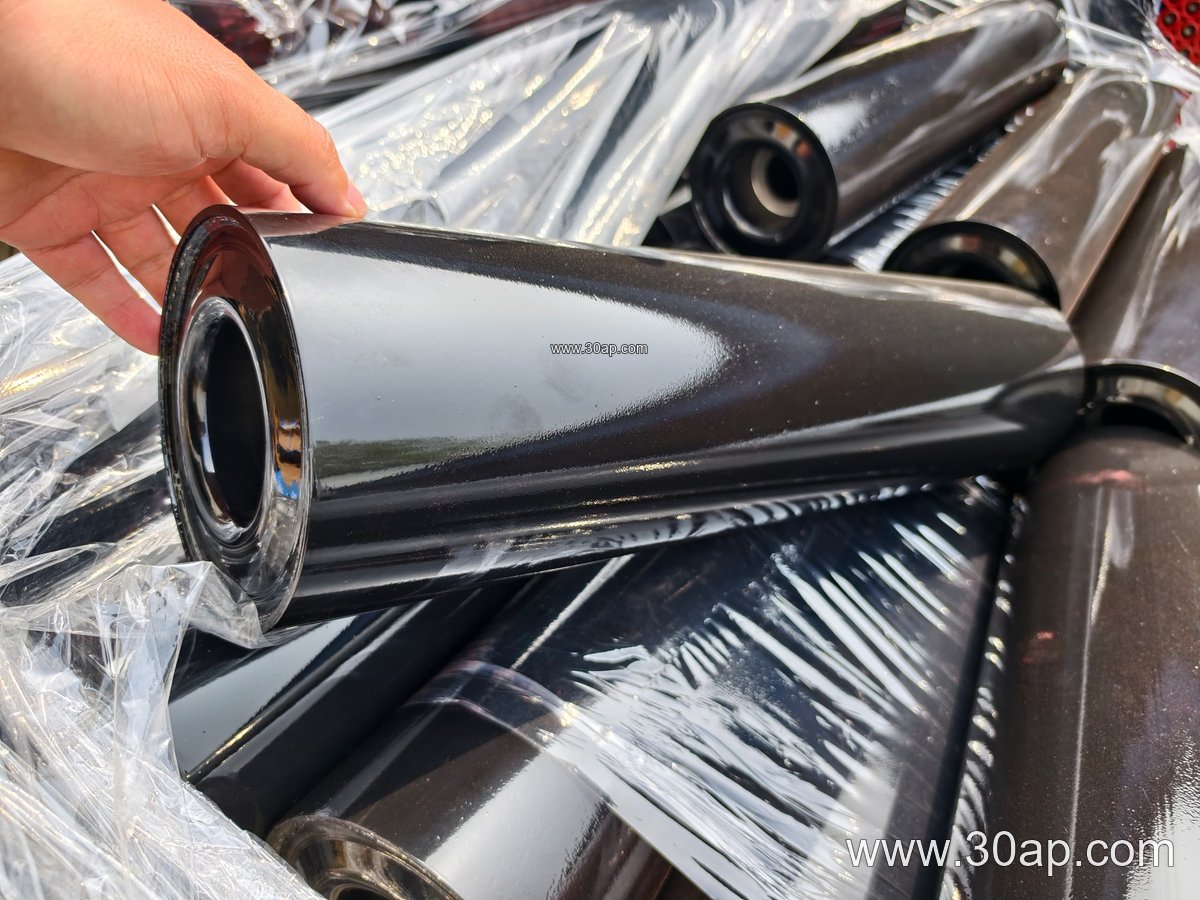
For heavy-duty mining conveyor belts, return idlers often use thicker shells and larger bearings. In a copper ore or gold mining operation, the return idler may need extra protection against fines and moisture. A V-type return idler is a common choice where belt misalignment is a recurring issue. In a port or ship loading conveyor, flat return idlers are typical because the belt runs straight and fast.
Selection and Maintenance Notes
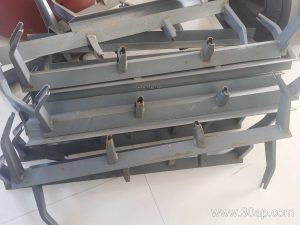
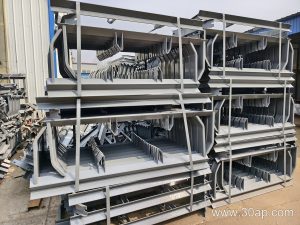
When choosing a lower return idler, consider the belt speed, the weight of the return strand, and the environment. Dusty locations such as a crushing plant or a sinter plant call for good sealing. Wet or sticky conditions favor spiral or rubber disc return idlers. In a fertilizer or grain facility, avoid idlers that trap material. Check that the idler frame fits the conveyor bracket and that the roller can be replaced without removing the belt. Regular inspection of return idlers helps catch seized bearings before they wear the belt edge or cause tracking problems.
For any conveyor system, the return idler is a small component with a large effect on reliability. Pair it correctly with your conveyor belt, conveyor pulley, and conveyor bracket, and it will keep the return strand running true.