What the Three-Roll Idler Bracket Does
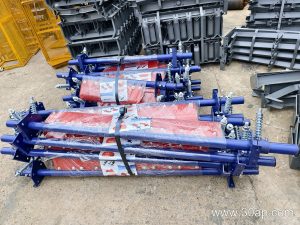
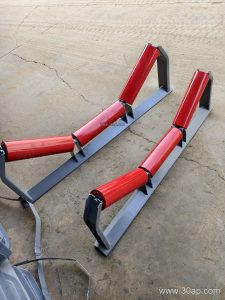
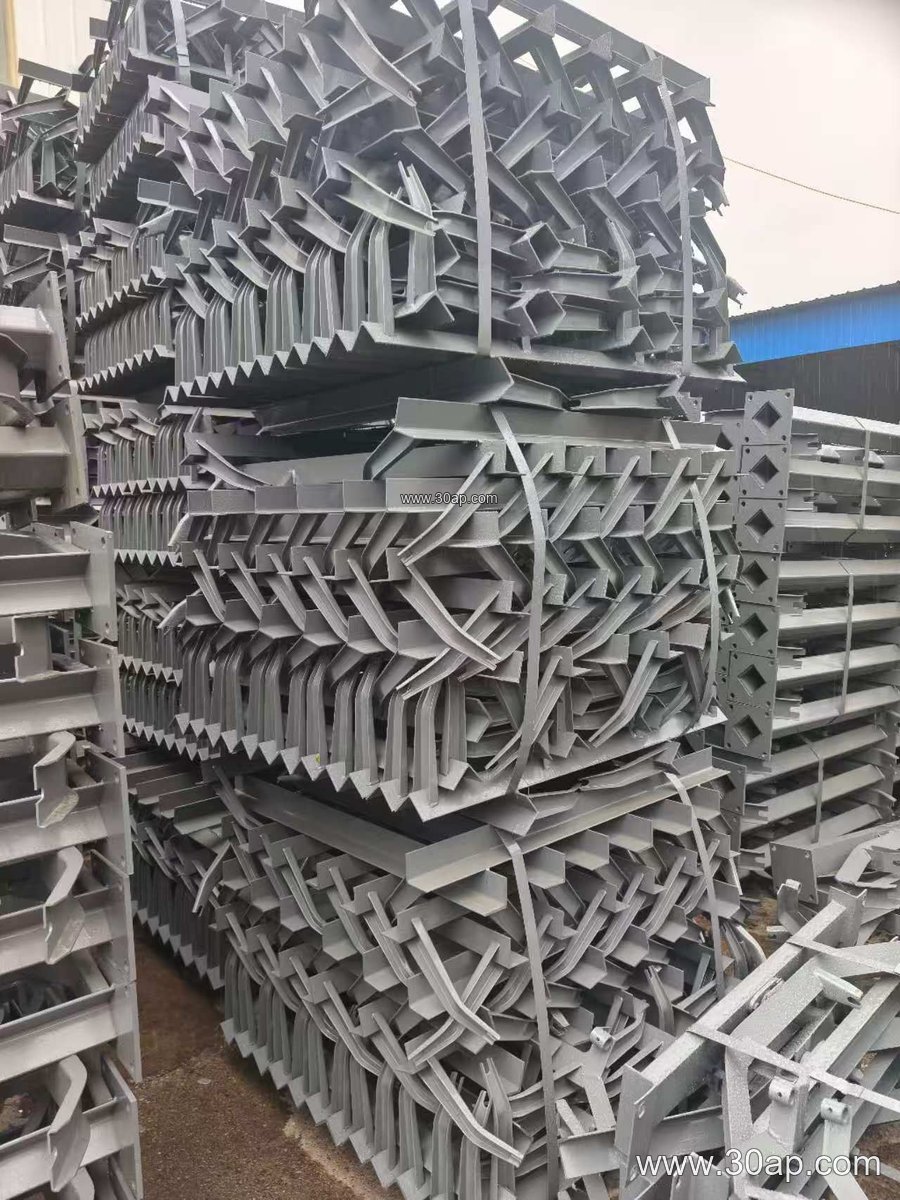
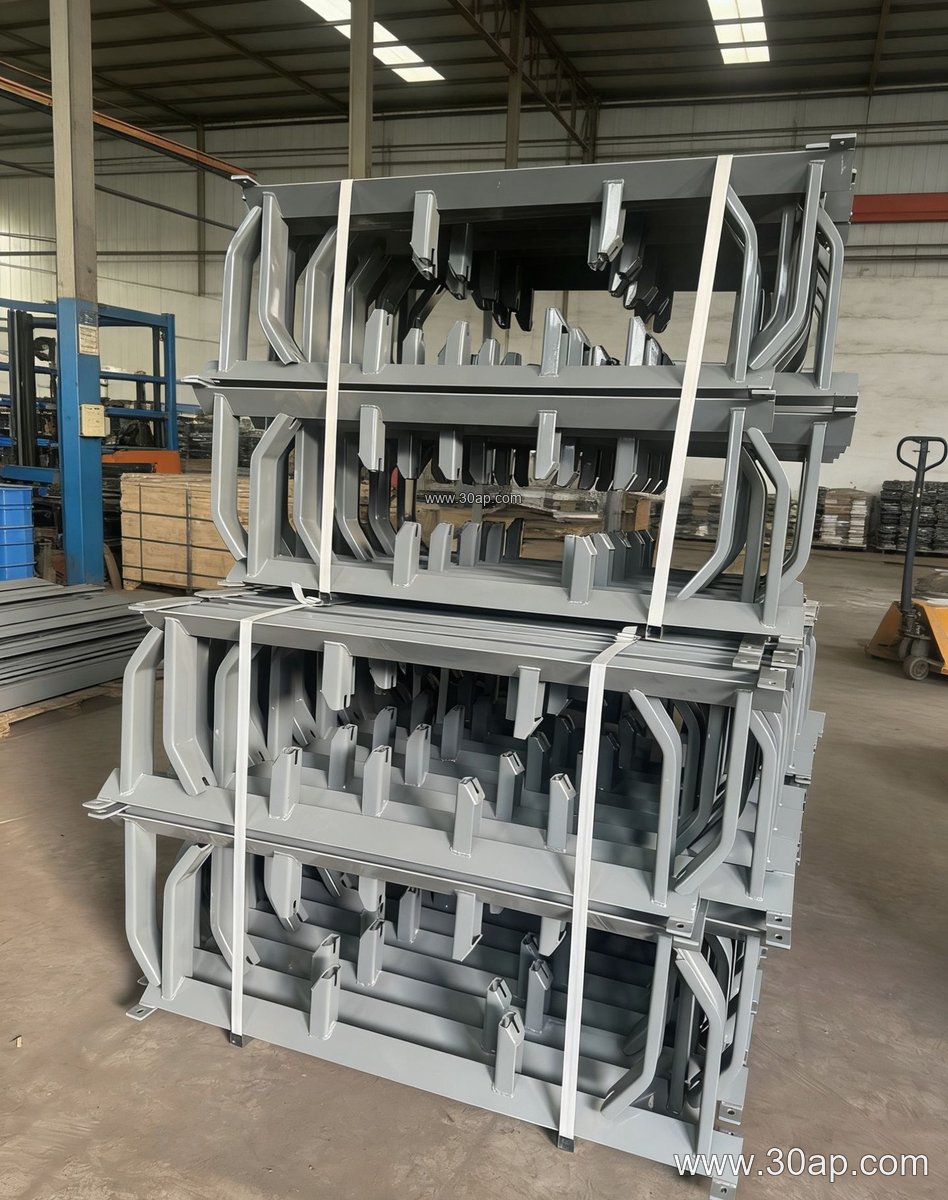
The three-roll idler bracket is the support frame that holds three idler rollers in a trough shape under the conveyor belt. It is a common component in bulk material handling and is often called a troughing idler bracket or a three-roll troughing bracket. In a quarry, a cement plant, or a coal handling system, this bracket keeps the belt in a stable trough so that the load stays centered and the belt runs smoothly.
How the Bracket Is Built
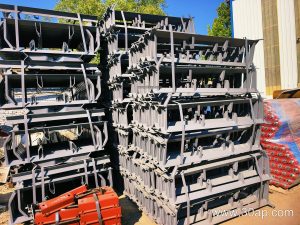
Most three-roll idler brackets are made from angle steel, channel steel, or folded steel plate. The three rolls are mounted on a crossbeam, and the side rolls are set at a trough angle. Common trough angles are 20, 30, 35, and 45 degrees. Adjustable versions let the user change the angle between these positions, while fixed versions keep one angle. The installation hole spacing and crossbeam length are not fixed numbers; they change with belt width, trough angle, and the roller diameter used. For example, a B800 bracket at 35 degrees with Ø108 rollers is a typical combination, but it is not the only option.
Where It Fits in the Conveyor Line
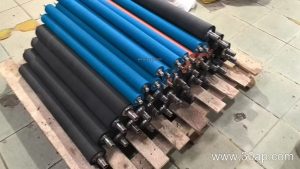
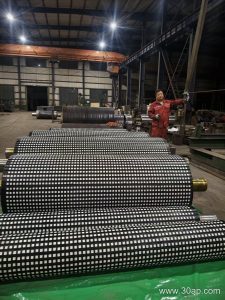
The three-roll idler bracket belongs to the carrying side of the conveyor. It works with conveyor belt, idler roller, and conveyor pulley to form the main load-carrying section. In a stone crushing line or a sand and gravel plant, these brackets are spaced along the conveyor frame to support the belt between the tail pulley and the drive pulley. They are not a substitute for a drive pulley or a bend pulley, and they do not replace other bracket types such as return brackets or impact brackets. Each has its own place on the conveyor structure.
Common Applications and Working Conditions
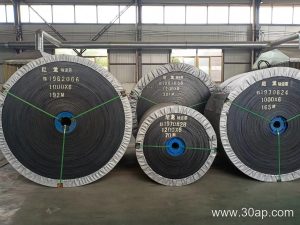
Three-roll idler brackets are widely used in mining, coal preparation plants, power plant coal handling, cement plants, and port bulk terminals. In a coal mining conveyor system, flame retardant conveyor belt and anti-static conveyor belt are often used together with sturdy brackets. In a cement plant, heat resistant conveyor belt may be needed near clinker areas, and the bracket should be selected to suit the load and environment. For heavy ore transport, a steel cord conveyor belt may run on the same bracket type, but the roller diameter and bracket strength must match the duty. The bracket itself does not change the belt type; it only supports the idler rollers that carry the belt.
Types and Related Options
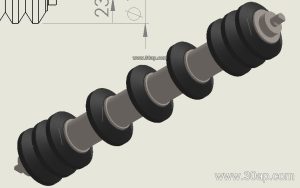
Besides the standard troughing bracket, there are transition brackets, self-aligning brackets, and impact brackets. A transition bracket is used near a pulley to help the belt change from flat to trough. A self-aligning bracket helps correct belt misalignment. An impact bracket with impact idler rollers is used at loading points. These are different subtypes and should not be confused with the basic three-roll idler bracket. When a project needs a specific trough angle, an adjustable bracket can be set to 20, 30, 35, or 45 degrees as required.
Belt Width, Roller Diameter, and Trough Angle
There is no single rule that one belt width must match one trough angle or one roller diameter. The bracket is usually selected from the belt width, the material load, and the conveyor design. The table below shows common reference ranges, not fixed requirements.
| Belt Width | Common Trough Angle | Common Roller Diameter |
|---|---|---|
| B500, B650 | 20–30 degrees | Ø89 |
| B800, B1000 | 30–35 degrees | Ø108, Ø133 |
| B1200, B1400 | 35–45 degrees | Ø133, Ø159 |
| B1600, B1800 | 35–45 degrees | Ø159, Ø194 |
| B2000, B2200 | 35–45 degrees | Ø194 |
These values are for general reference. The actual bracket size, hole spacing, and crossbeam length should be confirmed with the conveyor design. A bracket for B1200 at 45 degrees with Ø133 rollers is one possible setup, while a B650 at 30 degrees with Ø89 rollers is another. Neither is a universal rule.
Buyer Checklist
- Confirm the belt width and the required trough angle before ordering.
- Check the roller diameter and the installation hole spacing on the existing frame.
- Decide between fixed and adjustable brackets based on whether the trough angle may change.
- Match the bracket material and finish to the site conditions, such as dust, moisture, or heat.
- Remember that the bracket works with the idler roller and the conveyor belt; it is not a standalone solution.
For more information on related components, visit www.beltconveyorparts.com for conveyor belt and idler roller references, and www.conveyorbracket.com for bracket selection notes.