What an Impact Resistant Conveyor Belt Is
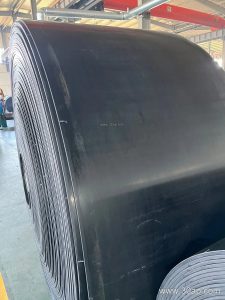
An impact resistant conveyor belt is a heavy-duty conveyor belt engineered to absorb the shock of large, sharp or high-drop loads without tearing, puncturing or delaminating. In quarries, mines, cement plants and aggregate yards, material often leaves a crusher or a chute with considerable force. A standard belt may bruise and crack at the loading point, while an impact resistant conveyor belt spreads that energy across a reinforced carcass and a tough top cover, protecting the belt body underneath.
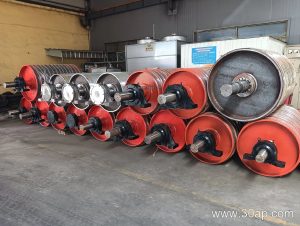
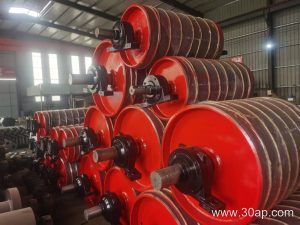
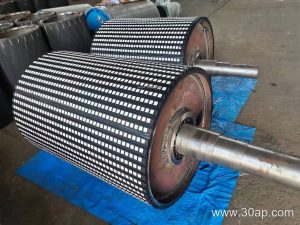
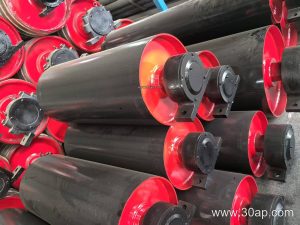
The product is also described as a shock-absorbing conveyor belt or a high-impact conveyor belt. These are equivalent names for the same belt, not different categories. Drive pulleys, tail pulleys and bend pulleys remain distinct components of the conveyor and are never interchangeable with one another when specifying a system.
Construction and Reinforcement
Impact resistance comes from the combination of carcass, cover compound and, where needed, extra breaker layers. A fabric core conveyor belt with multiple plies can distribute point loads well, and an EP conveyor belt or NN conveyor belt is frequently selected for medium to heavy impact duty. For very high drop heights and lump sizes, a steel cord conveyor belt may be chosen, although the carcass is less forgiving of severe edge damage.
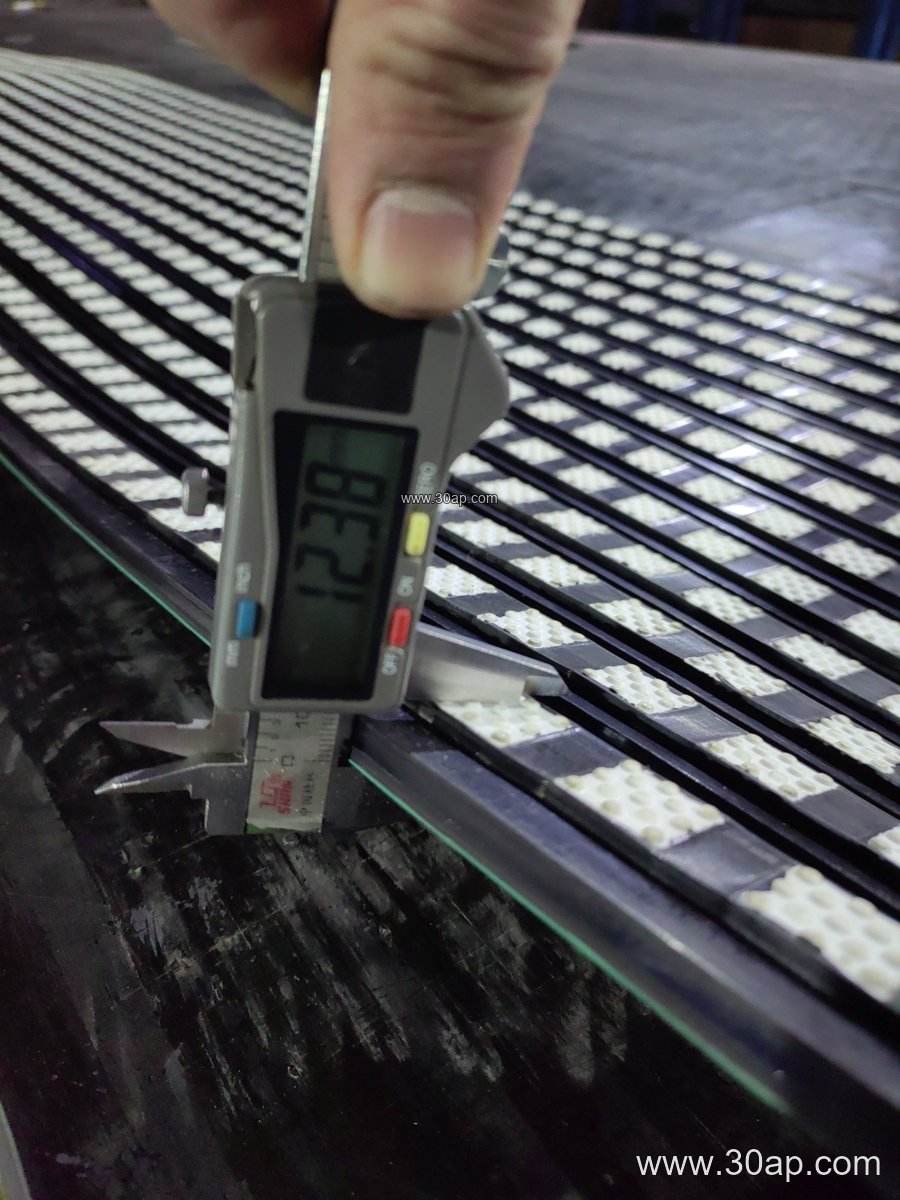
Typical build options for impact duty include:
- Multi-ply fabric core with two to six plies
- EP or NN carcass, with strength grades such as EP200, EP400, EP630, EP800 or EP1000 chosen by design
- Thick top cover, commonly 6+2 mm or 8+3 mm, with a breaker layer beneath it
- Abrasion resistant cover compound to resist cutting and gouging
Cover thickness and compound quality matter as much as carcass strength at a transfer point. A thick, abrasion resistant conveyor belt cover slows wear from sharp rock and ore, while the breaker layer prevents the impact from reaching the load-bearing plies.
Where These Belts Are Used
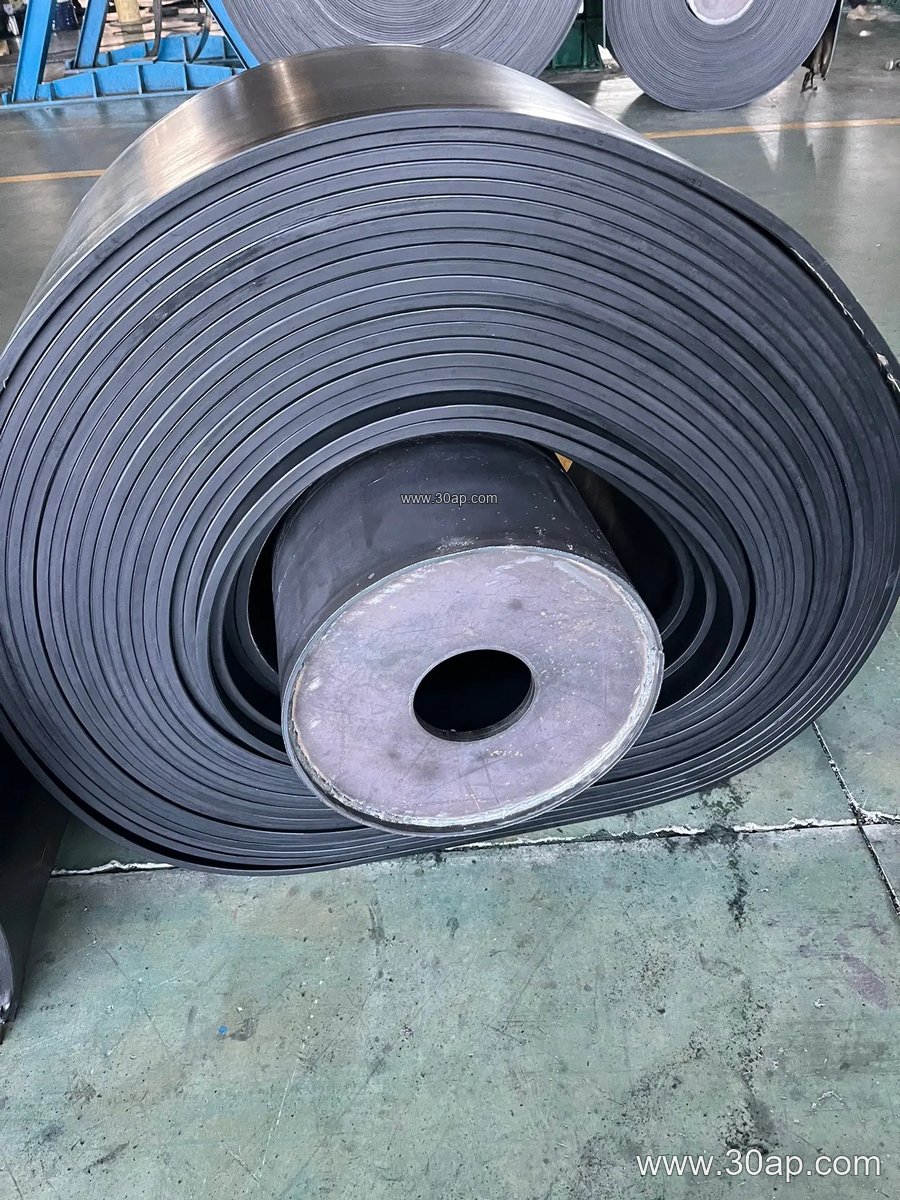
Impact duty appears wherever material falls onto a belt from height. Typical locations include:
- Primary and secondary crusher discharge in quarries and stone crushing plants
- Run-of-mine and ore transfer points in iron ore, copper ore and gold mining operations
- Coal mining conveyor lines, including underground mining conveyor systems with flame retardant conveyor belt requirements
- Cement plant clinker and limestone handling
- Power plant coal yards and port ship loading conveyors
- Sand making plants, recycling lines and construction aggregate conveying
The same belt may need to combine impact resistance with other properties. Underground coal mining conveyor belt installations often require a flame retardant conveyor belt or fire resistant conveyor belt, and PVG conveyor belts are common in that environment. Hot clinker or sinter may call for a heat resistant conveyor belt. Crusher discharge in cold regions can require a cold resistant conveyor belt. In each case, impact resistance is one property among several, and the cover and carcass must be specified together.
Widths, Grades and Reference Data
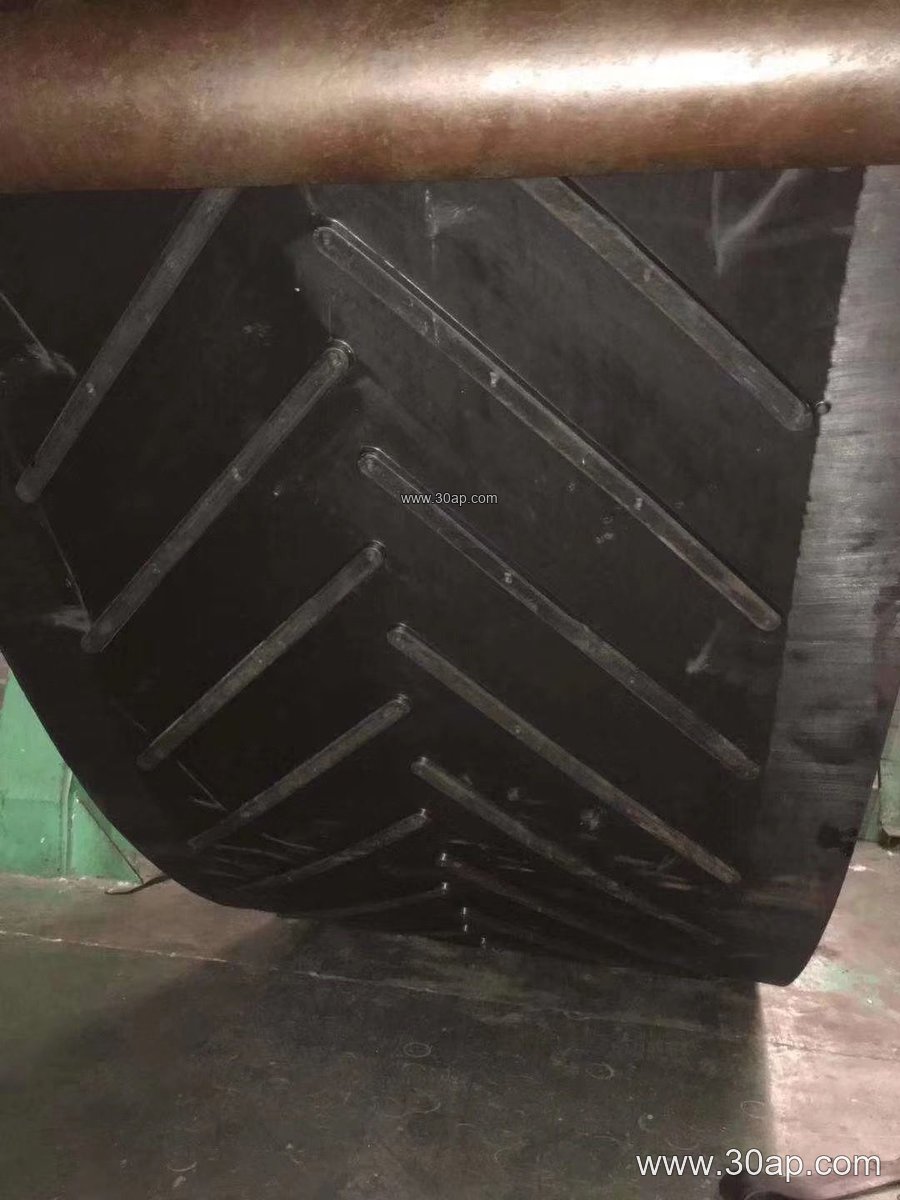
Belt width follows the conveyor design and the lump size, not a fixed rule. Common belt widths include B650, B800, B1000, B1200, B1400, B1600 and B1800, with wider belts such as B2000 available for large bulk material conveyor belt systems. A 1200mm wide conveyor belt or a 1400mm wide conveyor belt is often seen at primary crushing stations, but the final choice depends on capacity, troughing angle and the size of the largest lump.
The table below shows reference values only. Actual supply depends on the manufacturer and the project specification.
| Property | Reference options |
|---|---|
| Carcass type | EP fabric, NN fabric, multi-ply fabric, steel cord |
| Strength grade | EP200, EP315, EP400, EP500, EP630, EP800, EP1000 |
| Belt width | B500, B650, B800, B1000, B1200, B1400, B1600 |
| Cover thickness | 4+2 mm, 5+2 mm, 6+2 mm, 8+3 mm |
| Ply count | 2 to 6 plies, by design |
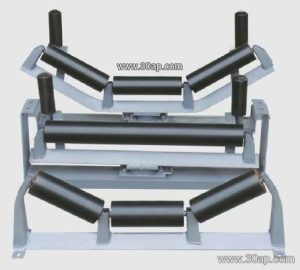
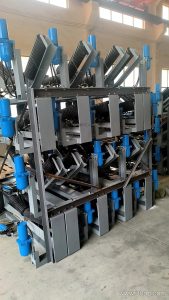
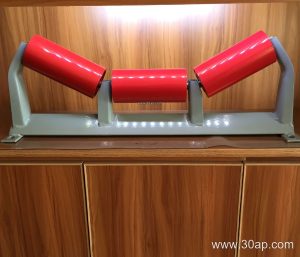
Suitable matching components include idler rollers with adequate impact absorption at the loading zone, a correctly sized conveyor pulley at the drive and tail positions, and a rigid conveyor bracket for the impact bed. These parts support the belt but do not replace correct belt selection.
Buyer Selection Notes
Before ordering, collect the maximum lump size, drop height, throughput, belt speed and material temperature. State whether the site needs a flame retardant conveyor belt, oil resistant conveyor belt, heat resistant conveyor belt or anti-static conveyor belt in addition to impact resistance. Confirm the required cover thickness and ply count rather than assuming one grade fits every conveyor. Check that the loading chute is designed to reduce free fall, since good chute geometry extends belt life more than any single belt upgrade. Finally, verify the belt width against the existing pulley face and frame, and keep spare impact idler rollers at the transfer point for quick replacement.