What a Heavy-Duty Steel Conveyor Bracket Does
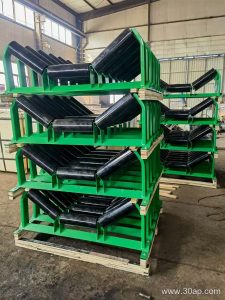
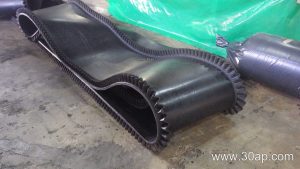
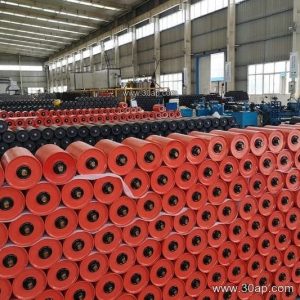
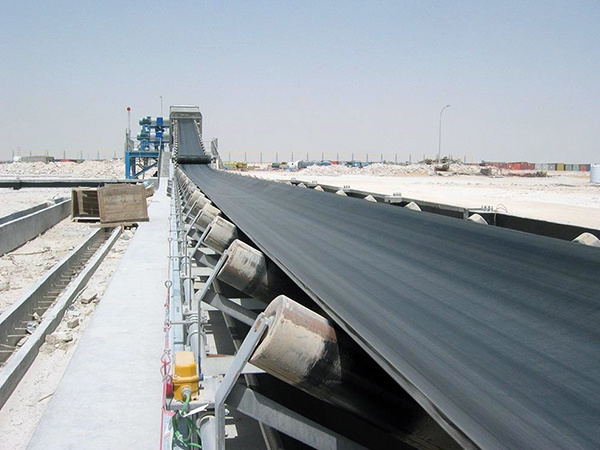
A heavy-duty steel conveyor bracket is the structural support that holds idler rollers in place along a conveyor frame. In a quarry, limestone mine, or iron ore operation, the bracket carries the weight of the loaded conveyor belt and keeps each roller at the correct angle and elevation. It is not a small accessory. The bracket absorbs vibration, impact from lump material, and the constant pull of a moving belt. When the bracket is weak, the rollers misalign, the belt tracks poorly, and downtime follows. That is why a heavy-duty steel conveyor bracket is specified with thicker sections and stronger welds than a light-duty support. It works together with conveyor pulleys, idler rollers, and the conveyor belt itself, but its job is distinct: it is the anchor point that keeps the whole idler station stable.
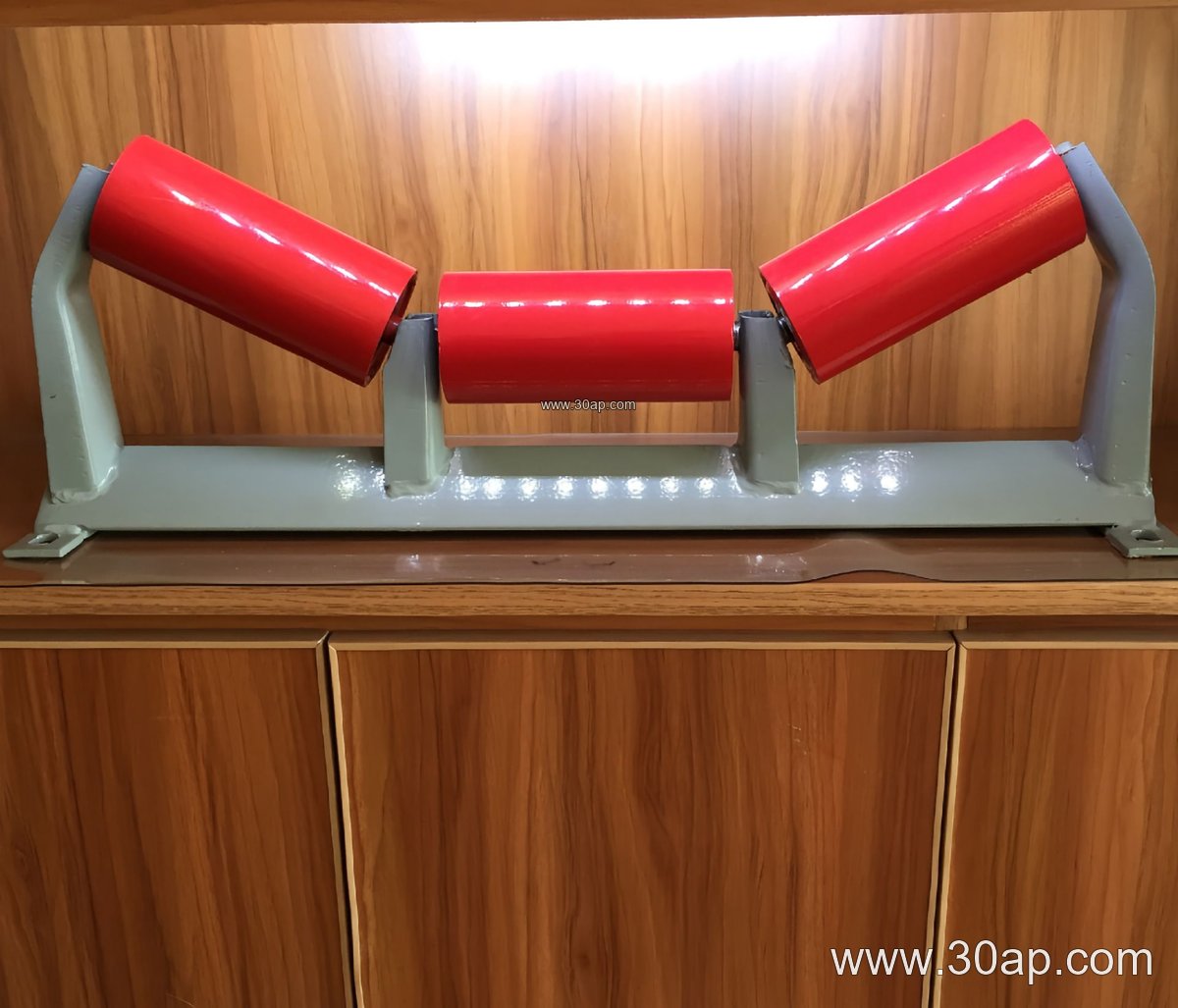
How the Bracket Is Built
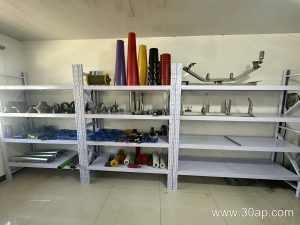
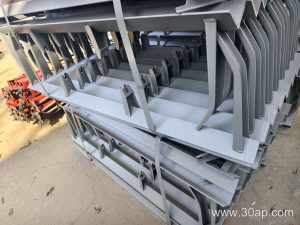
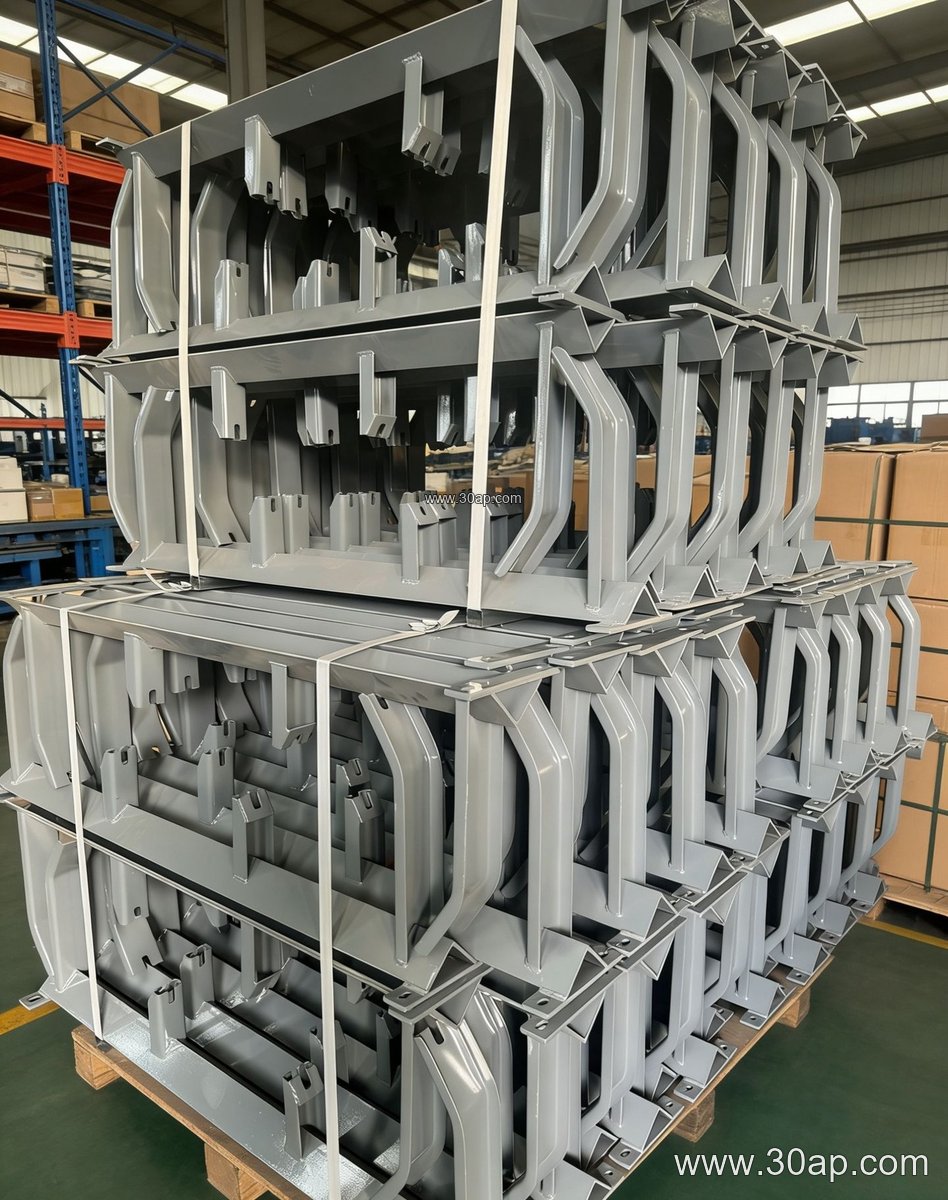
Most heavy-duty steel conveyor brackets are fabricated from angle steel, channel steel, or formed steel plate. The material is cut, punched, and welded into a rigid frame that resists bending under load. A typical troughing bracket has angled arms that set the side rollers at a specific trough angle, while a return bracket holds a flat or V-shaped roller set beneath the belt. Adjustable versions include slotted holes or pivoting arms so maintenance crews can fine-tune the trough angle on site. The surface is usually painted or galvanized to slow corrosion in wet or dusty conditions. In a coal mining conveyor system or a power plant coal yard, the bracket may also be specified with extra gussets and reinforced mounting pads to handle shock loading from large lumps. The design should match the roller diameter and the belt width, but there is no single universal size. For example, a B800 belt with a 35-degree trough and Ø108 rollers uses a different bracket geometry than a B1200 belt with a 45-degree trough and Ø133 rollers. Mounting hole spacing and beam length are determined by the conveyor design, not by a fixed catalog number.
Where These Brackets Are Used
You will find heavy-duty steel conveyor brackets in a wide range of bulk material handling operations. In a sand and gravel plant, they support the troughing idlers on the main feed belt and the return idlers under the discharge zone. In a cement plant, they carry clinker and raw meal belts through dusty, high-temperature areas where standard brackets may distort. In a steel mill or sinter plant, the brackets must tolerate hot fines and heavy impact. Port terminals use them on ship loading conveyors where the belt runs at high tension and the bracket must hold alignment across long spans. Underground coal mining conveyor systems rely on robust brackets because access for maintenance is limited and a failed bracket can stop the entire face. The same heavy-duty bracket is also used in recycling lines, fertilizer handling, and tunnel spoil removal, wherever the conveyor belt carries abrasive or heavy material and the idler rollers need a dependable base.
Matching the Bracket to the Conveyor
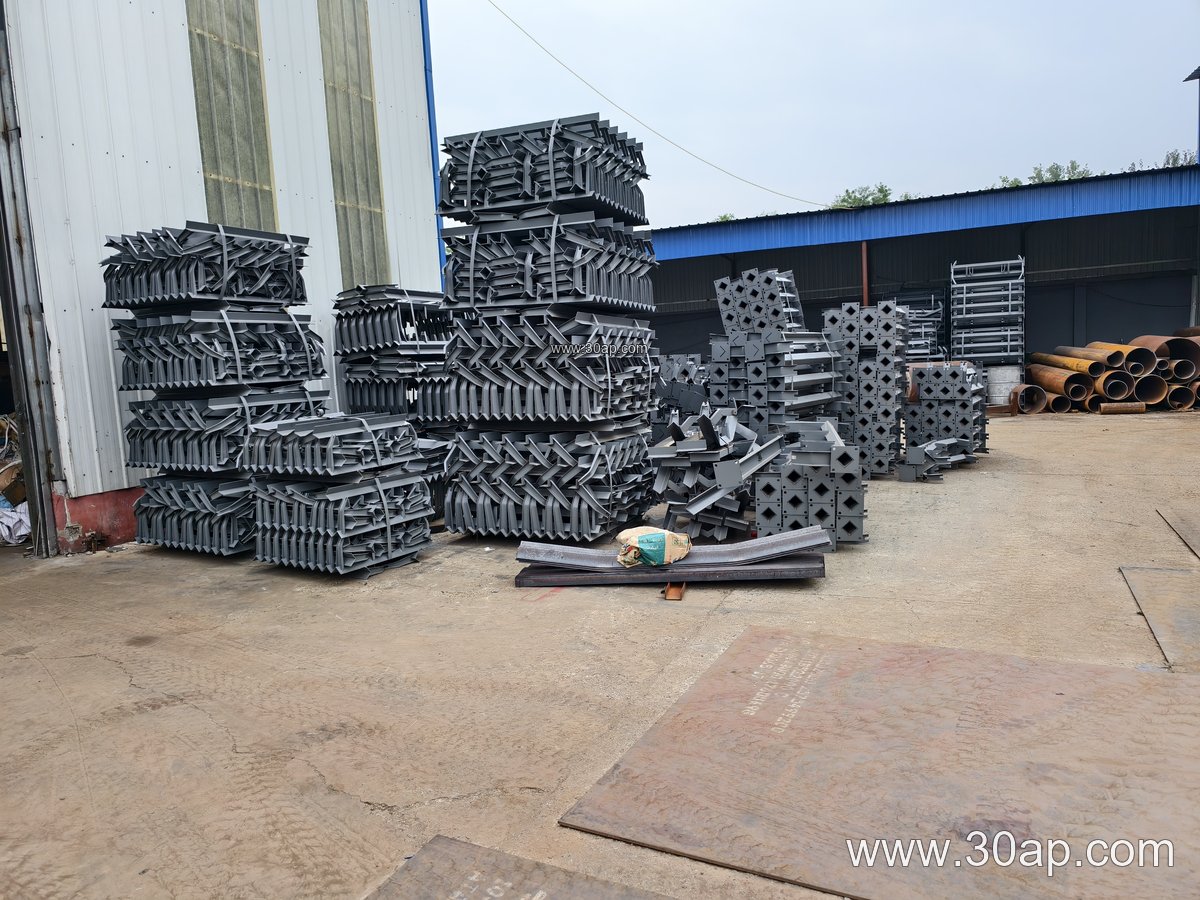
Selecting a heavy-duty steel conveyor bracket starts with the belt width and the roller diameter. Common belt widths include B500, B650, B800, B1000, B1200, B1400, B1600, B1800, B2000, B2200, but the bracket must be ordered for the specific width and trough angle of the conveyor. Trough angles of 20, 30, 35, and 45 degrees are typical, and adjustable brackets can be set within a range to suit the material. Roller diameters such as Ø89, Ø108, Ø133, Ø159, and Ø194 each require a different bracket height and mounting detail. A buyer should confirm the following before ordering: the belt width (for example, B1000 or B1200), the trough angle, the roller diameter, the mounting hole pattern, and the environmental conditions. In a coal mining conveyor or a quarry conveyor, the bracket may need a flame retardant or anti-static finish to match the conveyor belt specification. The bracket should also be compatible with the conveyor pulley arrangement, because the transition from the tail pulley to the first troughing station affects belt training. A heavy-duty steel conveyor bracket that is too light for the impact zone will flex and cause the idler roller to wear unevenly. Conversely, an oversized bracket adds unnecessary weight and cost. The right choice balances strength, adjustability, and fit with the rest of the conveyor structure.
Practical Notes for Buyers and Maintenance Teams
Inspect brackets regularly for loose bolts, cracked welds, and bent arms. A bracket that has shifted will change the trough angle and cause the belt to mistrack, which in turn wears the edge of the conveyor belt and loads the conveyor pulley unevenly. When replacing a bracket, check that the replacement matches the existing roller diameter and mounting holes. Keep a small stock of common bracket sizes for the belts on site, especially for critical conveyors in a coal mining conveyor or cement plant. Use the bracket as part of a complete idler station: the roller, the bracket, and the belt should be treated as a system. A heavy-duty steel conveyor bracket is a long-life component when it is correctly sized, properly installed, and kept free of material buildup. For conveyors carrying abrasive ore or heavy rock, specify brackets with reinforced gussets and consider a galvanized or painted finish that suits the site conditions. The goal is simple: keep the idler rollers turning freely and the belt running true, shift after shift.