What Makes a Heavy-Duty Mining Conveyor Belt Different
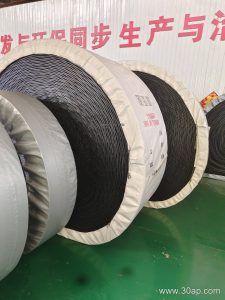
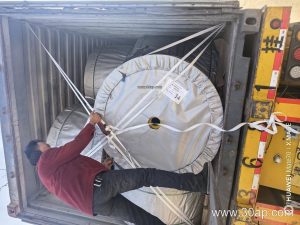
A heavy-duty mining conveyor belt is the load-carrying component of a bulk handling system built for continuous, high-tonnage duty in mines, quarries, cement works, power stations and sand and gravel plants. It is not simply a thicker version of a general-purpose belt. The carcass, cover compounds and splice design are chosen together so the belt can survive sharp rock, wet fines, repeated impact at transfer points and long centre distances without frequent stoppage.
In practice, the same product is often called a heavy-duty conveyor belt for mining, a high-strength mining conveyor belt or simply a mining conveyor belt. These are equivalent names for the same article, and all of them point to a belt engineered around the duty rather than around a single dimension.
Construction and Carcass Choices
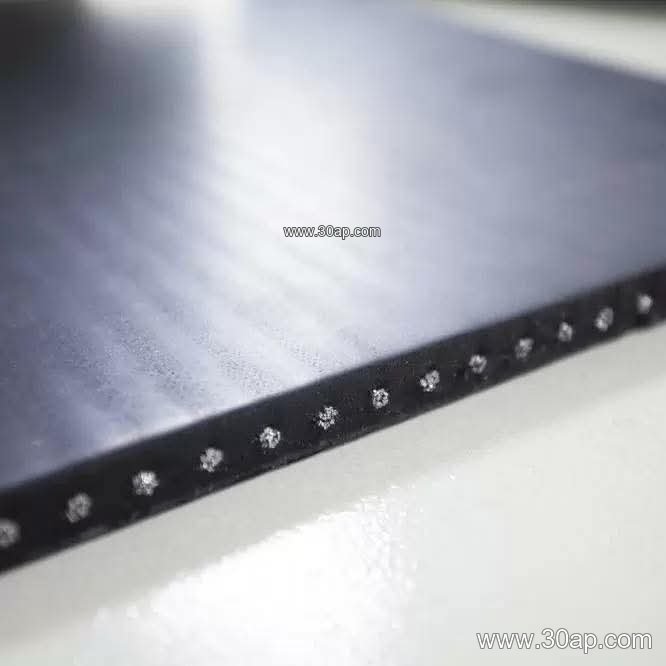
The carcass does most of the tension work. Three families are common in mining service:
- Multi-ply fabric core — EP or NN plies, widely used on primary and secondary haulage where flexibility and troughability matter. Typical grades include EP200, EP315, EP500, EP630, EP800 and EP1000.
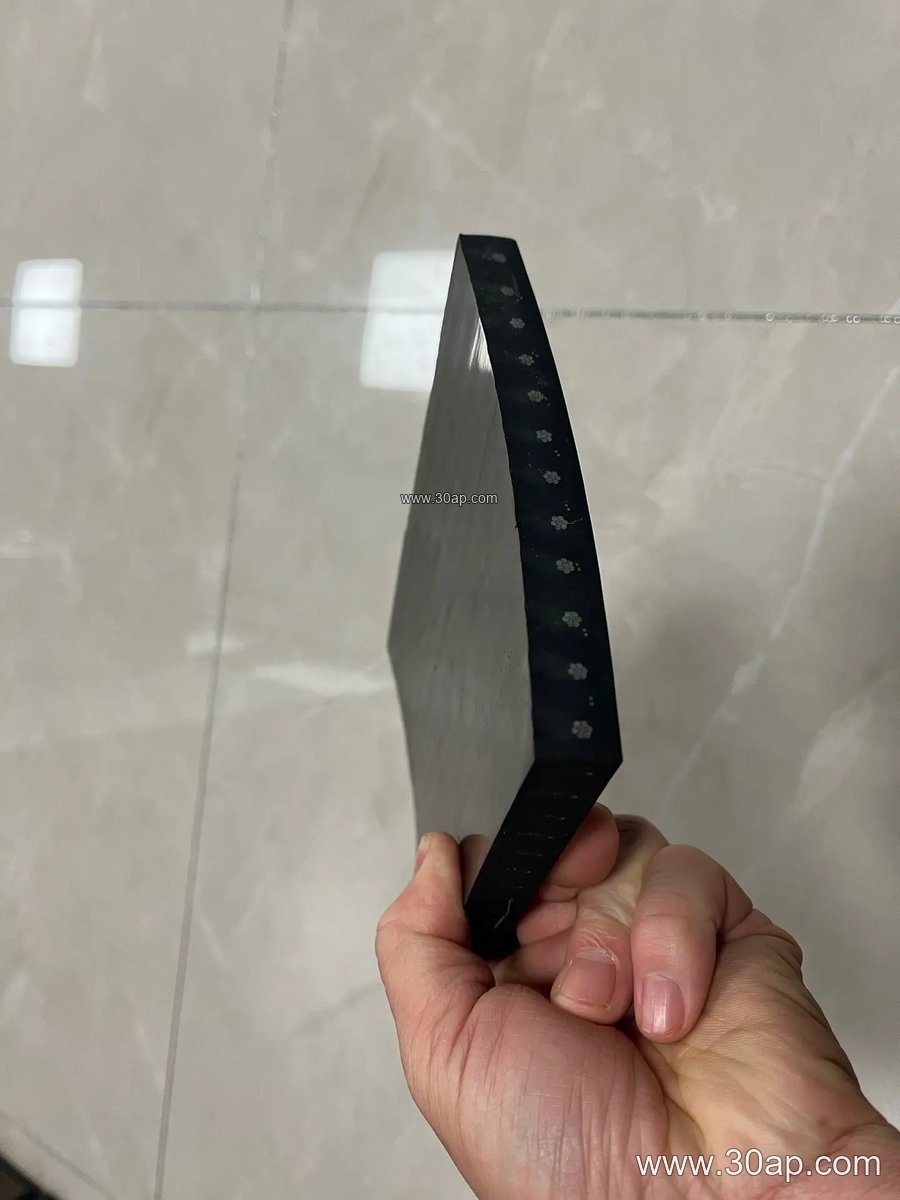
- Steel cord — a single layer of steel cables for very long flights and high tension, commonly quoted as ST1000, ST1600, ST2000 or ST2500 depending on the design.
- Solid-woven or PVG/PVC types — used where flame resistance and lower weight suit underground layouts, for example PVG800S.
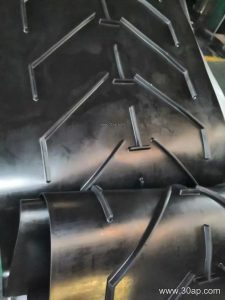
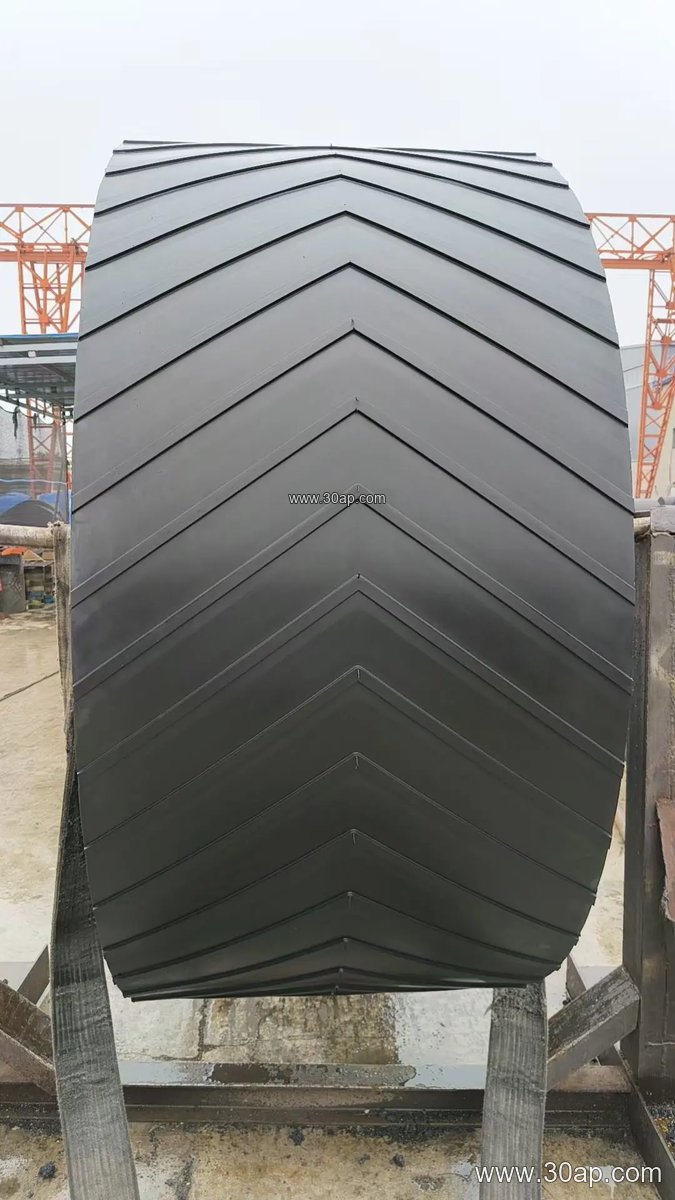
Cover rubber is selected for the cargo. A high abrasion resistant conveyor belt handles crushed stone and iron ore, while a heat resistant conveyor belt is chosen for clinker and sinter, and an oil resistant conveyor belt for oily scrap or treated feedstock. Underground coal mining conveyor belt specifications usually also call for flame retardant and anti-static properties. A corrugated sidewall conveyor belt or chevron conveyor belt may appear on steep inclines, but these are separate designs and should not be substituted for a flat heavy-duty unit without a full review.
Common Reference Dimensions
The table below collects reference values that appear in general product literature. They are starting points for discussion, not universal specifications, and final values are set by the conveyor design.
| Parameter | Common reference values |
|---|---|
| Belt width | B500, B650, B800, B1000, B1200, B1400, B1600, B1800, B2000 |
| Fabric strength grades | EP200, EP400, EP630, EP800, EP1000, EP1250, EP1600 |
| Steel cord grades | ST1000, ST1250, ST1600, ST2000, ST3150 |
| Cover thickness (top + bottom) | 4+2, 5+2, 6+2, 8+3 mm |
| Carcass plies | 2 to 6 layers, by design |
A 1200mm or 1400mm width is frequent on main haulage, while 1800mm and 2000mm appear on high-capacity trunk lines. Width and pulley diameter are matched through the conveyor calculation; a given belt width does not lock the plant into one pulley size.
Where the Belt Works
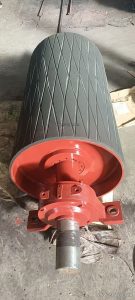
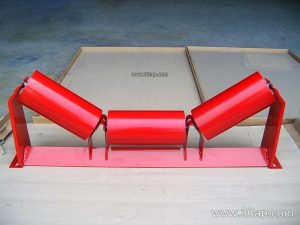
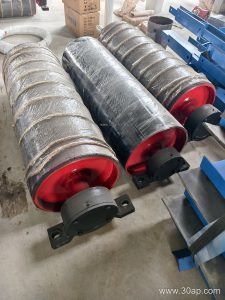
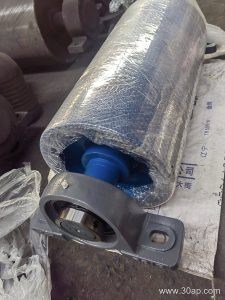
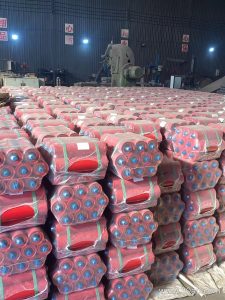
Heavy-duty belts move run-of-mine ore, coal, limestone, clinker, aggregates and overburden. You will find them on crusher discharge lines, plant feed conveyors, stockyard and port systems, and incline haulage in metal mines. In a coal preparation plant the belt may need flame retardant and anti-static behaviour; in a cement plant the same width may carry hot clinker on a heat resistant grade. The conveyor frame, idler roller sets, conveyor pulley assemblies and conveyor bracket details all influence belt life, so the belt should be selected together with the whole system rather than in isolation.
Selection Points for Buyers
- State the material, lump size, moisture and temperature range, plus peak and average tonnage.
- Give the conveyor geometry: length, lift, trough angle, transition distances and pulley sizes.
- Confirm the required tension grade and safety factor rather than choosing by width alone.
- Ask for cover grade data for abrasion, oil, heat or flame resistance as applicable.
- Agree the splice method and check that the belt can be installed within the available downtime.
For anyone sourcing in this category, the practical checklist is simple: match carcass strength to the duty, match covers to the cargo, and match the belt to the pulleys, idlers and structure around it. A belt that is over-specified wastes money; one that is under-specified stops the whole circuit.