What a 1800mm Wide Conveyor Belt Is
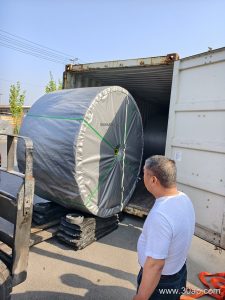
A 1800mm wide conveyor belt is a heavy-duty belting product designed for conveyor systems that must move large volumes of bulk material in a single pass. With a nominal width of 1800 millimeters, this belt sits in the extra-wide category and is typically specified for main haulage lines, primary crushing circuits, and high-tonnage transfer points. It is not simply a scaled-up version of a narrower belt; the carcass, cover compounds, and splice design all need to account for the wider span and the loads that come with it.
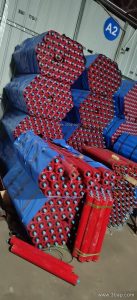
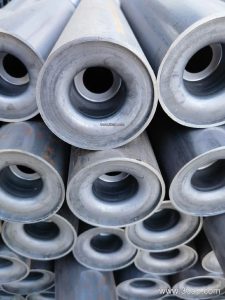
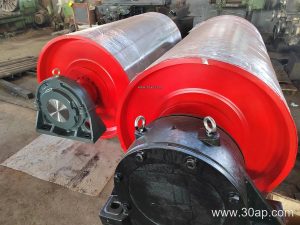
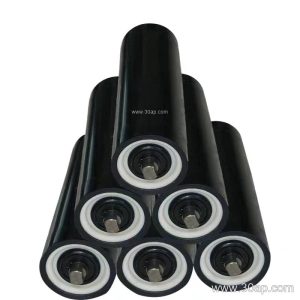
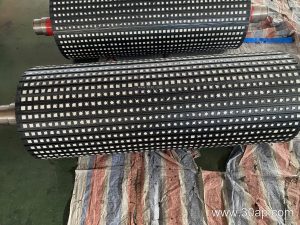
Buyers often encounter this width in mining, coal preparation, cement plants, power stations, and large quarry or sand making operations. In those settings, a 1800mm wide conveyor belt is usually part of a system that also includes idler rollers, conveyor pulleys, and conveyor brackets sized to match the belt width and the duty. The drive pulley, tail pulley, and bend pulleys each perform different functions and are selected separately from the belt itself.
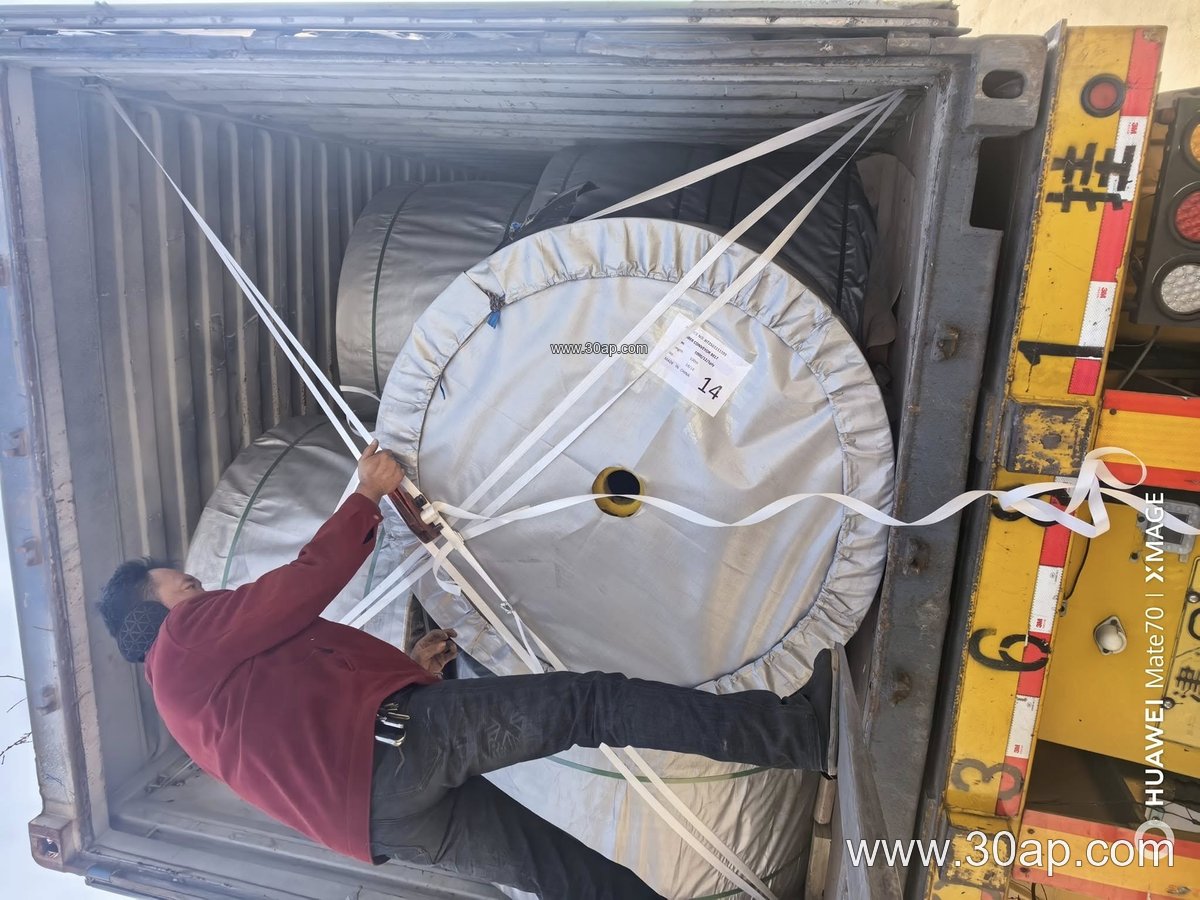
Construction and Common Configurations
The belt is built around a fabric or steel cord carcass with rubber covers on both faces. For a 1800mm wide conveyor belt, the most common carcass options are multi-ply fabric core and steel cord. Fabric-core belts are widely used in aggregate and cement duty, while steel cord belts are often chosen for long overland conveyors and high-tension applications.
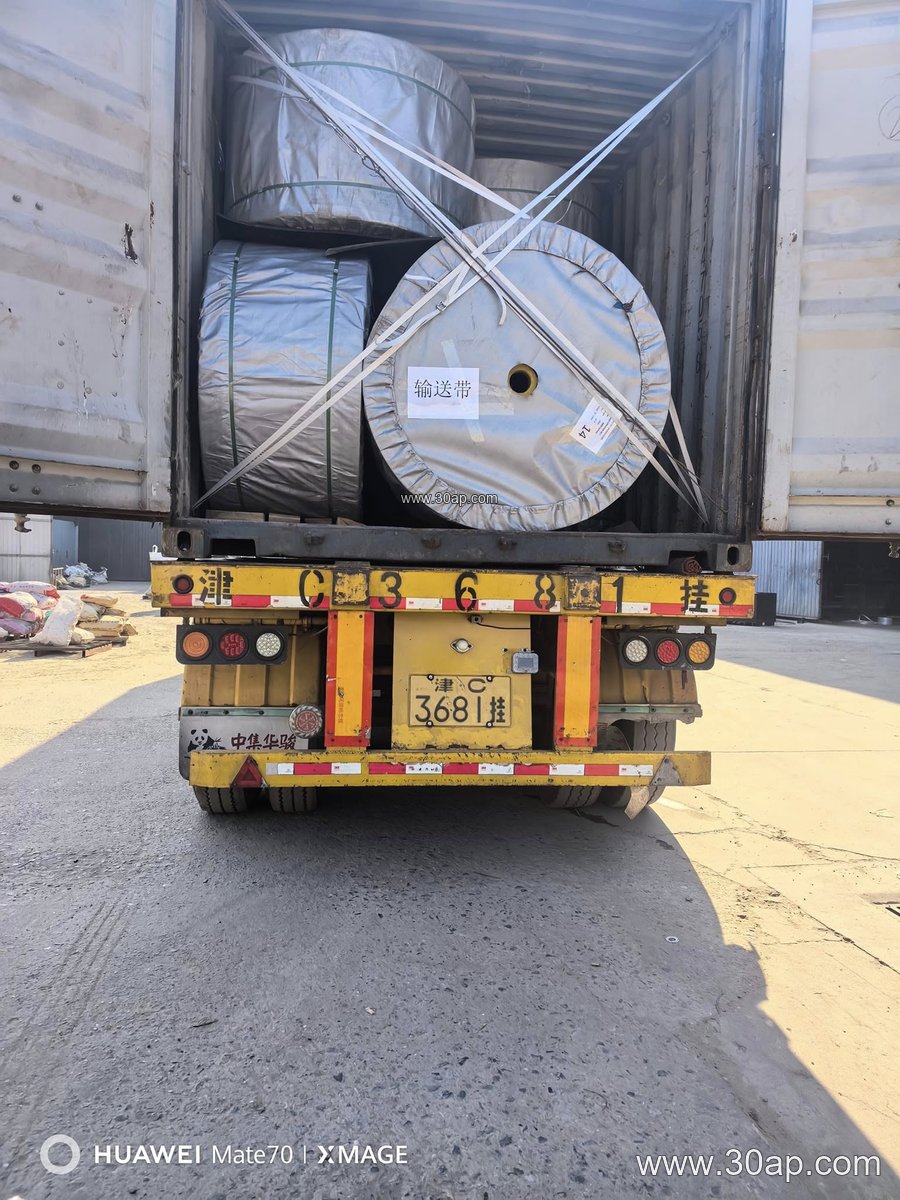
Typical reference data for this width includes:
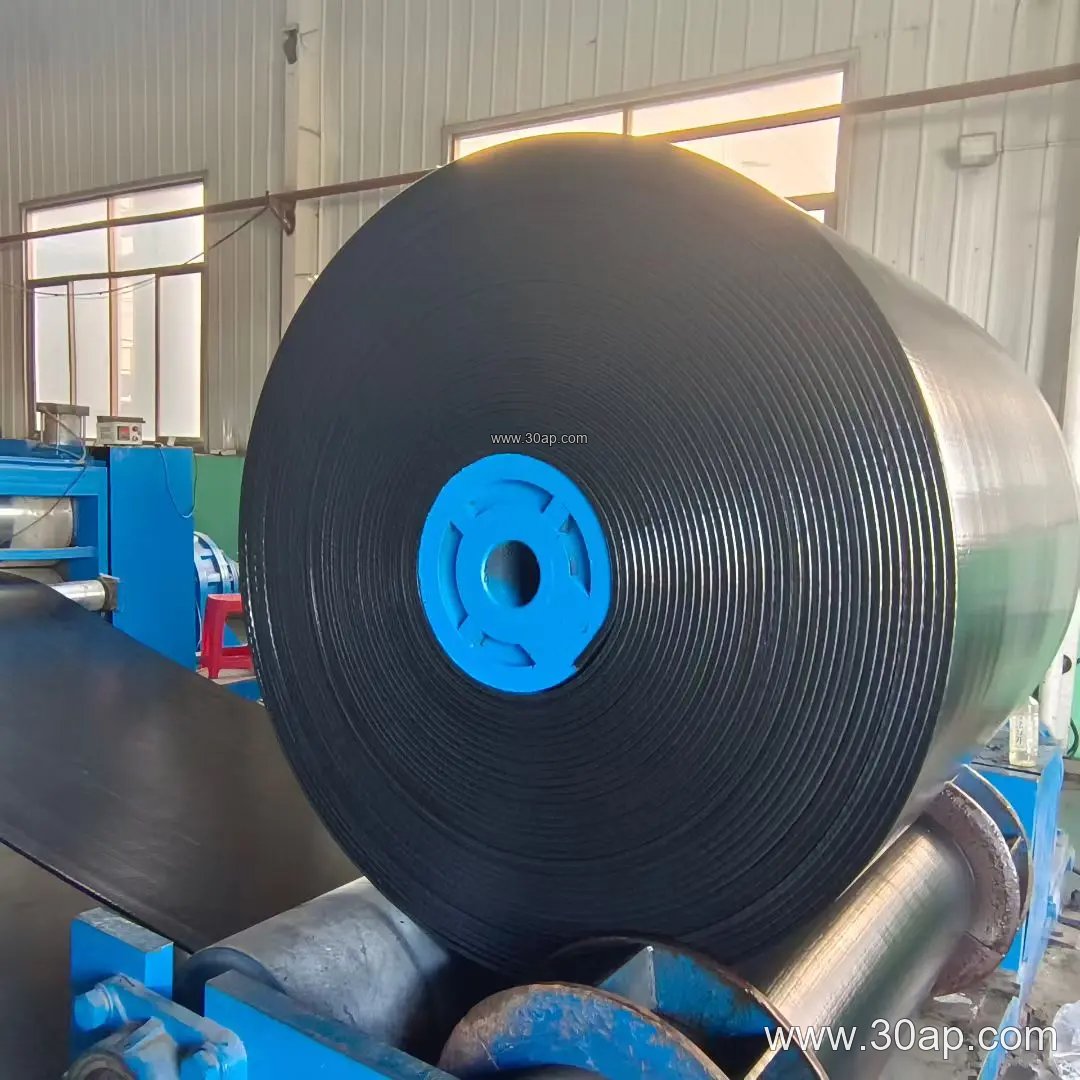
- Fabric core types: EP conveyor belt and NN conveyor belt, with multi-ply fabric core constructions common in 2 to 6 plies.
- Strength grades for EP: EP200, EP315, EP400, EP500, EP630, EP800, EP1000, EP1250, EP1600, and EP2000 are among the grades often referenced for wide belts.
- Steel cord grades: ST1000, ST1250, ST1600, ST2000, ST2500, and ST3150 appear in heavy-duty mining conveyor belt specifications.
- Cover thickness: 3+1.5 mm, 4+2 mm, 5+2 mm, 6+2 mm, and 8+3 mm are common combinations, with the thicker covers used for abrasive rock and ore.
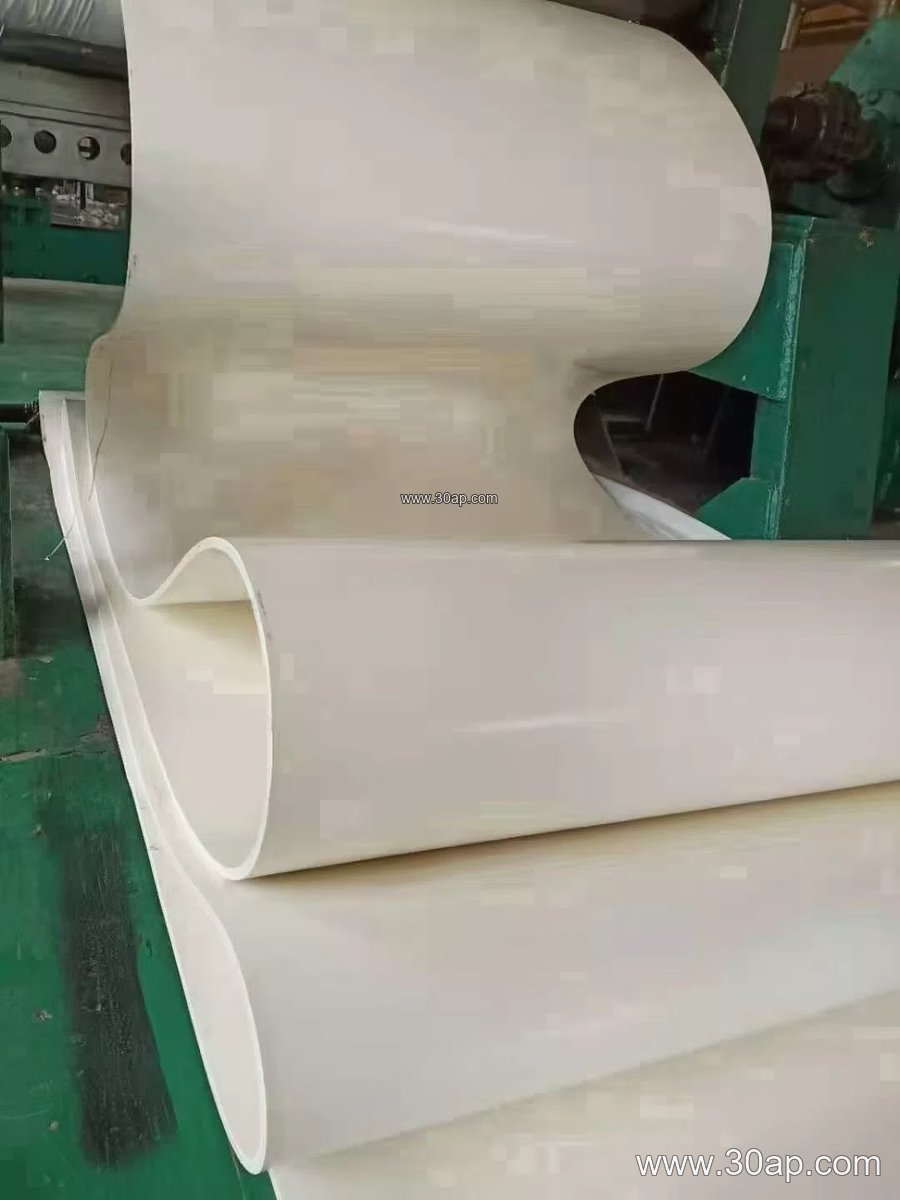
Specialty versions of the 1800mm wide conveyor belt include heat resistant conveyor belt, flame retardant conveyor belt, oil resistant conveyor belt, cold resistant conveyor belt, abrasion resistant conveyor belt, and anti-static conveyor belt. Chevron conveyor belt, skirted conveyor belt, and corrugated sidewall conveyor belt are available in wide formats for inclined or contained-material duty, but they are distinct subtypes and should not be treated as direct replacements for a standard flat belt.
Where It Fits in the Plant
In a coal mining or underground mining conveyor system, a 1800mm wide conveyor belt may serve as the main trunk belt receiving material from a crusher or a transfer chute. In cement plants and power plants, the same width is often used on coal or limestone handling lines where throughput is high and downtime is costly. Quarry conveyor belt and aggregate conveyor belt circuits also use wide belting when the primary crusher discharge is large and the conveyor must handle surge loads.
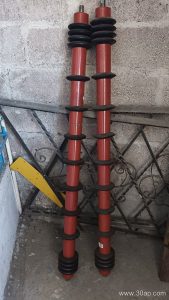
The belt does not work alone. Idler rollers support the carry and return sides, and their spacing and roll diameter are chosen according to belt width, material weight, and sag limits. Conveyor pulleys at the head and tail provide traction and tension, while conveyor brackets hold the idlers and pulleys in alignment. A 1800mm wide conveyor belt does not dictate a single pulley diameter; the pulley size is determined by belt tension, carcass type, and the conveyor designer’s calculation.
Selection and Maintenance Notes
When specifying a 1800mm wide conveyor belt, confirm the material being carried, lump size, operating temperature, and whether the belt will run indoors or outdoors. For abrasive iron ore or copper ore, a high abrasion resistant conveyor belt with a thicker top cover is often appropriate. For coal mining conveyor belt applications, flame retardant and anti-static properties are usually required, and PVG conveyor belt or PVC conveyor belt constructions may be considered where fire safety rules call for them.
Check that the splice method suits the carcass and the belt width. A wide belt demands careful alignment during installation, and the idler frames must be square to the centerline. During operation, monitor edge wear, cover gouging, and pulley lagging condition. Keeping the belt tracking straight reduces edge damage and extends service life. For buyers sourcing a 1800mm wide conveyor belt, request the carcass type, ply count or cord grade, cover thickness, and the intended pulley and idler arrangement so the supplier can match the belt to the conveyor design.