What Pulley Machining Involves
Pulley machining is the manufacturing process that turns a cylindrical shell, shaft, and end discs into a precision conveyor pulley. It covers turning, boring, keyway cutting, welding, dynamic balancing, and surface finishing. The goal is a component that rotates true, grips the belt without slipping, and survives years of heavy duty in quarries, coal preparation plants, and cement kilns. A machined pulley is not just a wheel; it is a engineered assembly where every tolerance affects belt tracking and bearing life.
Core Components and Machining Steps
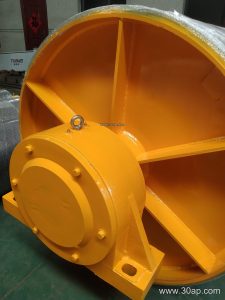
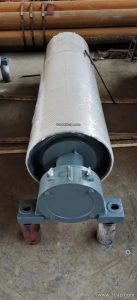
A typical conveyor pulley starts with a rolled steel shell. The shell is cut to width, then machined on a lathe to true the outside diameter and face the edges. End discs are turned to fit inside the shell and welded in place. The shaft is machined separately, with journals ground to bearing tolerance and keyways milled for torque transmission. After welding, the assembly is stress-relieved and machined again to correct distortion. Finally, the surface may be lagged or left plain, and the whole pulley is balanced to reduce vibration at operating speed.
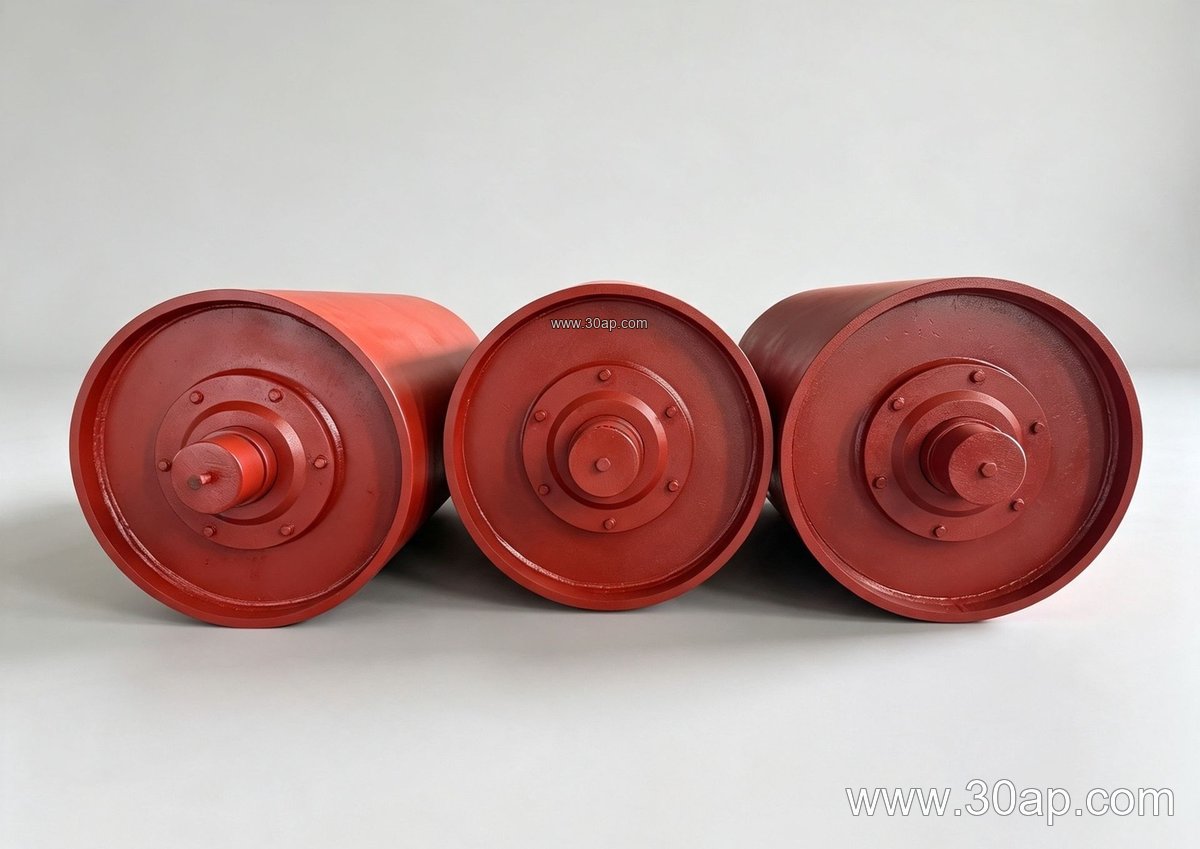
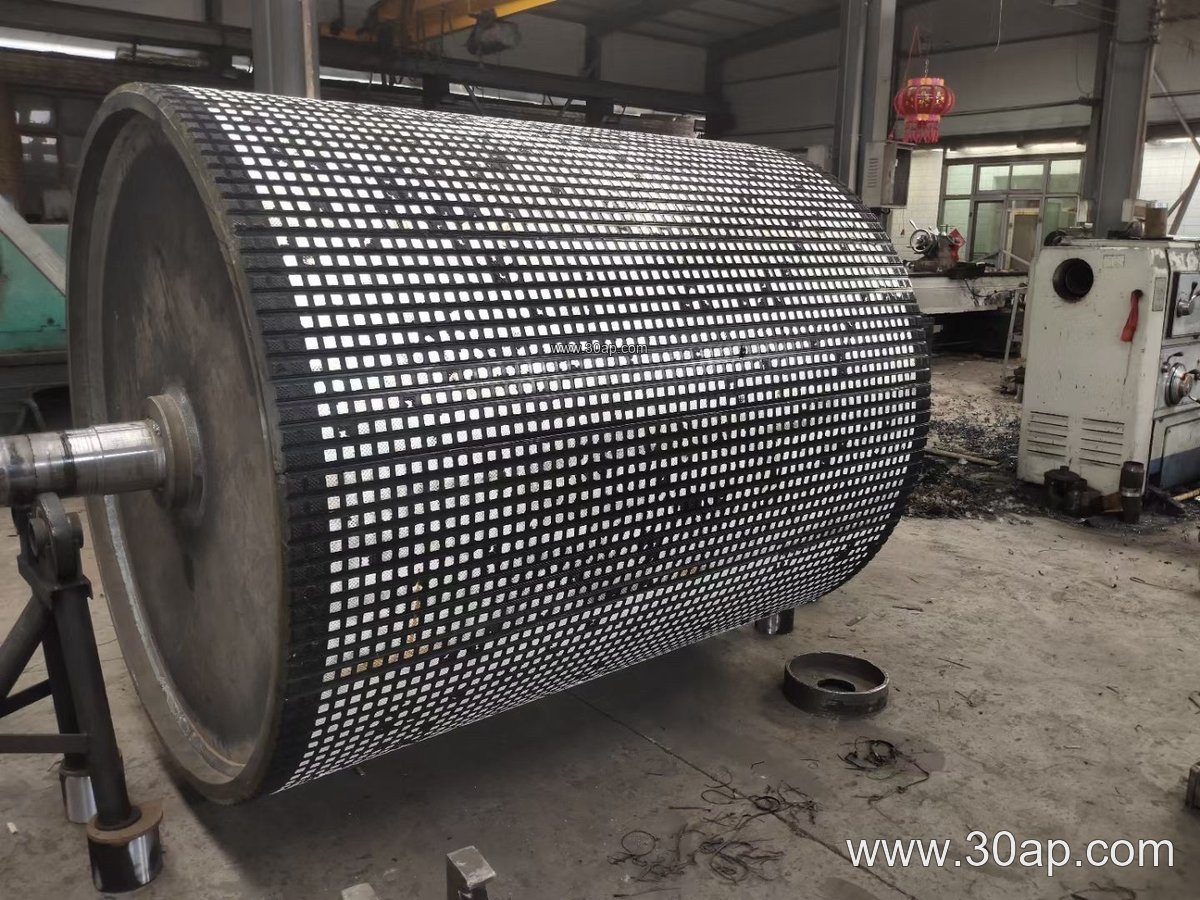
- Shell turning and edge chamfering
- End disc boring and welding
- Shaft journal grinding and keyway cutting
- Dynamic balancing
- Surface preparation for lagging
Where Machined Pulleys Are Used
In a limestone quarry, head pulleys drive the main belt while tail pulleys redirect the return strand. In a coal washing plant, bend pulleys help route the belt through tight spaces. The same machining standards apply whether the pulley handles a 500 mm wide belt or a 2000 mm wide belt. A machined pulley must match the conveyor belt width and the load profile. For example, a B800 belt often runs on a pulley with a face width around 950 mm, while a B1200 belt may use a 1400 mm face. These are typical references, not fixed rules. The shaft diameter is determined by torque and radial load, not by belt width alone. Common shaft sizes range from Ø50 to Ø200, but selection depends on the drive calculation.
Surface Options and Their Role
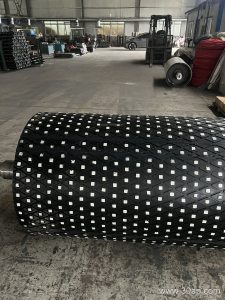
Plain machined pulleys are used where slip is not a concern. For higher grip, the surface can be lagged with rubber, ceramic, or diamond pattern. Lagging thickness commonly ranges from 8 mm to 20 mm. A diamond or herringbone profile helps shed water and fines, which is useful in aggregate and mining conveyor systems. The choice of lagging interacts with the conveyor belt cover: a rough top belt may wear differently than a smooth belt. In dusty applications such as a cement plant clinker line, a grooved lagging can reduce material build-up. Always match the lagging hardness and pattern to the belt and the environment.
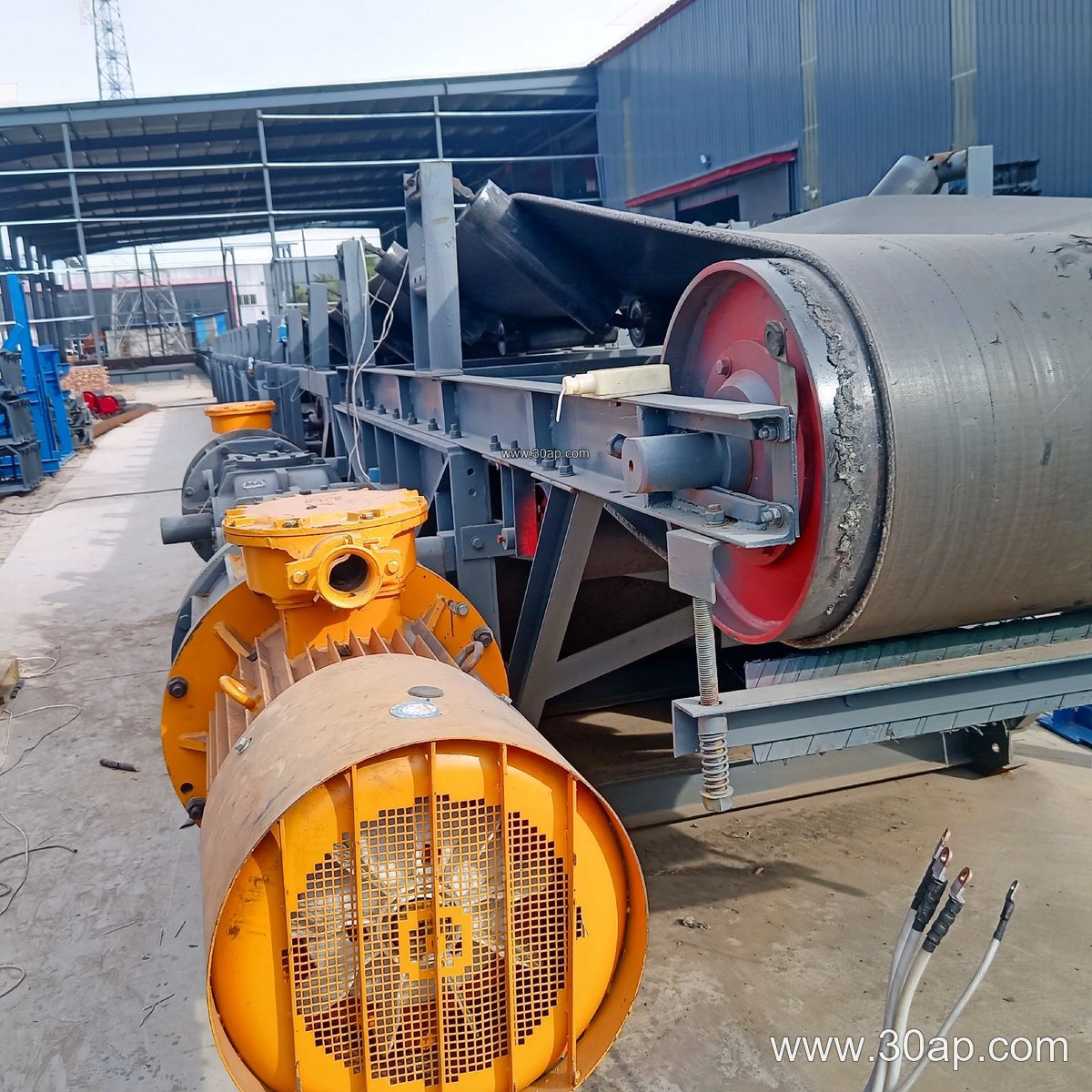
Key Dimensions and Configuration
Buyers often specify pulleys by belt width and diameter. The table below shows common combinations, but these are examples, not mandatory pairings. A B650 belt might use a Ø400 pulley in one conveyor and a Ø500 in another, depending on belt speed and tension. Face width is usually wider than the belt to allow for misalignment. Shaft diameter is calculated separately.
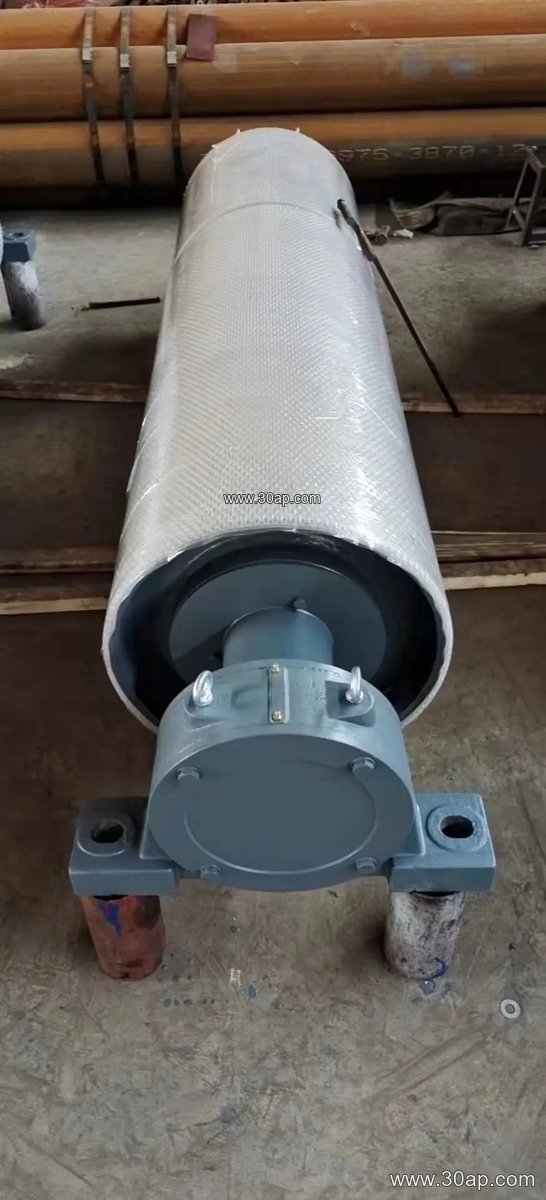
| Belt Width | Typical Face Width | Example Diameter |
|---|---|---|
| B500 | 600 mm | Ø320 |
| B800 | 950 mm | Ø500 |
| B1000 | 1150 mm | Ø630 |
| B1200 | 1400 mm | Ø800 |
| B1400 | 1600 mm | Ø1000 |
These figures are for reference only. The actual pulley diameter should be selected based on belt tension, wrap angle, and the required bearing life. For instance, a tail pulley in a crusher conveyor may need a larger diameter to reduce bending stress on the belt.
What Buyers Should Check Before Ordering
First, confirm the pulley type: drive pulley, tail pulley, bend pulley, or take-up pulley. Each has different load and machining priorities. Drive pulleys need keyways and sometimes a locking assembly; bend pulleys may be smaller and lighter. Second, specify the belt width and the required face width. Third, provide the shaft diameter and bearing centers, or the torque and radial load so the manufacturer can calculate them. Fourth, state the lagging requirement: plain, rubber lagged, ceramic lagged, and the thickness. Fifth, mention the environment: a coal mining conveyor may require flame retardant lagging, while a food grade line needs a different compound. Finally, ask for balancing grade and runout tolerance. A well-machined pulley will run smoothly with any quality conveyor belt, whether it is an EP conveyor belt, a steel cord conveyor belt, or a fabric core conveyor belt.
Maintenance and Long-Term Performance
Even a precision-machined pulley needs attention. Check lagging wear every few months; worn lagging reduces grip and can cause belt slip. Inspect the shaft for corrosion at the bearing journals. Keep the pulley clean, especially in sticky material like wet aggregate. If the pulley is part of a system with a skirted conveyor belt or a corrugated sidewall belt, ensure the pulley face is free of build-up that could damage the belt edge. Proper machining and regular inspection extend the life of the entire conveyor, from the idler roller to the conveyor bracket.