What a Conveyor Bracket Does on the Line
Conveyor bracket procurement is the part of a belt system project where the supporting steel under the belt gets decided. The bracket, often called a conveyor support bracket or idler frame bracket, holds the idler roller in the right position so the conveyor belt keeps its trough shape and tracks straight. In a quarry, a cement plant, or a power plant coal yard, a weak bracket shows up quickly as a wandering belt, spilled material, and worn rollers.
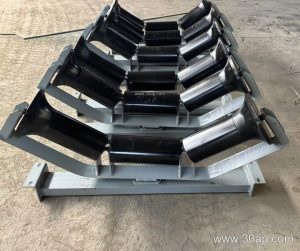
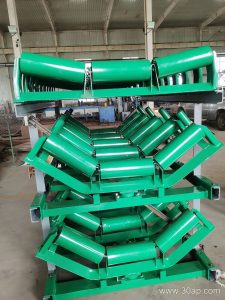
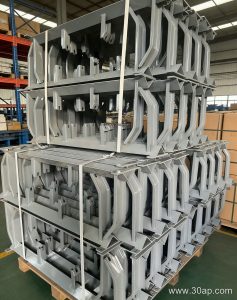
The bracket is not a single universal part. It is a family of frames: trough brackets on the carrying side, return brackets underneath, transition frames near the pulleys, self-aligning frames, and impact frames at loading points. Each one has its own job, and buying the wrong subtype causes more trouble than a slightly higher price.
How the Frames Are Built
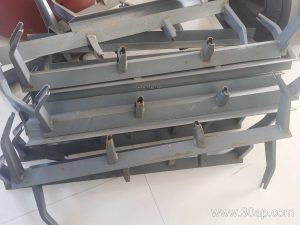
Most frames are fabricated from angle steel, channel steel, or folded steel plate. The material choice follows the load and the environment. A dusty limestone mine may favor heavier channel sections, while a lighter sand line can use folded plate frames. Welded joints, mounting slots, and the angle of the idler seats all affect how the bracket sits against the belt.
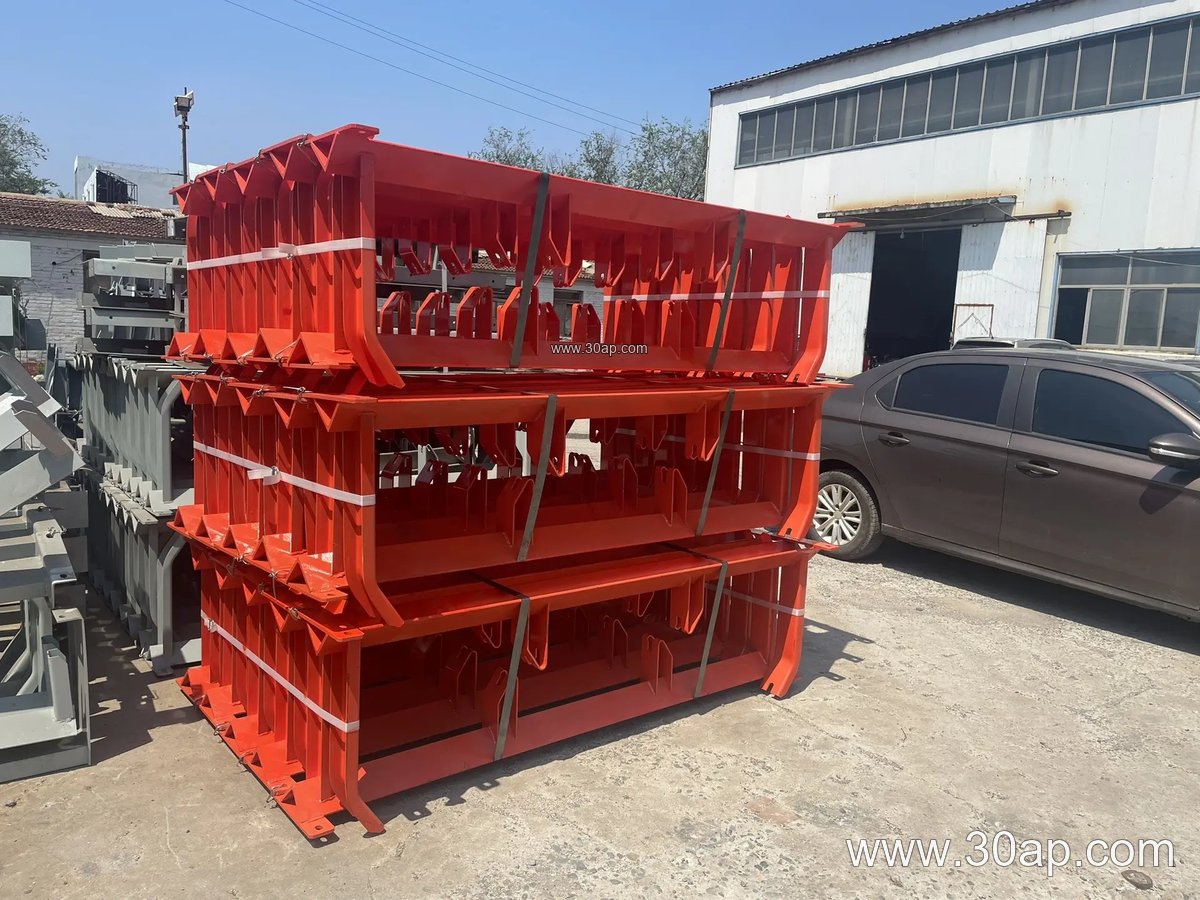
Common bracket forms include:
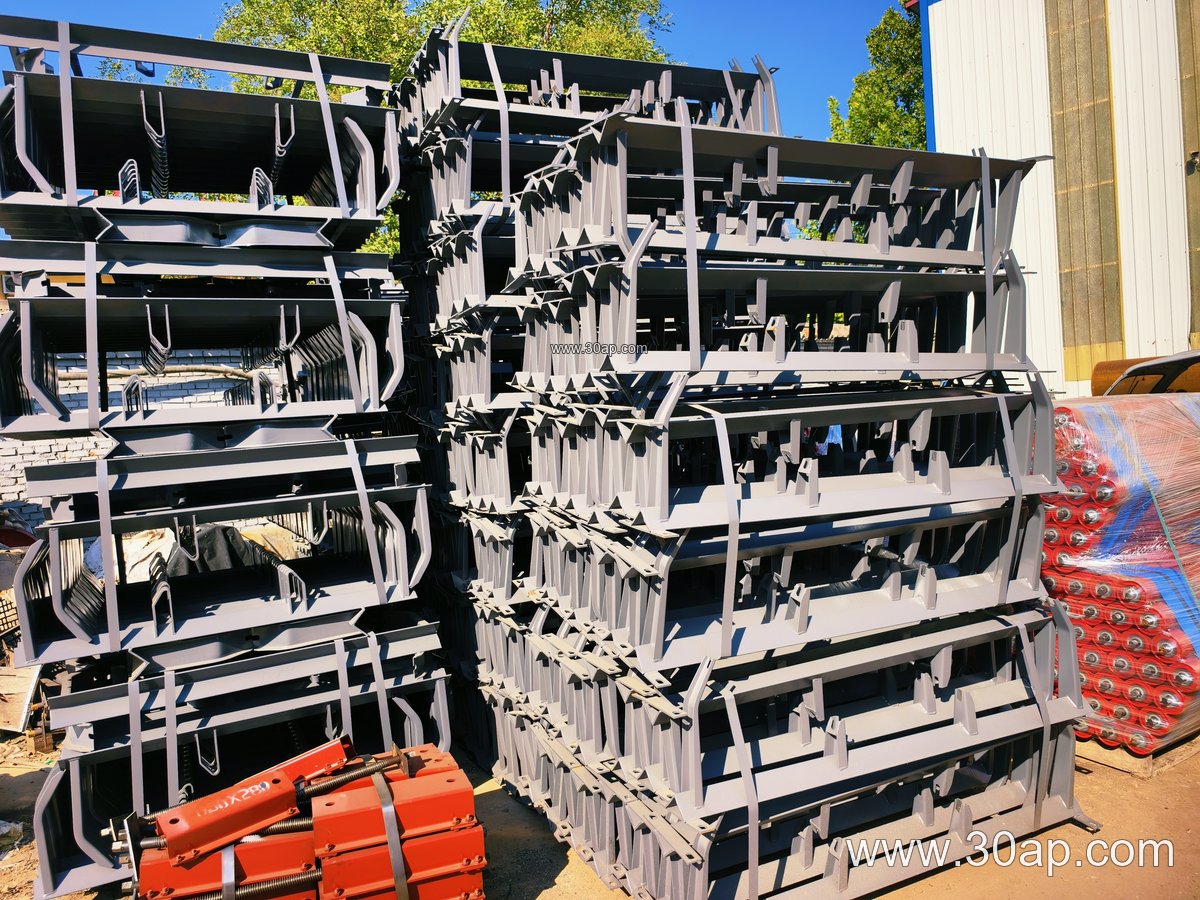
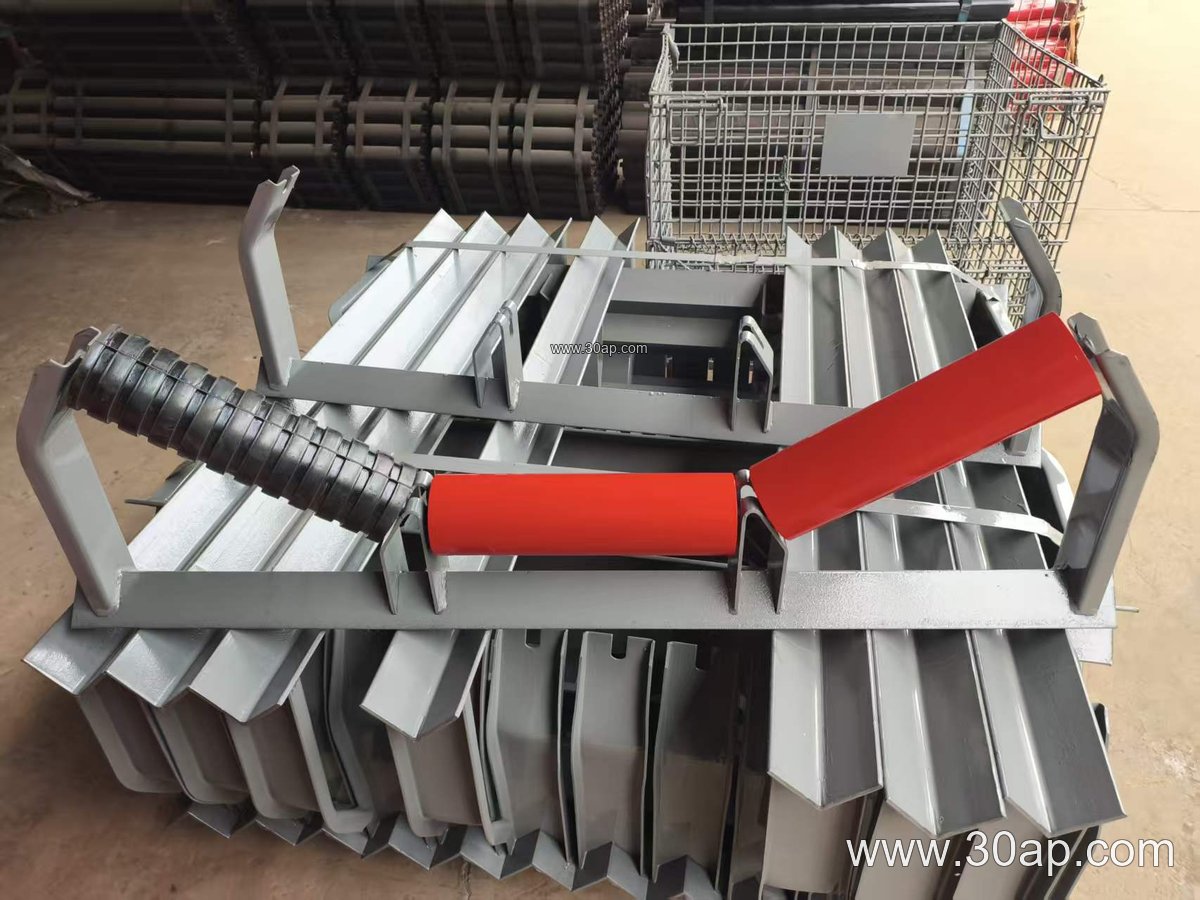
- Trough bracket for the carrying side, usually set at 20, 30, 35, or 45 degrees
- Transition bracket placed between the last trough frame and the pulley
- Return bracket and V-return bracket for the empty strand
- Impact bracket at the feed point, often paired with impact idlers
- Self-aligning bracket that allows small lateral correction
- Forward-leaning bracket, typically around 1.5 to 2 degrees
- Hanging bracket for special structures
- Adjustable bracket that can be set to different trough angles
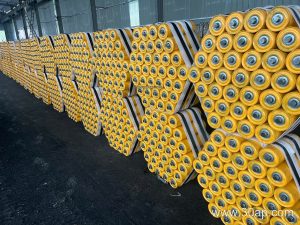
The bracket must match the roller diameter and the belt width. Typical roller diameters are Ø89, Ø108, Ø133, Ø159, and Ø194. Belt widths run from B500 up to B2200 in many plants. A B800 frame with 35 degrees and Ø108 rollers is a common combination, and a B1200 frame with 45 degrees and Ø133 rollers also appears in heavy duty work, but these are examples, not fixed rules. Hole spacing and crossbeam length change with belt width and trough angle, so they should be confirmed against the drawing.
Matching the Bracket to the Belt and the Plant
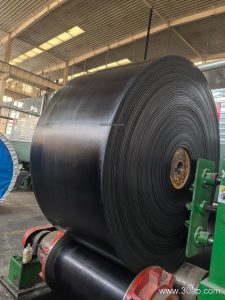
The belt itself guides the choice. A heavy-duty mining conveyor belt carrying iron ore needs a stiffer frame than a fabric core conveyor belt on a short transfer. Where a steel cord conveyor belt runs at high tension, the transition bracket and the pulley alignment deserve extra attention. In a coal mining conveyor belt system, flame retardant conveyor belt grades are common, and the bracket should be easy to inspect in a confined space.
At a crusher discharge, an impact resistant conveyor belt works with impact brackets and cushion rollers. On a long overland route, a pipe conveyor belt or a corrugated sidewall conveyor belt may need custom frame geometry. Heat resistant conveyor belt service near a sinter plant or cement kiln calls for frames that keep their shape under thermal cycling. Abrasion resistant conveyor belt duty in a sand making plant wears the roller shell first, but a bent bracket will shorten roller life too.
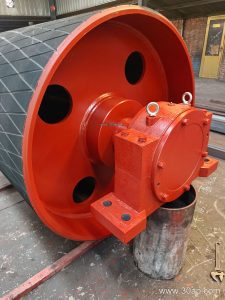
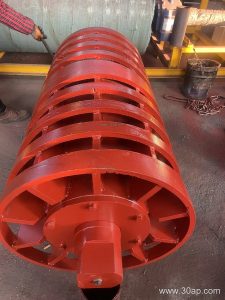
Buyers should also think about the pulley end. A drive pulley, a tail pulley, and a bend pulley each create different belt paths, and the brackets near them are not interchangeable. The transition frame before a bend pulley is not the same as a standard trough frame. Getting this detail right during conveyor bracket procurement avoids field rework.
Procurement Checklist
A clear inquiry saves time. Include the belt width, the trough angle, the roller diameter, the frame type, the material, and the surface treatment. State the mounting hole pattern or attach a drawing. Confirm whether the frame is fixed or adjustable. Ask for the load rating and the welding standard the supplier works to, without assuming a certification that has not been offered.
For a bulk material conveyor belt project, order a few spare frames for the loading zone and the transition area, since these take the most abuse. Keep the bracket drawing number on the purchase order so a replacement matches the original. Whether the plant is a fertilizer warehouse, a tunnel spoil line, or a steel plant sinter strand, the same principle holds: the bracket is small, but it sets the geometry for the idler roller, the conveyor belt, and the pulley that follow.