What a Return Idler Bracket Does on a Conveyor
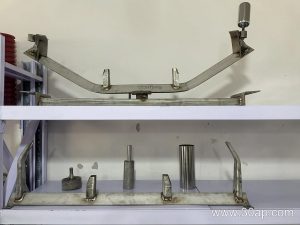
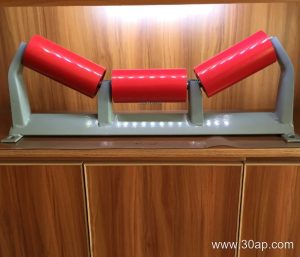
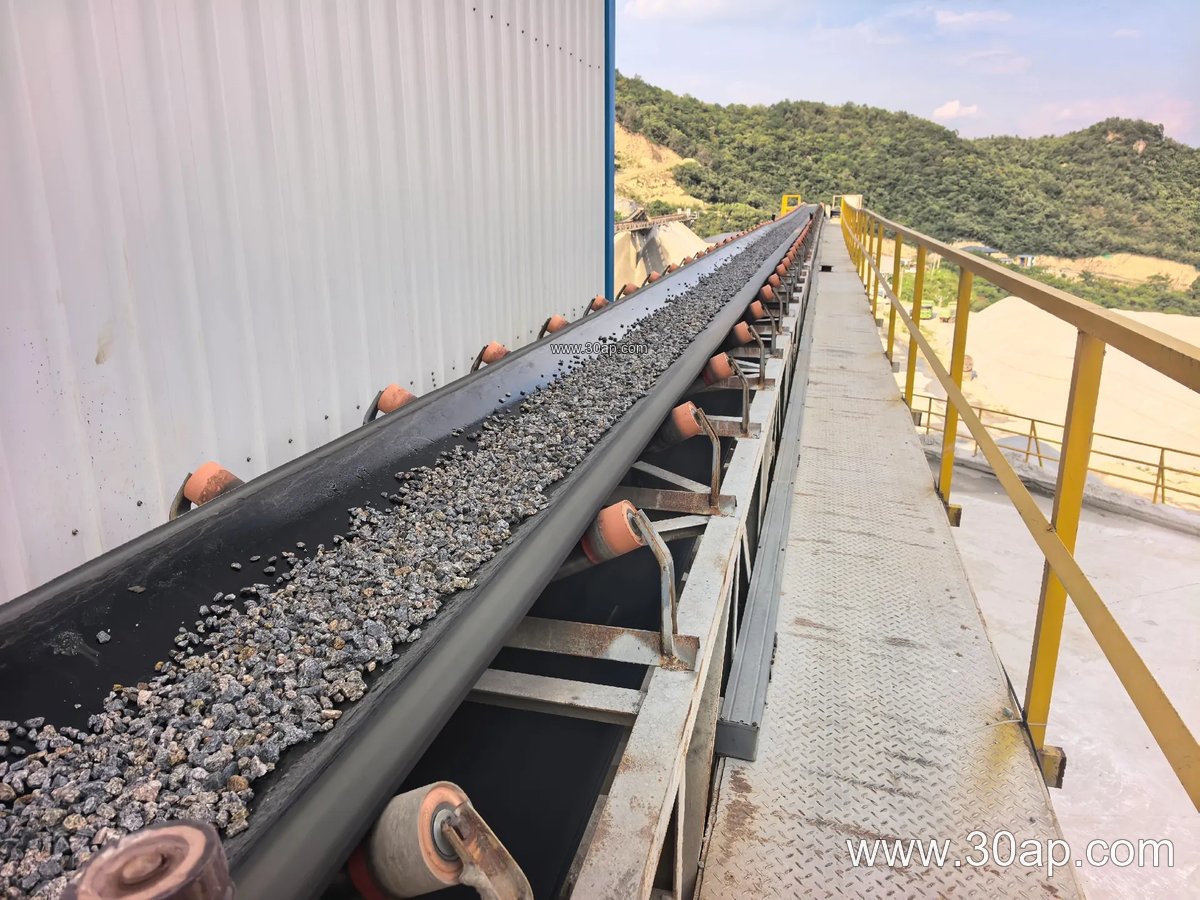
A return idler bracket is the support component that holds the return idlers beneath the conveyor belt on the carrying side’s return run. It keeps the belt at the correct height and alignment, allowing the empty belt to travel smoothly back to the tail pulley. In mining, coal preparation plants, cement works, power station coal handling, and quarry lines, this bracket is a small but critical part of the conveyor structure. Unlike a drive pulley or a tail pulley, which transmit power and change belt direction, the return idler bracket simply supports the lower strand. It is often used together with a conveyor bracket that connects to the main frame, and it must be matched to the belt width and the idler roller diameter for proper fit.
Construction and Materials
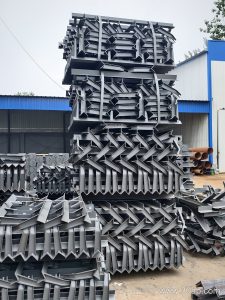
Most return idler brackets are fabricated from angle steel, channel steel, or folded steel plate. The choice of material affects strength and corrosion resistance. Common surface treatments include painting or galvanizing, though specific finishes depend on the environment. The bracket typically has mounting holes or slots to accept the idler shaft, and the hole spacing varies with belt width and idler diameter. For example, a bracket for a B800 belt with Ø108 idlers will have different dimensions from one for a B1200 belt with Ø133 idlers. Adjustable versions allow the return idler height to be fine-tuned, which helps control belt sag and tracking.
Where Return Idler Brackets Are Used
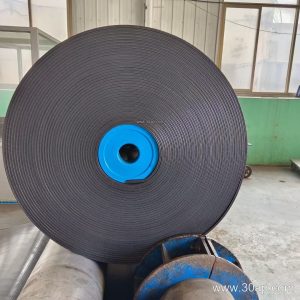
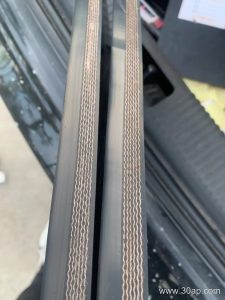
These brackets appear in a wide range of bulk material handling systems. In a coal mining conveyor, they support the return run under heavy loads and must resist dust and moisture. In a cement plant, they help maintain belt alignment on long inclined conveyors. Aggregate operations and sand and gravel lines use them extensively on both fixed and mobile conveyors. The bracket also works with various belt types, such as EP conveyor belt, steel cord conveyor belt, and abrasion resistant conveyor belt, because the return side is often exposed to the same environment as the carrying side. For flame retardant conveyor belt applications in underground mining, the bracket material and design should be chosen to avoid spark generation where required.
Key Selection Factors
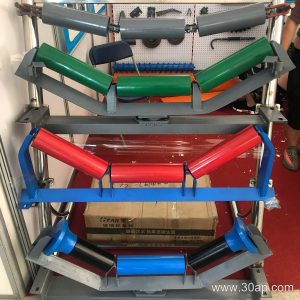
Buyers should consider belt width, idler diameter, and the required return idler configuration. The bracket must match the conveyor frame and the idler shaft size. Common belt widths include B500, B650, B800, B1000, B1200, B1400, B1600, B1800, B2000, B2200, but the bracket is not limited to these. Idler diameters such as Ø89, Ø108, Ø133, Ø159, and Ø194 are typical. A bracket designed for a V-return idler set differs from a flat return bracket, and the two are not interchangeable. Adjustable brackets offer flexibility in belt training, while fixed brackets provide simple, robust support. Buyers should also check the mounting hole pattern and the overall bracket length, which are determined by the conveyor design rather than a single standard.
| Parameter | Common Range |
|---|---|
| Belt width (B) | B500 to B2200 |
| Idler diameter | Ø89, Ø108, Ø133, Ø159, Ø194 |
| Material | Angle steel, channel steel, folded plate |
| Type | Fixed, adjustable, V-return |
When specifying, state the belt width, idler diameter, and whether the bracket is for a flat or V-return arrangement. For instance, a B1000 belt with Ø133 return idlers and a 30-degree trough is a common combination, but the bracket itself does not set the trough angle; that is determined by the carrying idler frames. Do not assume that a given belt width only matches one idler diameter. The conveyor designer will confirm the exact hole spacing and bracket length.
Maintenance and Compatibility
Regular inspection of return idler brackets helps prevent belt damage. Check for loose bolts, bent brackets, and worn mounting holes. Replace damaged brackets promptly to avoid misalignment that can lead to edge wear on the conveyor belt. The bracket should be compatible with the idler roller and the overall conveyor bracket system. In dusty or wet conditions, such as in a quarry or a port, stainless or galvanized brackets may extend service life. Always follow the conveyor manufacturer’s recommendations for torque and alignment.
For more information on conveyor components, visit our site at www.example.com/return-idler-bracket and explore related products such as conveyor idlers and pulleys.