What a V-Type Idler Bracket Does on a Conveyor
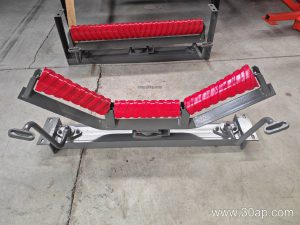
A V-Type Idler Bracket is a return-side support component that holds two idler rollers at an angle to form a shallow V shape under the conveyor belt. Instead of a flat return run, the belt rests in this V trough, which naturally encourages the belt to center itself as it travels. In aggregate plants, cement works, and coal handling systems, this bracket is often chosen where belt misalignment on the return strand causes edge wear or spillage. The bracket works together with the conveyor bracket frame, idler roller, and conveyor belt to keep the return path stable.
The V shape is not a substitute for a full troughing set on the carrying side. It is a return-side arrangement, and it is also distinct from a transition bracket or a buffer bracket. Each plays a different role along the conveyor structure.
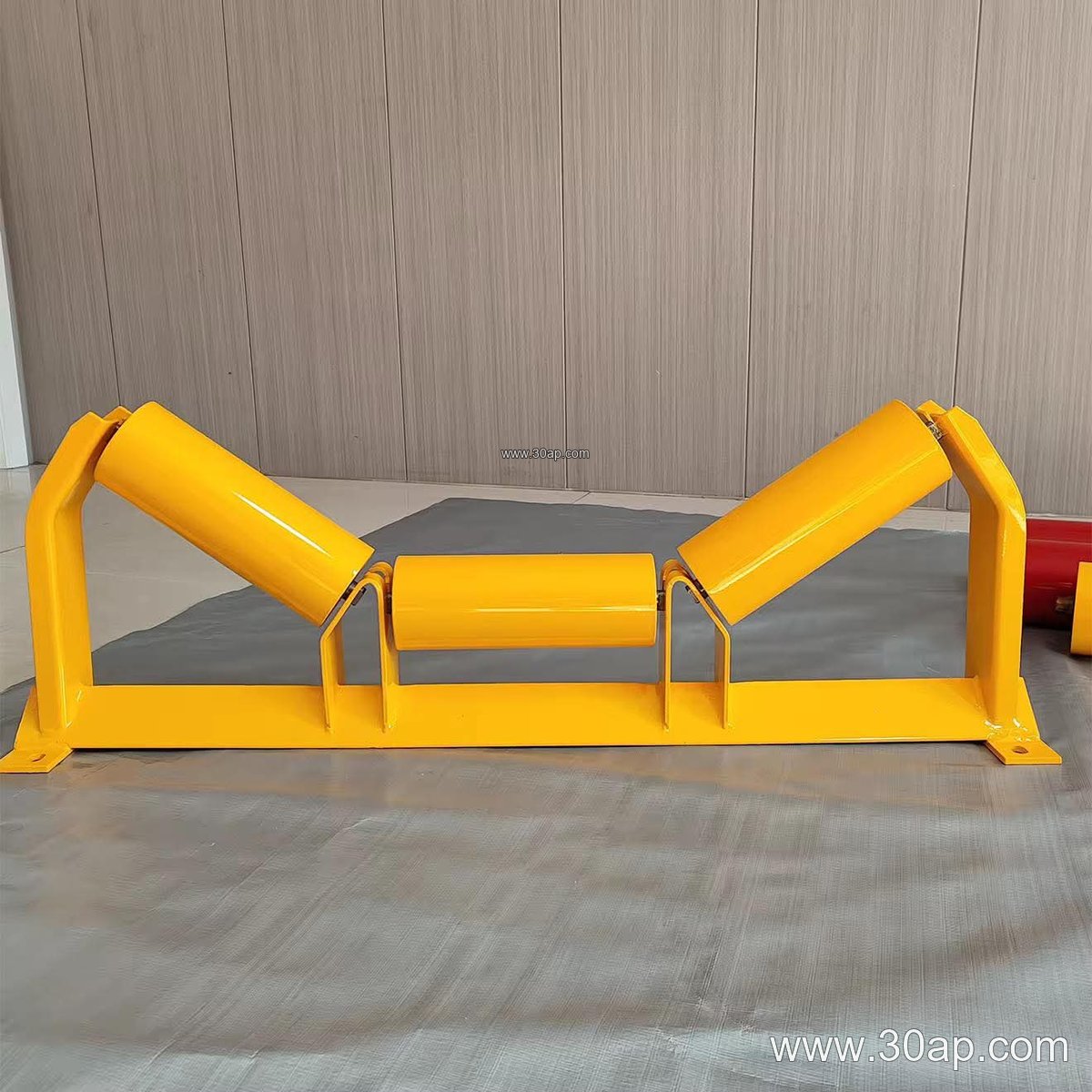
Construction and Typical Materials
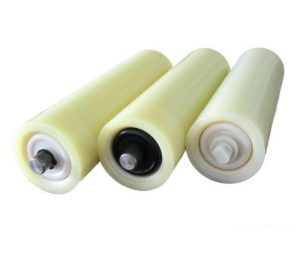
Most V-Type Idler Bracket designs are fabricated from angle steel, channel steel, or folded steel plate. The two inclined arms are welded or bolted to a base that mounts on the conveyor stringer. Idler rollers sit in slots or saddle seats on each arm, and the angle between the arms sets the V profile. Common roller diameters used with these brackets include Ø89, Ø108, Ø133, Ø159, and Ø194, selected according to belt width and load.
Fabricators usually keep mounting hole spacing and crossbeam length variable, because these dimensions follow the belt width and the chosen V angle rather than a single fixed number. A buyer should confirm the hole pattern against the existing stringer before ordering.
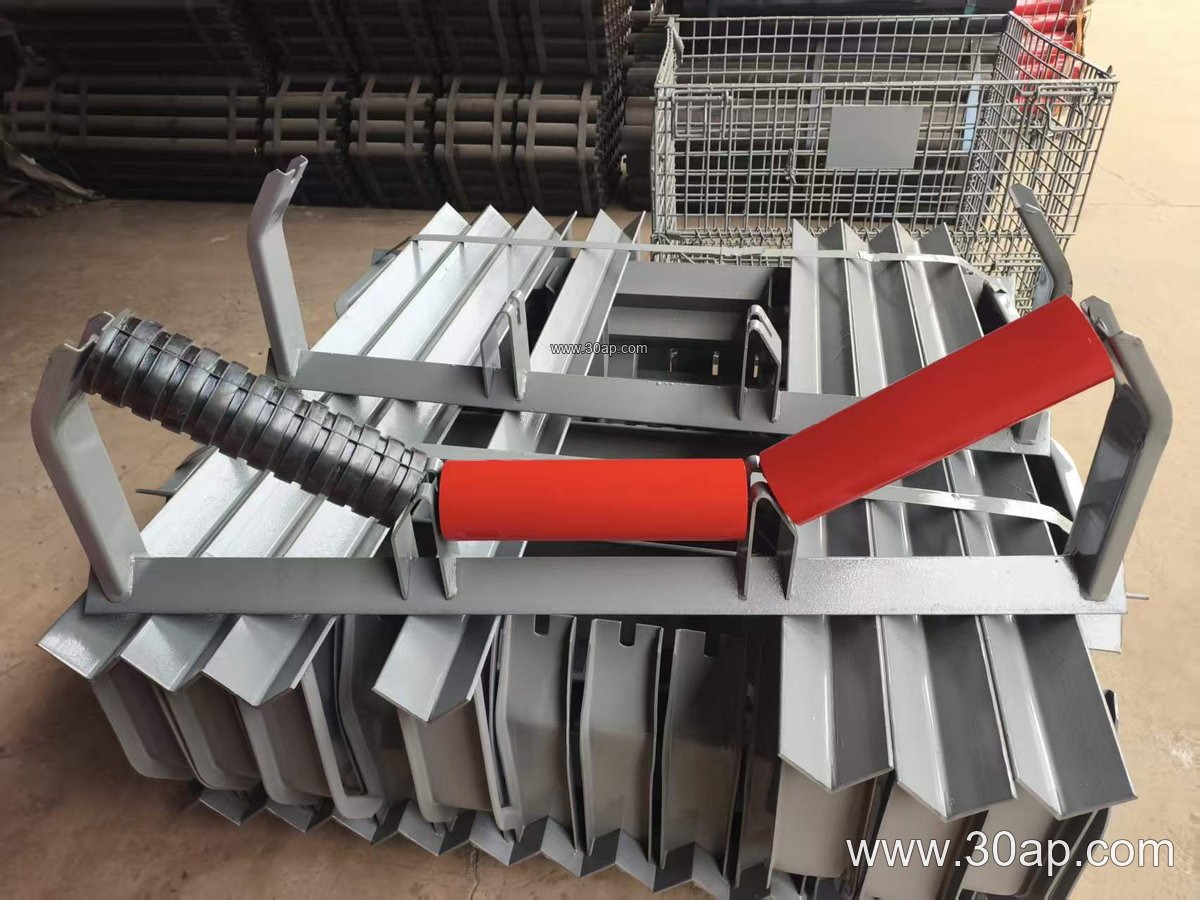
Where It Fits in the Conveyor Layout
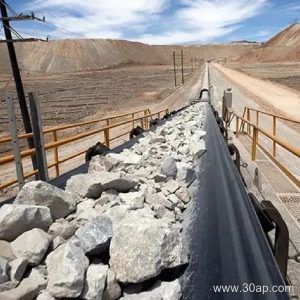
The bracket is installed on the return strand, spaced between the head and tail of the conveyor. In a quarry or sand and gravel line, it helps control the belt after the discharge point, where the belt can wander. In a power plant coal yard or a limestone stockpile conveyor, the same component reduces contact between the belt edge and the structure.
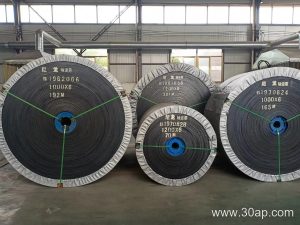
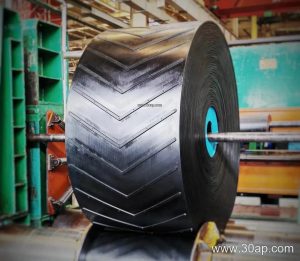
It is often used alongside a rubber conveyor belt or an EP conveyor belt on medium-duty runs, and with heavier constructions such as a steel cord conveyor belt where return sag needs attention. The bracket is a support item, so it should be matched to the belt width and the idler roller series rather than treated as a universal part.
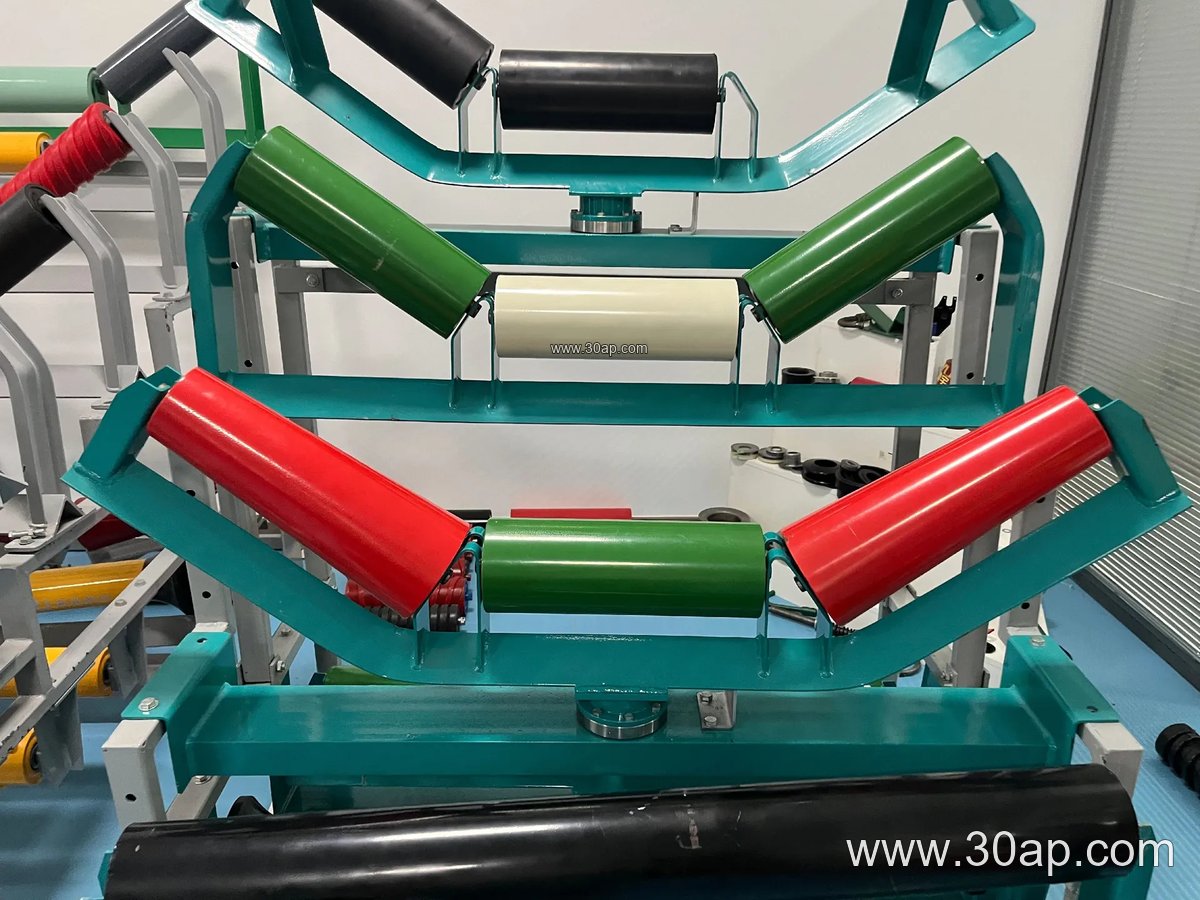
Common Configurations and Reference Dimensions
The table below lists reference combinations that appear in general conveyor design. Values are indicative and should be confirmed by design.
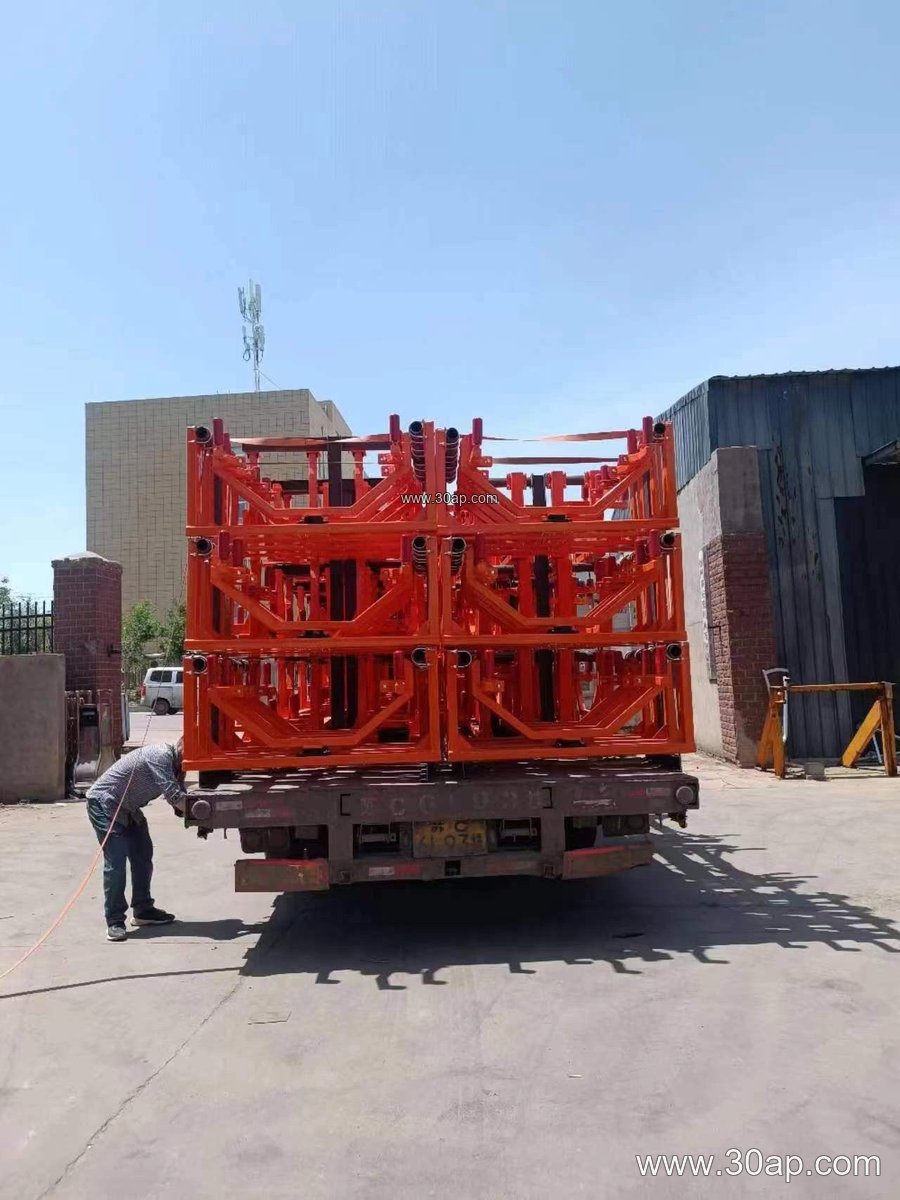
| Belt Width | Typical V Angle | Common Roller Diameter |
|---|---|---|
| B500 | 20 degrees | Ø89 |
| B650 | 30 degrees | Ø89 |
| B800 | 35 degrees | Ø108 |
| B1000 | 35 degrees | Ø108 |
| B1200 | 45 degrees | Ø133 |
| B1400 | 45 degrees | Ø133 |
| B1600 | 45 degrees | Ø159 |
| B1800 | 45 degrees | Ø159 |
These are examples, not fixed rules. A B1000 conveyor may use a different roller diameter depending on load and belt stiffness. The angle and roller size should be chosen together with the belt tension and the return spacing.
Selection Points for Buyers
- Check the belt width and the return idler diameter already in use; the bracket arms must accept that roller.
- Confirm the mounting hole spacing on the stringer, since crossbeam length changes with belt width and V angle.
- Decide whether a fixed or adjustable bracket suits the application; an adjustable version allows the V angle to be set within a range.
- Match the material finish to the environment, such as dusty cement plants, wet wash plants, or coastal port conveyors.
- Consider belt type: a heavy-duty mining conveyor belt or an abrasion resistant conveyor belt may need closer return spacing and a sturdier bracket.
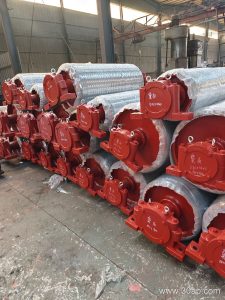
For related conveyor components, see the conveyor bracket, idler roller, and conveyor pulley ranges, and review belt options such as flame retardant conveyor belt or heat resistant conveyor belt where the duty calls for them.
Installation and Maintenance Notes
Align the bracket square to the conveyor centerline so the V sits symmetrically under the belt. After installation, check that both rollers turn freely and that the belt sits evenly in the trough. Loose mounting bolts are a common cause of bracket movement and belt wander, so periodic inspection of the fasteners is worthwhile. In dusty service, clean the saddle seats so the idler roller shafts seat properly.
When replacing a bracket, keep the same V angle and roller diameter unless the design is being changed deliberately. A V-Type Idler Bracket is a small part of the conveyor, but its alignment directly affects belt life and the smooth running of the whole system.