What Is a Custom Idler?
A custom idler is a conveyor idler roller built to match specific operating conditions rather than a standard off-the-shelf size. In a conveyor system, idlers support the conveyor belt and the material load, and they directly influence belt tracking, energy consumption, and maintenance intervals. When a quarry conveyor, a coal mining conveyor, or a power plant coal handling line runs with non-standard belt widths, unusual trough angles, or aggressive material, an engineered idler often becomes the practical solution. Our custom idler service at shebei-tuogun.com focuses on matching the roller to the actual duty, not forcing the belt to fit a catalog item.
Construction Details That Matter
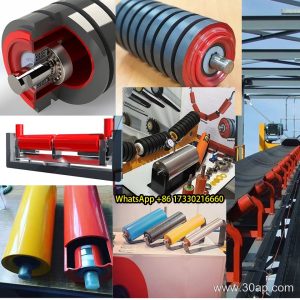
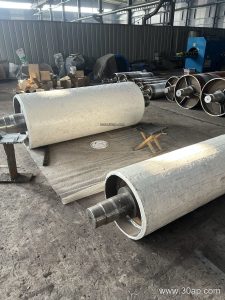
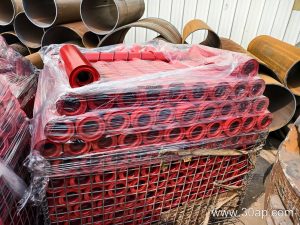
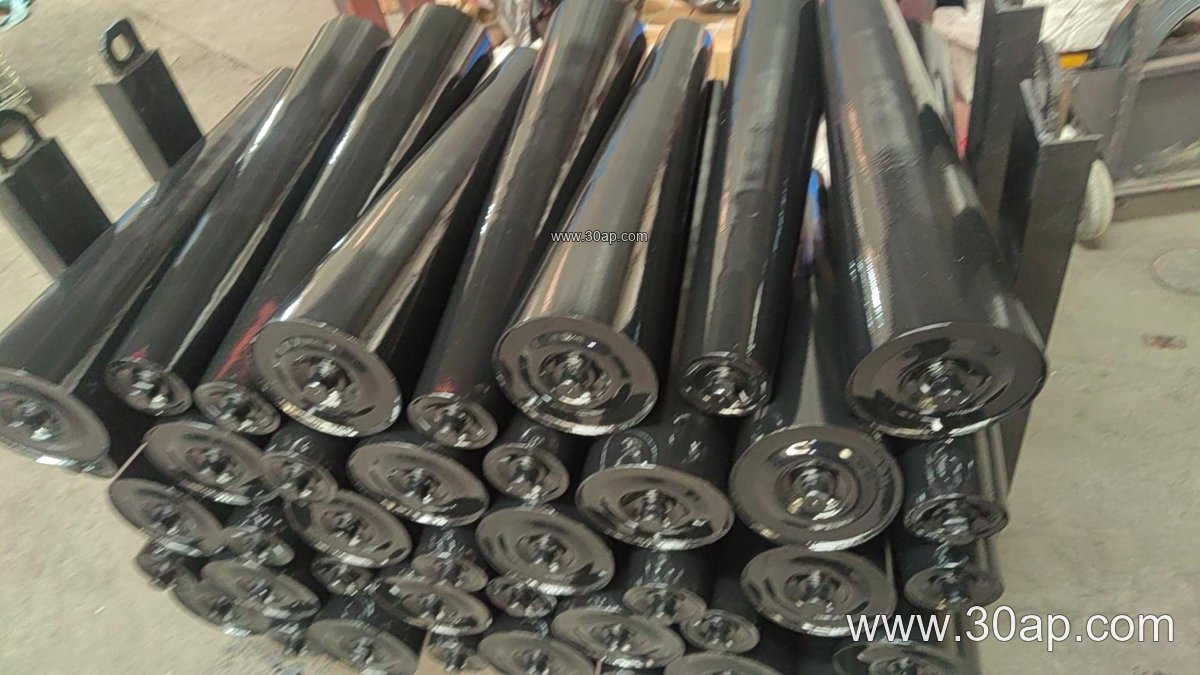
A typical idler roller consists of a steel tube shell, bearing housings, a shaft, and a sealing arrangement. For custom idler production, the tube diameter, wall thickness, shaft end design, and bearing type are selected according to load and speed. Common roller diameters include Ø63, Ø76, Ø89, Ø102, Ø108, Ø127, Ø133, Ø159, Ø178, Ø194, and Ø219 mm. Bearings such as 6204, 6205, 6305, 6306, 6308, and 6310 are frequently used, but no single bearing is tied to one diameter; the choice depends on radial load and service life targets.
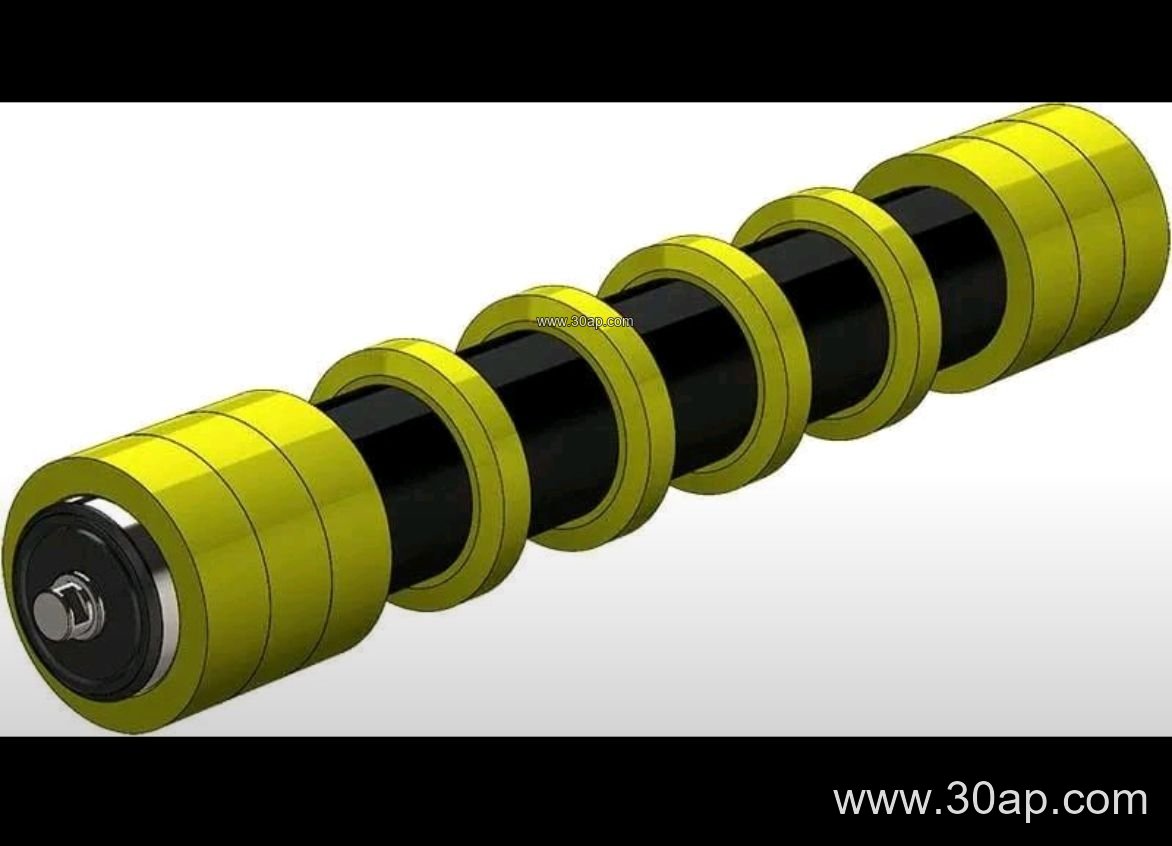
Surface options also vary. Plain steel rollers suit many bulk material conveyor belt applications. Rubber rings or ceramic lagging can be added for impact absorption or material buildup resistance. For dusty conditions in a cement plant or a coal mining conveyor, effective labyrinth seals and grease retention are often more important than the roller diameter alone.
Where Custom Idlers Are Used
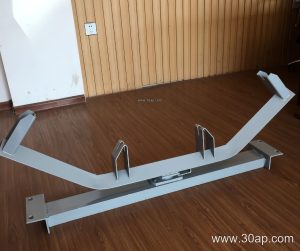
Custom idlers appear across many bulk handling industries. In a limestone quarry or sand and gravel line, three-roll troughing idlers with 20°, 30°, 35°, or 45° trough angles keep the conveyor belt centered under load. In underground coal mining, flame retardant conveyor belt and PVG conveyor belt systems often require idlers with specific frame dimensions and sealing protection. Power plant coal handling, steel plant sinter lines, and port ship loading conveyors also use custom idler sets where standard sizes do not fit the structure.
Return side idlers, impact idlers, and self-aligning idlers can all be customized. For a crusher conveyor belt subject to heavy impact, rubber ring impact idlers are a common comparison against standard steel rollers. For a pipe conveyor belt or a corrugated sidewall conveyor belt, the idler layout is different from a conventional troughed system, so custom manufacturing is often necessary.
Key Dimensions and Selection Factors
Belt width is a starting point, not a complete specification. Common belt widths include B400, B500, B650, B800, B1000, B1200, B1400, B1600, B1800, B2000, B2200, and B2400. For three-roll troughing sets, roller length often scales with belt width, but side rollers and center rollers can differ. The table below shows typical reference values; actual dimensions should be confirmed by design.
| Belt Width | Typical Roller Length (Three-Roll Troughing) | Common Roller Diameter Range |
|---|---|---|
| B500 | 200 mm | Ø63–Ø89 mm |
| B650 | 250 mm | Ø76–Ø108 mm |
| B800 | 315 mm | Ø89–Ø127 mm |
| B1000 | 380 mm | Ø102–Ø133 mm |
| B1200 | 465 mm | Ø108–Ø159 mm |
| B1400 | 530 mm | Ø127–Ø178 mm |
| B1600 | 600 mm | Ø133–Ø194 mm |
| B1800 | 670 mm | Ø159–Ø219 mm |
| B2000 | 750 mm | Ø178–Ø219 mm |
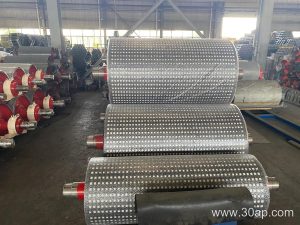
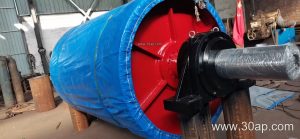
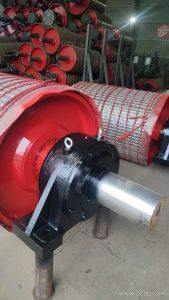
These figures are examples only. A conveyor pulley, drive pulley, or tail pulley has its own dimensional rules and should not be confused with idler sizing. When ordering a custom idler, share the belt width, trough angle, roller diameter, shaft diameter, bearing number, and mounting bracket details. Also state the material being carried, such as iron ore, copper ore, aggregate, or cement clinker, because abrasion and impact affect roller selection.
Buyer Checklist for Custom Idlers
- Confirm the conveyor belt type and width, including whether it is an EP conveyor belt, NN conveyor belt, steel cord conveyor belt, or fabric core conveyor belt.
- Specify the idler position: carrying side, return side, impact zone, or transition area.
- Provide the trough angle and the number of rolls per set, such as single, two-roll, or three-roll troughing.
- State the ambient conditions: heat, oil, dust, moisture, or corrosion. For example, a heat resistant conveyor belt in a cement plant may need idlers with high-temperature bearing grease.
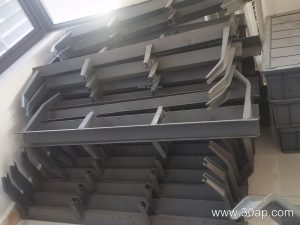
- Share the existing conveyor bracket and shaft connection dimensions to avoid field modification.
At shebei-tuogun.com, custom idler requests are reviewed against the actual conveyor layout rather than a single catalog number. Whether the line handles abrasion resistant conveyor belt loads in a quarry or flame retardant conveyor belt duties underground, the goal is a roller that fits the structure and the material. For related components such as conveyor pulley or idler roller assemblies, keep the specifications separate and confirm each item on its own terms.