What an Adjustable Conveyor Bracket Does
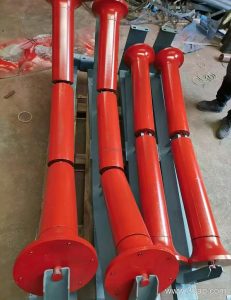
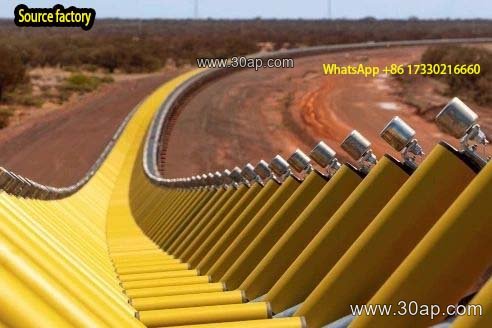
An adjustable conveyor bracket is the support component that holds idler rollers at a chosen trough angle along a conveyor frame. Instead of welding a fixed cradle for each position, the adjustable design lets maintenance crews change the angle of the side rollers to suit the material being carried, the belt width, and the loading conditions. In a quarry or a limestone crushing line, the same frame may run different products through the year, so being able to reset the trough angle without cutting steel is a practical advantage.
The bracket works together with the conveyor belt and the idler roller set. The belt sits in the trough formed by the rollers, and the bracket controls how deep that trough is. A deeper trough holds bulk material more securely on the incline, while a shallower angle reduces belt stress on wide, heavy belts.
Construction and Adjustment Method
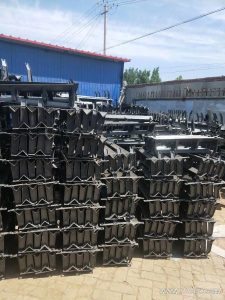
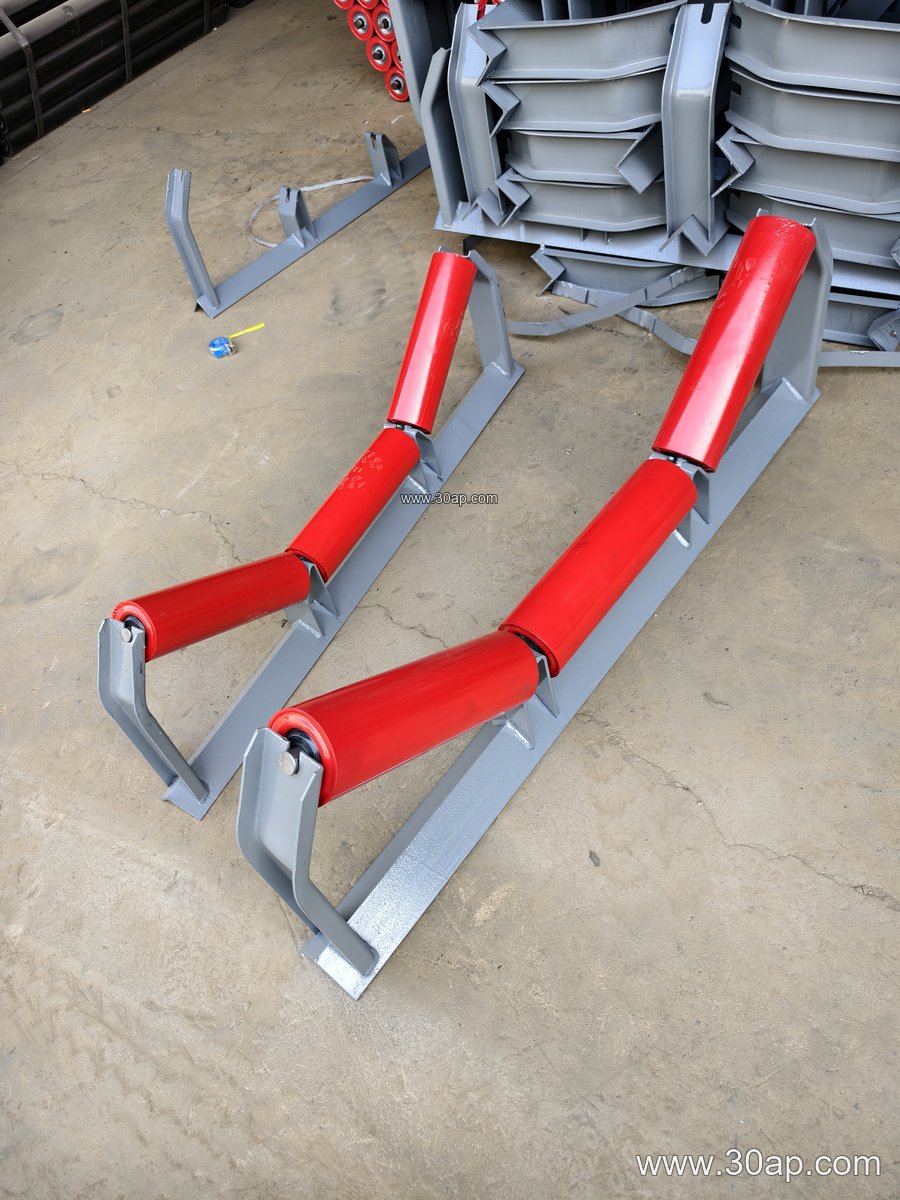
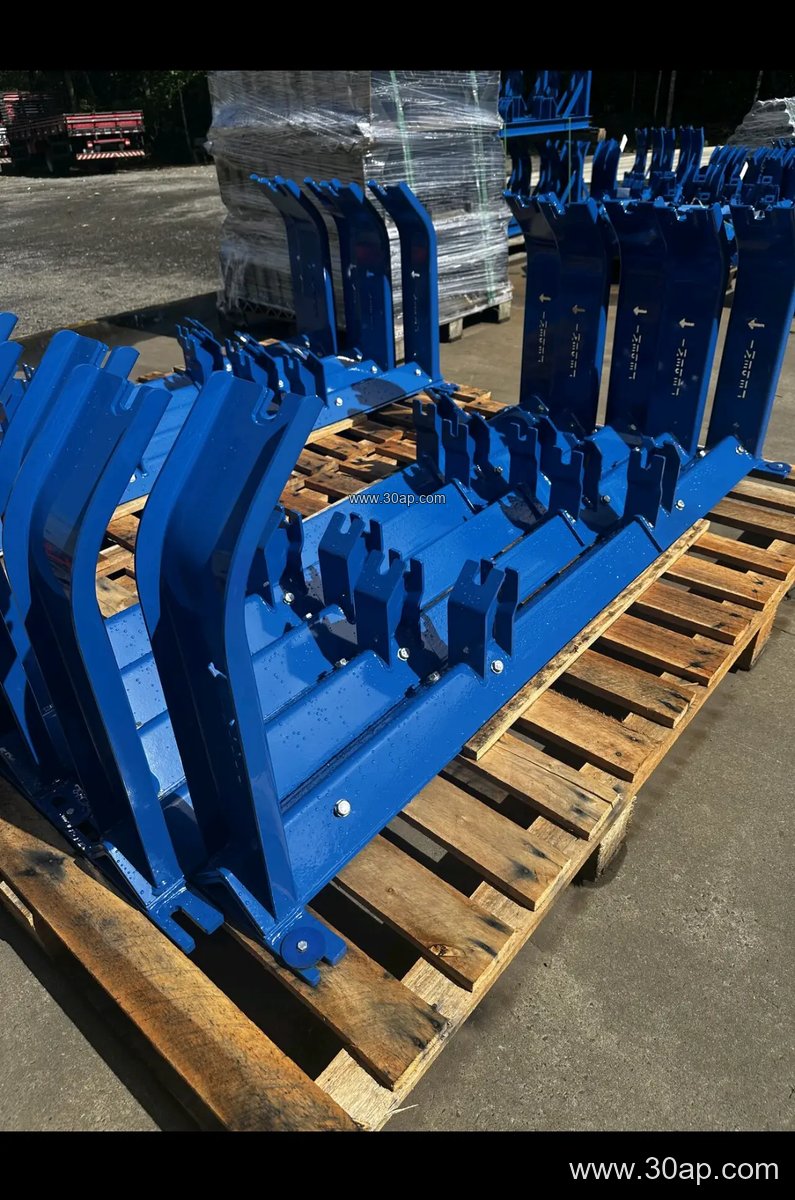
Most adjustable brackets are fabricated from angle steel, channel steel, or folded steel plate. The frame carries slotted or multi-hole mounting positions, and the side roller arms pivot or slide to set the trough angle. Common angles include 20, 30, 35, and 45 degrees, and a single adjustable bracket can usually be set anywhere within this range. Forward tilt of roughly 1.5 to 2 degrees is sometimes built in to help centre the belt.
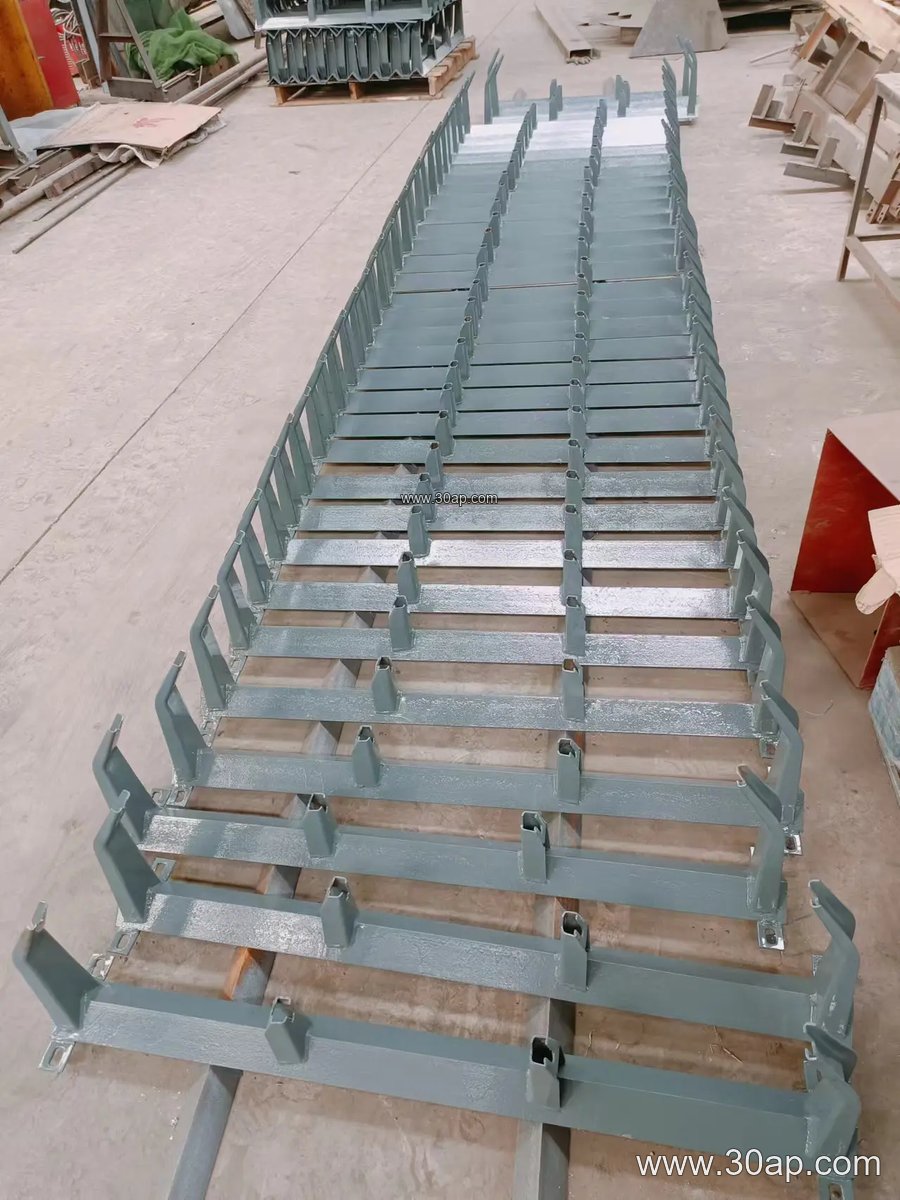
Installation height and hole spacing are determined by belt width and trough angle, so the mounting dimensions should always be confirmed against the drawing rather than assumed. The bracket bolts to the conveyor stringer, and the rollers are then seated in the bracket seats.
Where These Brackets Are Used
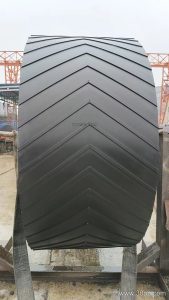
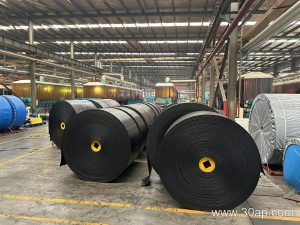
Adjustable brackets appear in cement plants, coal handling systems in power stations, iron ore and copper ore dressing lines, sand and aggregate plants, and port bulk terminals. In a coal mining conveyor or an underground mining conveyor, flame retardant conveyor belt and anti-static conveyor belt are typical belt choices, and the bracket angle affects how well the belt tracks under load. In a cement plant, heat resistant conveyor belt may run near clinker areas, and the bracket must keep the idler roller square to the belt to avoid edge wear.
They are also useful on transfer points and curved sections where the belt path changes and the trough needs fine tuning after installation.
Matching the Bracket to Belt and Roller
Belt width and roller diameter are selected together with the bracket, but there is no single fixed pairing. A B800 belt might run with 30 or 35 degrees and a Ø108 roller, while a B1200 line may use 45 degrees and Ø133. Wider belts such as B1600 or B1800 often use larger rollers and a shallower angle. The table below shows common reference combinations; actual values should follow the conveyor design.
| Belt Width | Trough Angle | Roller Diameter | Typical Use |
|---|---|---|---|
| B500 | 20-30 degrees | Ø89 | Light aggregate lines |
| B650 | 30 degrees | Ø89 | Sand and gravel |
| B800 | 35 degrees | Ø108 | Cement and coal handling |
| B1000 | 35-45 degrees | Ø108-Ø133 | Ore and bulk material |
| B1200 | 45 degrees | Ø133 | Power plant coal lines |
| B1400-B1600 | 35-45 degrees | Ø133-Ø159 | Port and heavy bulk |
| B1800-B2000 | 30-45 degrees | Ø159-Ø194 | Large mining conveyors |
On high tonnage lines carrying abrasive ore, an abrasion resistant conveyor belt or a steel cord conveyor belt may be used, and the bracket should be sturdy enough to keep the rollers aligned under heavy belt tension. In dusty coal service, a fire resistant conveyor belt and a well-set bracket reduce the chance of belt wander and spillage.
Adjustable Versus Fixed Brackets
A fixed bracket is simpler and cheaper, and it is fine where the trough angle never changes. The adjustable version costs more but allows correction after commissioning, which matters on long overland conveyors, ship loading conveyors, and crusher conveyor sections. It also helps when a plant later switches from one product to another, for example from aggregate conveyor belt duty to a wetter, stickier material.
Buyer Checklist
- Confirm belt width, trough angle range, and roller diameter before ordering.
- Check the mounting hole spacing and beam length against the conveyor drawing.
- Match the bracket material and finish to the environment, especially in wet or corrosive plants.
- Ask how the angle is locked after adjustment, and whether the setting can drift under vibration.
- Keep spare brackets for transfer points, since these positions wear and shift most.
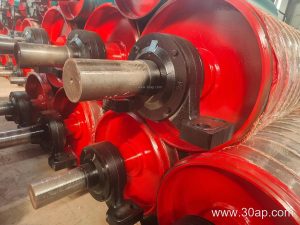
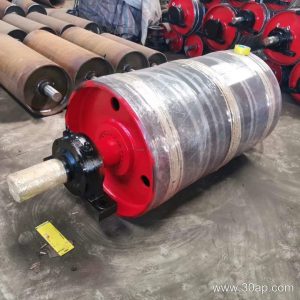
For more on belts, rollers, and pulleys, visit our site at conveyor belt and conveyor pulley pages, where related components such as the idler roller and conveyor bracket are also described.